A senior Trump administration official and key adviserare slamming OpenAI head of strategic futures Dean Ball's views on regulation, casting a shadow on the future of the company's relationship with the government.
Why it matters: The criticism targets a former White House architect of the administration's AI Action Plan who now works at OpenAI, potentially complicating the company's relationship with the Trump administration.
The boom that powered semiconductor stocks to record-setting heights just last month is now sputtering.
Why it matters: Chipmakers are the picks and shovels of the AI gold rush, and they are now looking shaky.
A recent selloff, combined with new stress over competition from Chinese open-source AI models, is raising concerns over the durability of the AI trade more broadly.
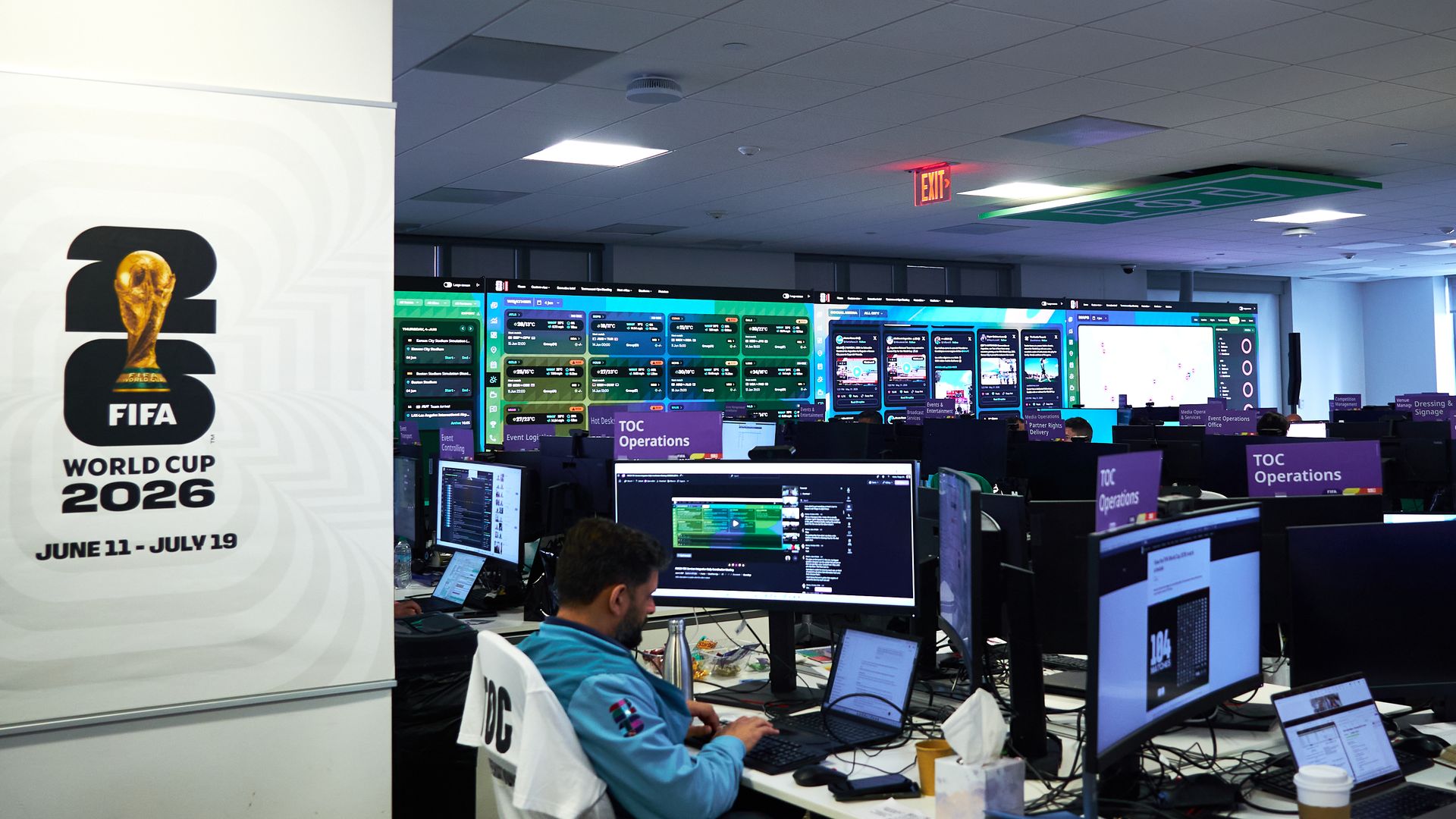
AI helped power this year's World Cup by smoothing out the referee's-eye-view camera angle and giving all 48 teams equal access to detailed game analytics.
Why it matters: Like recent Olympics in Milan and Paris, the World Cup offered a high-profile test of whether AI can improve sports without getting in the way.
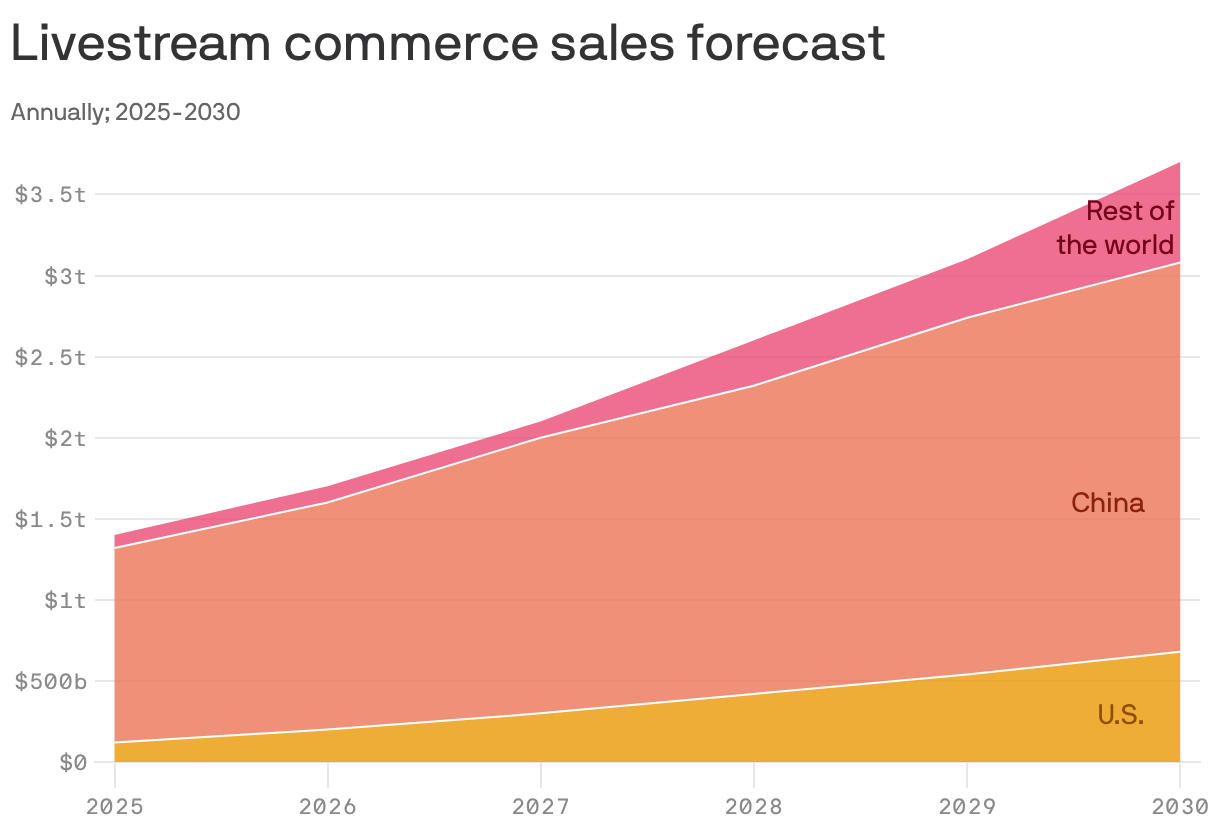
Creator commerce has evolved from an experimental marketing tactic into a core strategy for retailers, as brands bet that trusted human recommendations will matter even more in the AI era.
Why it matters: The shift is motivating brands to rethink how they recruit, manage and measure creator relationships.
The retail industry is emerging as one of AI's biggest commercial winners, forcing companies to embrace bots as buyers and incentivizing rivals to work together to capture new business.
Why it matters: While creative sectors try to prevent AI companies from scraping their content, retailers are inviting them in and betting AI shopping assistants will become a new source of customers.
China's latest AI breakthrough is forcing Silicon Valley to confront a terrifying possibility: Building the world's smartest models may no longer be enough to win.
Why it matters: Chinese labs like Moonshot AI are cornering the market for cheap, customizable intelligence, threatening to turn America's prestige models into expensive niche products.
China just changed the AI race with the debut of the Kimi K3 model, posing an immediate threat to the United States as the world's leader in the innovative technology.
Why it matters: The advent of AI has led to a global competition for supremacy, perhaps with the highest stakes since the development of the nuclear bomb.
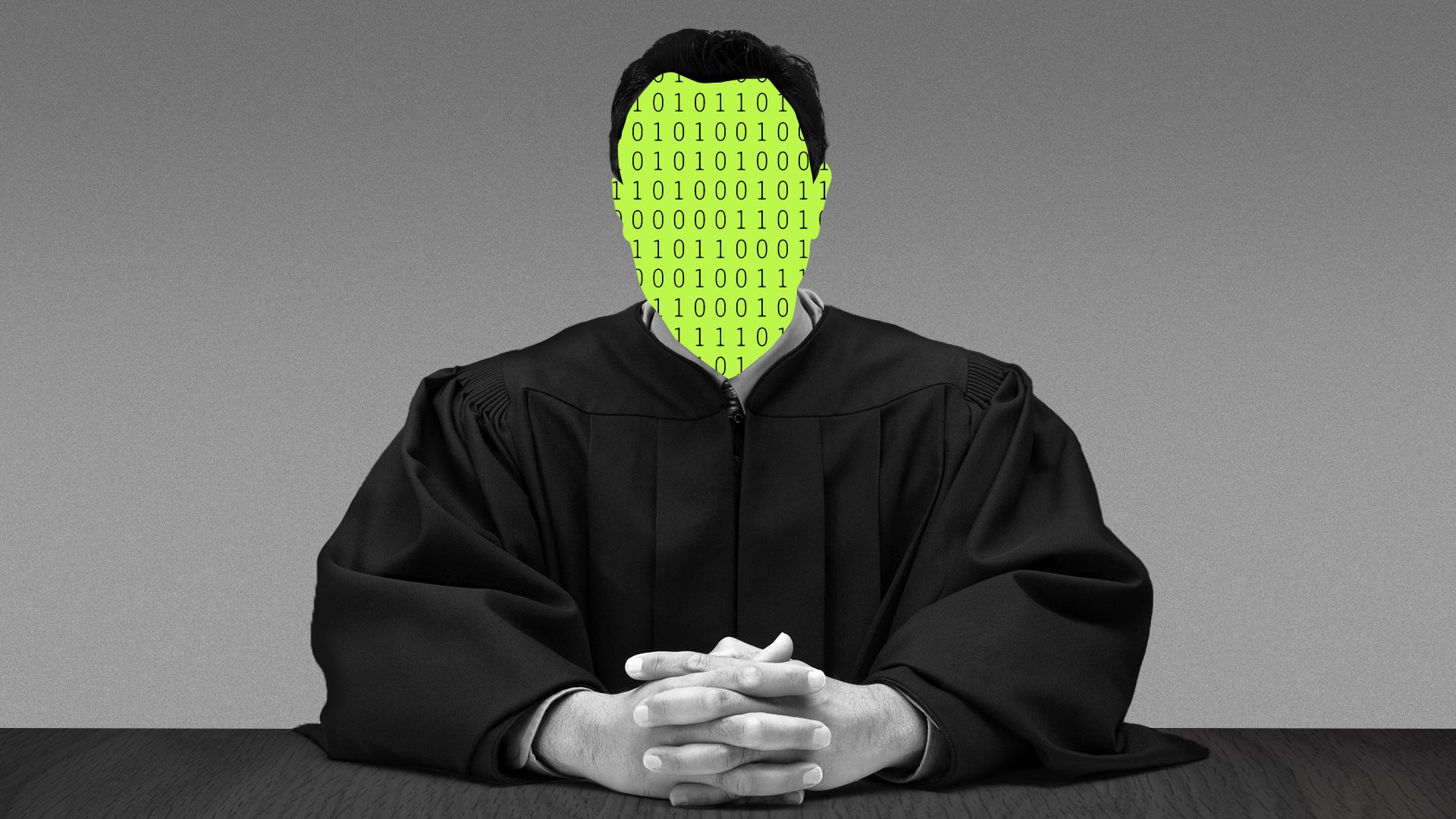
Judges are becoming AI firewalls, setting guidelines for lawyers and litigants entering their courtrooms and reprimanding those who fail to vet their research or cite fake AI-generated cases.
But judges are also navigating how to use the tech themselves.
Why it matters: As attorney sanctions mount for irresponsible AI use, judges' chambers are at the center of the push and pull between innovation and caution. Some early adopters see AI use as a catalyst for justice — while other jurists remain staunchly skeptical.