Apple is suing OpenAI for trade secret theft, alleging the AI giant deliberately and systematically solicited and stole confidential information from the iPhone maker's current and former employees.
Why it matters: Apple has lost significant talent to OpenAI as the frontier lab prepares to unveil its first hardware device this year.
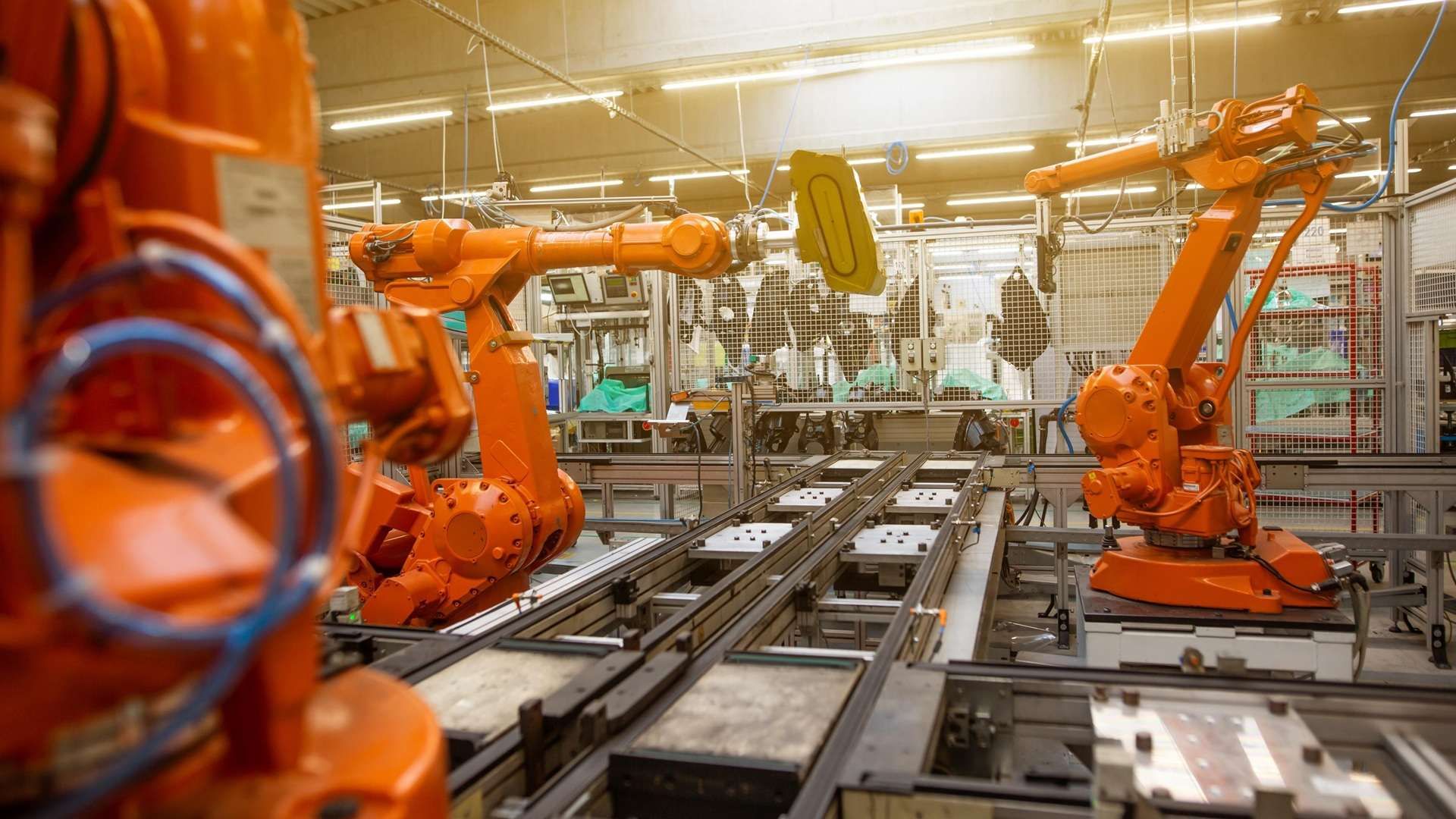
Our smartphones, electric cars and smart home electronics feel effortless, but behind them sits a dizzying web of interconnected hardware, mechanics and silicon.
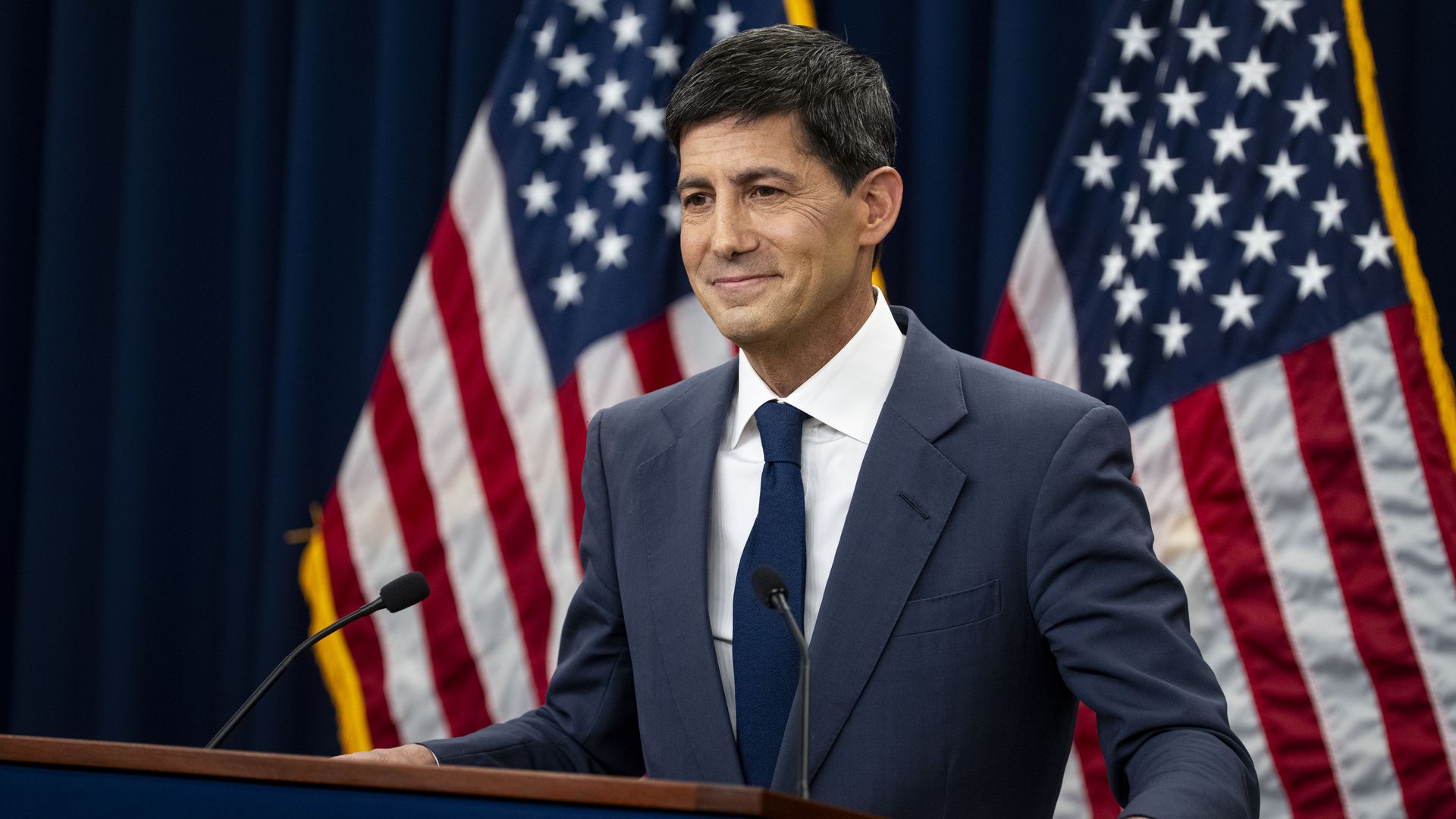
Federal Reserve chairman Kevin Warsh has created five task forces to rethink the central bank's policymaking process. They are likely to bring outside-the-box ideas combined with intellectual chops to an often insular institution.
The big picture: The task forces consist of economists and business leaders who bring serious credibility to the table but also are not part of the "Fed Borg" — that is, not among the usual lineup of people who have recently worked at the central bank.
Meta's move to allow users to create AI images using the likenesses of people with public Instagram accounts is drawing criticism from several camps, including privacy advocates and those who represent celebrities.
Why it matters: The backlash highlights a core AI-era fight: whether people should have to opt out of having their faces used in AI-generated content, or whether companies should get affirmative consent first.
After years of touting ambitious climate goals, big tech companies are now facing new scrutiny over what they disclose about AI's environmental footprint.
Why it matters: The AI boom is turning a handful of tech companies into defining players in the debate over electricity and water use. Their willingness to disclose these impacts is becoming almost as important as the impacts themselves.
AI regulation in the U.S. over the last few months has been a frenzy. Some experts say it didn't have to be this way.
Why it matters: AI companies and the government are praising each other for successful collaboration on rules for cutting-edge AI, but that view hides a scramble behind the scenes that could have been avoided.
For frontier power users, AI feels like a revolution: a force capable of conjuring companies, building software and solving complex problems at warp speed.
For the average person, it feels more like an evolution: a smarter search bar, a faster inbox, an ambient tech layer that saves time — but not much else.
Why it matters: Trillions of dollars in economic value — and the livelihoods of millions of workers — are being staked on a technology that most Americans neither trust nor fully understand.
As fresh U.S. strikes hit Iran, President Trump's Truth Social profile became a visual diary of distant violence, distilling the Iran war into shareable clips and memes even as he demanded an end to hostilities.
The big picture: While Trump revels in the video game-like spectacle of raw military power in Iran, Venezuela and the Caribbean on social media, he's also scrambling to find an off-ramp to a war Americansdon'tsupport.
OpenAI on Thursday broadly released GPT-5.6, after staggering the powerful new model's rollout per a U.S. government request.
Why it matters: The leading players in AI are all speeding forward at breakneck speed, but the increasing power of the latest models has the Trump administration rethinking its previous hands-off approach.
Microsoft's latest environmental report shows the growing tension between its race to build AI infrastructure and its long-standing climate commitments.
Why it matters: The report mirrors recent disclosures from Google and Amazon, whose emissions and resource use have also climbed alongside AI growth.
More venture capital dollars were invested in U.S. companies during the first half of 2026 than in any full year, according to data released Wednesday by PitchBook and the National Venture Capital Association.
By the numbers: U.S. companies raised $412.7 billion between January and June, a whopping 29% increase over what U.S. companies raised in all of 2025 and a 15% increase over the all-time record set in 2021.
Facebook's parent company on Thursday updated its Muse Spark large language model and followed through on a promise to make it available to developers.
Why it matters: It's a busy period for model upgrades across the industry, with OpenAI and SpaceXAI also debuting faster models this week.
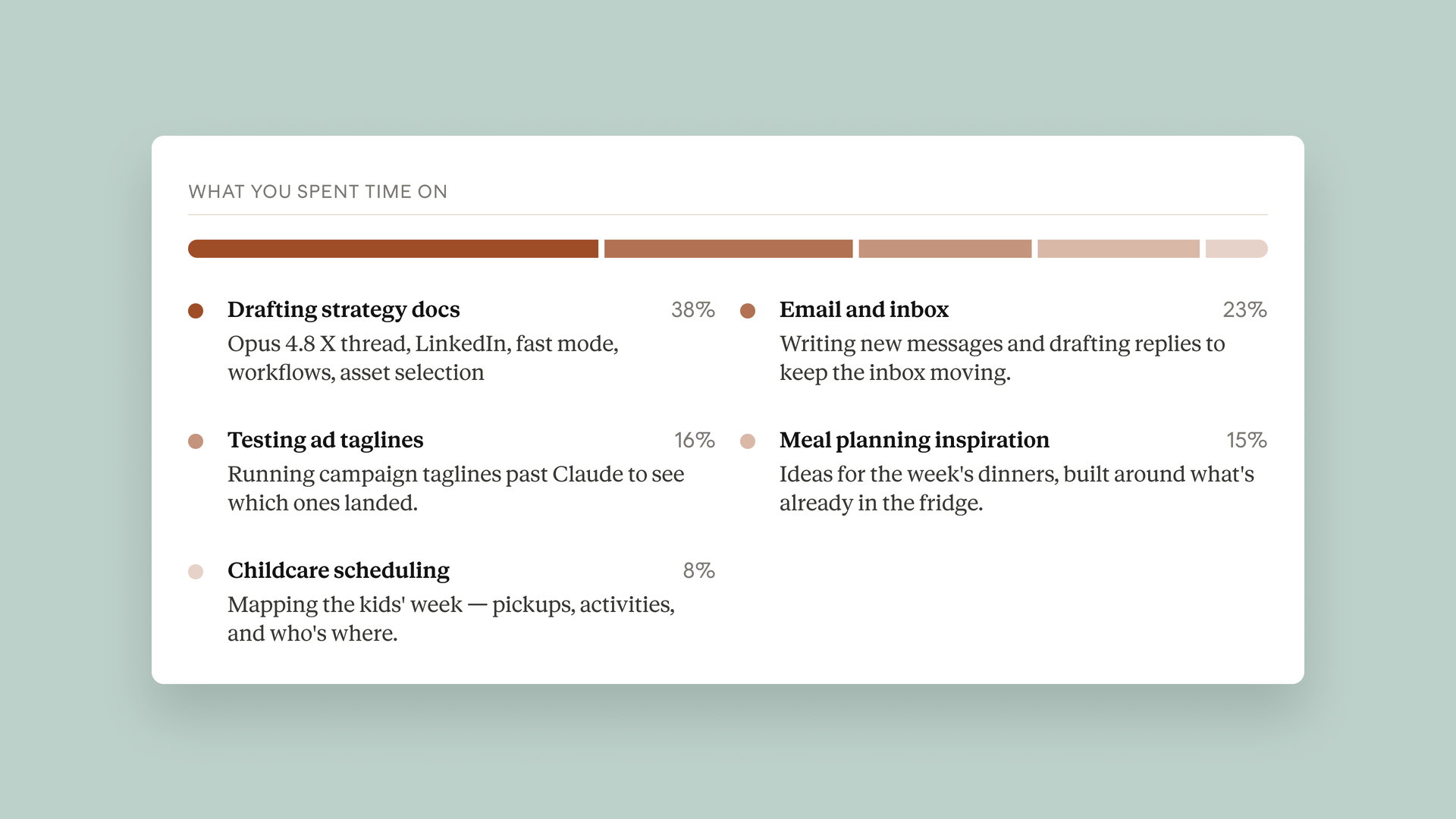
Anthropic is testing a new Reflection tool that helps Claude users see when they use the chatbot, what they use it for and whether that lines up with their goals.
Why it matters: AI chatbots are becoming work tool, search engine, confidant and coach all at once — raising the same kinds of questions about healthy use that social media did, but with even more intimate data.
Three AI trends are accelerating and colliding, forcing government, business and investors to rethink strategies in real time:
AI is getting bigger and better, both here and in China.
The U.S. government is scrambling to keep pace by creating a regulatory framework, perhaps with international reach.
Both America and China are considering blocking access to their best AI, in recognition of the rising stakes.
Why it matters: The explosive rise of truly autonomous agents is forcing Washington and Beijing away from light-touch oversight, transforming the global AI race from a commercial sprint into a national-security standoff.
The group behind a 2025 report predicting dire outcomes from AI development is out with a new prescription: To avoid dangerous outcomes from superintelligent AI, slow everything down.
Why it matters: The researchers behind the new essay, first shared with Axios, are saying that while people can't stave off the development of superintelligence, they can slow it down so the world is ready when it comes.