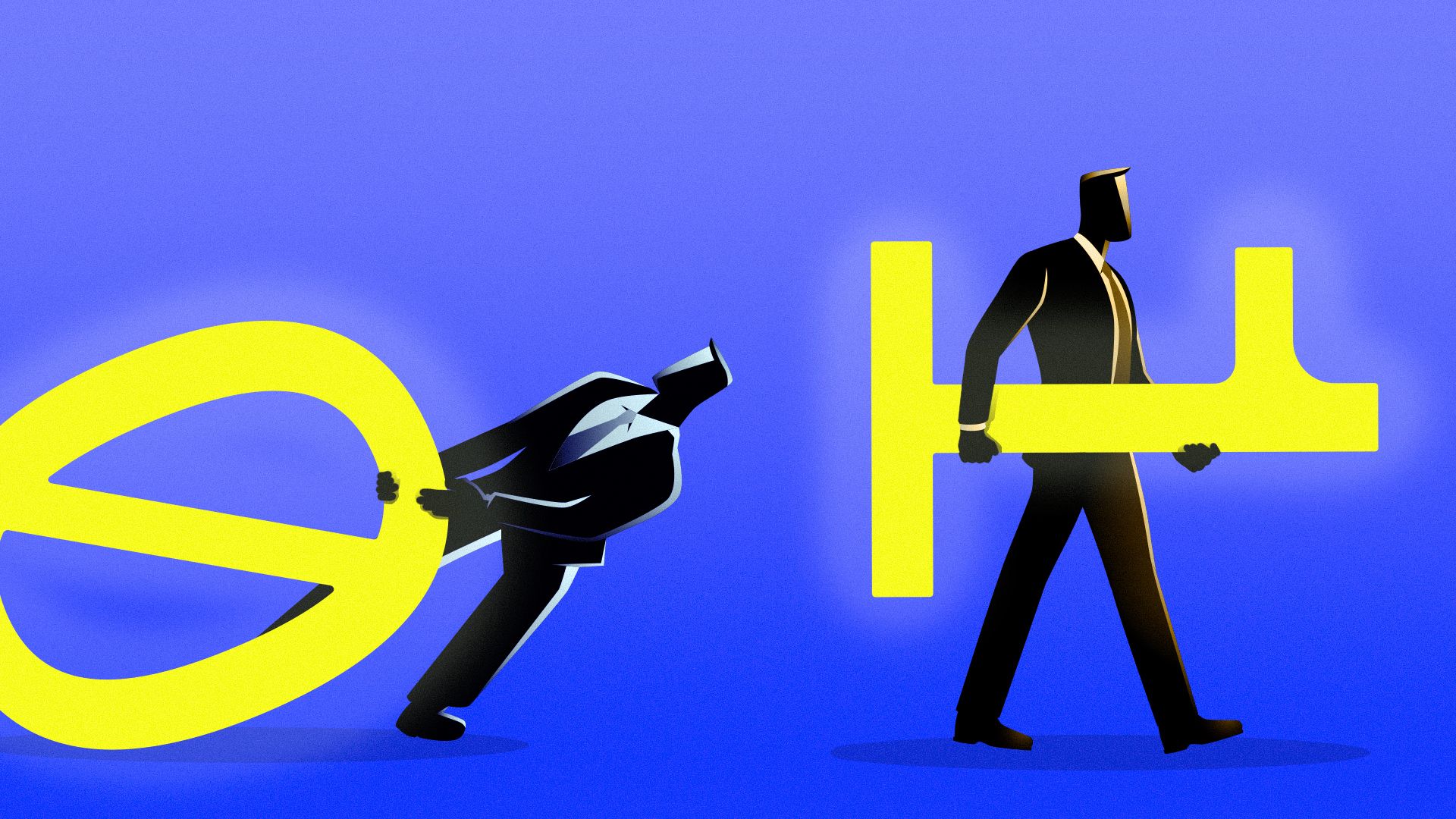
Apple is suing OpenAI for trade secret theft, alleging the AI giant deliberately and systematically solicited and stole confidential information from the iPhone maker's current and former employees.
Why it matters: Apple has lost significant talent to OpenAI as the frontier lab prepares to unveil its first hardware device this year.
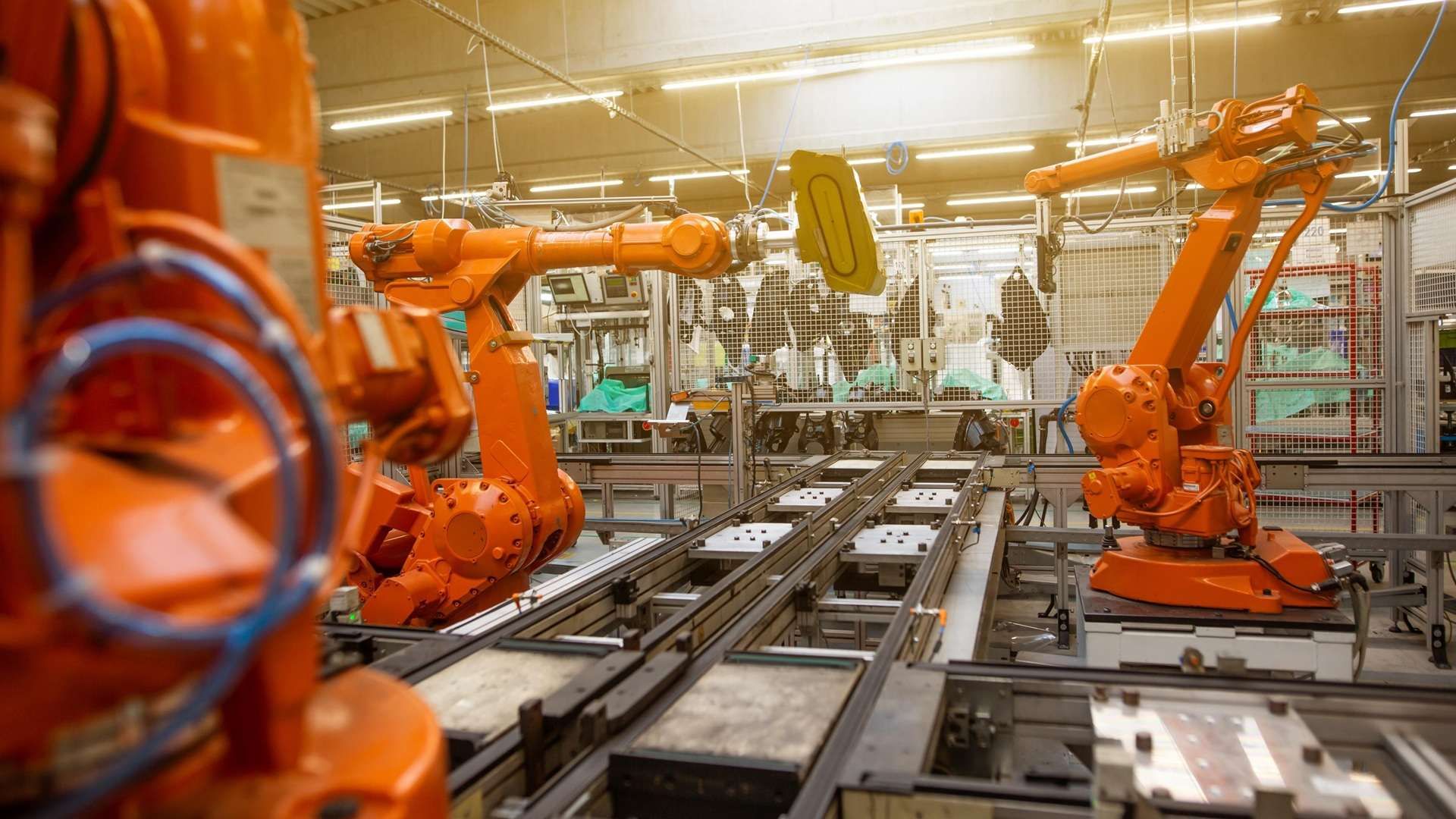
Our smartphones, electric cars and smart home electronics feel effortless, but behind them sits a dizzying web of interconnected hardware, mechanics and silicon.
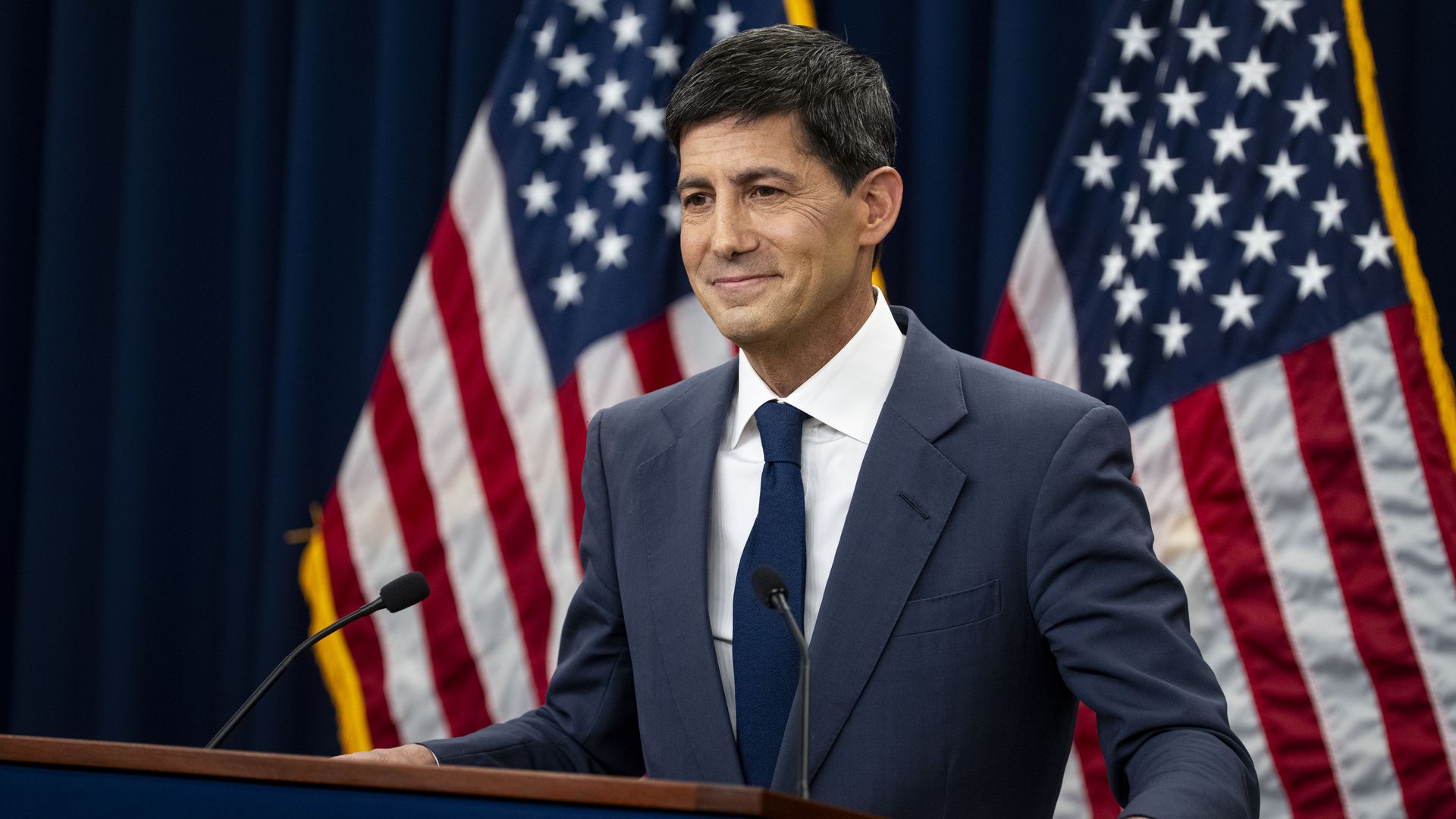
Federal Reserve chairman Kevin Warsh has created five task forces to rethink the central bank's policymaking process. They are likely to bring outside-the-box ideas combined with intellectual chops to an often insular institution.
The big picture: The task forces consist of economists and business leaders who bring serious credibility to the table but also are not part of the "Fed Borg" — that is, not among the usual lineup of people who have recently worked at the central bank.
Meta's move to allow users to create AI images using the likenesses of people with public Instagram accounts is drawing criticism from several camps, including privacy advocates and those who represent celebrities.
Why it matters: The backlash highlights a core AI-era fight: whether people should have to opt out of having their faces used in AI-generated content, or whether companies should get affirmative consent first.
After years of touting ambitious climate goals, big tech companies are now facing new scrutiny over what they disclose about AI's environmental footprint.
Why it matters: The AI boom is turning a handful of tech companies into defining players in the debate over electricity and water use. Their willingness to disclose these impacts is becoming almost as important as the impacts themselves.
AI regulation in the U.S. over the last few months has been a frenzy. Some experts say it didn't have to be this way.
Why it matters: AI companies and the government are praising each other for successful collaboration on rules for cutting-edge AI, but that view hides a scramble behind the scenes that could have been avoided.
For frontier power users, AI feels like a revolution: a force capable of conjuring companies, building software and solving complex problems at warp speed.
For the average person, it feels more like an evolution: a smarter search bar, a faster inbox, an ambient tech layer that saves time — but not much else.
Why it matters: Trillions of dollars in economic value — and the livelihoods of millions of workers — are being staked on a technology that most Americans neither trust nor fully understand.