SpaceX said Tuesday it has agreed to a deal with AI coding startup Cursor that could result in an acquisition or $10 billion investment.
Why it matters: The deal underscores SpaceX CEO Elon Musk's push to make his company into an AI powerhouse ahead of its potential IPO, which may be the largest in history.
Both Anthropic and OpenAI posted their biggest-ever lobbying spends in the first quarter of 2026, with Anthropic at $1.6 million and OpenAI at $1 million, per federal lobbying disclosures.
Why it matters: The two biggest frontier AI model companies hardly spent time in Washington just years ago. Now, they're joining the ranks of more seasoned tech companies shelling out millions a quarter on lobbying.
The real leap in Anthropic's and OpenAI's latest cyber-capable models isn't that they can hack in entirely new ways, but that they can do it faster, at greater scale, and increasingly turn vulnerabilities into working exploits, early users tell Axios.
Why it matters: The models may only represent one big step forward today, rather than a leap into the unknown. But if their current trajectory holds, they may still outstrip defenses designed for human-scale attacks.
The AI buildout is the new, powerful force widening America's trade gap.
Why it matters: Shrinking the trade deficit and winning the AI race rank high on President Trump's economic agenda — but those aims are pulling in opposite directions, as AI-related products get a lighter tariff treatment.
Microsoft is building universal protocols and tools that will make the agentic web reliable and transactable across all AI platforms.
It's in active conversations with other AI companies to participate, says corporate vice president for AI monetization Tim Frank.
Why it matters: The company believes its 51-year history, focused mostly on enterprise solutions, established the trust and scale necessary to build the foundational layers of the agentic web.
Cursor, the popular AI coding assistant platform, has tapped a new security partner to reduce the risk that developers pull vulnerable or malicious open-source code into their projects, the company first shares with Axios.
Why it matters: As AI tools generate more code, security teams worry vulnerable or malicious components could spread faster than they can be reviewed or fixed.
The Cybersecurity and Infrastructure Security Agency doesn't have access to Anthropic's powerful new Mythos Preview model, even though some other government agencies are using it, two sources tell Axios.
Why it matters: The country's top cyber defense agency, tasked with helping to secure everything from banks to power plants, is on the outside looking in at a time when the industries it works with are deeply concerned about AI-powered cyberattacks overwhelming their defenses.
OpenAI is mobilizing consulting partners and touting its compute edge to claw back enterprise customers from Anthropic, as both labs barrel toward potential IPOs.
Why it matters: The outcome of this fight could determine which company hits the public markets with momentum, and which has to explain to investors why it's losing ground.
We wrote last week about the societal, academic and economic implications of young Americans scared of AI ("The kids aren't AI-right, Part 1"). Today, we dig deeper into job panic.
Young Americans are scared of more than AI. They're downright panicky about finding a job at all.
Only 20% of young workers told Gallup in Q4 last year that it's a good time to find a quality job, down from 62% at the pollster's peak for the measure in October 2021. You rarely see mood swings this severe.
Why it matters: For 70 years, a bachelor's degree was the most reliable on-ramp to a stable career. That's no longer true. And that's before AI hits entry-level work at scale.
The Rockefeller Foundation is putting $100 million toward helping U.S. workers adapt to tech-driven changes to the labor market, the group exclusively told Axios.
Why it matters: AI is already reshaping jobs that local economies depend on. Whether private-sector efforts like this can scale fast enough may help determine if the technology widens or narrows American economic divides.
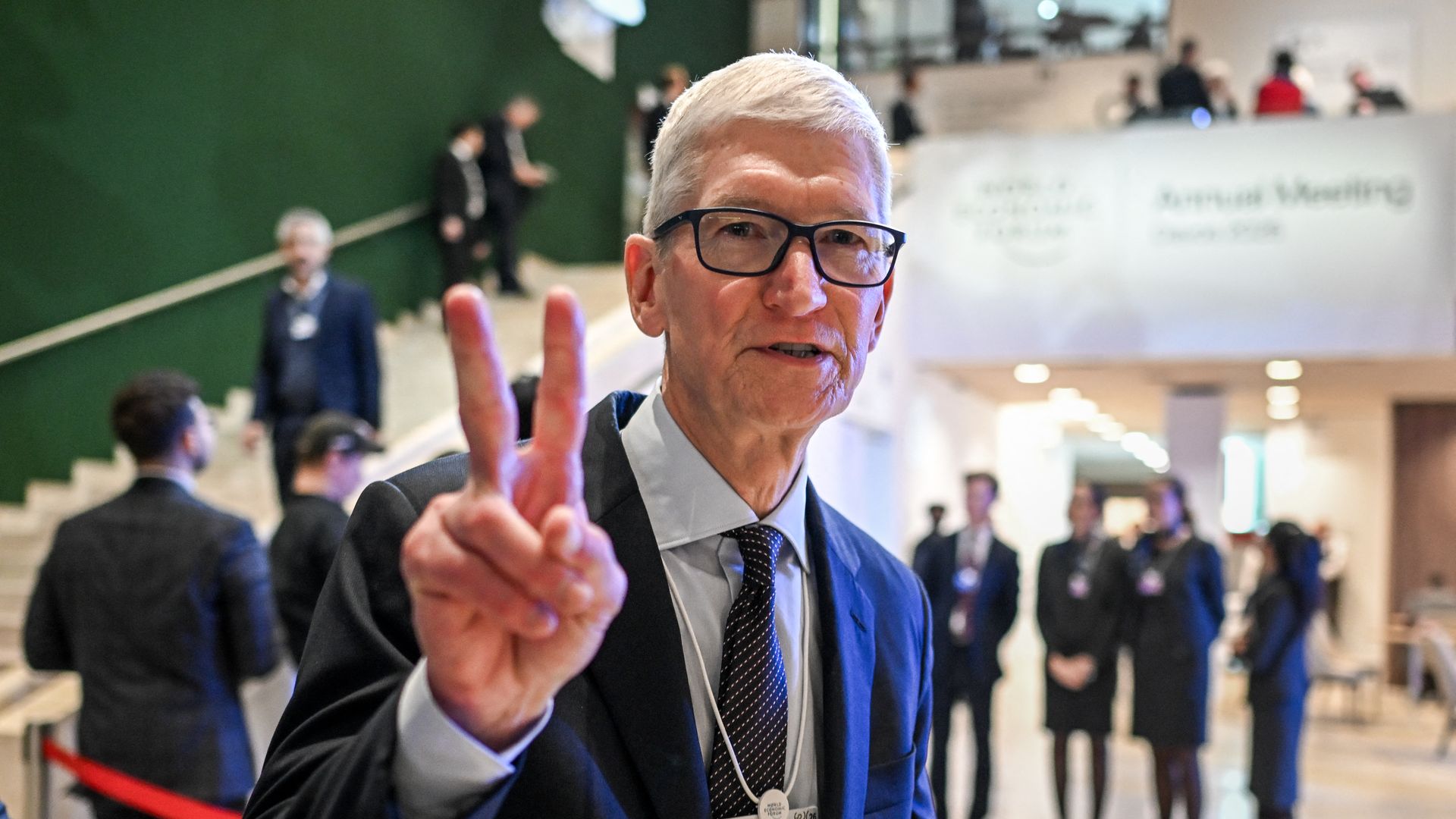
The Tim Cook era is coming to a close with an existential challenge for Apple: figuring out what comes after the iPhone.
Why it matters: Cook extended the iPhone's success into products like the Apple Watch and AirPods and built a powerful services business. But the company hasn't broken into a major new category — and has stumbled into the AI era.
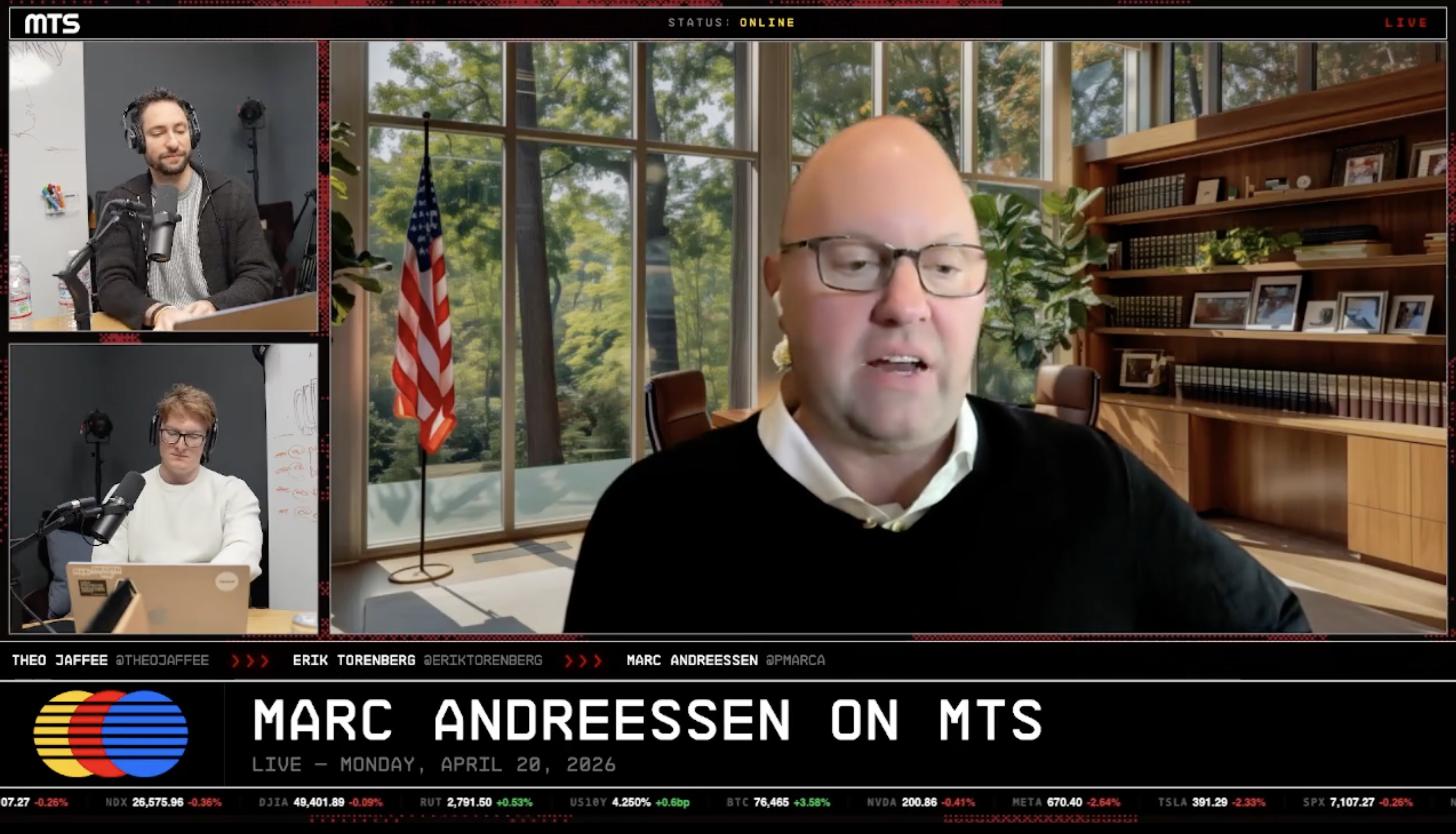
One of Silicon Valley's most powerful venture firms helped launch a 24/7 livestream on X Monday, joining a wave of tech money piling into the news cycle as the internet's hottest new asset class.
Microsoft and North America's Building Trades Unions are supercharging efforts to train workers for the AI economy, according to an announcement shared first with Axios.
Why it matters: AI infrastructure and data centers are expected to create new jobs, and companies are partnering with unions to ensure the workforce is ready.