Amazon says its multibillion-dollar OpenAI partnership could power consumer products with customized AI models — but it isn't saying exactly how yet.
Why it matters: While the $50 billion deal is mainly about cloud compute and chips, it could also eventually reshape how millions of people search for products, compare options and decide what to buy.
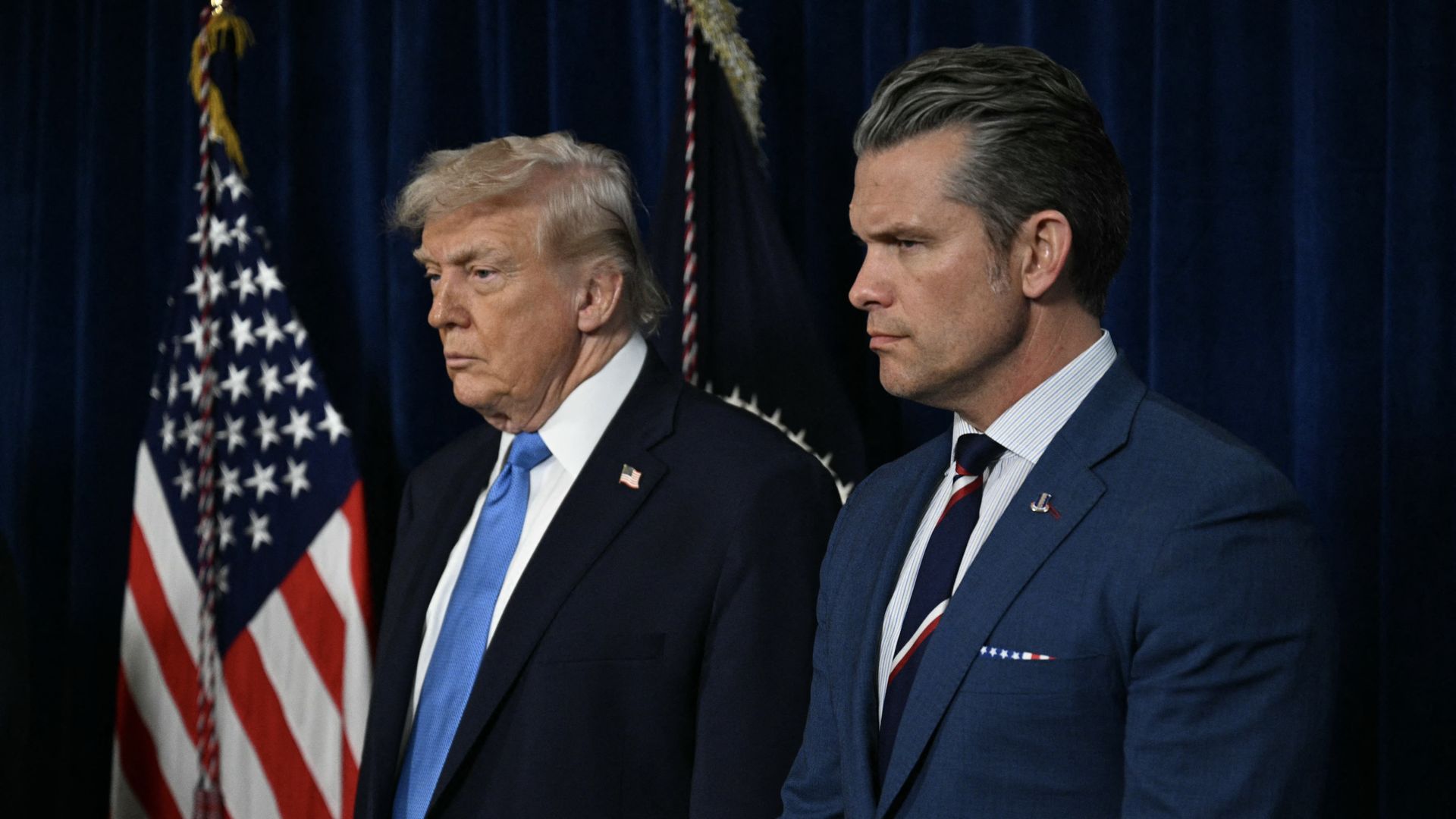
Now that President Trump has instructed the Pentagon to blacklist Anthropic, the only AI model operating inside classified defense systems could take a massive financial hit.
The big picture: Being labeled a "supply chain risk" not only ends Anthropic's $200 million Defense Department contract, but it also forces anyone seeking to do business with the U.S. military to cut ties with the AI firm.
AI's biggest relationships just got more complicated — and Amazon is suddenly more firmly in the center of the drama.
Why it matters: The tech giant's new $50 billion bet on OpenAI reshuffles the AI power map, in what could amount to a win for Amazon, a loosening of power for Microsoft and potential long-term risk for Nvidia as chip competition heats up.
Federal agencies may now have a Claude problem after President Trump's order to blacklist Anthropic from all government work amid a dispute over how the Pentagon can deploy its AI.
Why it matters: If Trump's demands hold, Anthropic's federal business could stall overnight — and leave agencies scrambling to unwind major AI projects and pilots.
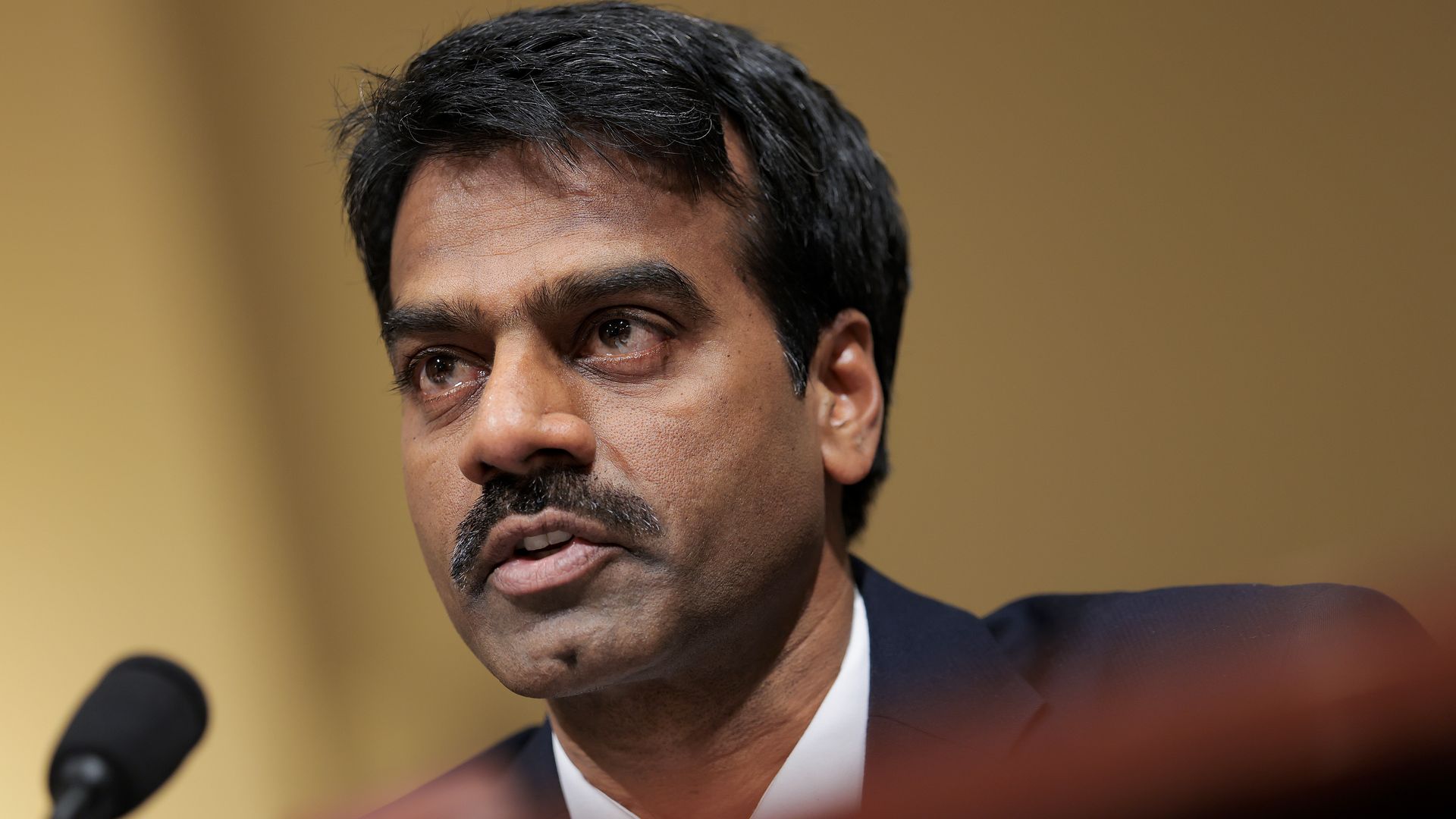
Madhu Gottumukkala, acting director of the Cybersecurity and Infrastructure Security Agency, has been reassigned to a role at Department of Homeland Security headquarters, a senior DHS official confirmed.
Nick Andersen, CISA's top cybersecurity official, will replace Gottumukkala as acting director while Congress reconsiders Sean Plankey's nomination to lead the agency.
Why it matters: It's the latest shake-up at CISA, which helps defend government agencies and U.S. critical infrastructure from cyberattacks, after significant budget cuts and the loss of at least one-third of its staff to buyouts and early retirements over the last year.
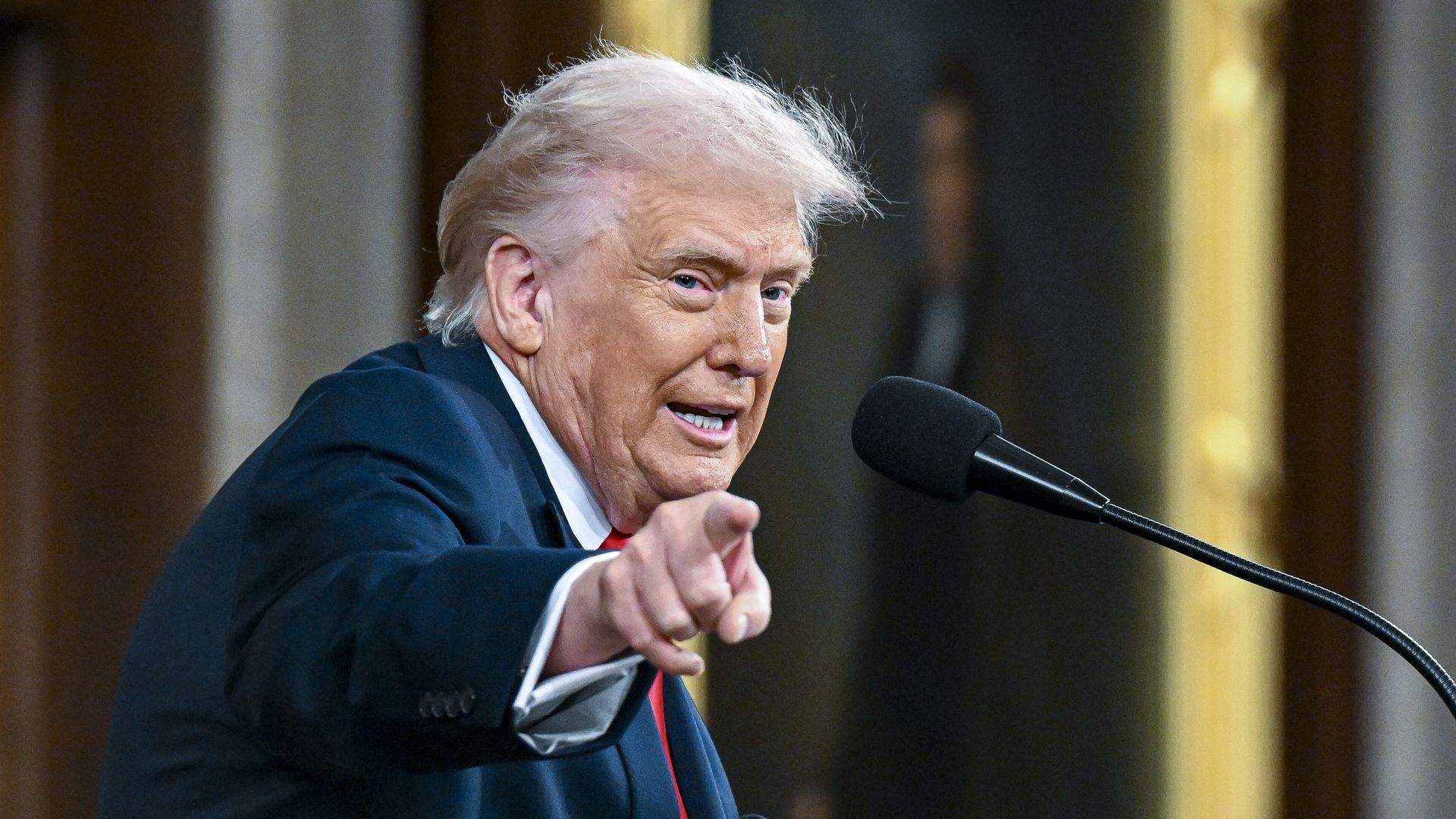
President Trump on Friday expressed frustration about nuclear talks with Iran, but said he hasn't decided yet whether to launch a military campaign.
Why it matters: With the region on high alert and growing signals that war could be imminent, Trump is maintaining ambiguity and sending messages that could be interpreted as either alarming or reassuring.
Key Senate defense leaders on Friday are privately pressing Anthropic and the Pentagon to resolve their dispute, a source familiar with the matter told Axios.
Why it matters: Pressure has been building on Congress to step in as the Pentagon and Anthropic engage in a prolonged public battle over the limits of the use of Anthropic's Claude AI in classified settings.
A deal with OpenAI could put Amazon first to market with a new type of AI service for developers — but the two companies will have to tread carefully to avoid running afoul of OpenAI's deal with Microsoft.
Why it matters: If successful, Amazon Web Services could land in a more enviable position at the leading edge of generative AI rather than being forced to compete mainly by delivering models more cheaply than rival clouds.
An epic capital spending boom is squeezing certain prices higher, while promising sharp productivity gains and potentially huge job losses. What's a central banker to do?
The big picture: The AI boom is likely to affect the appropriate monetary policy in multiple ways, with some effects pointing to higher rates and others toward lower. Those different impacts will play out on different timelines and with different magnitudes.
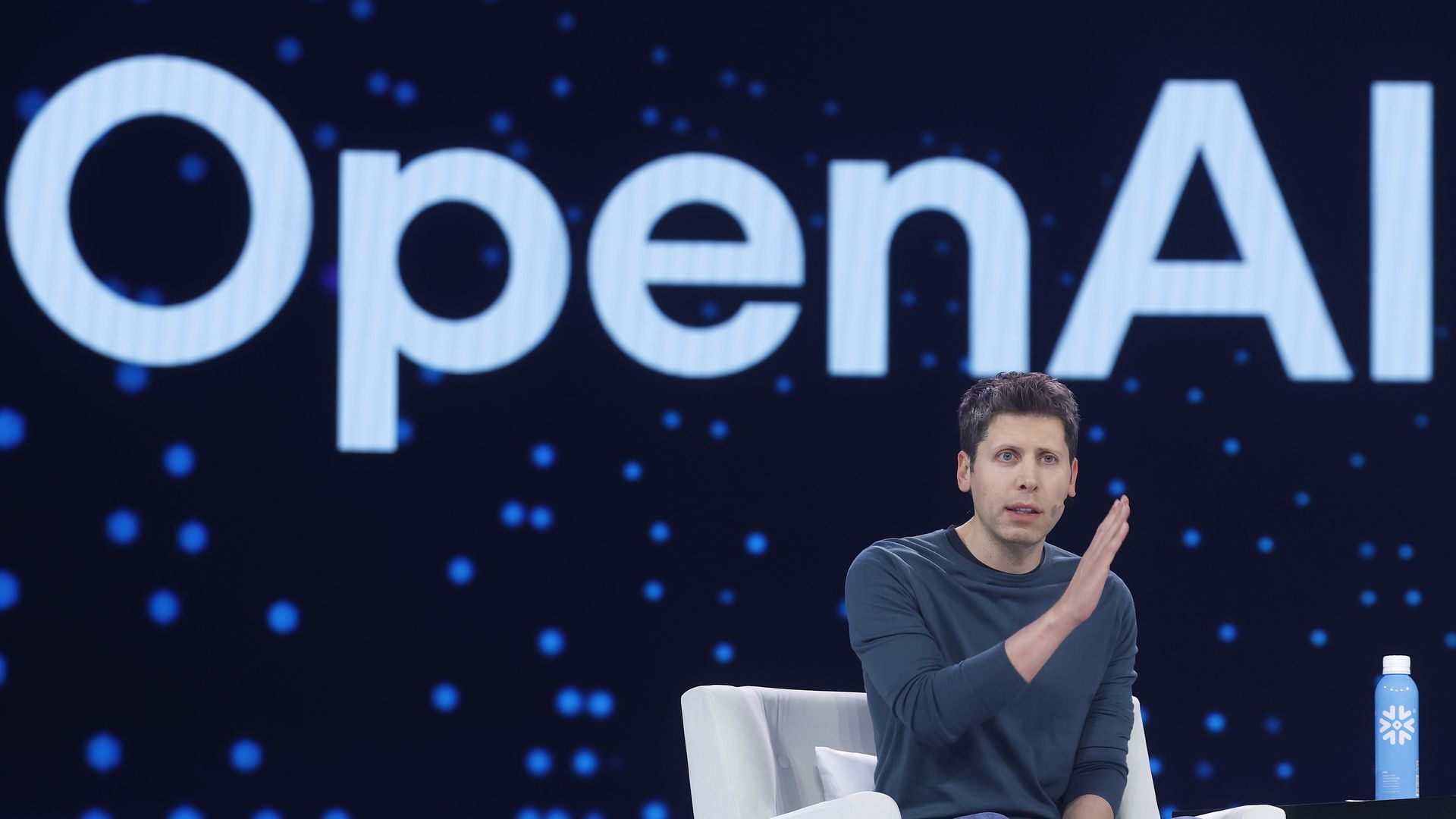
OpenAI CEO Sam Altman wrote in a memo to staff that he will draw the same red lines that sparked a high-stakes fight between rival Anthropic and the Pentagon: no AI for mass surveillance or autonomous lethal weapons.
Why it matters: If other leading firms like Google follow suit, this could massively complicate the Pentagon's efforts to replace Anthropic's Claude, which was the first model integrated into the military's most sensitive work.
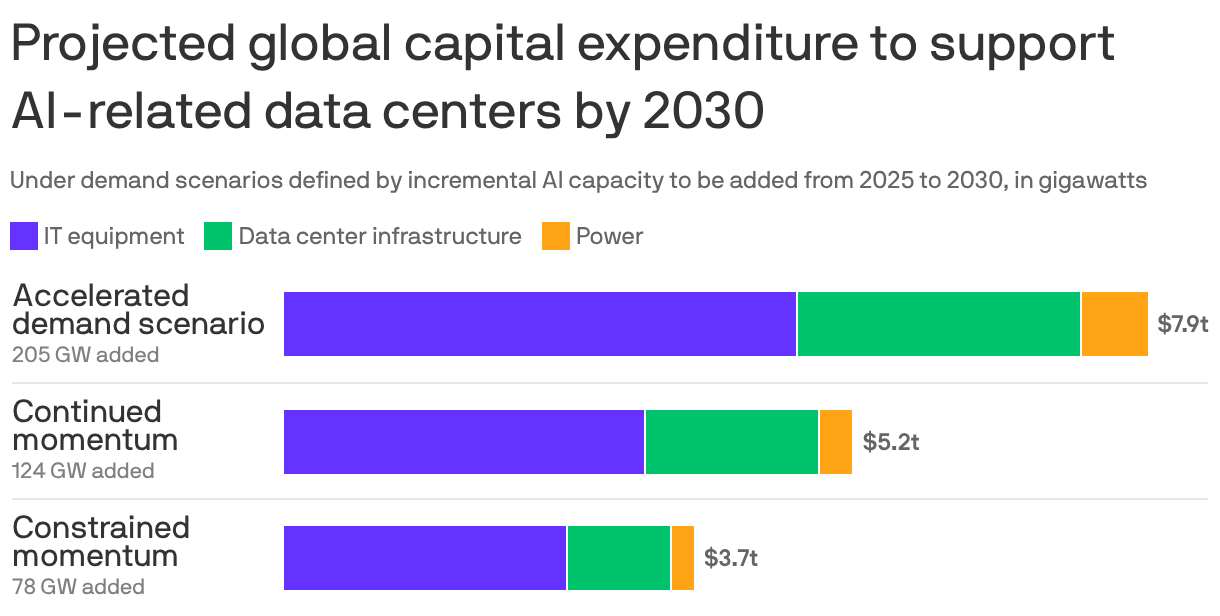
Even with rising costs, power is a small slice of what Big Tech spends on data centers.
Why it matters: This is why deep-pocketed tech companies are voluntarily offering up pledges to pay for their own power. To them, it's just not that much money.
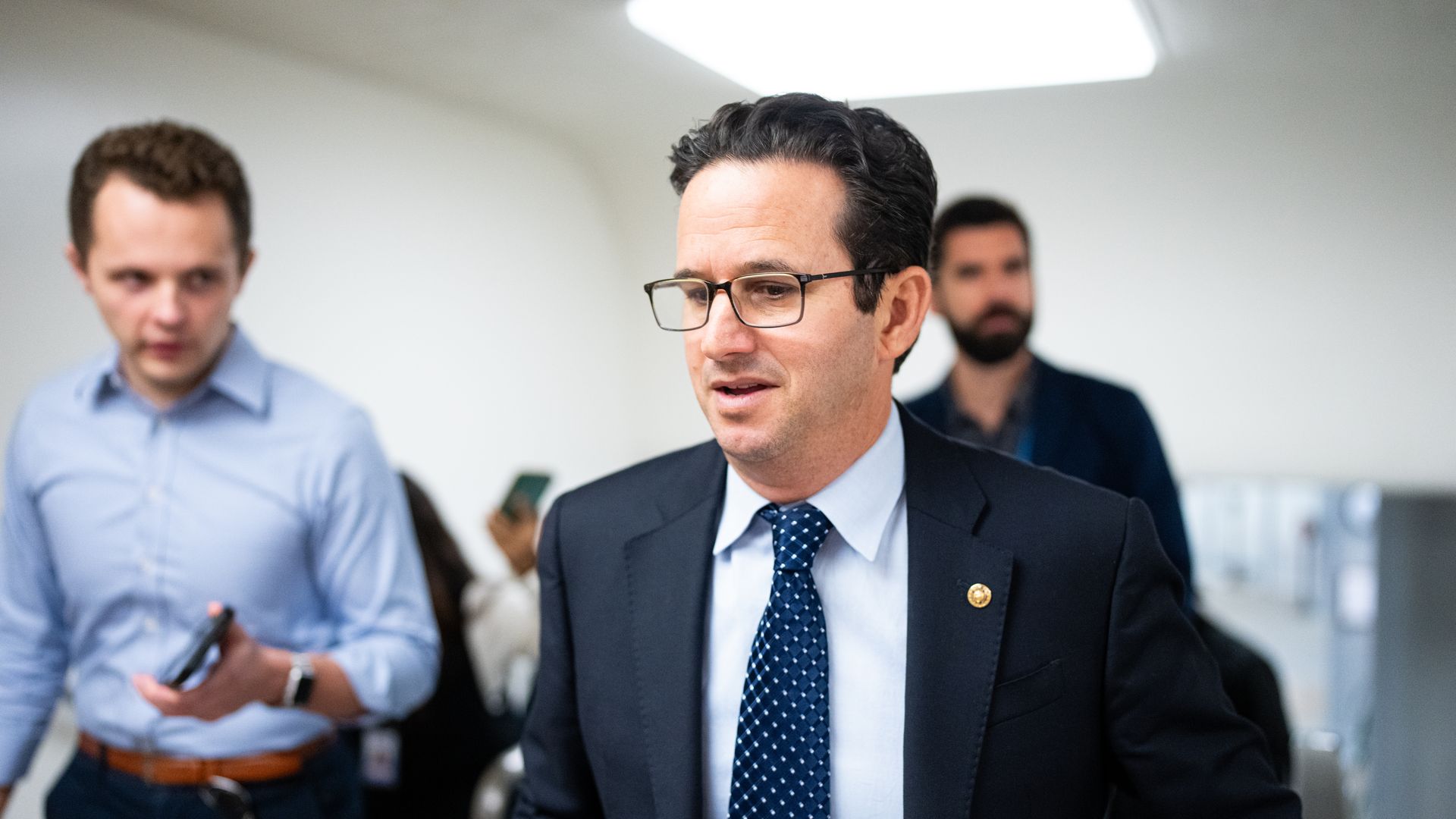
Sen. Brian Schatz (D-Hawai'i) is planning to introduce two AI labor bills in the coming months, his office exclusively told Axios.
Why it matters: Lawmakers are under increasing pressure to respond to fears that AI will upend the job market, and they're starting to throw out ideas for how to deal with it.
In repeatedly rebuffing takeover offers from Paramount Skydance, Warner Bros. Discovery's board managed to create one of Hollywood's most dramatic and lucrative bidding wars, ultimately elevating the company's stock price and leading to a $31-a-share deal with Paramount.
Why it matters: If the deal ultimately gets approved by regulators and goes through, Warner Bros. Discovery CEO David Zaslav will have cemented his legacy as one of the savviest media dealmakers of all time.
It was only a matter of time before a future-thinking CEO took the leap and replaced thousands of workers with AI.
Block's Jack Dorsey did just that Thursday, and Wall Street's standing ovation gives other CEOs permission, or even an incentive, to consider the same thing.
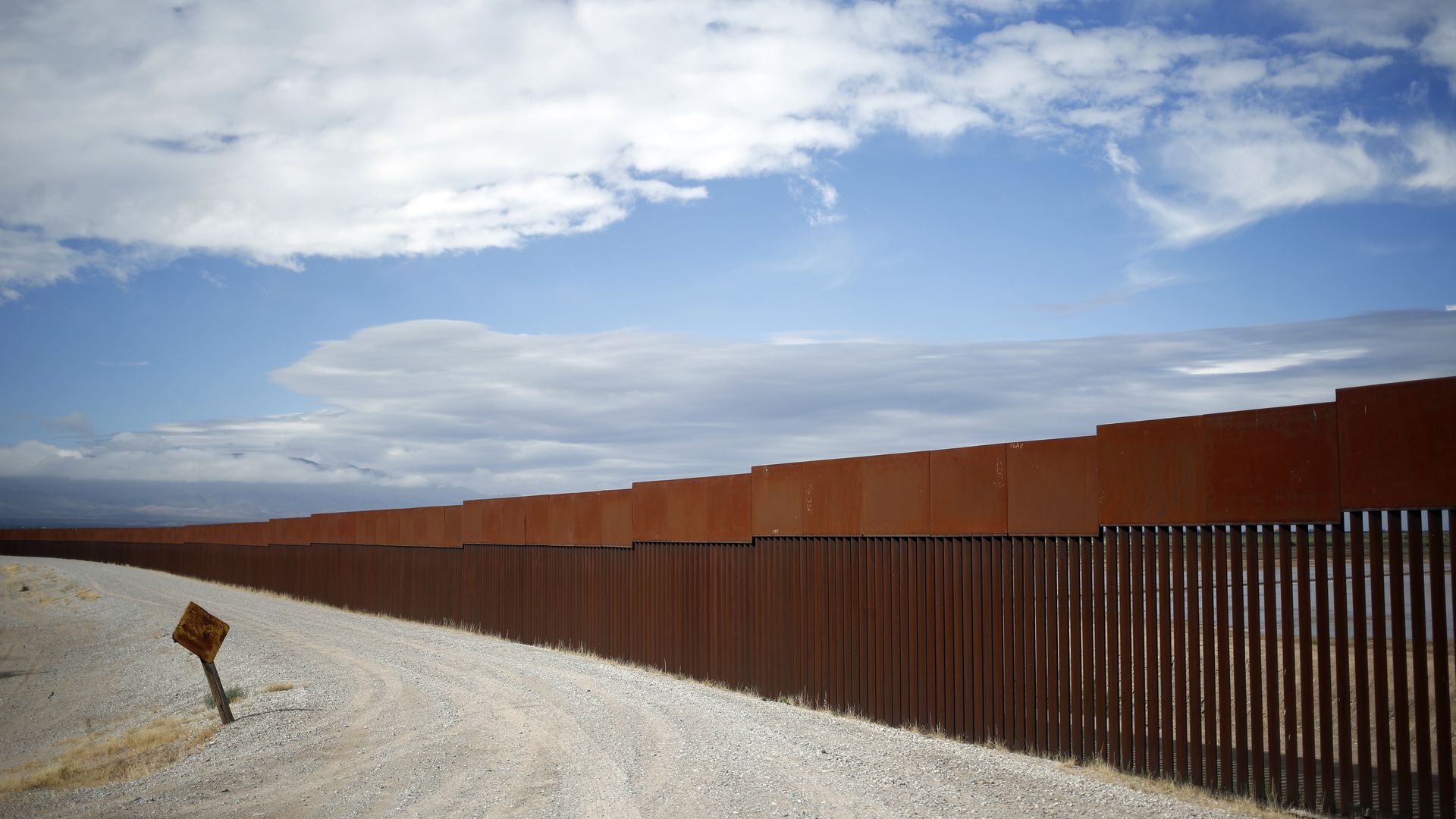
The Federal Aviation Administration prohibited flights in a Texas region near the border with Mexico after the Defense Department accidentally shot down a border patrol drone on Thursday, an administration official told Axios.
The big picture: Per an FAA notice, the agency issued airspace restrictions "for Special Security Reasons" after the Pentagon shot down the drone in the area around Fort Hancock, just over 50 miles southeast of El Paso — the scene of a similar airspace closure earlier this month.
Seven years ago, after my husband of 28 years died suddenly, I was sitting at my kitchen table with my not-quite-adult kids and my rabbi. I kept repeating, "What do I do now?" Rabbi Andy didn't know what I was asking — "You mean spiritually?"
No. I meant what do I actually do? How do I take care of this family?
More than 200 employees from Google and OpenAI have signed an open letter stating their solidarity with Anthropic in limiting the use of advanced AI for domestic surveillance or fully autonomous warfare.
Why it matters:The signatures could pressure Google and OpenAI to join Anthropic in drawing a line in the sand over what they won't allow governments— even the U.S. government—to do with their technology.
Netflix said Thursday that it won't raise its bid for Warner Bros. Discovery's streaming and studio assets, allowing Paramount Skydance to emerge as the winning bidder.
Why it matters: The statement came shortly after WBD's board announced that Paramount's revised bid of $31 per share was superior to its deal with Netflix.