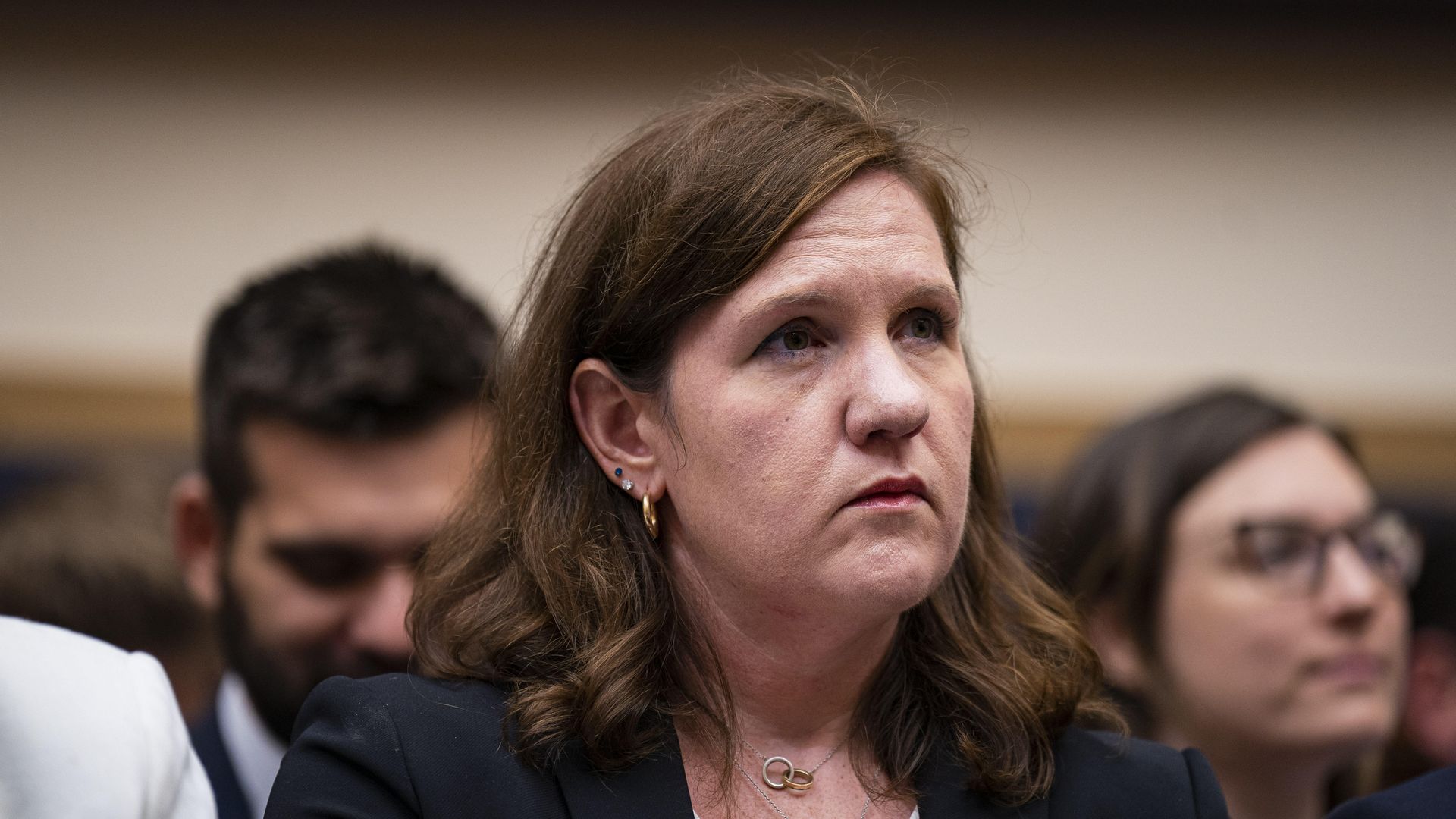
President Trump can remove Rebecca Slaughter from her role as Federal Trade Commission commissioner while the Supreme Court considers executive authority over independent agencies, the justices ruled in a majority decision on Monday.
Why it matters: The 6-3 ruling suggests the Supreme Court is poised to overturn a 90-year-old precedent that protects the heads of independent agencies from being fired by presidents when the justices hear arguments in the case in December.
Nvidia is investing up to $100 billion in OpenAI, creating a powerful alliance in the ballooning AI economy.
Why it matters: Nvidia is the world's most valuable company, with a dominant position in the chips powering the AI revolution, and OpenAI is the innovating force behind market leader ChatGPT.
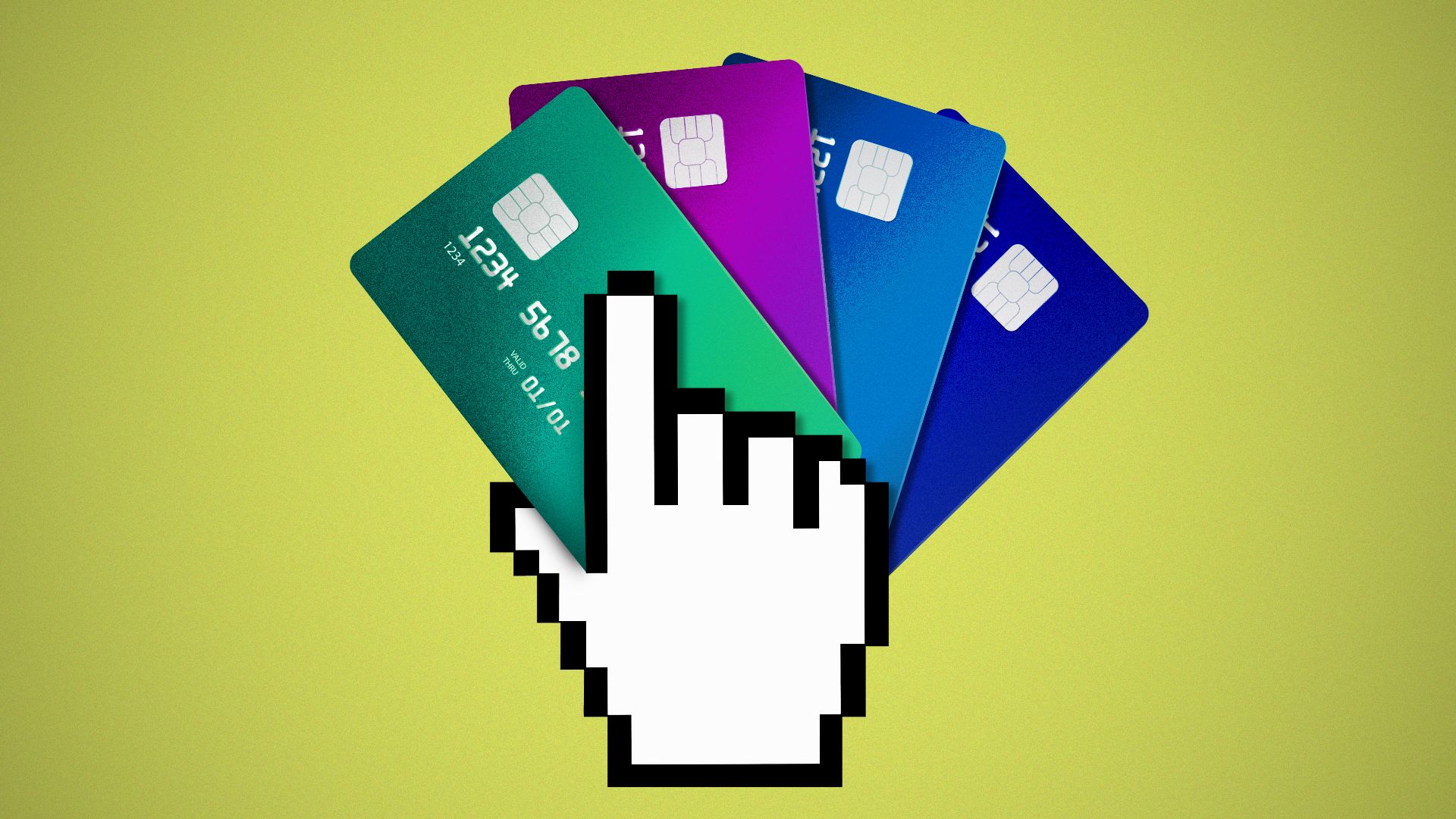
Cardless, a San Francisco-based branded credit card platform, raised $60 million in Series C funding led by Spark Capital.
Why it matters: The long-term bet is that all consumer financial services will mimic credit cards, in that they'll be branded by non-bank businesses and offer loyalty rewards.
The media landscape is undergoing a massive transformation as the AI era begins, streaming industry matures and political environment grows more divided.
Zoom in: In a new, exclusive report for Media Trends Executive members, we walk through the state of the media ecosystem and the major trends transforming the market.
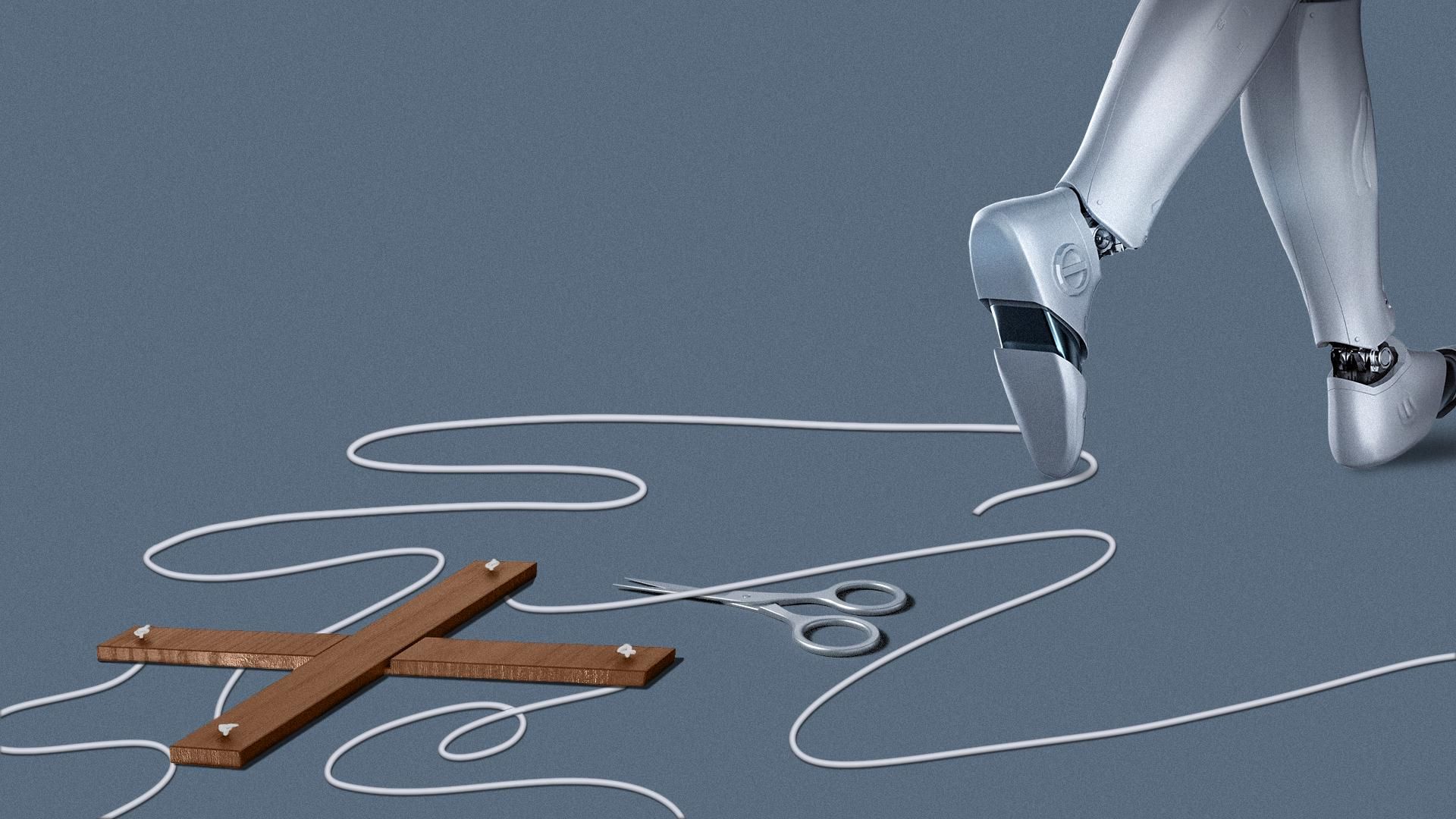
Google DeepMind said Monday it has updated a key AI safety document to account for new threats — including the risk that a frontier model might try to block humans from shutting it down or modifying it.
Why it matters: Some recent AI models have shown an ability, at least in test scenarios, to plot and even resort to deception to achieve their goals.
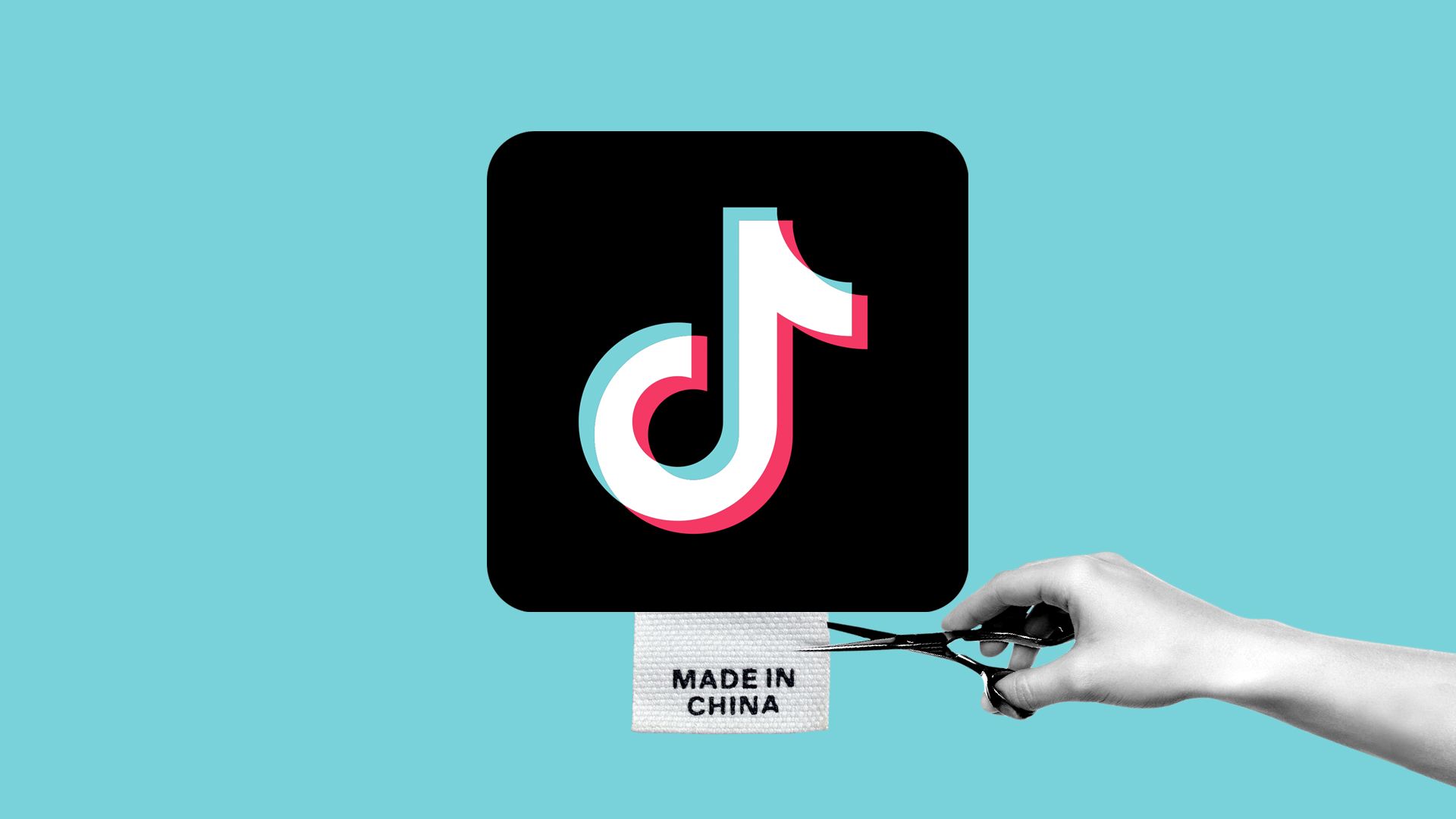
TikTok's new U.S. entity would lease its algorithm from Chinese owner ByteDance under the terms of a proposed deal between the U.S. and China, a senior White House official tells Axios.
Why it matters: There had been some talk that ByteDance would be required to sell the algorithm in order to satisfy a 2024 law that demands TikTok be controlled by Americans or face a ban.
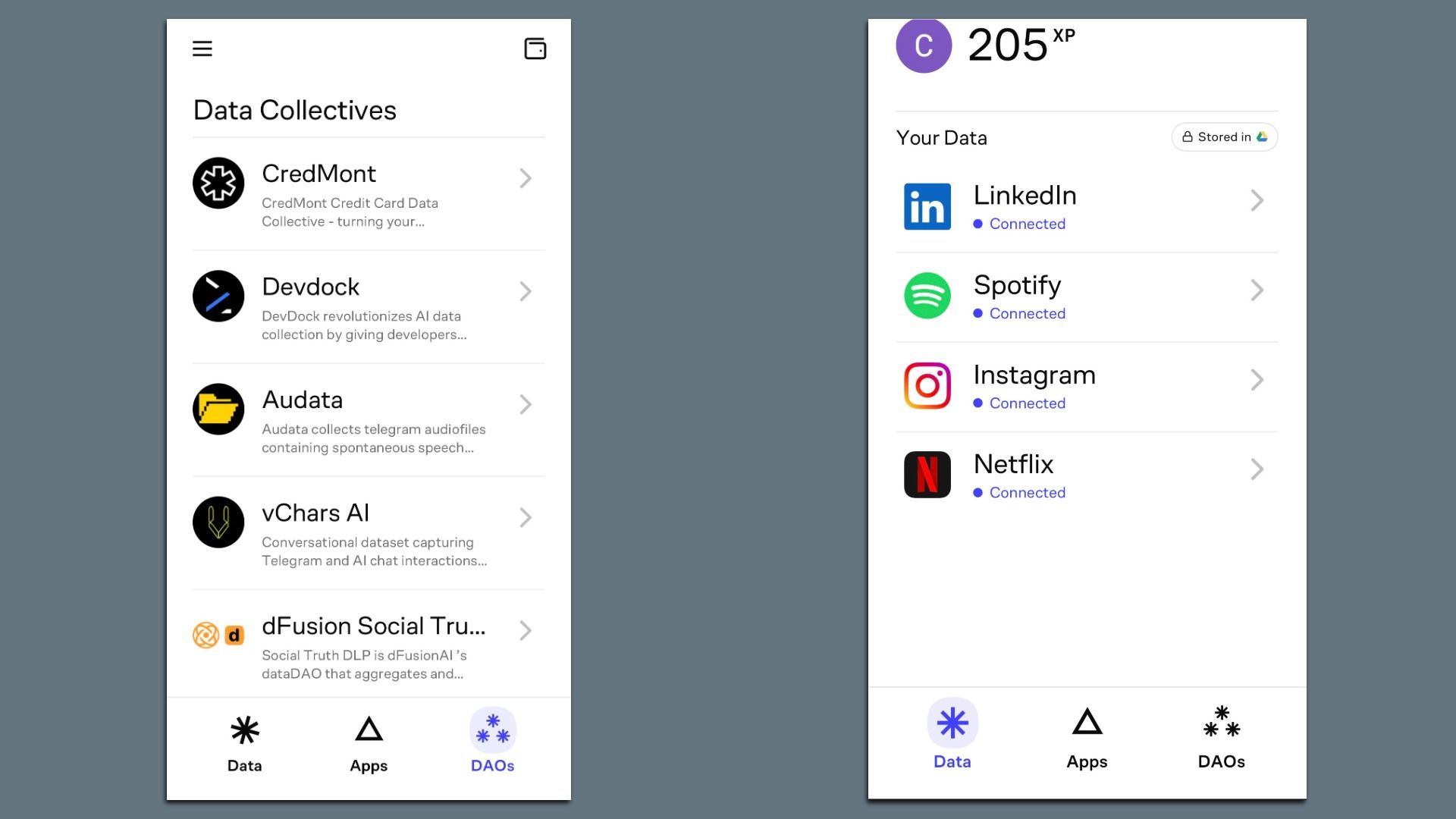
Vana, a startup spun out of MIT, is rolling out an app that works like a wallet for personal data that can be used to train AI.
Why it matters: Vana hopes people will use the app to control and pool their own data with others, shape how it's used and share in the value it creates.
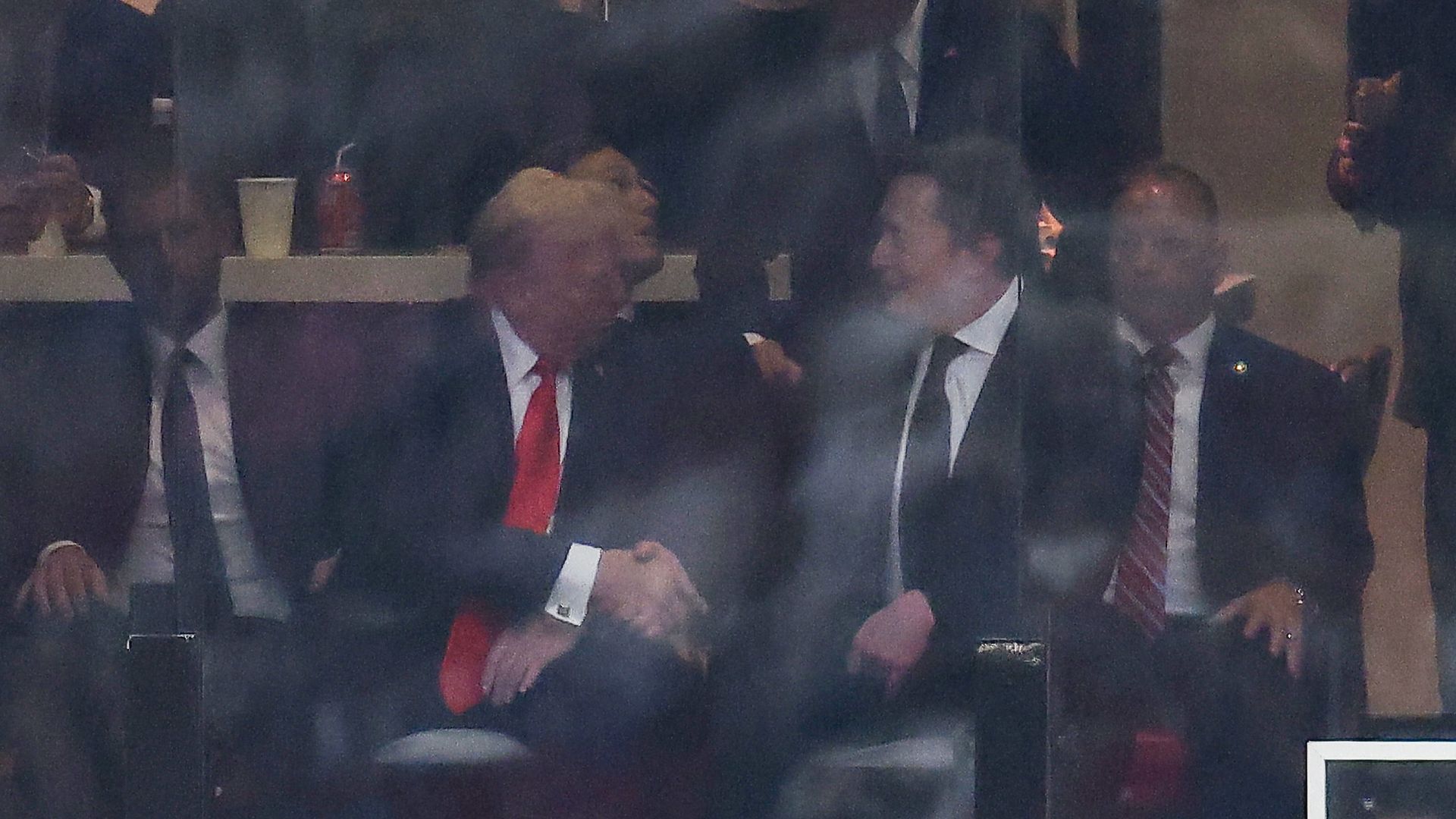
President Trump and Tesla CEO Elon Musk met during Charlie Kirk's memorial service Sunday in Arizona, some three months after their public falling out.
The big picture: Two of the world's most powerful people were once close allies, but fell out over Trump's "big, beautiful bill," after Musk attacked the president's signature law — prompting the president to suggest he could cancel his former adviser and biggest political donor's government contracts.
Media moguls Rupert and Lachlan Murdoch and tech entrepreneur Michael Dell are expected to be among the U.S. investors who would be part of the potential deal for TikTok, President Trump claimed on Sunday.
Why it matters: The exact terms and timing remain unknown, but it's becoming clearer that the process to bring a version of TikTok under U.S. control is at least advancing.
While policymakers and headlines have traditionally zeroed in on Instagram, Facebook, YouTube, TikTok and X, young people are increasingly gathering on gaming platforms — and having conversations that are typically anonymous and largely invisible to the outside world.
Why it matters: Spaces like Discord, Roblox and Steam — built for gamers to connect — have evolved into the social discourse hubs where authentic interactions happen, as mainstream apps chase virality instead.
Lockheed Martin's clandestine Skunk Works division is developing a drone wingman known as Vectis, designed for surveillance, electronic warfare, precision strikes and aerial combat.
Why it matters: Public rollouts from such a secretive group are rare.
Its emergence Sunday — ahead of an annual defense conference just outside of Washington — is no mistake.