Media moguls Rupert and Lachlan Murdoch and tech entrepreneur Michael Dell are expected to be among the U.S. investors who would be part of the potential deal for TikTok, President Trump claimed on Sunday.
Why it matters: The exact terms and timing remain unknown, but it's becoming clearer that the process to bring a version of TikTok under U.S. control is at least advancing.
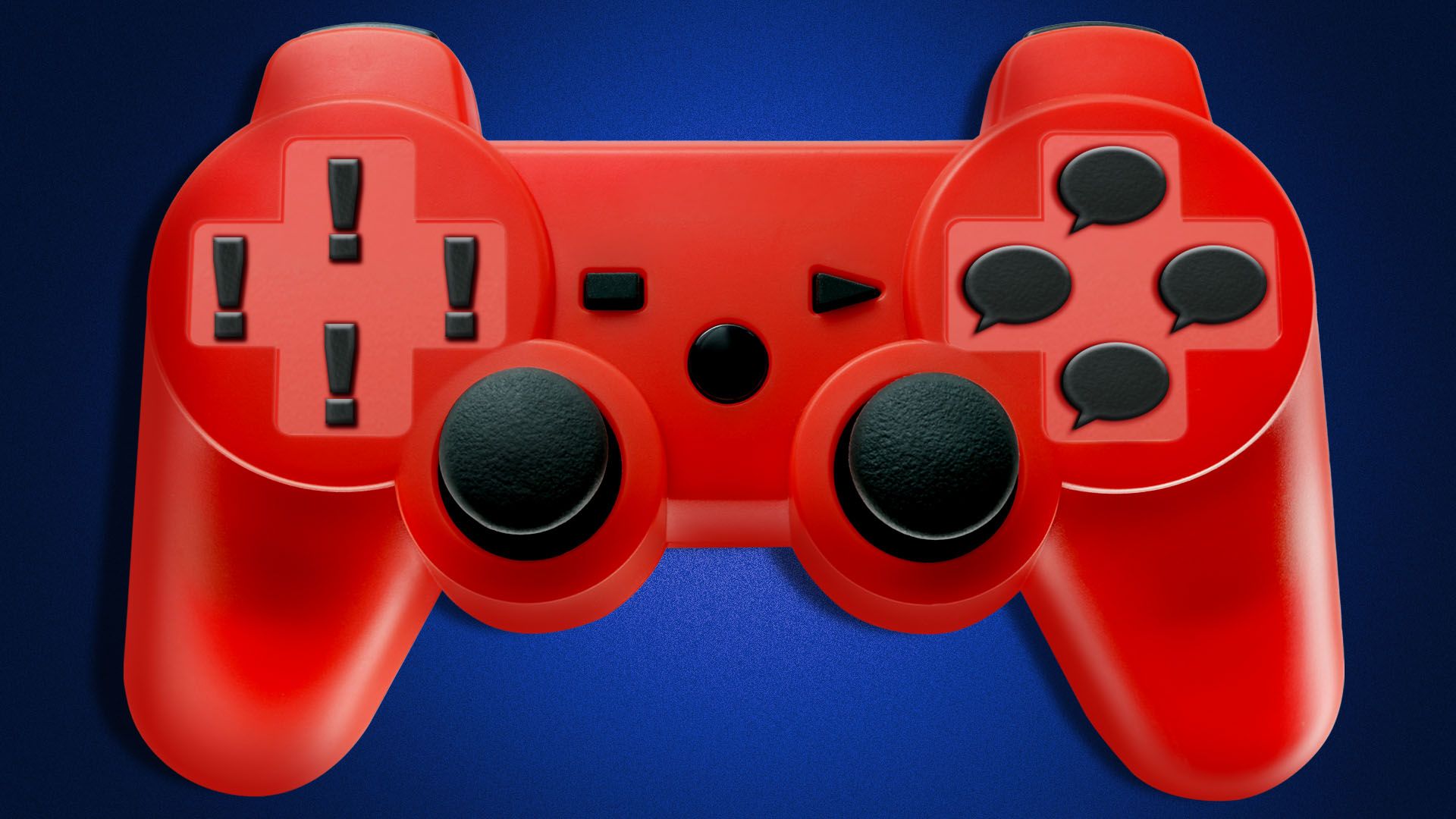
While policymakers and headlines have traditionally zeroed in on Instagram, Facebook, YouTube, TikTok and X, young people are increasingly gathering on gaming platforms — and having conversations that are typically anonymous and largely invisible to the outside world.
Why it matters: Spaces like Discord, Roblox and Steam — built for gamers to connect — have evolved into the social discourse hubs where authentic interactions happen, as mainstream apps chase virality instead.
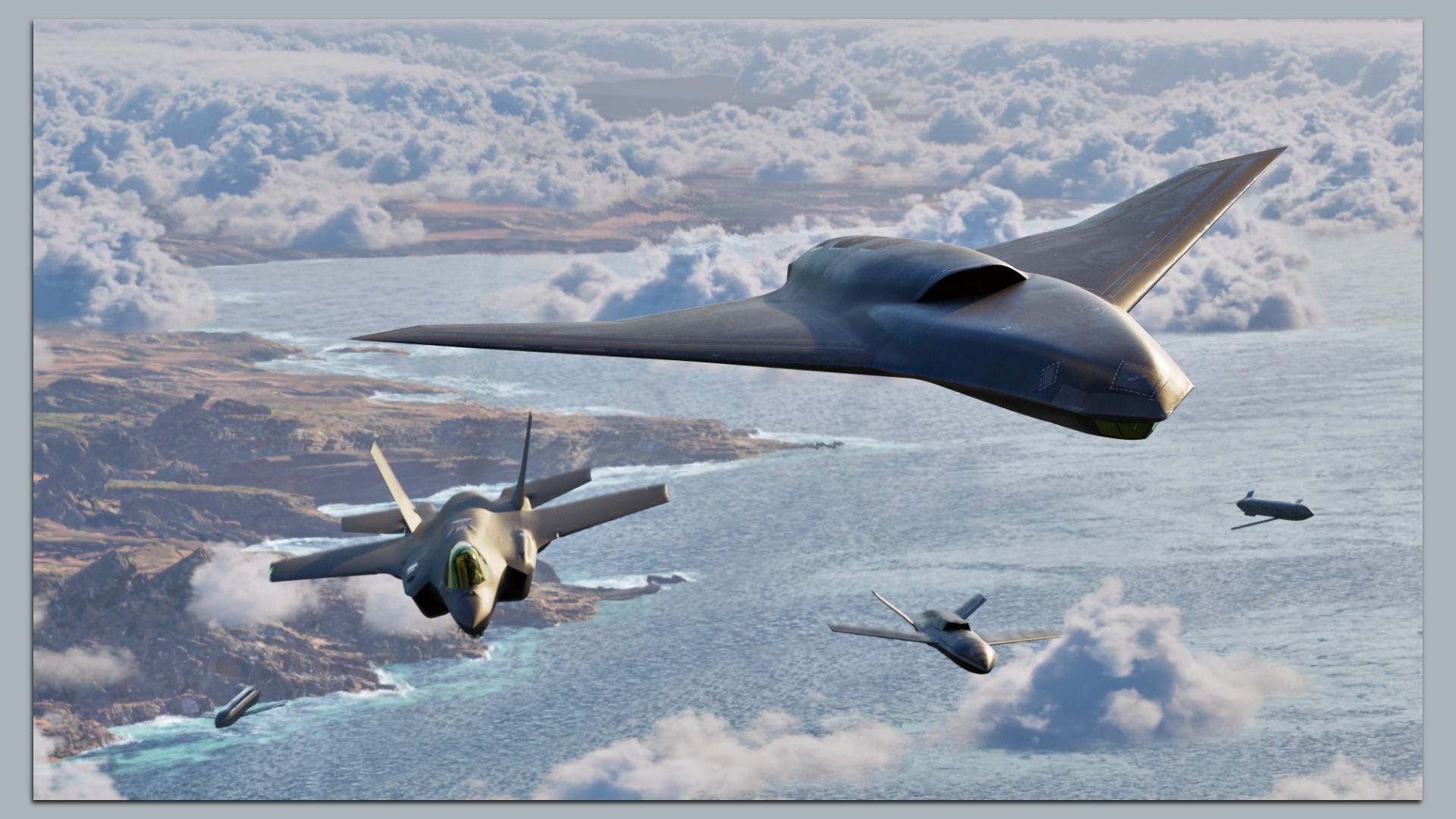
Lockheed Martin's clandestine Skunk Works division is developing a drone wingman known as Vectis, designed for surveillance, electronic warfare, precision strikes and aerial combat.
Why it matters: Public rollouts from such a secretive group are rare.
Its emergence Sunday — ahead of an annual defense conference just outside of Washington — is no mistake.
A deal to bring TikTok's U.S. platform under American ownership is done and should be signed soon, with domestic control of the app's crown-jewel algorithm, White House press secretary Karoline Leavitt said Saturday.
Why it matters: While the White House said Friday a deal was done, Chinese officials gave mixed messages, and the app's fate was left uncertain.
Soaring investment in artificial intelligence, and the infrastructure that makes it possible, is driving economic growth and a booming stock market — but not demand for human workers.
The big picture: The job market is teetering despite — and perhaps in part because of — the onset of advanced AI. A core political question for the coming years will be what, if anything, government ought to do about it.