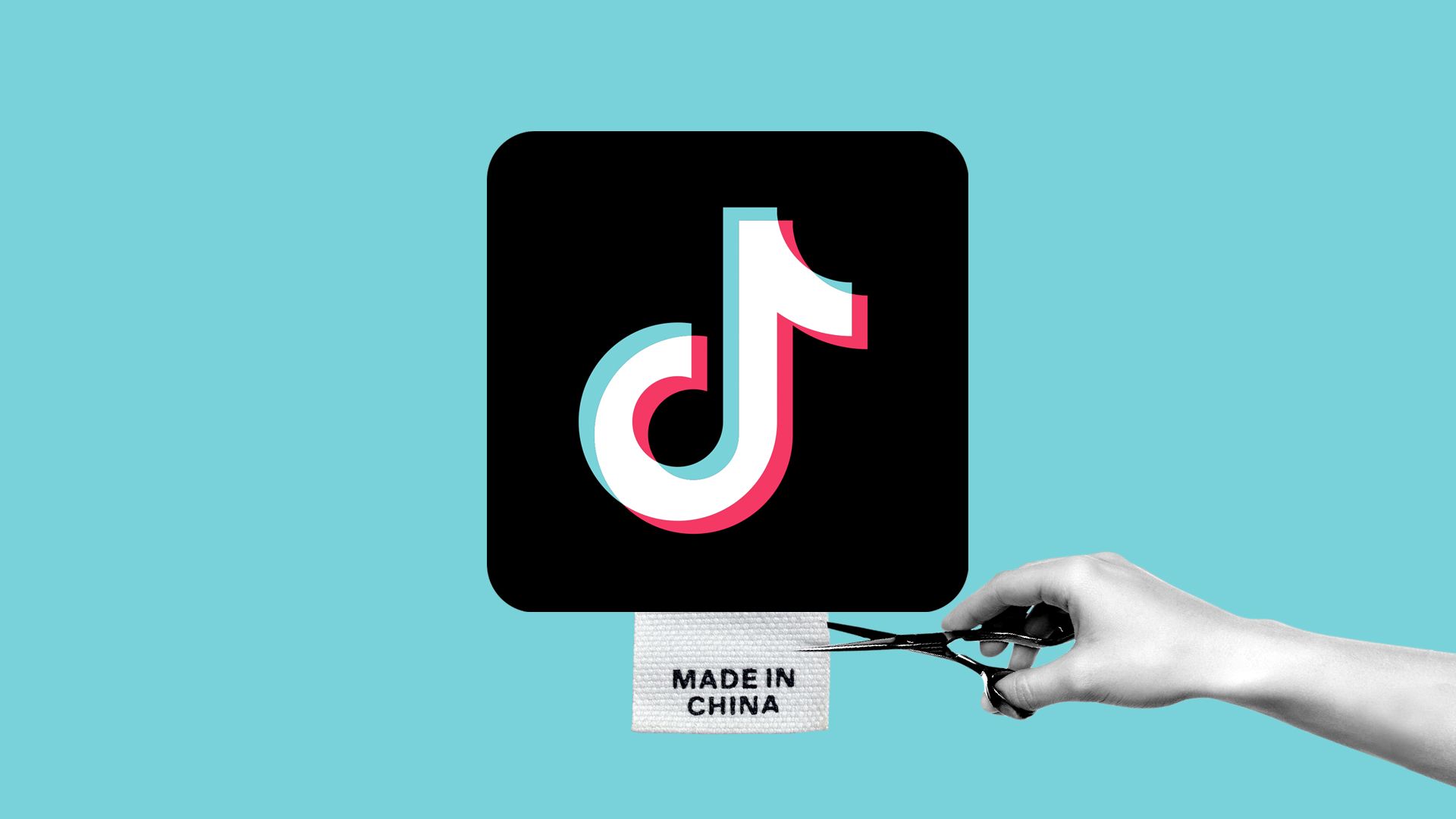
A deal to bring TikTok's U.S. platform under American ownership is done and should be signed soon, with domestic control of the app's crown-jewel algorithm, White House press secretary Karoline Leavitt said Saturday.
Why it matters: While the White House said Friday a deal was done, Chinese officials gave mixed messages, and the app's fate was left uncertain.
Soaring investment in artificial intelligence, and the infrastructure that makes it possible, is driving economic growth and a booming stock market — but not demand for human workers.
The big picture: The job market is teetering despite — and perhaps in part because of — the onset of advanced AI. A core political question for the coming years will be what, if anything, government ought to do about it.
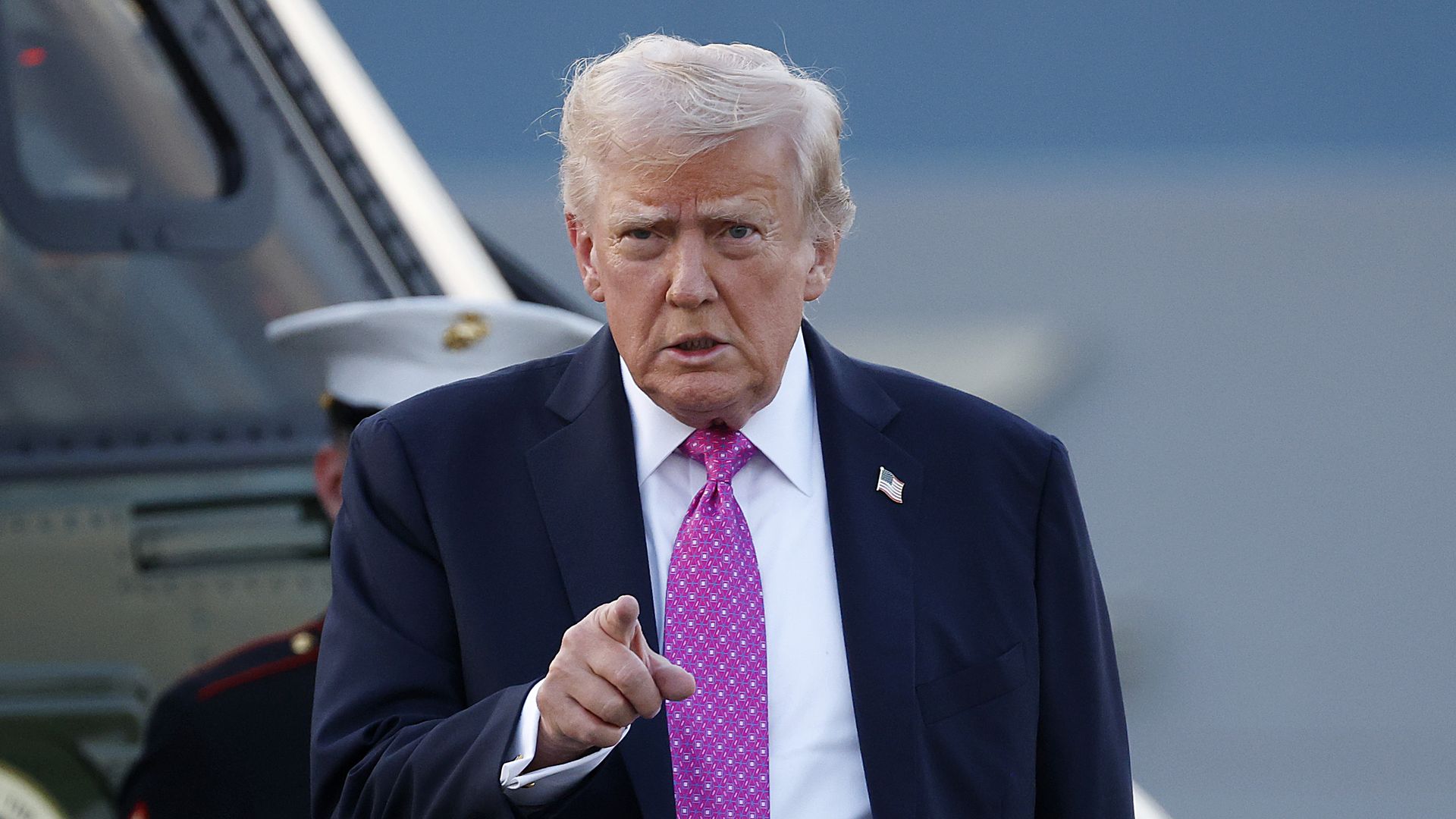
President Trump announced that highly-skilled workers hoping to work in America will now have to pay a $100,000 fee to receive an H-1B visa, multipleoutlets reported.
Why it matters: H-1B visas divide Trump's MAGA coalition, with some arguing foreign employees displace American workers while business leaders like Elon Musk view them as vital to America's tech dominance.
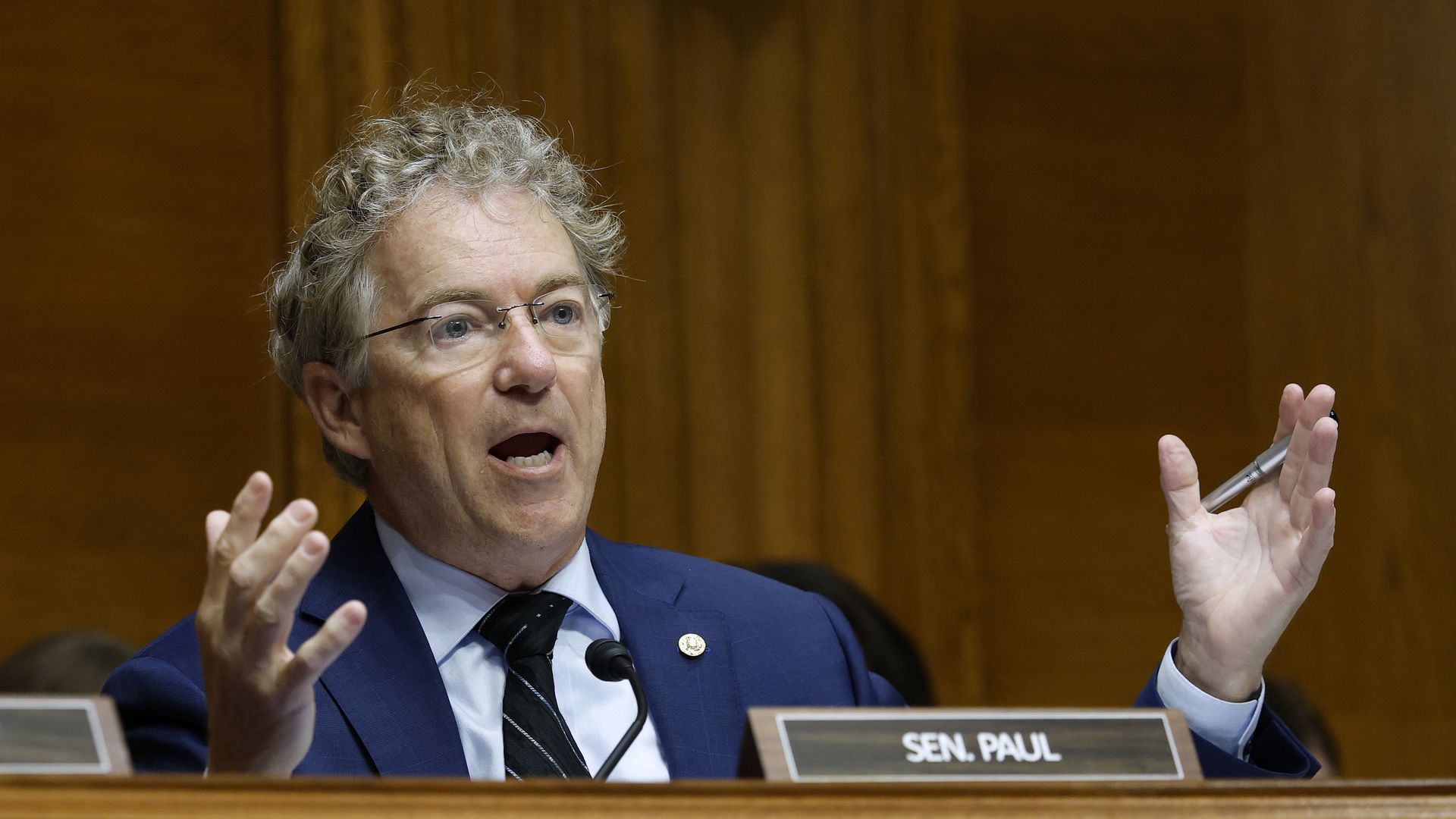
A key cybersecurity law with broad bipartisan backing is in danger of expiring because of last-minute demands from Sen. Rand Paul (R-Ky.), who seems reluctant to engage with the private sector or other committee members on the issue, congressional aides from both parties tell Axios.
Why it matters: The authorities that expire in late September underpin most information sharing on cyber threats between the private sector and the U.S. government. If they lapse, that trading of information could cease next month, lawmakers and private sector executives have warned.
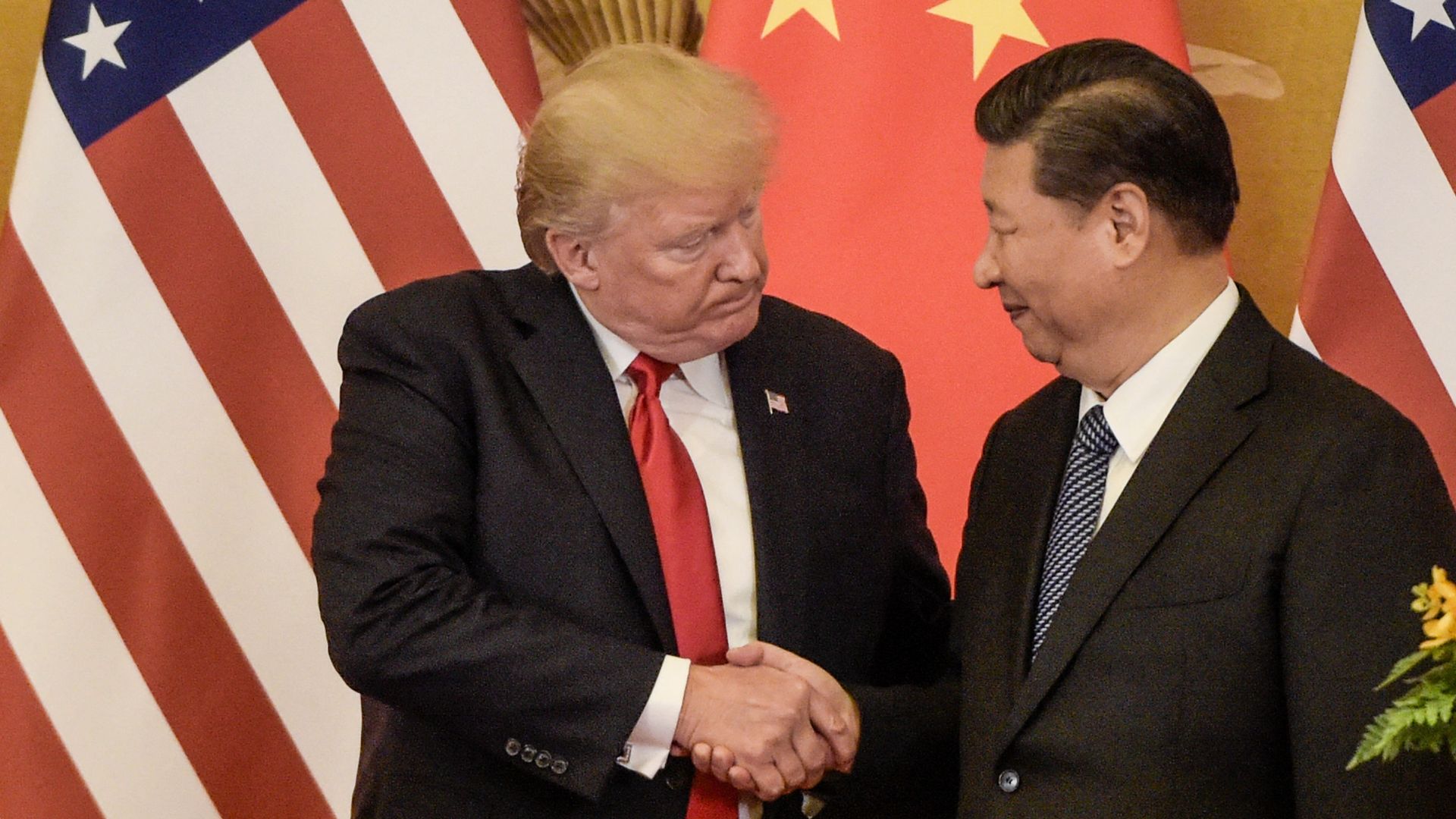
President Trump and Chinese leader Xi Jinping spoke about a TikTok deal Friday, but details on the social media platform's U.S. future remain unclear.
Why it matters: It's not 100% certain what the deal under discussion entails, though reports have suggested U.S. investors would control most of a new entity with a new app.
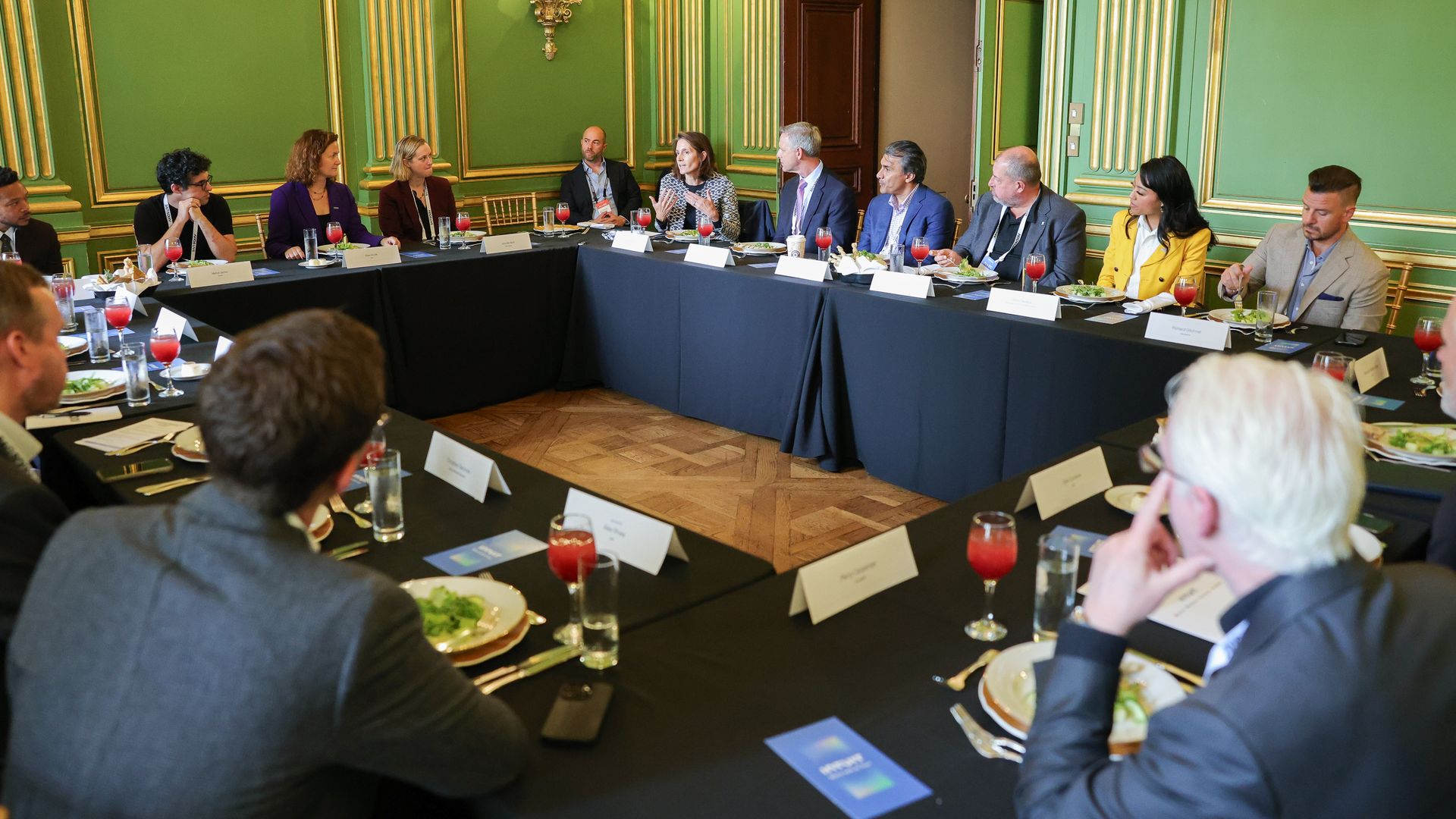
WASHINGTON, D.C. – Small businesses see big potential in AI, but getting the most return on investment depends on model quality, trust and safety, tech and business leaders said.
Axios' Scott Rosenberg and Nathan Bomey moderated the roundtable discussion in Washington, D.C., on Sept. 17. The event was sponsored by Intuit.
Why it matters: AI can be a force multiplier for small- and midsize businesses (SMBs), allowing them to automate processes and operate more effectively.
5 big takeaways from the conversation:
SMBs jumping straight to customer-facing, rather than testing AI on internal operations to iron out the kinks first, could see a lower rate of return, UCLA chief data and AI officer Chris Mattmann said.
Automation is the payback most businesses are interested in, but it's still in the early stages, Veris AI CEO Mehdi Jamei said. "There's exhaustion from trying different tools that promise but don't deliver. … We need another six to 12 months from the technology side to be sure enough for people to see the actual advantage right now."
People have FOMO, so they want to use AI models that are ready to go, AI Squared VP of federal technology Napoleon Paxton said. "Large language models, ChatGPT shows … we can actually get into production-like things and not think about all the complexity."
Large enterprise software companies will need to build a trust layer between data and AI agents to gain buy-in from SMBs, Salesforce global public sector EVP Paul Tatum said. "What's interesting with these large language models is…they're non-deterministic. … The more guardrails you give them, the more confused and frustrated they get."
A national privacy standard "can go a long way" in establishing a foundation for data management practices, said Ashley Berrang, the Information Technology Industry Council's EVP of public affairs. It could also help small businesses that lack the resources to manage the patchwork of state laws across the country.
Sponsored content:
Intuit chief privacy officer Elise Houlik highlighted that during this time of AI innovation, small businesses need to ensure they have "access to good, quality tools that can help them."
Betting on Nvidia's chosen partners has been a winning trade: Stocks like CoreWeave, Nebius Group and, now, Intel, have soared anywhere from 47% to 370% in the past year.
Why it matters: It pays to follow the money, in this case, Nvidia CEO Jensen Huang's money specifically.
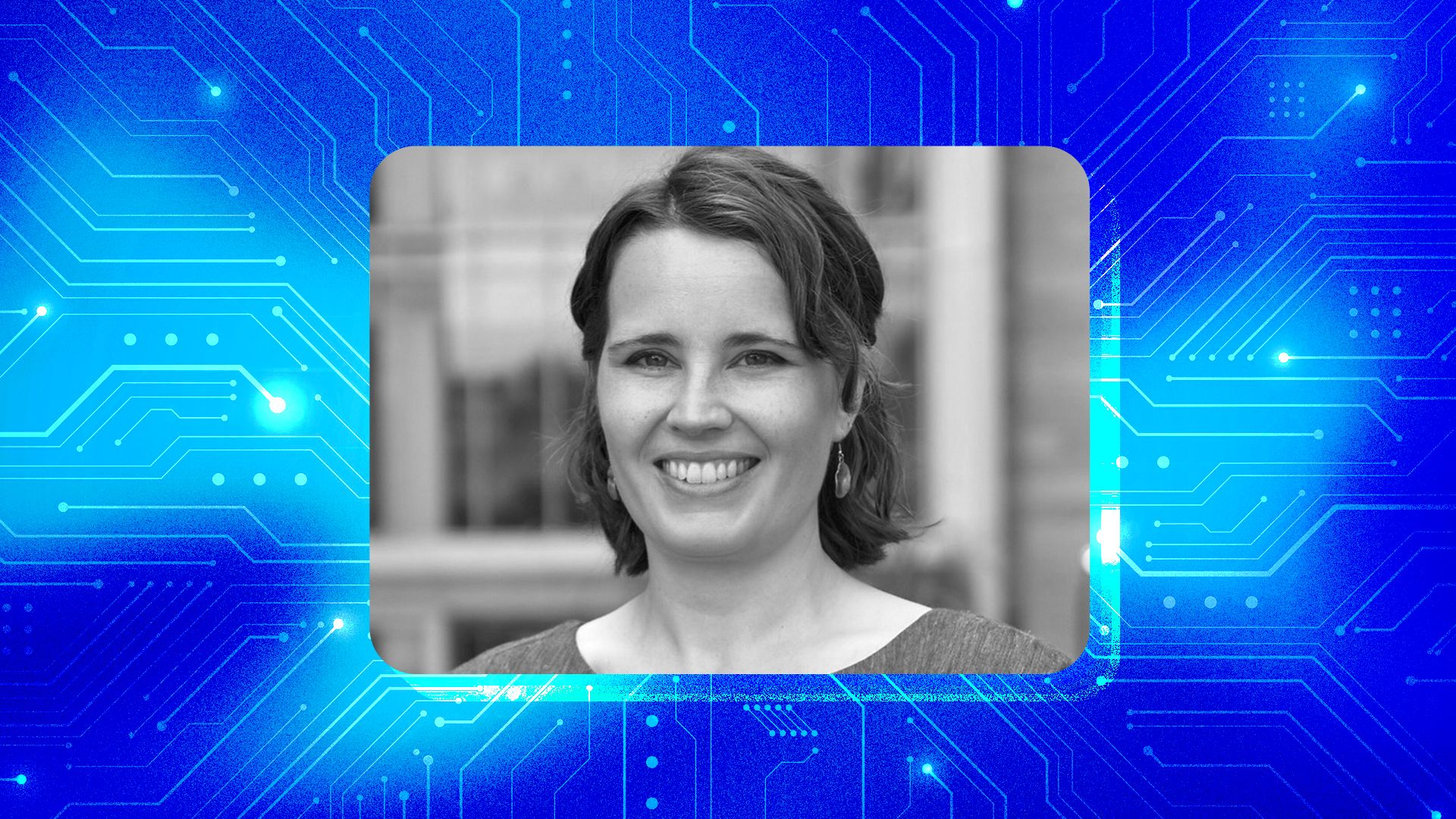
Helen Toner, who made waves in the AI world as one of the leaders of the failed effort to oust OpenAI's Sam Altman, is taking the helm of a major D.C. tank tank aimed at engaging policymakers on the "fierce debates" around AI.
The big picture: Toner was recently appointed as the interim executive director of Georgetown University's Center for Security and Emerging Technology, which she says is diving deep into what AI "means for society."
With the midterms just over a year away, Democrats are sharpening an AI message focused on how the technology could widen economic divides and harm workers.
Why it matters: Democrats did little to put guardrails on AI when they had control of Congress. They're now decrying Republicans' hands-off approach to regulation and coming up with messaging of their own.
Companies like Google should pay up front for their patent applications as AI supercharges the work of inventors, Google general counsel Halimah DeLaine Prado told Axios in an interview.
Why it matters: Google issending a signal to John Squires, the newly confirmed leader of the U.S. Patent and Trademark Office.