Wednesday's technology stories

The Super Mario "glitch" that started it all

Super Mario Bros is getting some flowers for its 40th anniversary — especially for pioneering mainstream gaming hacks.
The big picture: A simple coding error led to one of the most famous secrets in '80s gaming, BBC notes, inspiring players to uncover dozens more glitches in the years after.

Axios House: Chip factories recycle tiny fraction of water, Ecolab CEO says

NEW YORK – Less than 5% of water used in chip manufacturing is recycled, Ecolab chair and CEO Christophe Beck said Tuesday at Axios House at Climate Week and the UN General Assembly.
Why it matters: Water is used throughout chip production at manufacturing plants that can span a mile or more, so innovations in reducing the amount needed and recycling wastewater are highly sought.
- Axios' Amy Harder and Ben Geman hosted conversations with Beck and Amazon chief sustainability officer Kara Hurst at the Sept. 23 event. The event was sponsored by Salesforce.
What they're saying: "What we've done as a company is to invent technologies where you can reuse water at every step of that process," Beck said.
- The water has to be "1,000 times more pure than the water you use for drugs that you inject in your blood."
Separately, Hurst shared how she thinks emissions cuts enabled by AI can surpass emissions growth from the increase in data centers' energy demand.
- "Right now, people are talking about it as if it won't happen, and I do think it will happen," Hurst said.
- "If we really take the opportunity to think about AI as a tool we can use for good, and we think about all of the use cases for AI – it will increase energy demand," Hurst said. "However, we have to use it as a tool for our benefit and think about all of the possibilities that we can apply it to sustainability use cases."
- "There's a huge possibility when you think about the implications for what we will yet invent, and I'm actually really optimistic about it."
AI has already helped Amazon streamline packaging decisions and create tools like its "customer fit" to help consumers choose clothing sizes, Hurst said.
- "That means less product returned to us, less reverse logistics and of course less environmental" impact, she said. "So it doesn't have to be sustainability out in front to the customer. We know it is, but for the customer, a better experience."
Sponsored content:
In a View From the Top conversation, Salesforce's Sunya Norman, SVP of impact, and Margaret Taylor, VP and head of public affairs and strategic relations, discussed how the future of AI depends on sustainability.
- AI "requires energy and water and natural resources," Norman said. "So, really, the future of AI is sustainable AI. That's how we're going to figure out how to scale AI responsibly." Norman added that the tech sector needs to lead this change, but that it's "a full value chain challenge."

DHS faces backlash from Theo Von, Pokémon over social media posts

Use of video clips from Nintendo's Pokémon and comedian Theo Von has prompted a new round of backlash for the Department of Homeland Security after the federal agency included them in social media posts without permission.
The big picture: DHS has repeatedly leaned on memes and internet culture to promote immigration policy — a strategy that has drawn criticism from rights holders and advocates.

Exclusive: TerraPower CEO says hyperscalers are leading nuclear deals
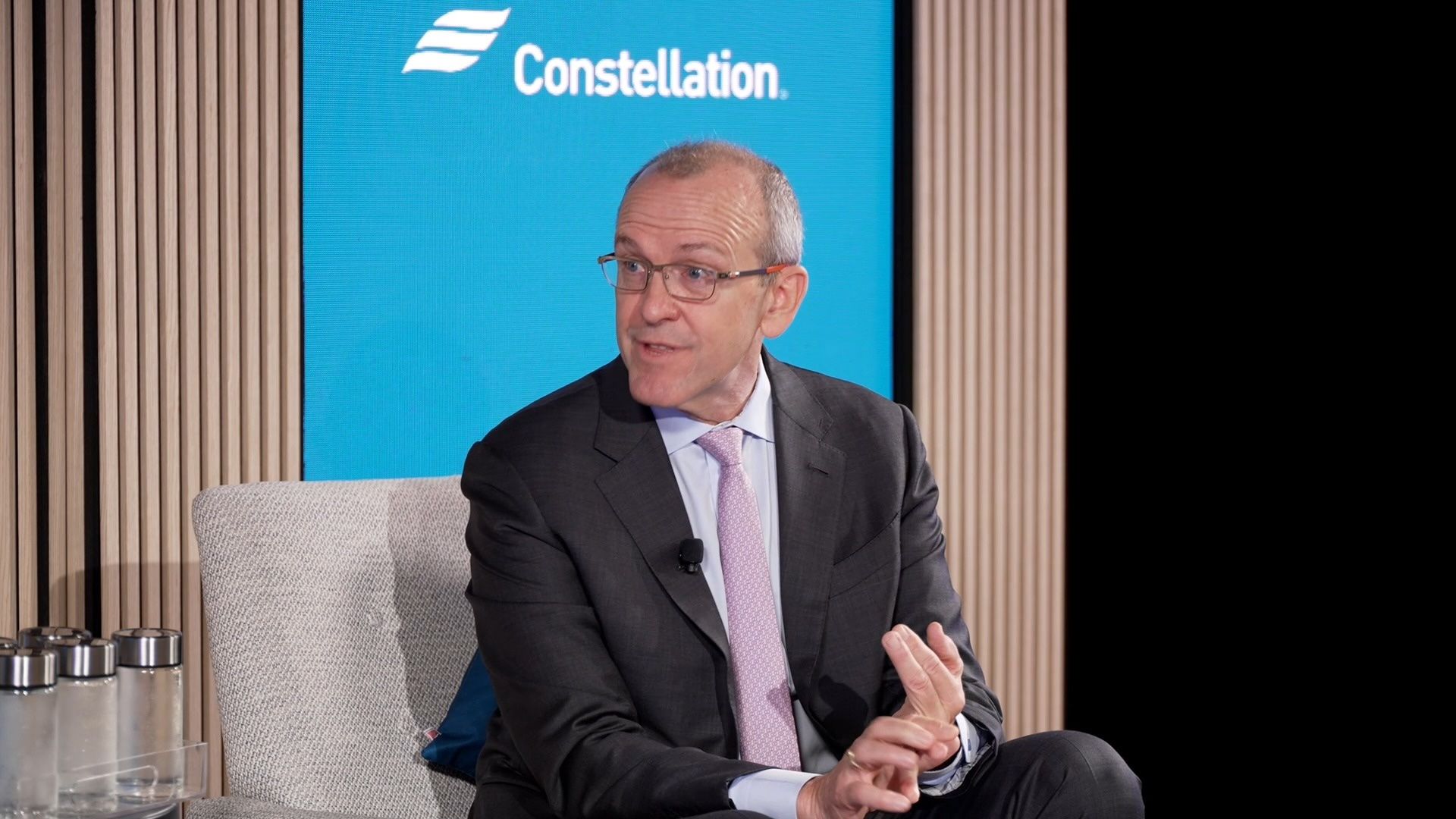
The nuclear renaissance in the U.S. will need to be financed by a combination of the federal government, private investors and hyperscalers paying premiums for power, TerraPower's CEO Chris Levesque said Wednesday at an Axios House event at Climate Week NYC.
Why it matters: The U.S. needs new power for soaring electricity demand, but traditional nuclear plants have been prohibitively expensive.
Zoom in: Levesque said the first U.S. nuclear facilities were paid for by his parent's generation with raised rates, but "we can't do that again."
- In new nuclear deals, hyperscalers — data center companies that deliver large amounts of computing power to customers — will draft a 20 or 25-year power purchase agreement and pay a premium for the first 20 years of plant output, said Levesque.
- That kind of premium "alleviates the burden on the ratepayer. That's going to be the new structure we're looking at in these deals," said Levesque.
- "It's great that nuclear energy is getting so much attention now, but we don't worry about the technology being ready or the demand being there. It's a very capital intensive business to deploy these first plants," said Levesque.
Catch up quick: TerraPower has developed a nuclear reactor design that uses liquid sodium as a coolant instead of water, which the company says lowers costs.
- This summer, the company closed $650 million from investors including Nvidia's VC arm, Bill Gates and HD Hyundai, and before that raised over $1 billion.
Driving the news: On Tuesday, TerraPower announced an agreement with Evergy and the state of Kansas to explore deploying TerraPower's reactors in Evergy's territory.
- "The key part of the story there is an advanced reactor being embraced by traditional nuclear energy companies," said Levesque on stage.
- "More and more mainstream utilities . . . are seeing that if we're going to get back into nuclear energy, we're going to have to get into new technology," said Levesque.
The bottom line: Nuclear is expensive, and advanced reactors need a novel combination of partners to get it deployed.

White House seeks equity stake to close lithium finance deal

The Trump administration wants a small equity stake in Lithium Americas as it renegotiates the company's $2.26 billion Energy Department loan for the Thacker Pass project in Nevada, a White House official said Tuesday.
- Reuters first reported the proposal.

Exclusive: Blue Water picks Conrad for drone-ship production
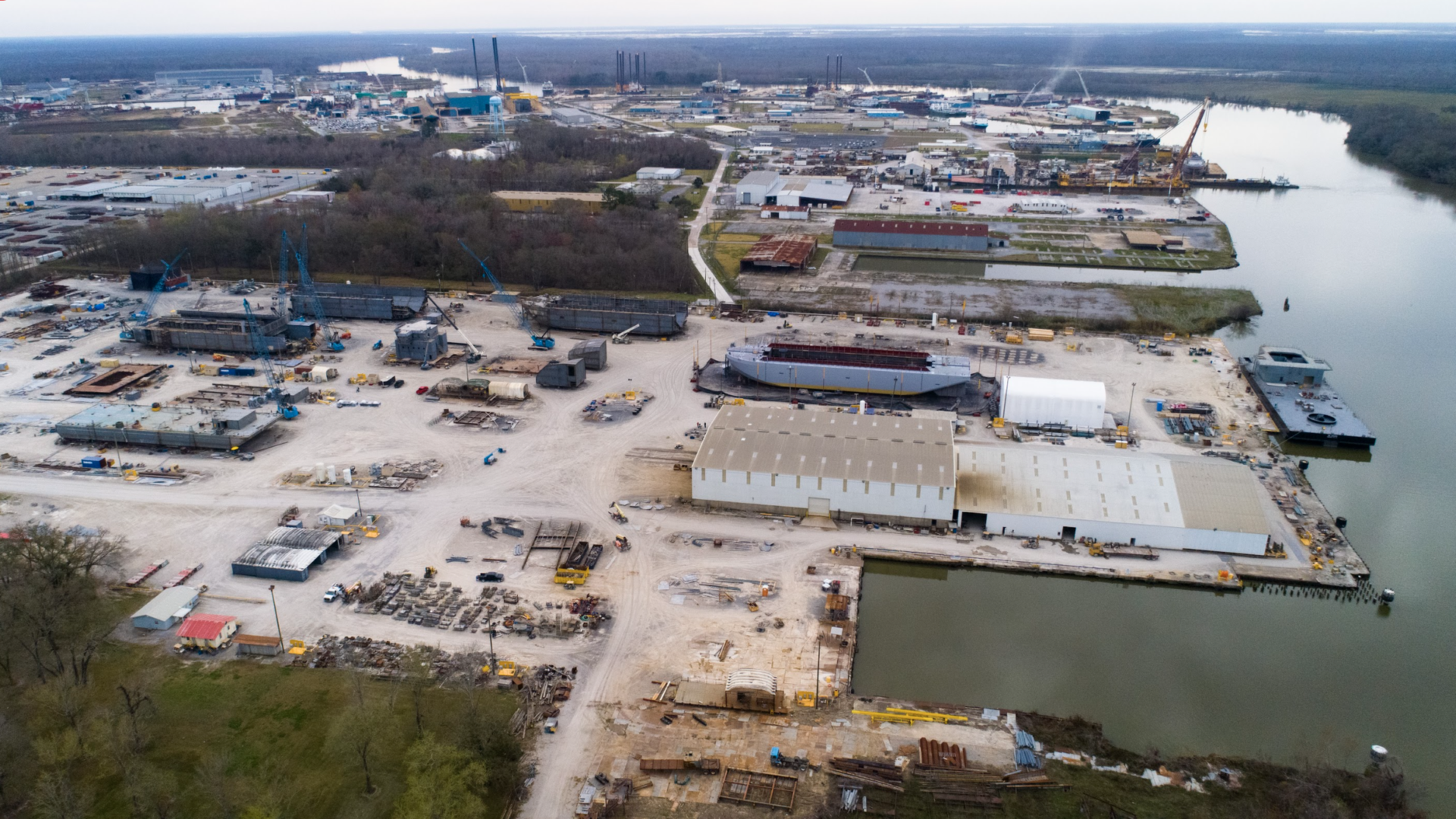
Massachusetts-based startup Blue Water Autonomy picked Louisiana's Conrad Shipyard to build its unmanned autonomous ships, with the first expected to hit the water next year.
Why it matters: The production deal sits at the intersection of two do-or-die issues for the U.S. Navy:
- The revitalization of stateside shipbuilding at a time of Chinese dominance.
- The pursuit of a hybrid fleet that augments sailors and Marines alike.

Exclusive: CEOs launch AI adoption campaign

A host of CEOs on Wednesday will launch an ad campaign to push companies, governments and other organizations to speed up their efforts to adopt AI.
Why it matters: Governments around the world are looking for guidance on how to build AI-driven economies, and the Business Software Alliance — the industry group behind the campaign — is looking to influence policymakers' approach in the U.S. and abroad.

AI "workslop" sabotages productivity, study finds

AI is supposed to make work easier, but instead it has generated a new problem: "workslop."
Why it matters: The term, coined by researchers in the latest Harvard Business Review, describes low-quality AI-generated content — memos, reports, emails — that's clogging up employees' lives and wasting their time.

Trump slams Kimmel's return: "We're going to test ABC out on this"
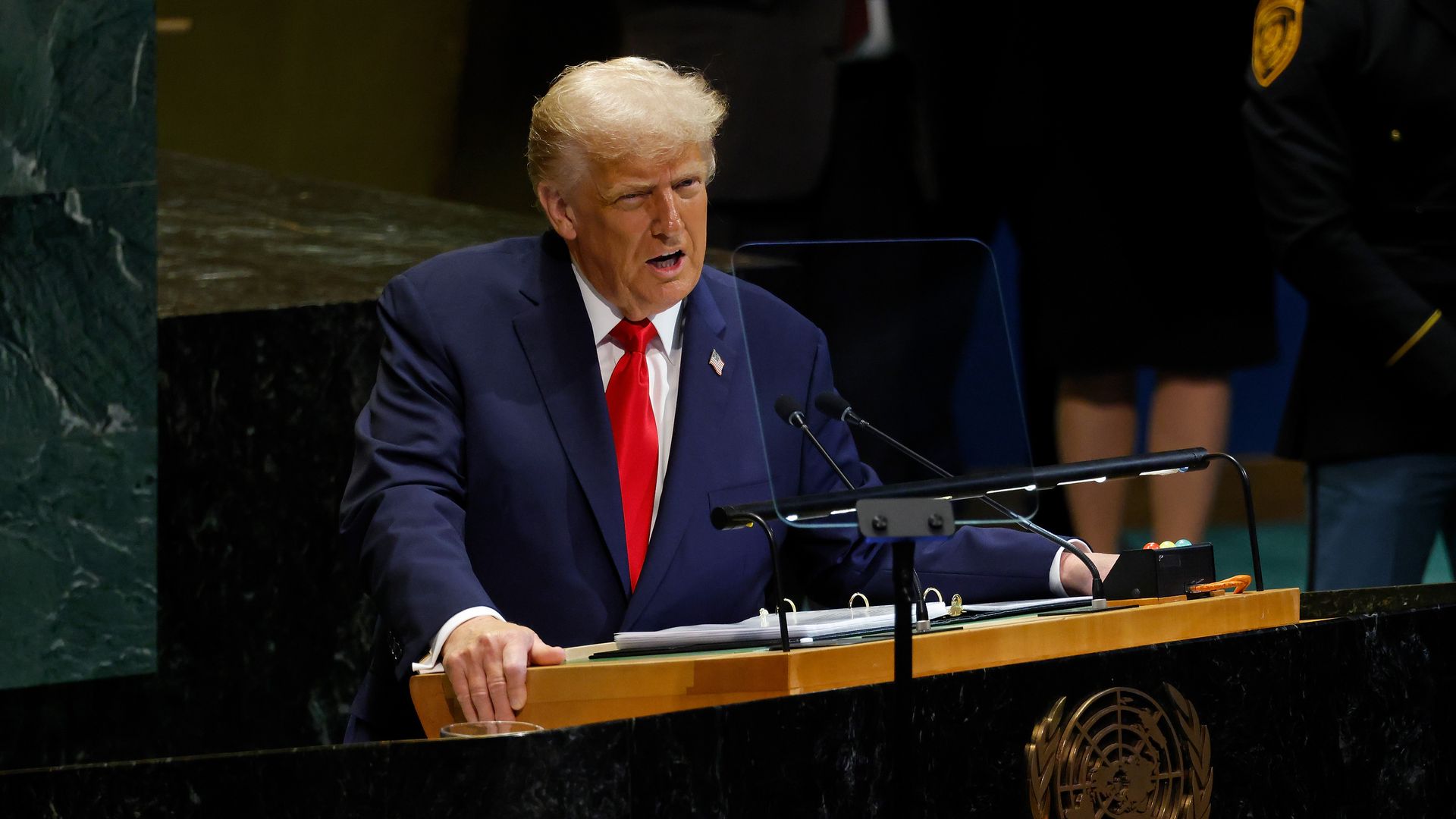
President Trump claimed Tuesday night that ABC told White House officials that Jimmy Kimmel's show had been canceled over his comments in the wake of Charlie Kirk's killing.
The big picture: Trump made the claim in a Truth Social post about an hour before "Jimmy Kimmel Live!" returned to air on ABC following a brief suspension, as Sinclair and Nexstar continued to preempt the show across ABC affiliate stations.