Exclusive: TerraPower CEO says hyperscalers are leading nuclear deals

Add Axios as your preferred source to
see more of our stories on Google.
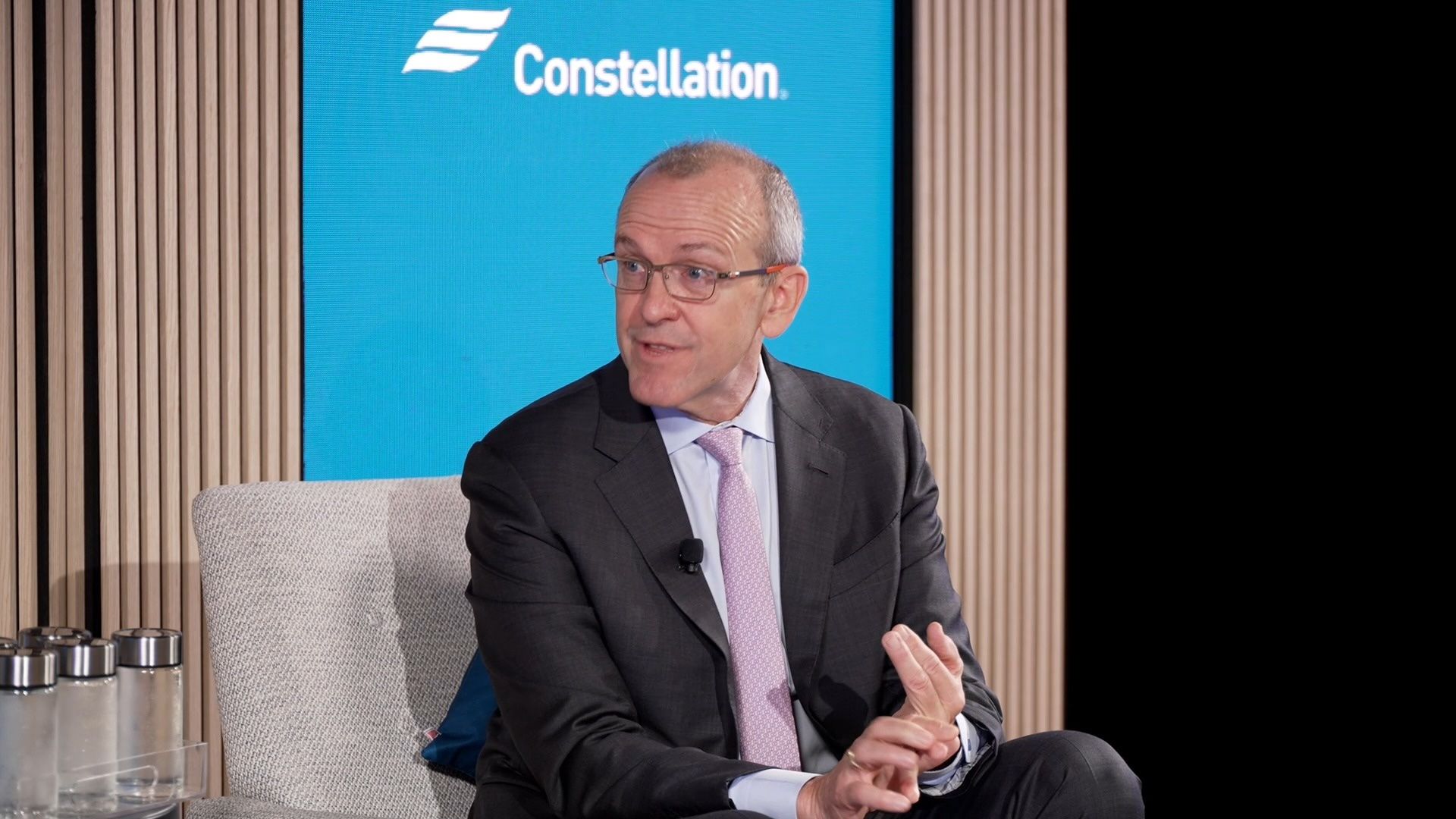
Chris Levesque. Screenshot: Axios
The nuclear renaissance in the U.S. will need to be financed by a combination of the federal government, private investors and hyperscalers paying premiums for power, TerraPower's CEO Chris Levesque said Wednesday at an Axios House event at Climate Week NYC.
Why it matters: The U.S. needs new power for soaring electricity demand, but traditional nuclear plants have been prohibitively expensive.
Zoom in: Levesque said the first U.S. nuclear facilities were paid for by his parent's generation with raised rates, but "we can't do that again."
- In new nuclear deals, hyperscalers — data center companies that deliver large amounts of computing power to customers — will draft a 20 or 25-year power purchase agreement and pay a premium for the first 20 years of plant output, said Levesque.
- That kind of premium "alleviates the burden on the ratepayer. That's going to be the new structure we're looking at in these deals," said Levesque.
- "It's great that nuclear energy is getting so much attention now, but we don't worry about the technology being ready or the demand being there. It's a very capital intensive business to deploy these first plants," said Levesque.
Catch up quick: TerraPower has developed a nuclear reactor design that uses liquid sodium as a coolant instead of water, which the company says lowers costs.
- This summer, the company closed $650 million from investors including Nvidia's VC arm, Bill Gates and HD Hyundai, and before that raised over $1 billion.
Driving the news: On Tuesday, TerraPower announced an agreement with Evergy and the state of Kansas to explore deploying TerraPower's reactors in Evergy's territory.
- "The key part of the story there is an advanced reactor being embraced by traditional nuclear energy companies," said Levesque on stage.
- "More and more mainstream utilities . . . are seeing that if we're going to get back into nuclear energy, we're going to have to get into new technology," said Levesque.
The bottom line: Nuclear is expensive, and advanced reactors need a novel combination of partners to get it deployed.
