Thursday's technology stories

AI agents can successfully advise executive leaders, Accenture CEO says
DAVOS, Switzerland – Companies are investing billions in AI applications to streamline operations, offer new tools, and avoid losing out on the AI hype cycle.
Why it matters: AI's rapidly advancing capabilities will have different applications for different industries, and can be applied to advance executives' agendas, several industry leaders said at Davos.
Axios' Dan Primack and Ina Fried moderated conversations with New York Stock Exchange Group president Lynn Martin, Accenture CEO Julie Sweet, and Google DeepMind COO Lila Ibrahim. The Jan. 21 discussions were sponsored by Lightspeed Venture Partners.
What they're saying: Adoption of AI is growing in business settings and has started advising high-level leaders in some cases.
1) AI agents are advancing quickly. Davos was very different last year, Sweet said, when digital agents were "not the buzz it is now."
- Sweet shared how an AI agent generated talking points to coach a senior leader on an upcoming conversation, and that she had no changes to the agent's talking points.
2) AI can monitor for security issues. "We've been using AI from our regulatory team to spot nefarious behavior in our markets," Martin said.
- NYSE employees are catching more bad behavior now using AI as opposed to a few years ago, Martin said.
3) The application of AI can vary from business calls and regulatory environments to health care.
- "The area I'm particularly excited about is using AI for scientific discovery," Ibrahim said.
- "If we can better understand the universe, can we unlock possible solutions to things like health care and diseases, to climate, to food security and crops," she added.
Sponsored content:
In a View From the Top sponsored segment, Glean co-founder and CEO Arvind Jain explained how AI can serve as an augmentative tool for humans.
- "That's the thing that I'm most excited about, [is] how humans can actually use AI to do things that they couldn't do before," Jain said.
- One example Jain cited is analyzing employee calendar data to get rid of unnecessary meetings, which is a task he was hesitant to give an employee to do.

ADL condemns Musk's Nazi "jokes" after salute controversy
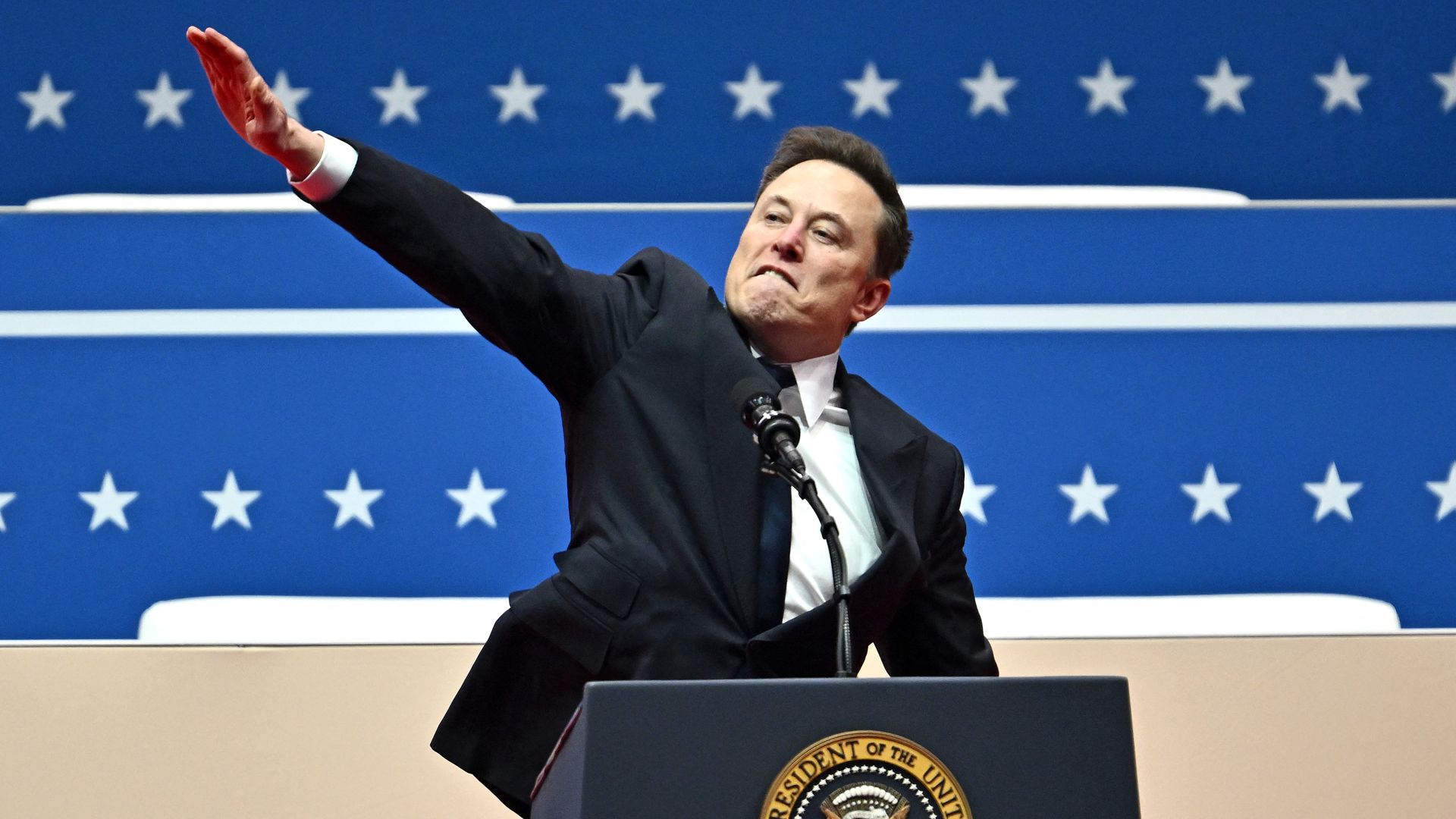
The Anti-Defamation League (ADL) condemned Elon Musk for making a series of Nazi-related jokes on X, calling it "inappropriate and offensive to make light" of the "singularly evil" Holocaust.
Why it matters: Just days earlier, the ADL had defended Musk over an awkward hand gesture he made during an inauguration event that drew comparisons to a Nazi salute — saying "all sides should give one another a bit of grace."

Trump pledges fast-track for AI data center power plants
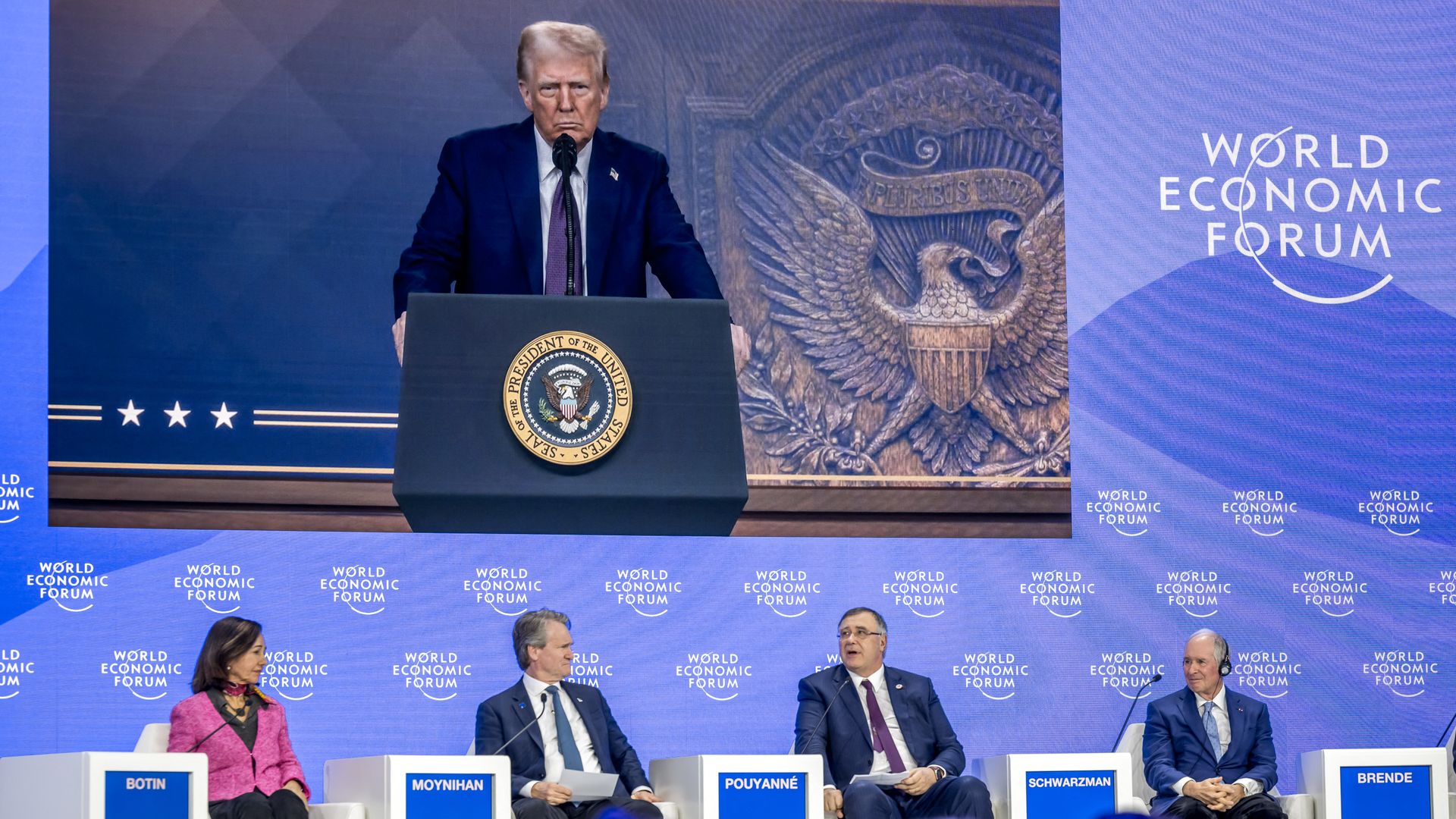
President Trump said in a virtual address at the World Economic Forum on Thursday that his administration is going to give "rapid approvals" to AI companies looking to build power plants attached to their data centers.
Why it matters: This makes it clear that a motivation for his national energy emergency declaration is easing construction of new fossil fueled-power plants to serve AI data centers.

How agentic AI could put corporate messaging to the test amid worker fears
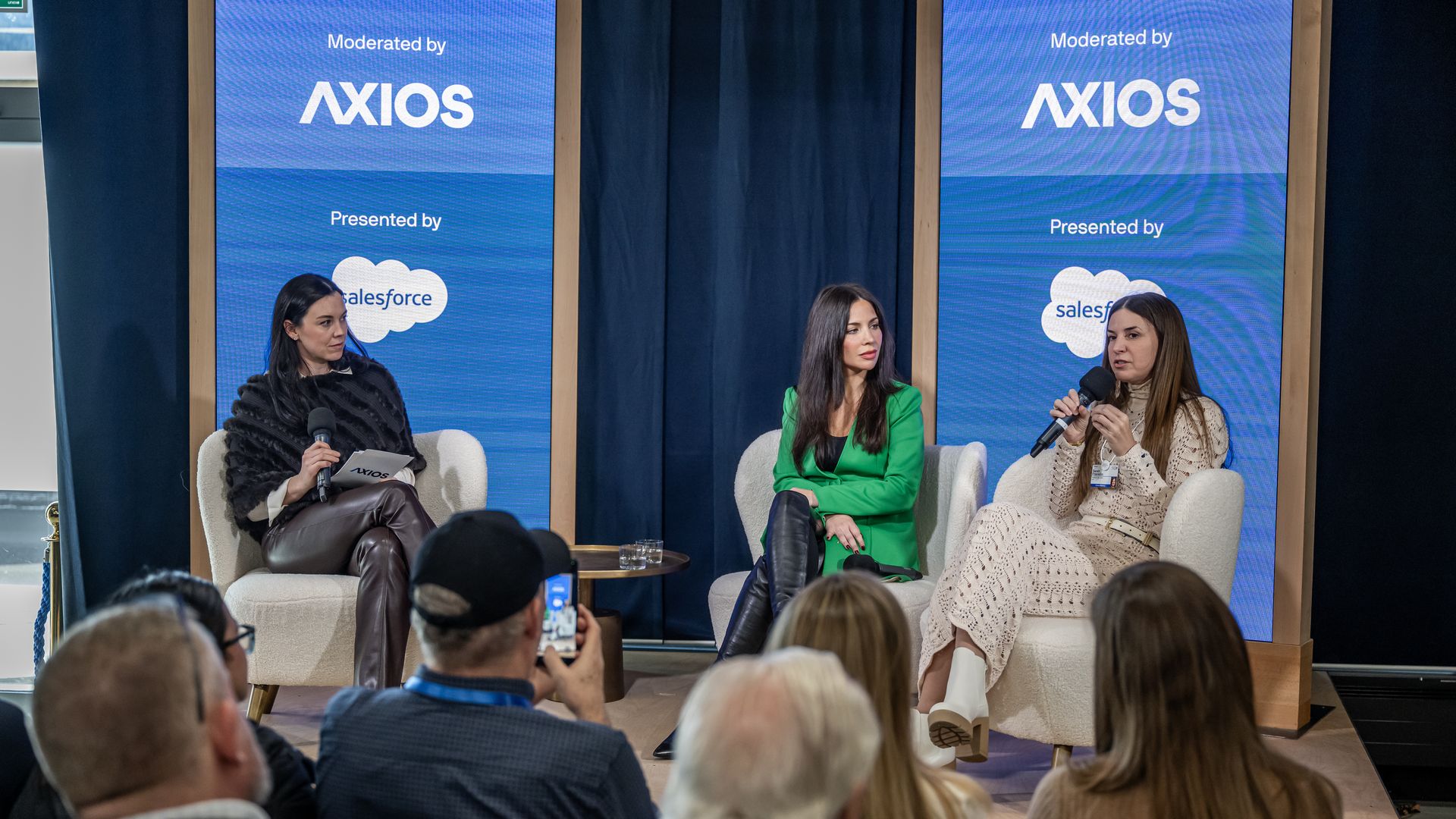
Three in four Americans view AI negatively, a recent Gallup-Telescope survey found, even as U.S. businesses go all in.
Why it matters: This creates a unique challenge for communicators.

OpenAI's new Operator will do web tasks for you

OpenAI today released a "research preview" of an AI agent called Operator that performs web-based tasks on behalf of users.
The big picture: 2025 is shaping up to be the year of the AI agent, with agentic artificial intelligence coming from Salesforce, Microsoft, Anthropic and now OpenAI.

All eyes on AI agents for business in 2025, leaders say
DAVOS, Switzerland – Businesses need to strategize their AI plans, particularly in developing a process for AI agents, Writer CEO and co-founder May Habib told Axios' Alison Snyder.
Why it matters: Some companies may be lacking proper guidelines and missing competitive opportunities, as tech giants are pointing to AI agents as the next big thing in 2025.
Axios' Ina Fried and Snyder moderated conversations with Deep Learning AI founder Andrew Ng and Habib in Davos. The Jan. 21 discussions were sponsored by Cisco.
What they're saying: Habib said businesses don't want AI agents making too many decisions, but need to figure out the fine line between what needs human approval and what doesn't.
- "What we see as really the bottleneck here is getting people and companies and teams to really align on 'what is our process,'" Habib said.
- "The tech building blocks to execute on that exist today, but the big body of work" is the gap in skills, she added.
More businesses are now seeing positive ROIs from their AI investments, Ng noted.
- "If you're not in the business of training foundation models, because others have spent billions of dollars training these models, you can now get access to these models for cents or dollars … and build really valuable applications on top," Ng said when discussing applications like AI agents.
- "So the ROI equation for people building applications actually looks really good, even though it still needs to be sorted for the people building foundation models."
2025 prediction: Habib said she expects enterprises using AI will have "built their own first [application] or agent" by this year and added that the acceleration is happening "pretty fast."
Sponsored content:
In a View From the Top sponsored segment, Cisco EVP and chief customer experience officer Liz Centoni said AI agents aren't all hype, but it will take a "long time before it becomes a reality" because AI agents exacerbate some current AI issues.
- "When we think about the issues that we've been talking about with just AI in general around transparency…those just get even more exacerbated with agentic because with agentic, … it's like, you're talking about your intern [who] is now actually graduating to a full-time job," Centoni said.

Musk and Tesla remain untouchable after Nazi salute accusations
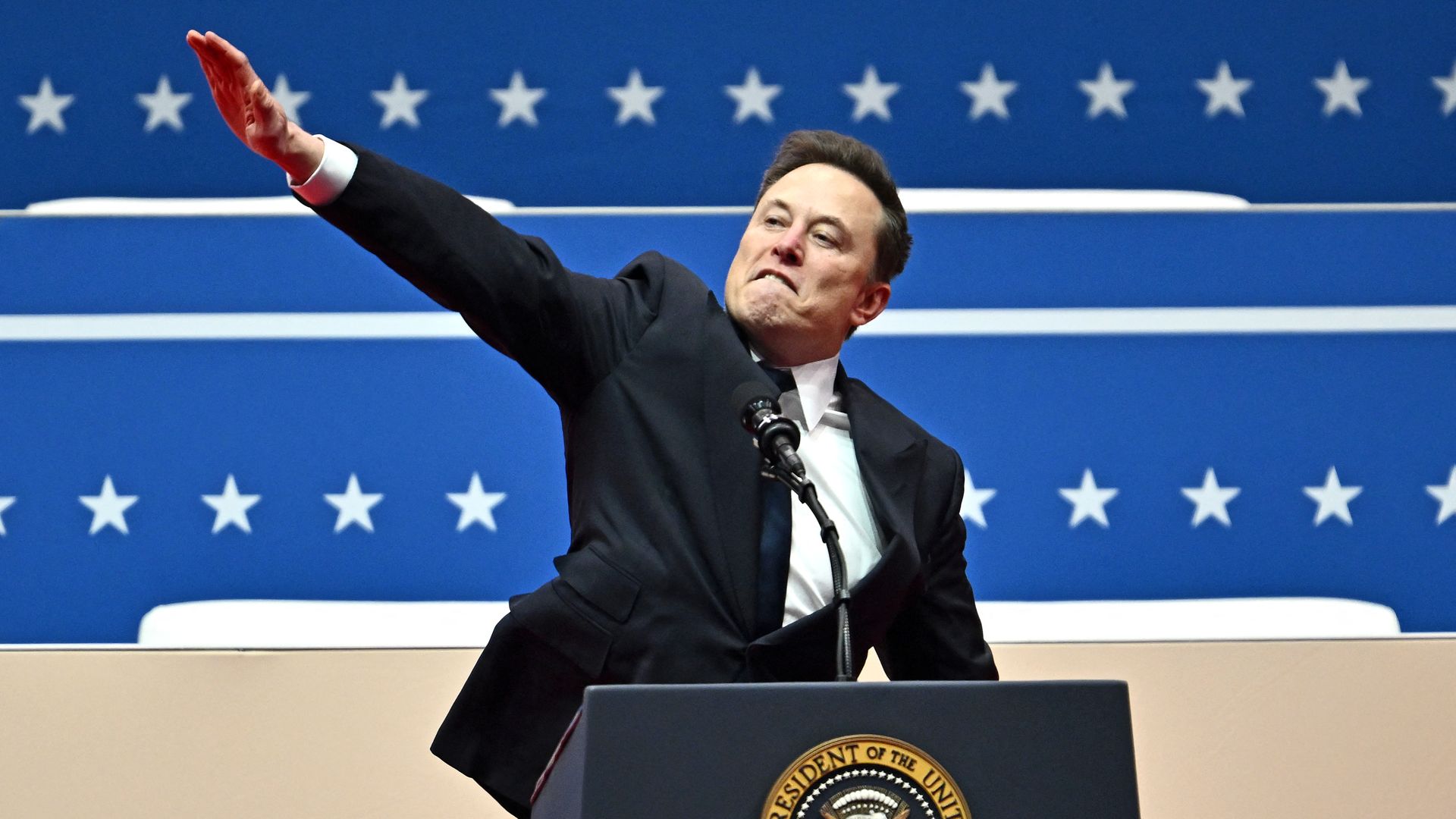
Elon Musk, the world's richest man, standing behind a podium bearing the Seal of the President of the United States, on Monday twice gave what scholars, journalists and rights groups said was a Hitlergruß, or Nazi salute.
- It doesn't seem to have done him (or his company Tesla) any visible harm.
Why it matters: Musk shrugged off accusations of Nazi symbolism as "dirty tricks," laughingly thanking the Anti Defamation League after they said it was merely "an awkward gesture."

The AI personification trap
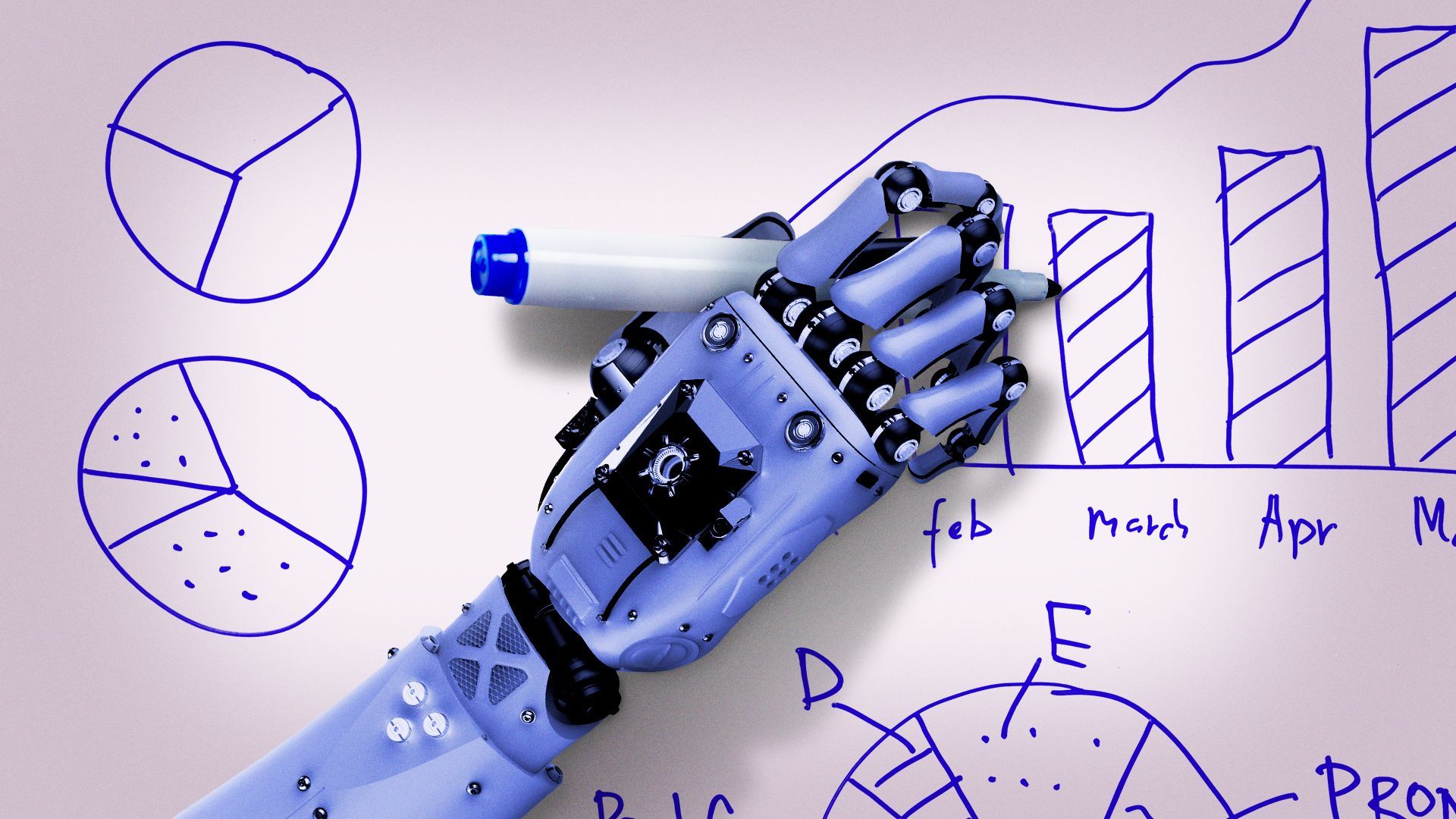
The chatbot that's giving you information and ideas today is not your friend or neighbor — and the AI agent that might perform tasks for you tomorrow is not your coworker.
Why it matters: As the prospect of AI agents comes into clearer view, AI creators and business leaders keep describing them as "AI workers" or "AI employees."

How is Stargate's $500B getting funded?

OpenAI, SoftBank, Oracle, and the UAE's MGX on unveiled a company on Tuesday that plans to invest $500 billion in AI infrastructure for OpenAI in the U.S.
Why it matters: SoftBank is doubling down on its OpenAI bet, and it reduces OpenAI's reliance on the infrastructure of Microsoft, its largest investor.

White House asks key government privacy watchdogs to resign
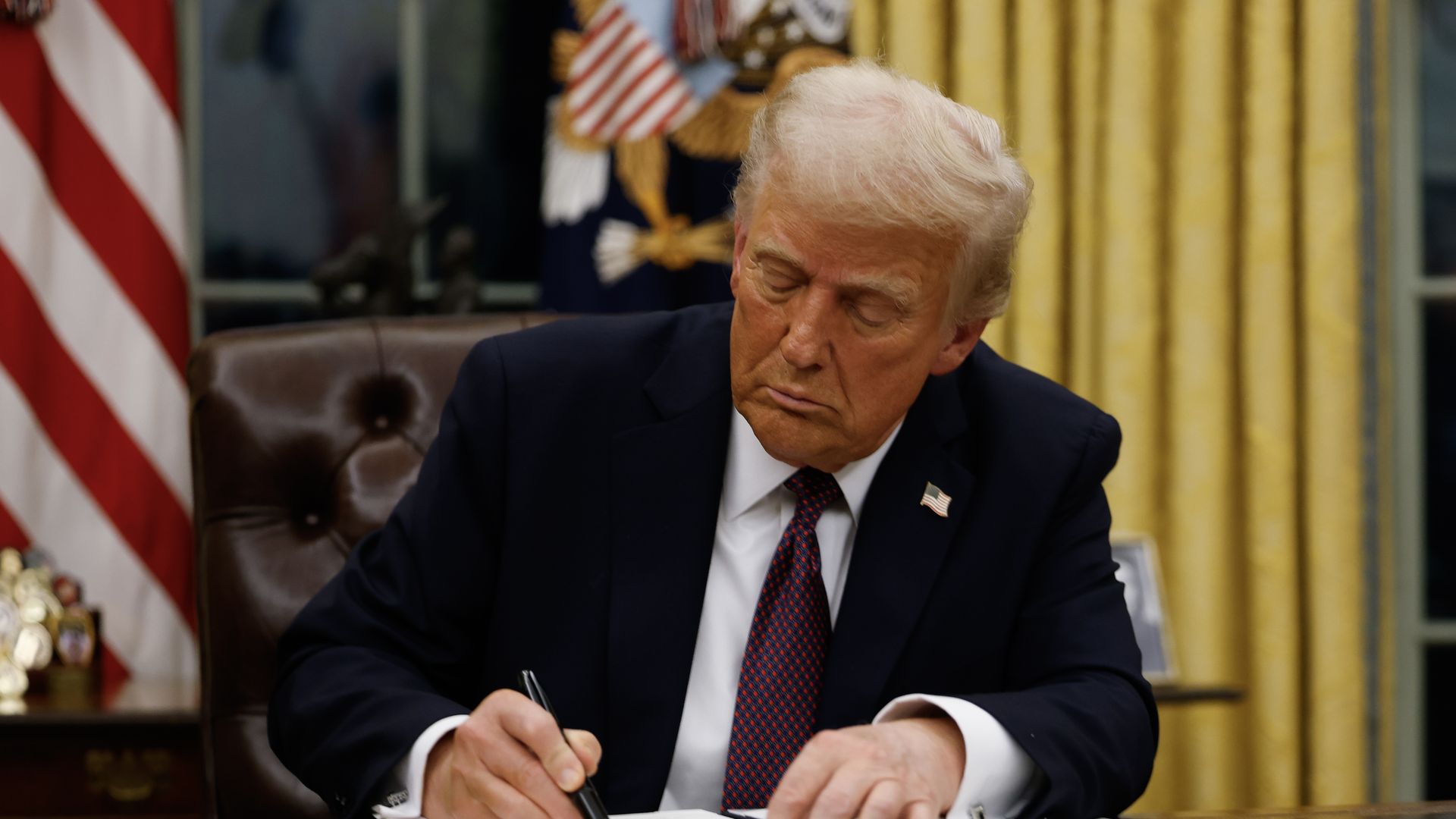
The White House has requested that the three Democratic members of the Privacy and Civil Liberties Oversight Board (PCLOB) resign by end of day Thursday or face termination, a source close to the agency confirmed.
Why it matters: The move will dismantle a key intelligence program watchdog agency, leaving it with just one member as it prepares to help lawmakers navigate a highly contentious debate over whether to keep certain government surveillance powers intact.
Musk's salute leads Reddit forums to block links to X
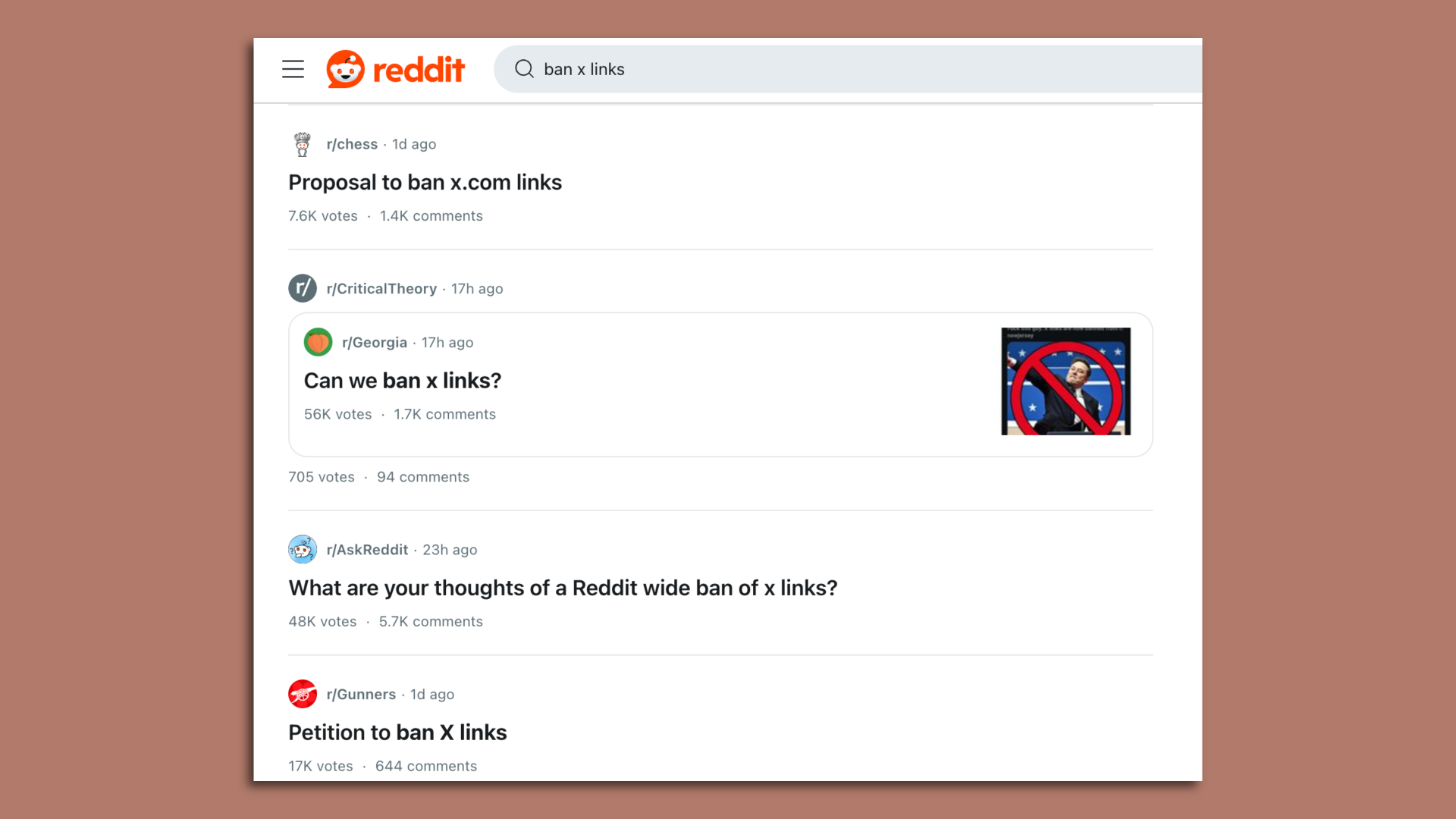
Dozens of Reddit's communities, or subreddits, have discussed or enacted bans on links to Elon Musk's X in response to Musk's gestures at a Trump inaugural event that many interpreted as a Nazi salute.
The big picture: Social media users have been criticizing Musk for the gesture, posting videos of him raising his arm side by side with neo-Nazis doing the same.

Frank McCourt says MrBeast in talks to join his TikTok bid
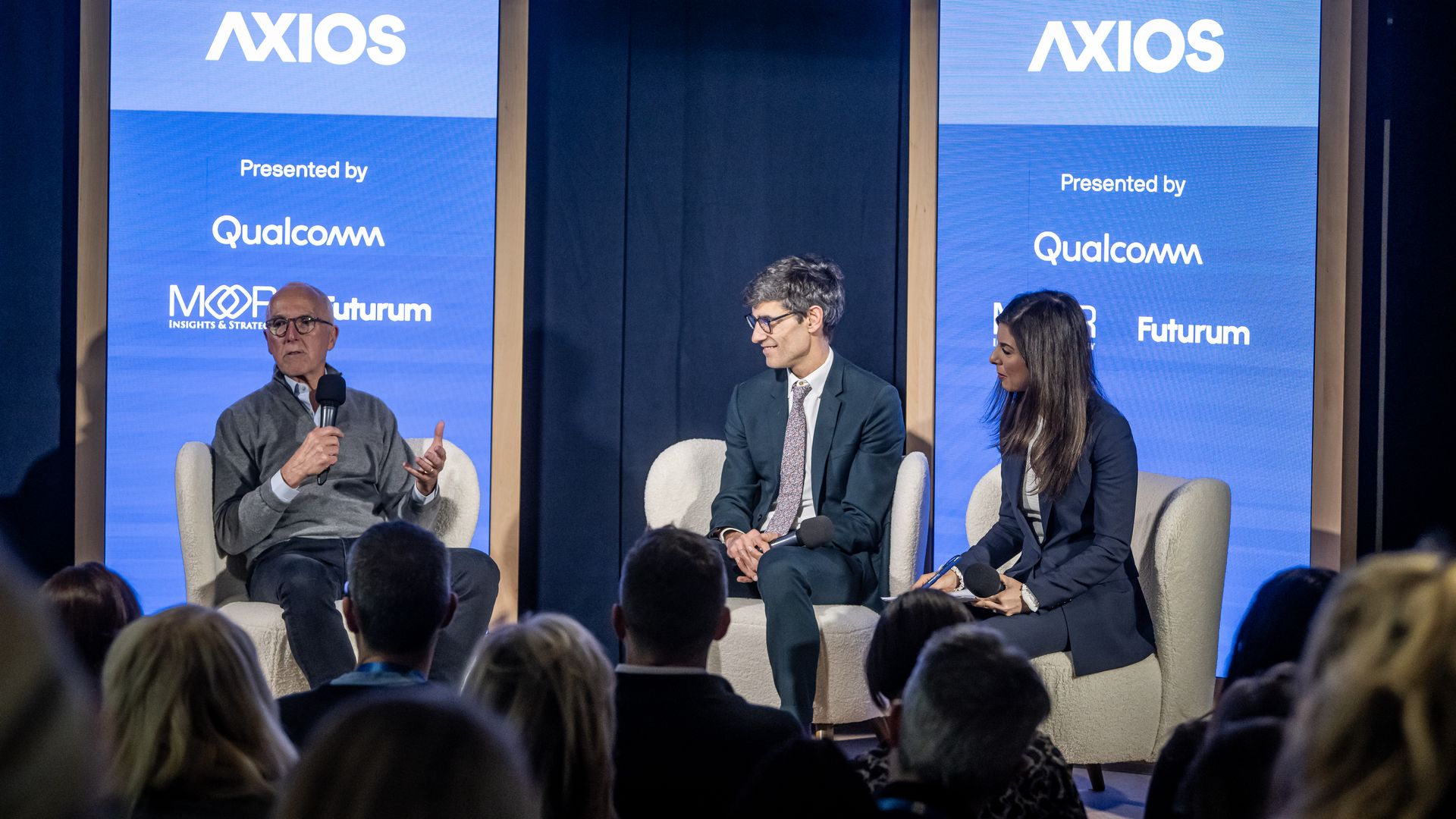
MrBeast, one of the most successful internet creators, may join a bid by real estate mogul and Project Liberty founder Frank McCourt to buy TikTok's U.S. arm, McCourt told Axios' Sara Fischer in Davos on Wednesday.
Why it matters: McCourt has said that he's gotten $20 billion in commitments to his bid but hasn't detailed who the investors are — as the popular app's future has remained in flux.

Elon Musk's feuds cool off — with one big exception
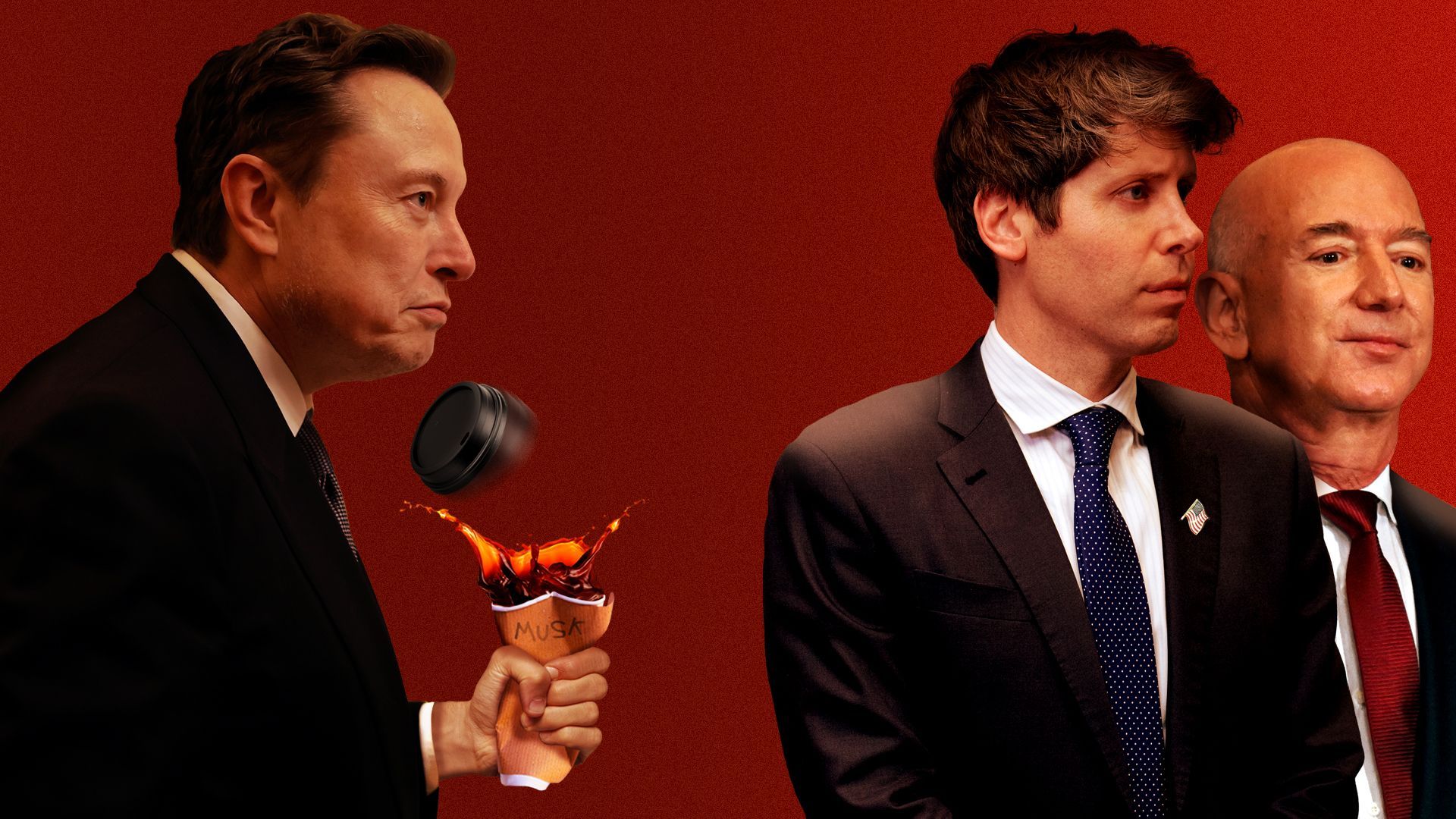
Elon Musk's status as the "First Buddy" to Donald Trump is complicating his ongoing rivalries with some of the biggest names in business.
Why it matters: Musk has been at war with OpenAI's Sam Altman, once vowed to fight Mark Zuckerberg and has periodically dissed Jeff Bezos.

Salesforce chief predicts today's CEOs will be the last with all-human workforces
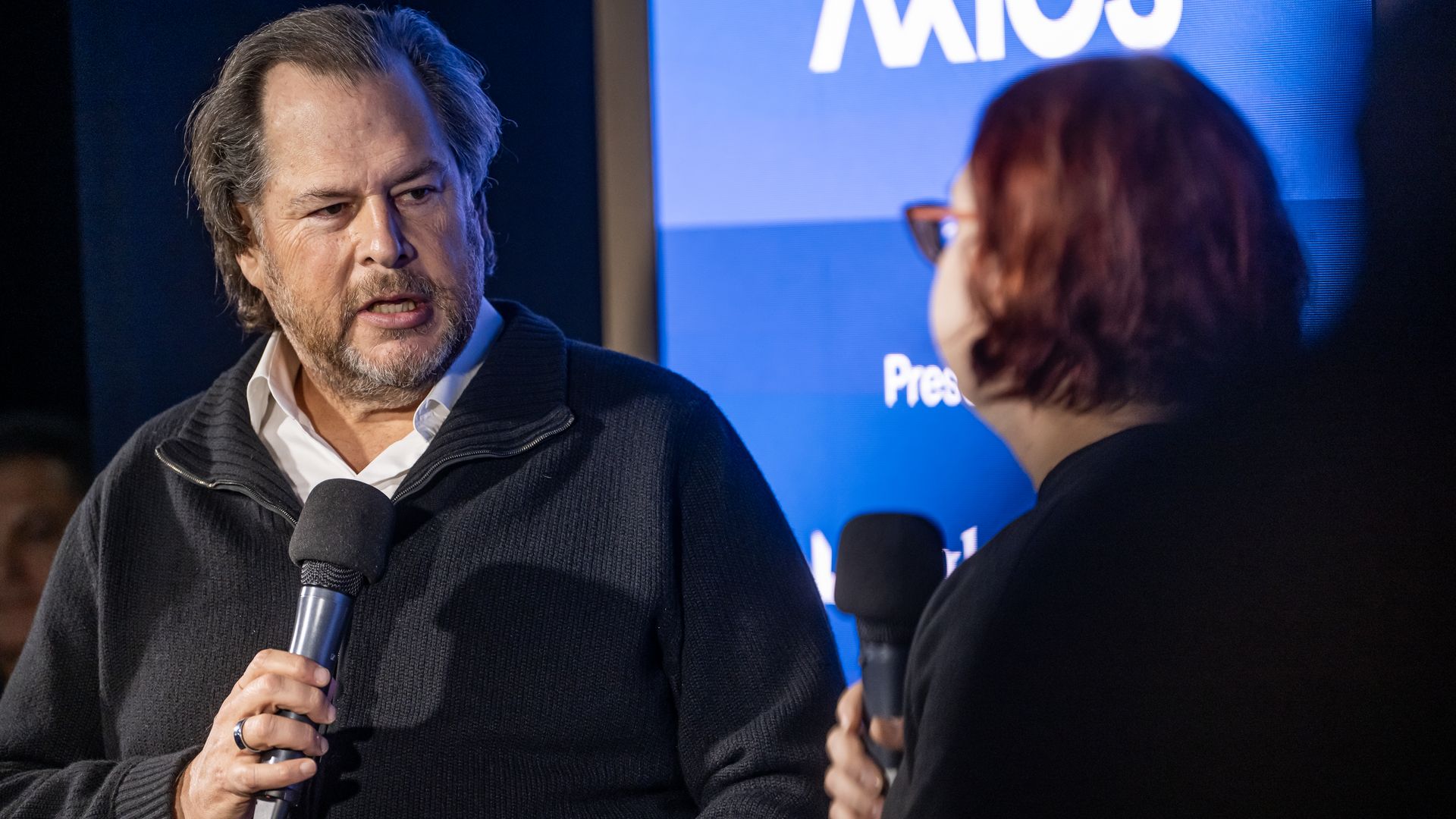
Today's CEOs are likely the last who will "manage a workforce of only human beings," Salesforce CEO Marc Benioff told Axios' Ina Fried in Davos Wednesday.
Why it matters: The rise of generative AI "agents," which Benioff described Wednesday as "digital labor," is among the next wave of advancements for the tech.
The latest: AI on top of mind for leaders

Axios has multiple leaders and journalists circulating around Davos this year, having conversations with industry leaders on important topics. Check out what some of them are saying...

Musk bashes Trump-backed Stargate deal: "They don't actually have the money"
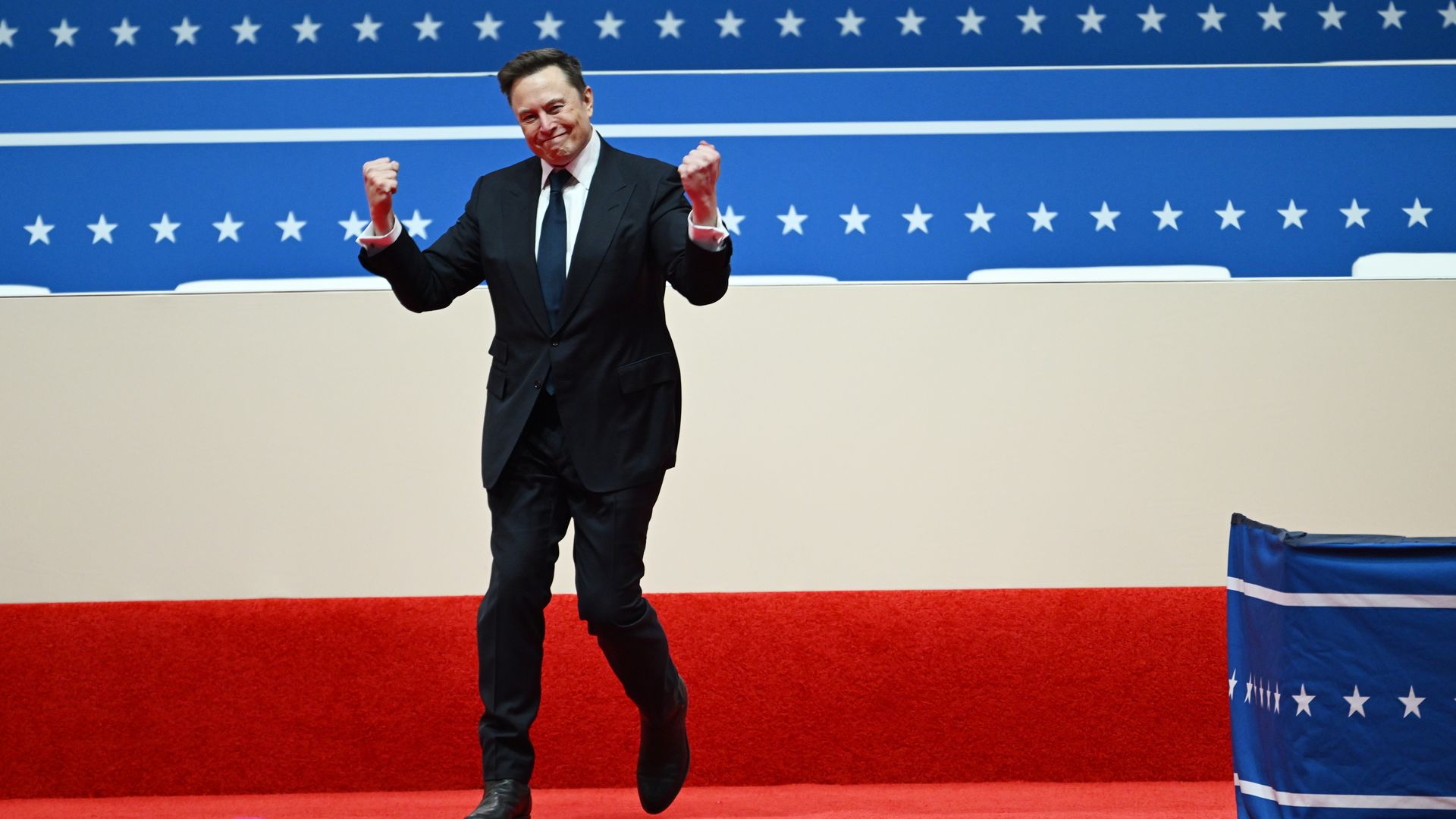
Hours after President Trump announced a major artificial intelligence investment, it faced skepticism from one of his closest allies: DOGE head Elon Musk.
Why it matters: Musk publicly undermining the $500 billion project, led by OpenAI and other tech titans, could draw Trump's ire.

Pinterest shares support for cellphone-free schools
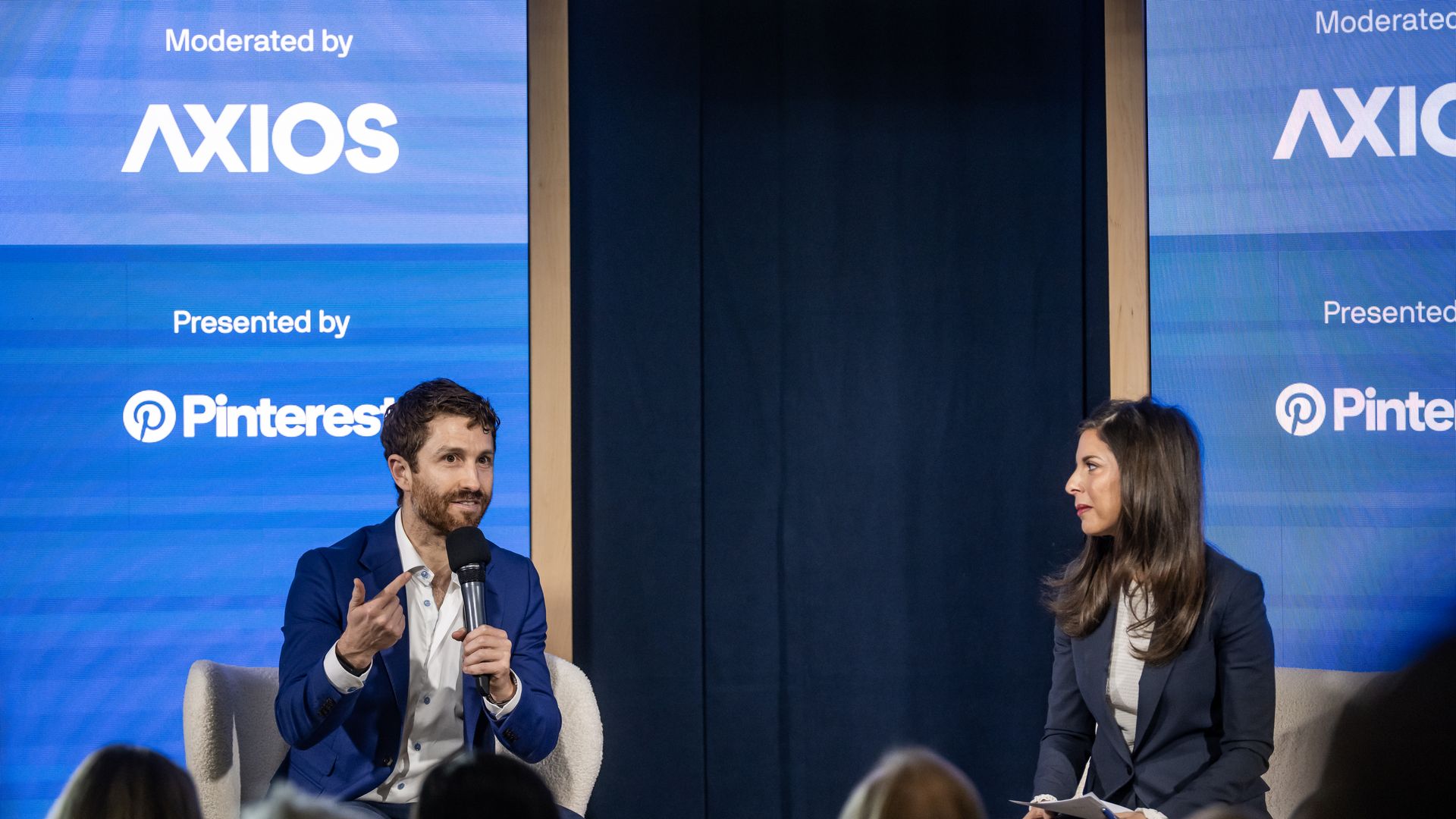
Pinterest's move to support cellphone-free schools is a "bold step," but the social media industry still needs a shift in incentives, tech ethicist Tristan Harris told Axios during an event on Wednesday in Davos, Switzerland.
Why it matters: A former design ethicist at Google, Harris founded a nonprofit, the Center for Humane Technology, to call attention to harms caused by social media and AI and identify and advocate for solutions.
AI plus upskilling could help solve labor shortages, leaders say
DAVOS, Switzerland – More companies are looking to AI to help curb labor shortages in multiple industries, leaders said in Davos.
Why it matters: The manufacturing industry, for example, is "suffering from a shortage of labor," said Siemens AG managing board member, chief technology officer, and chief strategy officer Peter Koerte.
- AI can bring "good employment, good productivity, good growth," he said.
- One example for increasing productivity is shortening the time it takes to troubleshoot issues, Koerte added.
Axios' Courtenay Brown and Alison Snyder moderated conversations with Koerte and Rio Tinto chief executive Jakob Stausholm in Davos. The Jan. 20 conversations were sponsored by Gecko Robotics.
Yes, but: Implementing AI within a workforce also means current employees need upskilling, Stausholm said.
- "You want to create an environment where you unlock the full curiosity of people. You don't want people to just act like robots. … You can actually unlock a lot of creativity in an organization," Stausholm said.
- But, "everything that can be automated should be automated," he said.
Driving the news: Stausholm, a Danish citizen, also addressed a question over Greenland's highly coveted minerals and whether Rio Tinto was interested, saying, "be my guest for some of my competitors who want to go to Greenland."
- Stausholm pointed out that mining in Greenland often isn't economically efficient because of the lack of infrastructure between cities. "Everything has to be airborne. The logistic cost up there is enormous."
Sponsored content:
In a View From the Top sponsored segment, Gecko Robotics co-founder and CEO Jake Loosararian highlighted the benefit of using AI in the industrial and manufacturing industries, but also stressed the need for more data to improve these technologies.
- "A lot of the infrastructure with artificial intelligence just simply does not exist. And so one thing that's super important for all of us to understand is that artificial intelligence is worthless, and actually worse can drive horrible results that can impact both safety and an environment if you aren't feeding it good data," Loosararian said.
Companies can leverage AI for better internal communications and training
DAVOS, Switzerland – Corporate affairs leaders are using AI to better understand and communicate not only with the world, but also their own employees.
Why it matters: Studies show AI can boost employee productivity. But, it can also provide an important feedback loop for businesses, said Coca-Cola Company EVP and global chief communications, sustainability & strategic partnerships officer Bea Perez.
Axios' Eleanor Hawkins moderated conversations with Perez, Lattice CEO Sarah Franklin, and Lattice chief communications officer Cheryl Sanclemente in Davos. The Jan. 20 discussions were sponsored by Salesforce.
The latest: The Coca-Cola Company has its own chatGPT for its employees to search internal documents, like company policies, which also allows the company to better understand what employees need.
- "Say you're a new employee to the company, you want to know what the entertainment and travel policy [is.] How much can you spend on a lunch? Well, you'd have to sift through lots of paper on a website in the past. Now you just go to Coca-Cola chatGPT, you ask the question, [and it] gives you the information," Perez said.
- She added that about 70% of their employees use their chatGPT or have used it in the last 90 days.
Reality check: Perez also emphasized the need to still have humans double-checking the work AI does.
- "We have found that we still have to make sure that you have real people looking at it and fact-checking" to make sure it didn't hallucinate.
Separately, Franklin said Lattice – an HR software company that uses AI – believes the technology can help propel people's success in the workplace.
- AI can help employees become more efficient in their jobs and understand what's expected of them, while assisting managers in making decisions, she said
- AI is "really helping power the people so that people are the most successful part," Franklin added.
Sponsored content:
In a View From the Top sponsored segment, Salesforce EVP and chief communications officer Carolyn Guss said 2025 will be the "year of AI impact," and pointed to the different ways Salesforce is using AI in its corporate affairs and communications strategies, including their new AI agent.
- Salesforce's comms team uses their own customer relationship management (CRM) tool to log their media interactions.
- "So we've built an agent — we're calling it 'PR Force'— and the agent is going to go through all our Slacks and our emails, [and] our meeting transcripts. … If I want to find out what was our last interaction with Eleanor and what were the vibes? I can just go in and find that and nobody in my team had to do the work of creating that for me," Guss added.

ByteDance director says TikTok deal will get done
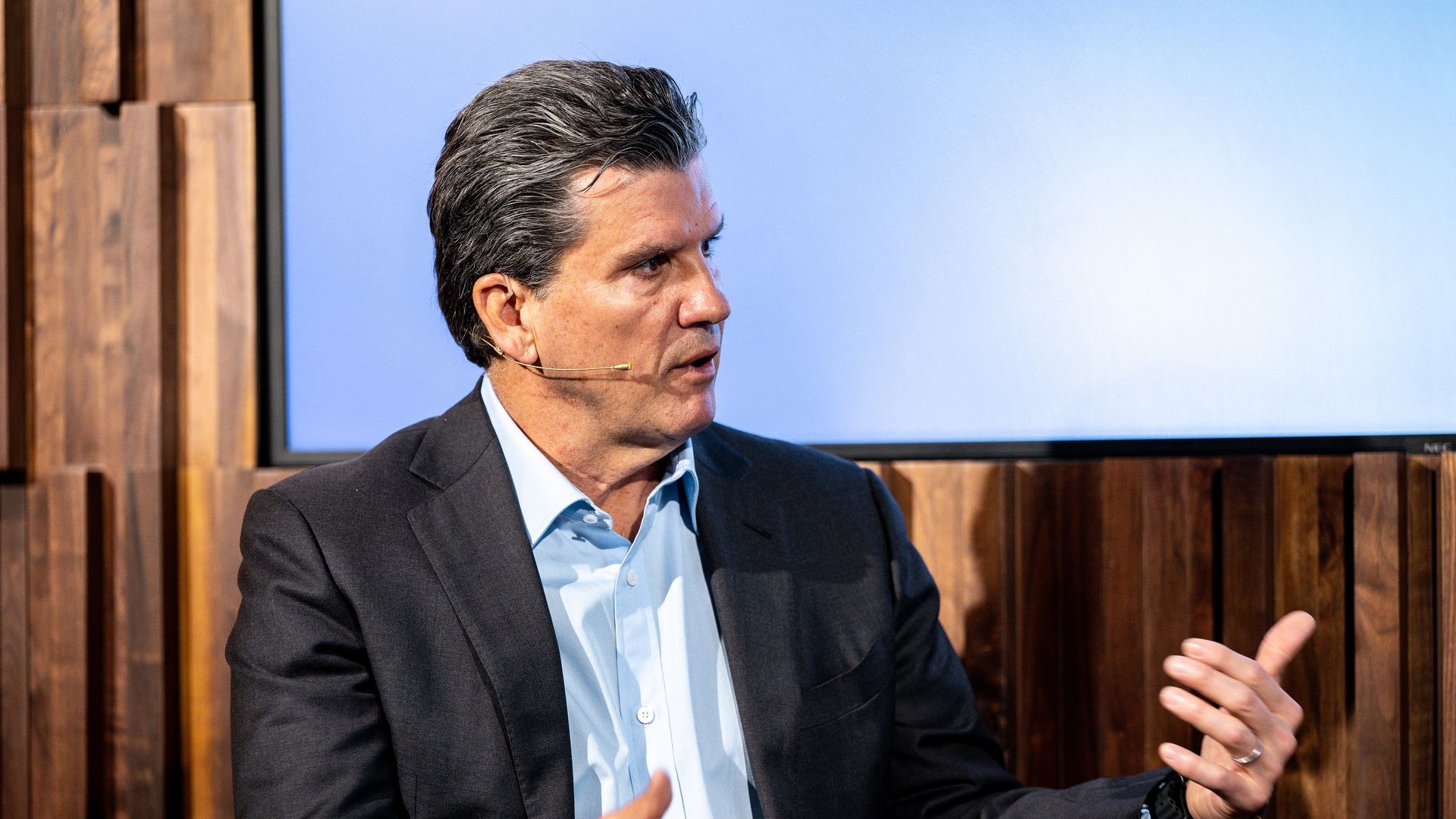
A deal will get done to ensure that TikTok remains available in the U.S., General Atlantic CEO Bill Ford told Axios during an event on Wednesday in Davos, Switzerland.
Why it matters: General Atlantic is a major investor in TikTok's Chinese parent company, ByteDance. Ford is on ByteDance's board of directors.
Cisco CEO Chuck Robbins defends DEI at his company
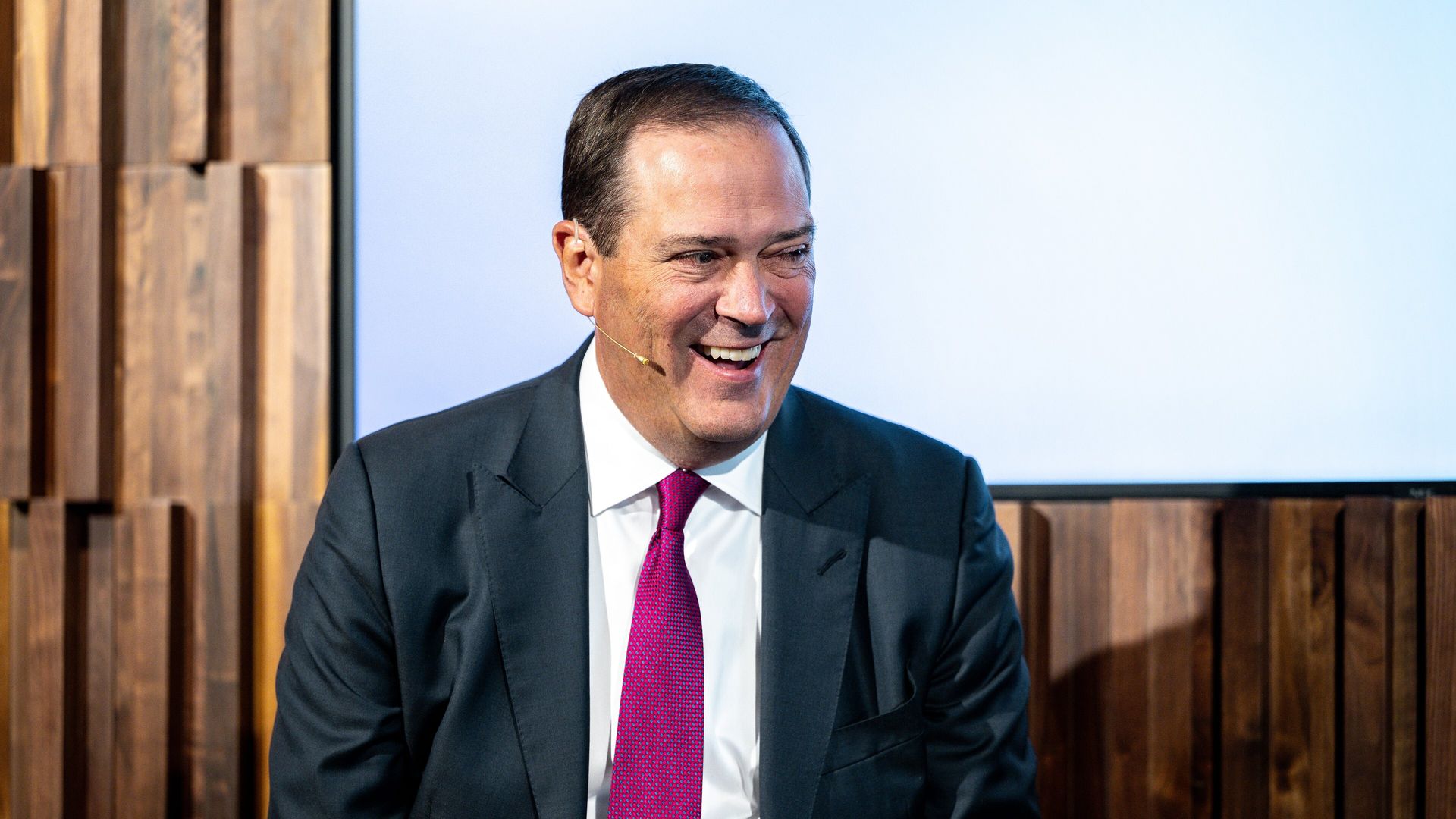
Cisco CEO Chuck Robbins defended DEI initiatives at the company during an Axios interview on Wednesday in Davos, Switzerland.
Why it matters: Robbins also serves as chair of the Business Roundtable, one of America's most powerful corporate trade organizations.

Paul Kwan: VCs are overlooking biodefense
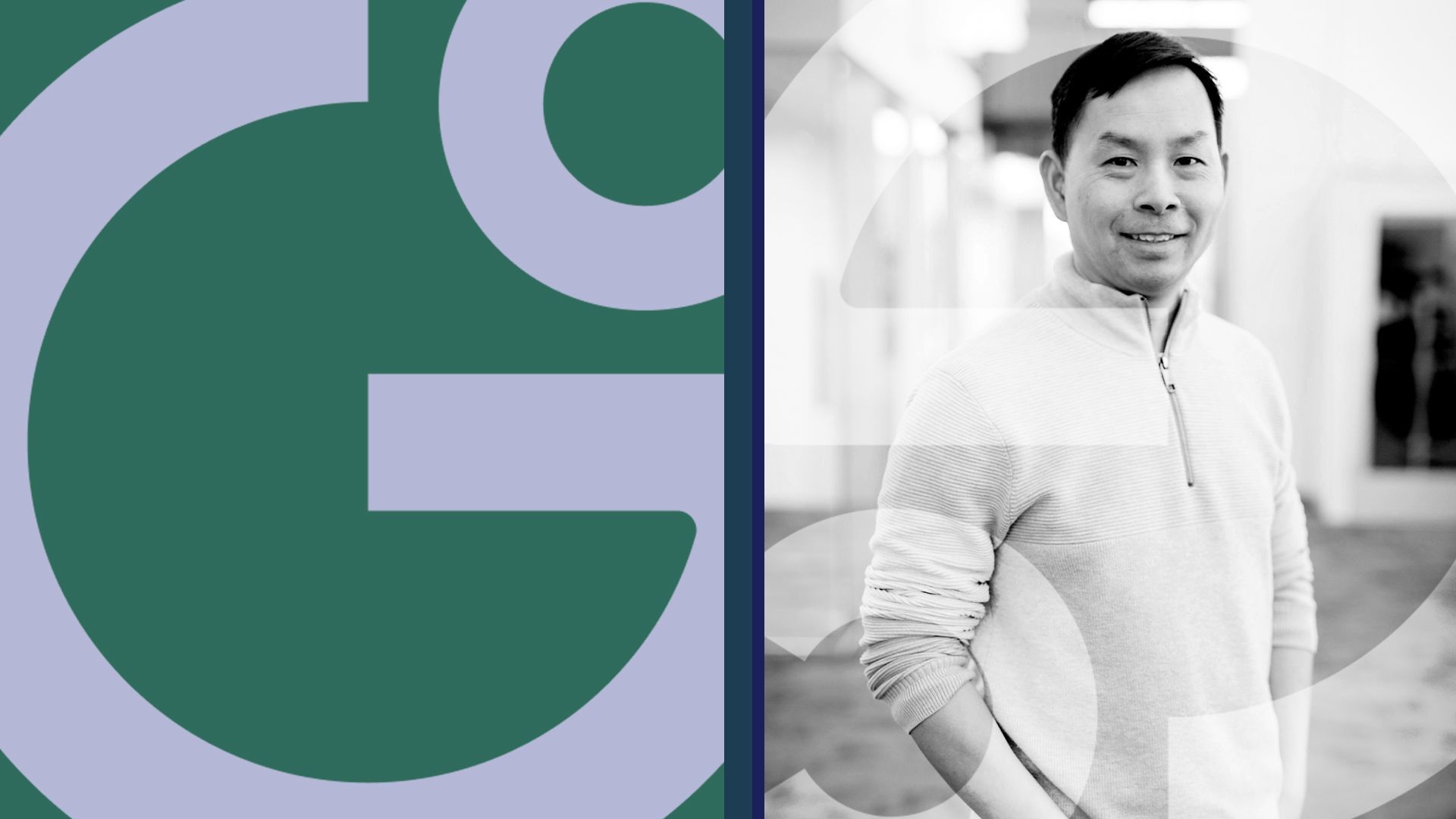
Not enough people — venture capitalists included — are paying attention to biological threats and their countermeasures, Paul Kwan, a managing director at General Catalyst, told Axios in an interview.
Why he matters: Kwan leads the investment firm's global resilience team focused on defense, energy and industry.
- Companies he's worked with include software-and-drone maker Helsing and information warfare specialist Vannevar Labs.
Exclusive: Shield AI delivering V-BAT drones to Japan's navy early this year

Shield AI's V-BAT will be the first-ever shipboard drone used by the Japanese navy to collect intelligence and surveil faraway targets.
Why it matters: Shield is placing big bets on the international board. It opened an office in Kyiv, Ukraine, and months ago announced V-BAT production plans in India alongside a $90 million investment from JSW Group.
U.S. Navy "should be embarrassed" by lack of lasers, says admiral

The U.S. Navy seems to be in directed-energy limbo. Leaders want it. Industry and labs have it. But the vast majority of warships don't.
Why it matters: These sci-fi-style weapons have limitations but can help fend off unmanned aircraft, missiles and more. Those overhead threats are already pounding the Red Sea and Ukraine and would figure prominently in a conflict with China over Taiwan.
Trump tech forecast: turbulence

"Volatile" is the one word that describes the tech industry's new reality under the second Trump administration.
Why it matters: With AI booming, social media splintering and crypto inflating, the giant companies that drive today's economy face a huge spike in uncertainty.
Trump pardons Silk Road creator Ross Ulbricht

President Trump on Tuesday announced he signed a full and unconditional pardon for Ross Ulbricht, the creator of the unlawful Silk Road marketplace who was convicted of drug trafficking charges.
The big picture: Trump vowed on the campaign trail to commute Ulbricht's sentence as he sought backing to be the Republican Party's presidential nominee from Libertarians, who view the Silk Road founder as a hero.