Thursday's technology stories

Musk's budget veto power could extend to auto and space regulations
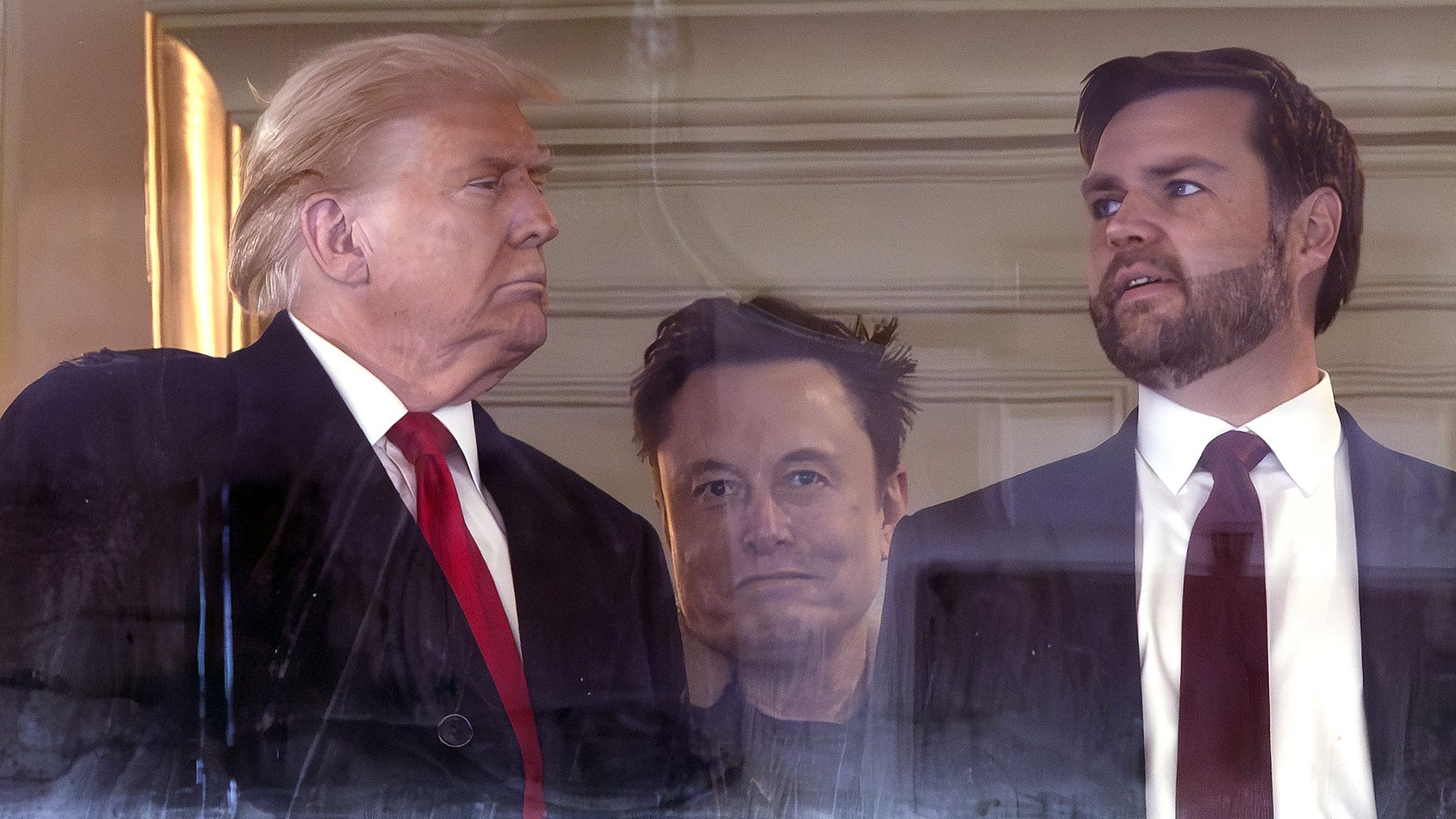
If Elon Musk can effectively veto a congressional budget deal, imagine how much influence he might wield over more arcane policy issues affecting his pantheon of business interests.
Why it matters: The incoming Trump administration and Congress could soon take action on a litany of regulatory matters and spending affecting the self-proclaimed First Buddy's business empire, including self-driving cars, space and AI.

AI+ SF Summit: SMBs face "big barrier" to using AI tools safely
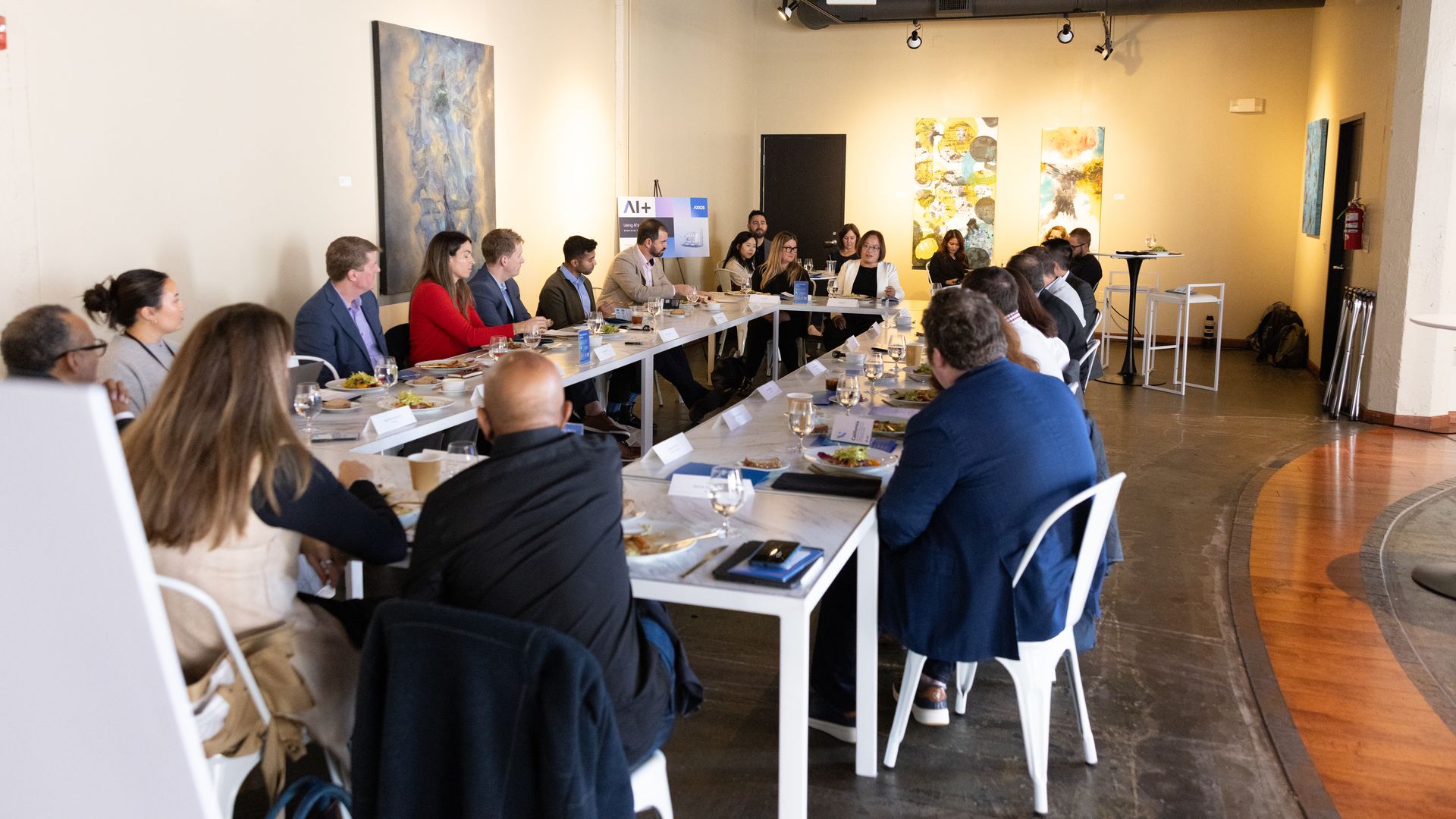
SAN FRANCISCO – Implementation of new AI tools needs better usage of AI training on the front end — something small to medium-sized businesses in particular need to adopt, several attendees at Axios' Expert Voices roundtable said Dec. 17.
Why it matters: Businesses need upfront training to responsibly implement AI in a secure manner.
- "Are these businesses prepared for the additional risk that they're taking on?" asked California chief technology officer Jonathan Porat.
- "I'm not sure if small businesses … are really investing in security or preparing for emergency or disaster," Porat added.
Plus, a lack of training and information is a "big barrier to entry" to taking advantage of AI tools for all businesses, Slack Senior vice president of research and analytics and head of workforce lab Christina Janzer said.
- Without training and knowledge, "people just don't feel like they have the proper competence to be able to get started," Janzer said.
- Janzer added that people need to have time to experiment with AI in their workflow to make an informed decision, and build confidence in the technology.
Adoption of AI will depend on individual businesses having access to tools that can help determine if AI's use will "pass the gut check," said HopSkipDrive chief product and technology officer Corey McMahon.
- "You can't just trust that they're going to trust the system or the tools. You have to give them the capability to actually evaluate it," McMahon said.
Yes, but: There's "significant innovation" within SMBs that helps bring "parity" with some larger companies in California, Porat said.
- Porat says implementing AI takes a ton of upfront investment.
- "It doesn't really make sense for some of these multibillion dollar companies to invest in very specialized solutions. So that really opens up a lot of opportunity for smaller businesses to really focus on a specific policy area or area of interest that it wouldn't make sense to invest all that data into," Porat said.
The details: Intuit sponsored the event, where tech, government and business leaders gathered for a private roundtable at Axios' AI+ SF Summit to discuss how SMBs are navigating the opportunities and challenges of applying AI.

The politics of the Amazon strike hinge on Trump

Donald Trump wasn't physically present at the Amazon workers' strike Thursday, but he's part of the reason the union can flex its muscles with a work stoppage mere days before Christmas.
Why it matters: Since its founding as an indy worker group, the Amazon union joined the Teamsters — one of the biggest in the country — whose president Sean O'Brien just spent the past few months cultivating a relationship with the president-elect.
AI+ SF Summit: AI agents are the next big thing
SAN FRANCISCO – AI's big advancements and challenges, the wave of AI agents, and Databricks' latest round of funding were top of mind for leading tech leaders at Axios' AI+ SF Summit on Dec. 17.
Why it matters: The rapid pace of innovation is coming to a head with pressures to enact policy guardrails amid booming investment deals, which is shaping the future of AI developments.
Driving the news: Databrick CEO Ali Ghodsi said they "got a bargain" during this latest round raising $10 billion.
- Ghodsi also said AI is in its "peak" investment bubble. "When you get billion dollar valuations on companies that have nothing, that's a bubble," Ghodsi said, referring to other companies.
Separately, Anthropic chief product officer Mike Krieger discussed how AI agents are at least a year away from being autonomous.
- He said one of the biggest problems with current AI chatbots is how tough it is for users to learn to write prompts.
- "The future is here, it's just that not everybody knows how to use it yet.... is chatting with a model even the right UI? Can we do something better?"
AI chatbots make mistakes too and Sierra co-founders Clay Bavor and Bret Taylor are looking at ways to solve that with more chatbots.
- "The solution to many problems with AI is more AI," Bavor said.
- For instance, there could be "supervisor" bots trained on company policies that could review and potentially intervene if the frontline AI agents strayed from policy.
Of note: This event was sponsored by Meta, Siegel Family Endowment, Kapor Foundation, Intuit, Lightspeed Venture Partners and Workato.
Content from the sponsored View from the Top conversations is below:
Meta vice president of product management Sue Young highlighted the "incredible" growth of their AI assistant with 600 million users every month.
- "A lot of that has been really just giving utility and access to where people are spending time," such as Instagram, Messenger, WhatsApp, Facebook, Young said.
Kapor Foundation CEO Allison Scott and Siegel Family Endowment executive director and president Katy Knight emphasized the need for investments and policies to support "a more equitable future" with responsible AI.
- "Those diverse viewpoints allow us the opportunity to actually think really differently about how we design, deploy, and govern new technologies," Knight said.
Intuit executive vice president, general counsel and corporate secretary Kerry McLean discussed how AI can enable small businesses.
- "AI can truly help level the playing field for these small businesses with larger businesses who have access to financial expertise, marketing expertise, all those things," McLean said.
Workato chief of AI products and solutions Bhaskar Roy said AI agents are going to become increasingly more prevalent.
- "Remember the time when we used to say 'there's an app for that'? I think we are in an era where everyone is saying 'there's an agent for that.' If not, it'll happen soon," Roy said.

Musk's maxed-out megaphone: Shutdown power play will be hard to repeat

Wednesday's extraordinary display of Elon Musk's social media power saw the world's richest man funnel the anger of his hundreds of millions of online followers against a bipartisan compromise funding bill.
Why it matters: Musk's arresting demonstration of government-by-tweet left Washington reeling — but the magic trick will get harder to repeat.

Musk and DOGE add to uncertainty
The past two days on Capitol Hill raise the prospect of a more unpredictable period for U.S. fiscal policy than seemed likely a few days ago.
Why it matters: Economists' hope has been that unified Republican control of the White House would create similar tax and spending outcomes as when they controlled those branches in 2017 — tax cuts paired with steady-as-she-goes spending.

New Jersey drone flights temporarily restricted by FAA
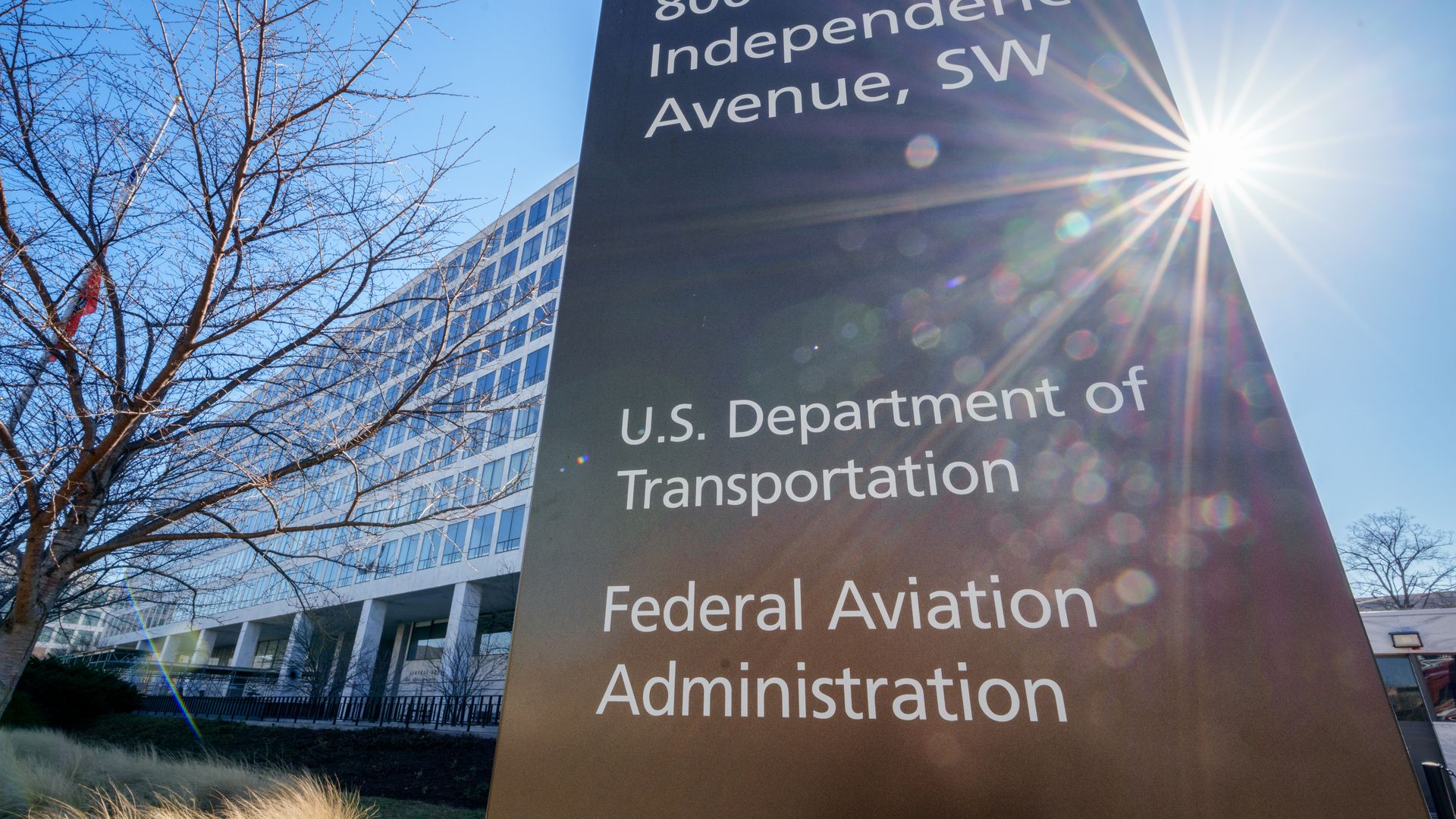
The Federal Aviation Administration issued a temporary ban Wednesday on drone flights over parts of New Jersey.
The big picture: Reports of suspicious drones flying over states, including New Jersey, New York and Virginia, have raised public concern, though authorities have said there's no evidence of a specific threat.
Driving the news: The FAA said it issued 22 temporary flight restrictions at the request of federal security partners, prohibiting drone flights over critical New Jersey infrastructure.
- The restrictions are in place until at least Jan. 17 in the central and northern part of the state.
- Temporary flight restrictions are limits on aircraft operations due to temporary hazardous conditions, a security-related event or "other special situations, like VIP movement."
Between the lines: Violating the restrictions can carry jail time and fines. Given the intense public pressure, that gives law enforcement one more tool to prosecute potential violators.
More from Axios:

Rand Paul floats Elon Musk for House Speaker
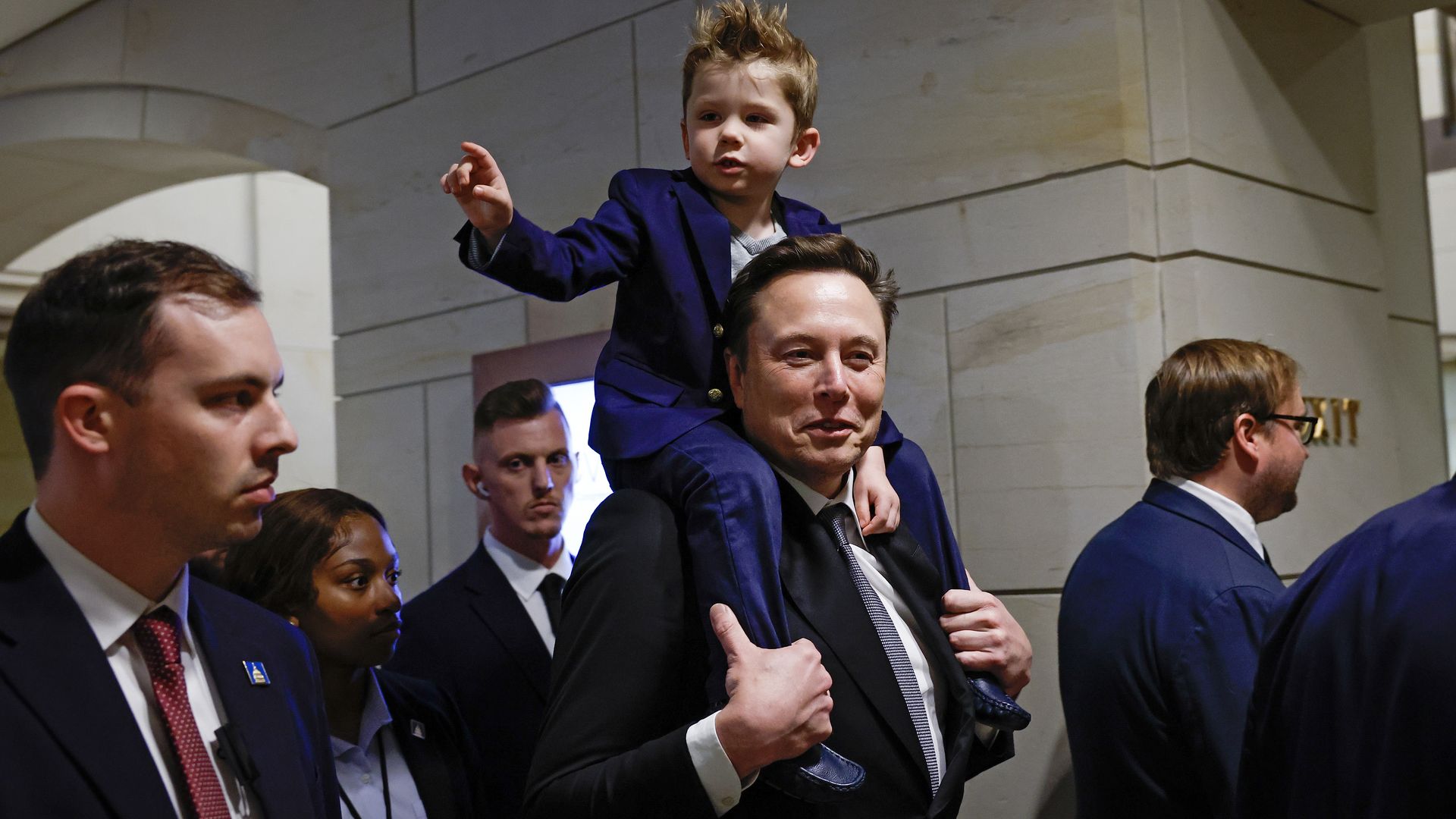
Sen. Rand Paul (R-Ky.) is floating Elon Musk to be Speaker of the House after the powerful, billionaire tech businessman helped torpedo a bipartisan agreement on a short-term spending bill.
Why it matters: He's the first GOP lawmaker to explicitly suggest Musk should be Speaker, and his comments come as Speaker Mike Johnson's (R-La.) bid to keep his job is under serious threat.

Democrats rage at "unelected co-president" Elon Musk
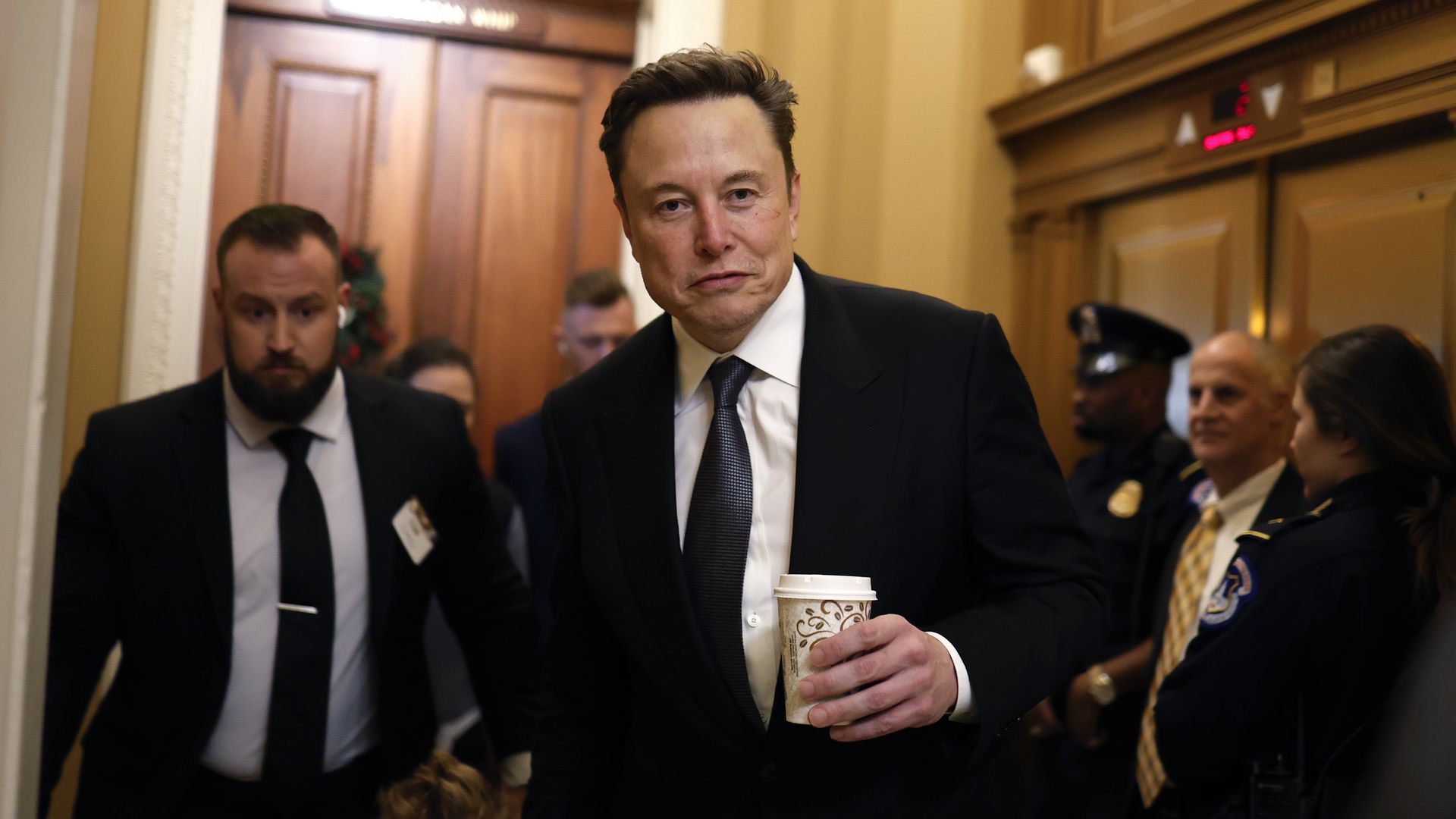
Democratic members of Congress are incensed at the outsized power billionaire-turned-Trump lieutenant Elon Musk appears to be exercising over the policymaking process.
Why it matters: Musk's fervent public opposition helped scuttle a federal funding deal Democrats were prepared to support en masse — putting the government on the brink of a holiday shutdown.

Teamsters union launches strike against Amazon amid holiday rush
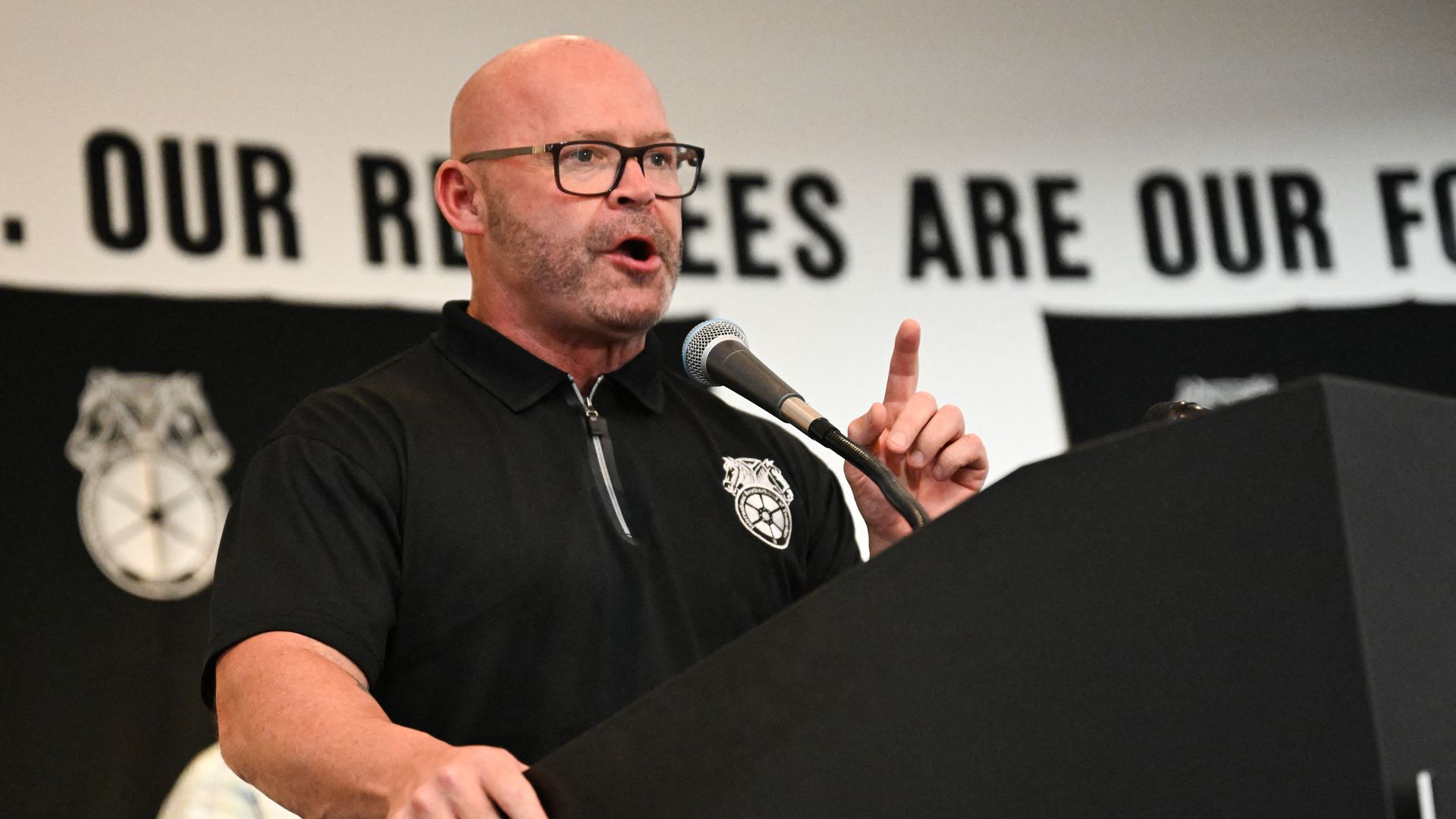
The International Brotherhood of Teamsters launched a strike against Amazon Thursday morning, saying workers at seven facilities would take to the picket line.
The big picture: The strike, which the union is calling the largest against Amazon in U.S. history, coincides with the final week of holiday shopping — one of the company's busiest times of year.


Behind the Curtain: Musk's America
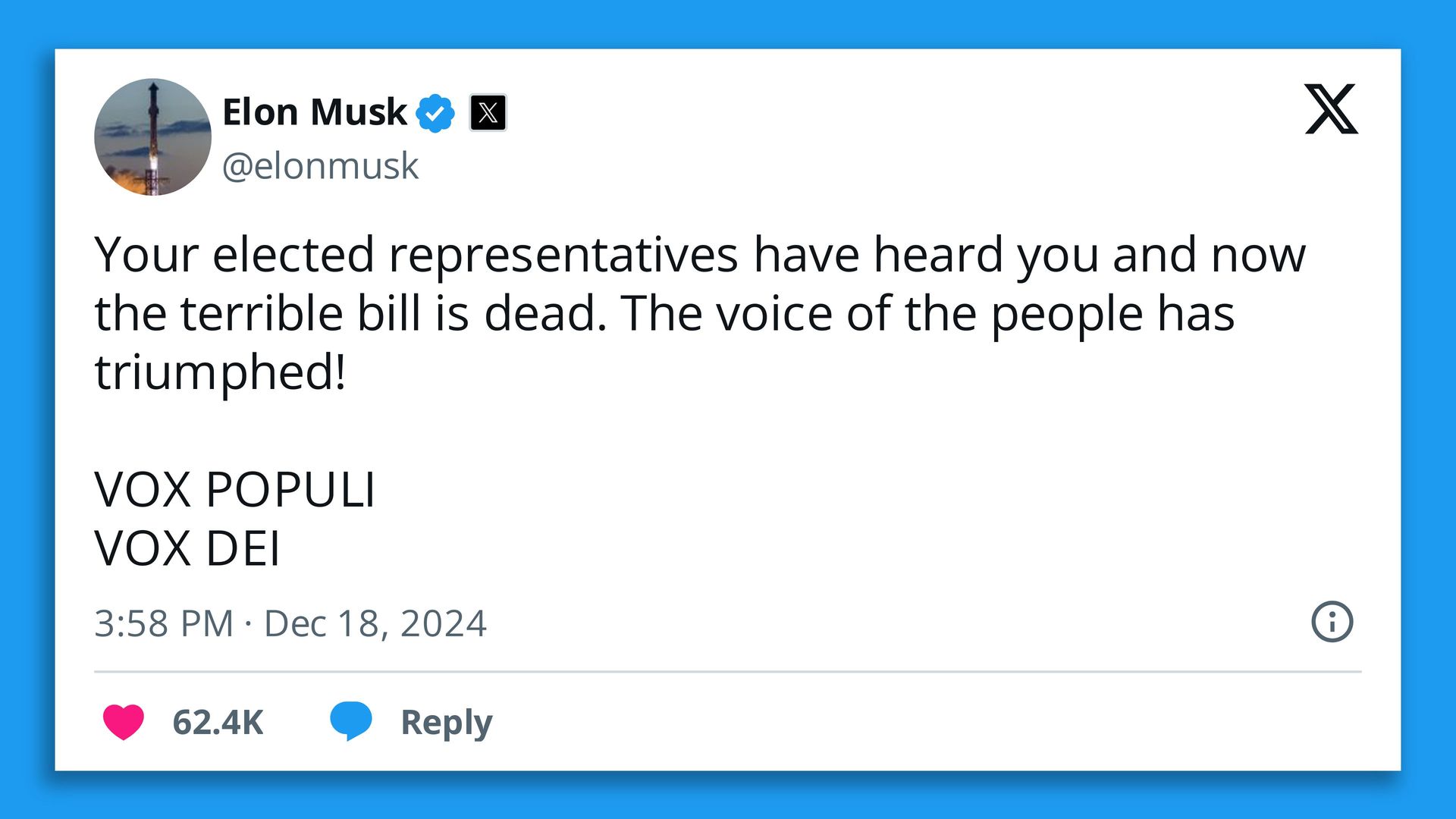
Elon Musk is arguably the most powerful person in business, the most powerful man in media and, at least at this moment, the most powerful man in politics.
Why it matters: This much power, across this many pillars of society, is without precedent. Musk yesterday single-handedly, his voice amplified by his daylong bombardment of scores of tweets on his X platform, sank a 1,547-page, bipartisan House spending bill aimed at preventing a government shutdown at 12:01 a.m. Saturday.

OpenAI's chairman wrestles with the company's future

OpenAI's planned restructuring will likely require the company's board to put a price tag on its groundbreaking technology.
Why it matters: OpenAI wants to spin out its for-profit subsidiary as an independent company and give it control over OpenAI's innovations — but in order to do that, the nonprofit that now controls the company will want, and is legally required, to be fairly compensated.