Elon Musk, one of President-elect Trump's closest allies, railed against the bill to avert a looming government shutdown Wednesday, calling on lawmakers to strike down the stopgap measure in a series of tweets.
Why it matters: Musk's discontent is another pressure point on House Speaker Mike Johnson (R-La.) as the Tesla CEO's influence has grown among MAGA-minded lawmakers.
OpenAI on Wednesday introduced a new way to talk to ChatGPT by dialing 1-800-CHATGPT or messaging the viral chatbot on WhatsApp.
Why it matters: The feature is another step toward the company's wide-scale AI adoption goals and user accessibility as it competes with Amazon-backed Anthropic, Google and Meta.
Google Trends released Christmas cookie data on the most searched cookies Wednesday based on searches from Dec. 10-17. Illustration: Courtesy of Google
The most popular Christmas cookies of 2024 are a mix of classic and festive varieties, according to Google Trends data.
Why it matters: Baking or buying Christmas cookies is a longstanding holiday tradition for many families with some also leaving a plate for Santa.
Grammarly, a writing assistant valued by VCs at $13 billion, agreed to buy productivity startup Coda, with Coda's CEO Shishir Mehrotra to take that position at Grammarly.
Why it matters: Grammarly is kinda/sorta one of the earliest AI agents, founded in 2009, but faces extinction-level competition from the GenAI class. Merging with Coda helps it expand from a one-trick pony into a productivity stable.
Grubhub will pay a $25 million settlement after an investigation by the Federal Trade Commission and Illinois Attorney General Kwame Raoul alleged deceptive and unlawful business practices.
Why it matters: The settlement will require the company to make major changes and is a part of the FTC's ongoing targeting of junk fees.
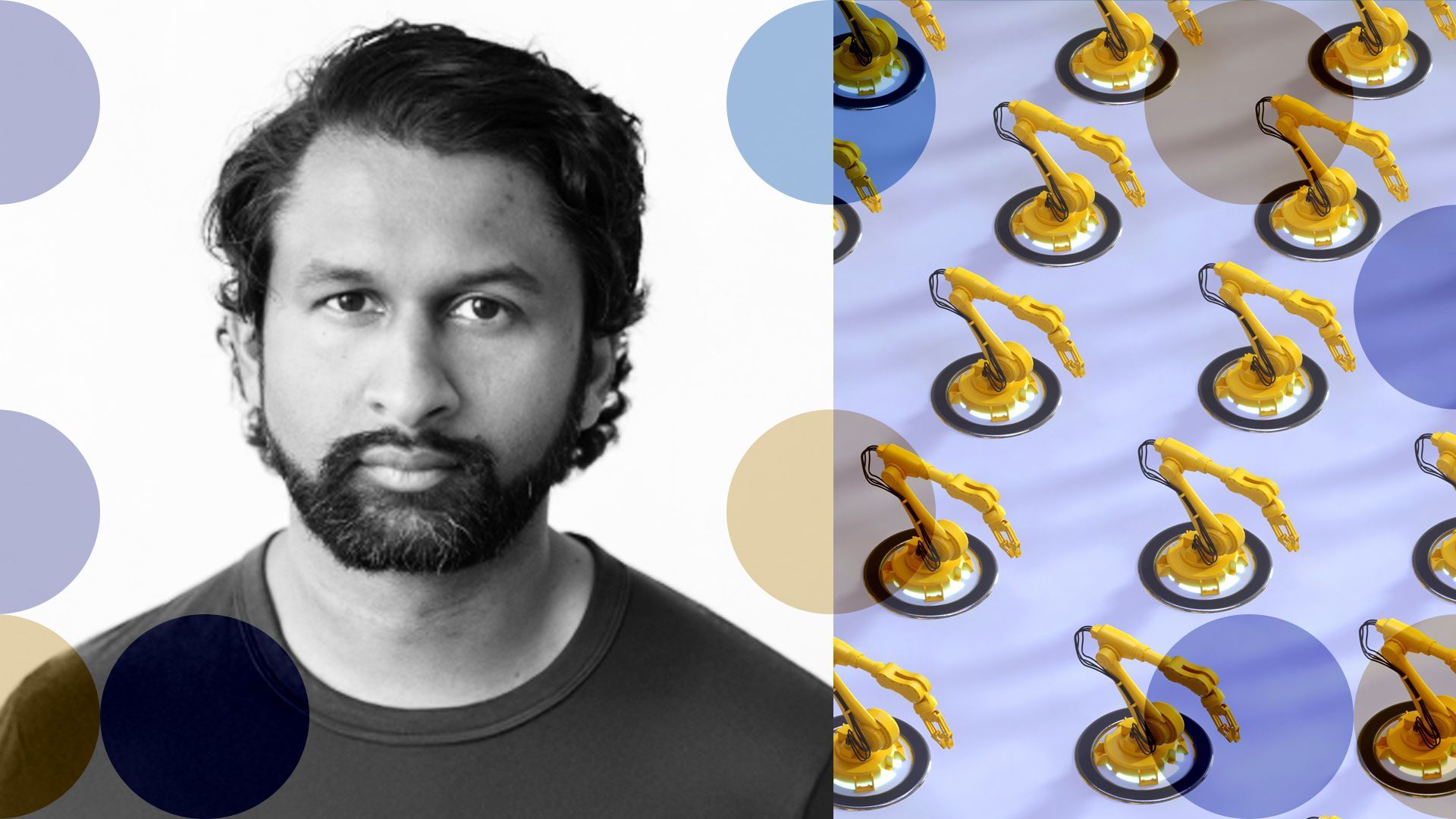
Innovation in the physical sciences goes underappreciated in some national security circles, according to Dhruva Rajendra, the founder and chief executive of Deterrence.
"In our world, a lot of chemistry we use is like half a century old or more," he told Axios in an interview. "I think at some point that will catch up with us."
Why he matters: The company "builds robots that make explosives," in Rajendra's own words. Energetics are a critical component of war.
The team recently secured $10.1 million in seed funding, as Axios first reported.
Ordinary guns are emerging asa dramatic defenseagainst drone attacks. Clips coming out of the Russia-Ukraine war show lucky shots saving lives when all else fails.
Why it matters: Combatting unmanned tech requires many tools, ranging from incredibly precise and expensive missiles to sci-fi-adjacent directed energy to cope cages and whatever else is in-hand at the moment.
Drone hysteria has been gripping the East Coast. It's proven two things:
Unmanned tech flexed by the Pentagon and so frequently seen in faraway wars has permeated public thinking.
The U.S., with its patchwork abilities to report, track and engage drones, is not ready for a real incursion.
Why it matters: Foreign surveillance of sensitive sites — military outposts, nuclear energy plants, weapons factories and more — is a serious hazard. But in many purported instances, that's simply not what's happening.
The Biden administration is readying dramatic last-minute steps to preserve a crucial advantage in its AI arms race with China: supply of the world's most advanced chips.
Why it matters: The chips needed to develop cutting-edge AI are the most valuable pieces of hardware on Earth, and the best chips Chinese firms can produce lag about five years behind the top end of the market.
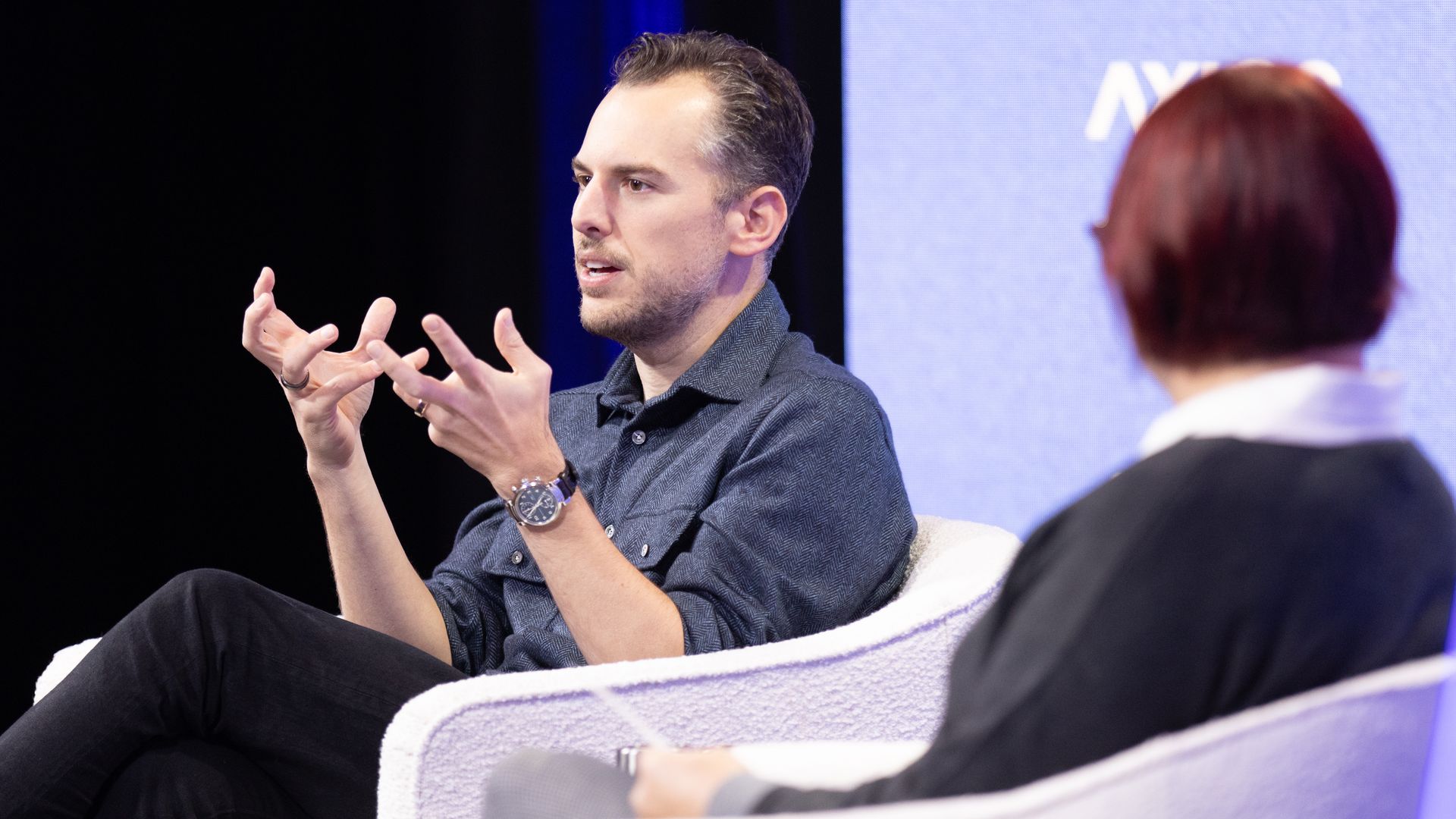
AI agents are still at least a year away from being able to work autonomously, Anthropic chief product officer Mike Krieger told Axios' Ina Fried at the Axios AI+ Summit Tuesday.
The big picture: Krieger compared users' adoption of AI agents as they evolve to the process of drivers adapting to Tesla's self-driving mode.
"It's peak AI bubble," DataBricks' CEO Ali Ghodsi told Dan Primack at Axios' AI+ Summit in San Francisco.
Why it matters: Earlier on Tuesday, AI company Databricks announced it had secured up to $10 billion in new funding — one of the largest investment rounds in Silicon Valley history — at a $62 billion valuation.
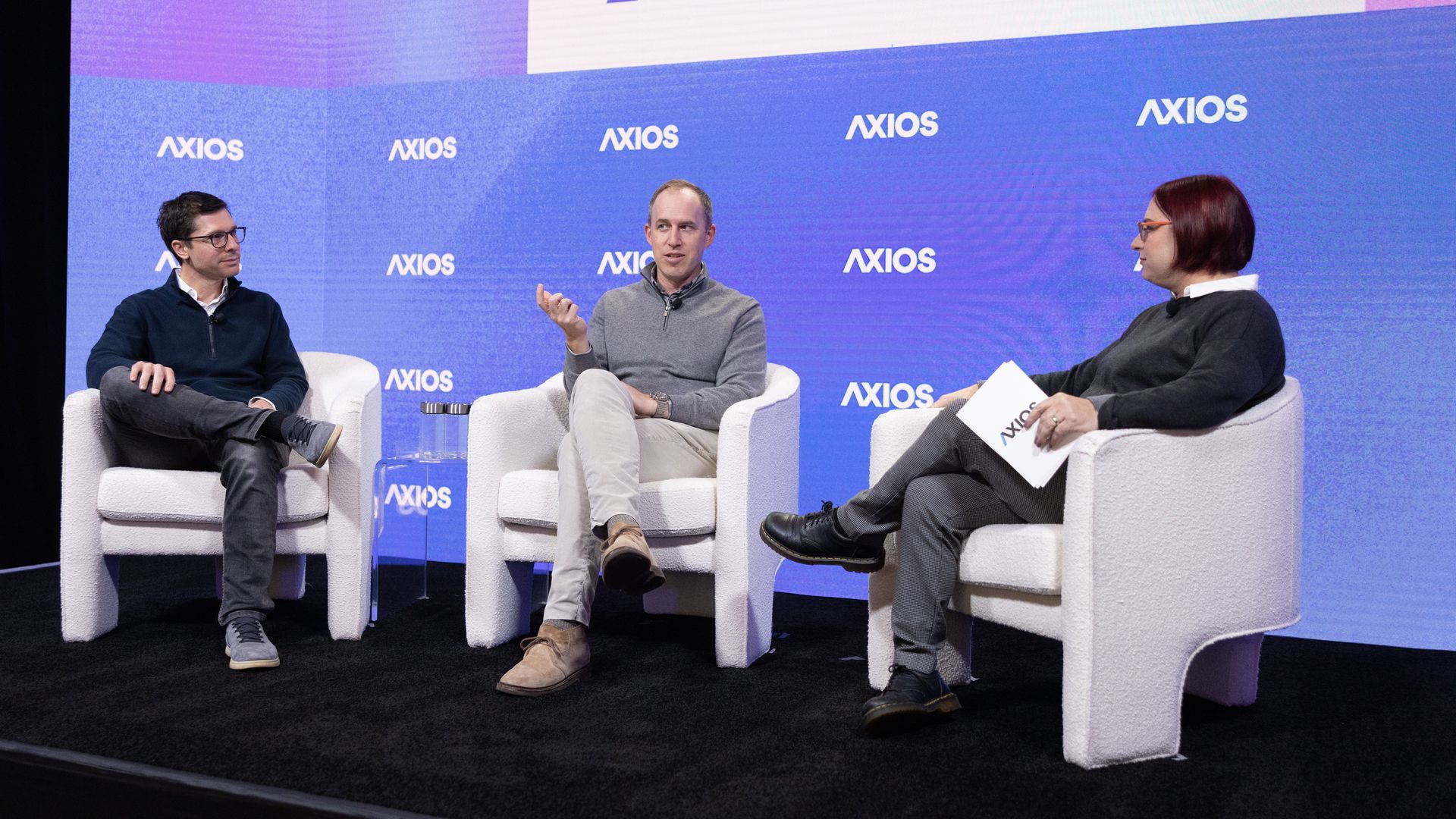
The big picture: Sierra, a startup from former Salesforce executive and OpenAI chair Bret Taylor and ex-Google exec Clay Bavor, has been focused on AI agents from the start. Now, they're building on that technology with "supervisor agents."