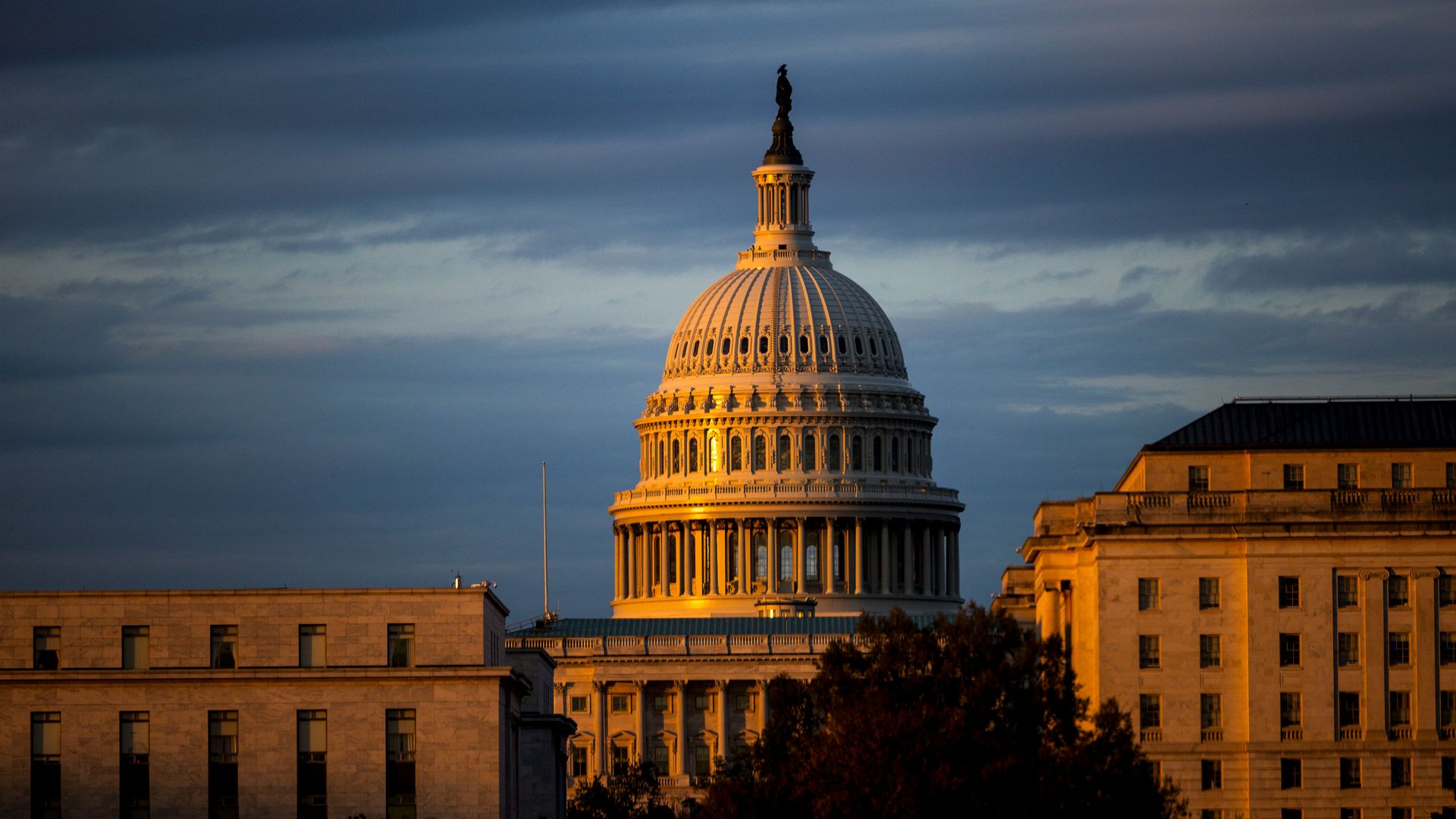
Congress stopped the clock ticking toward a government shutdown early Saturday after the Senate followed the GOP-controlled House's lead in passing a stopgap measure that runs through March.
The latest: The resolution came after a Trump-backed plan to suspend the debt ceiling failed in the House Thursday and was nixed from the funding plan.
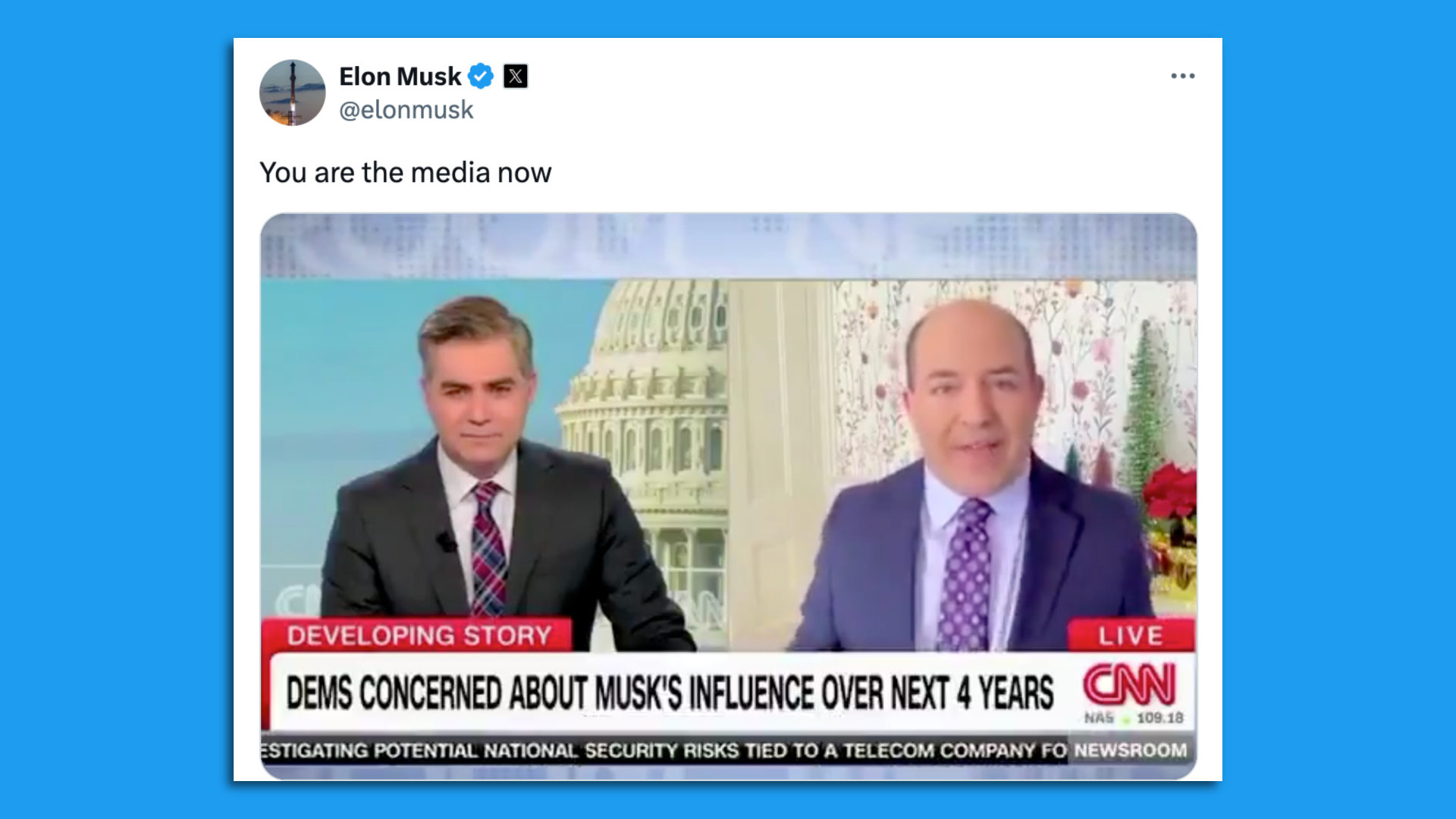
The MAGA-verse, with President-elect Trump and Elon Musk at the helm, continues to wield unprecedented power over Congress — but it has also found its limits.
Why it matters: Three times now, the influential voices surrounding Trump — often organizing on X — have failed to get exactly what they want.
OpenAI on Friday detailed o3, the next in its foundation models that focus on the ability to do multi-step reasoning.
Why it matters: OpenAI and others are trying to keep the pace of progress while grappling with the fact that they have already ingested nearly all the readily available content from the Internet.
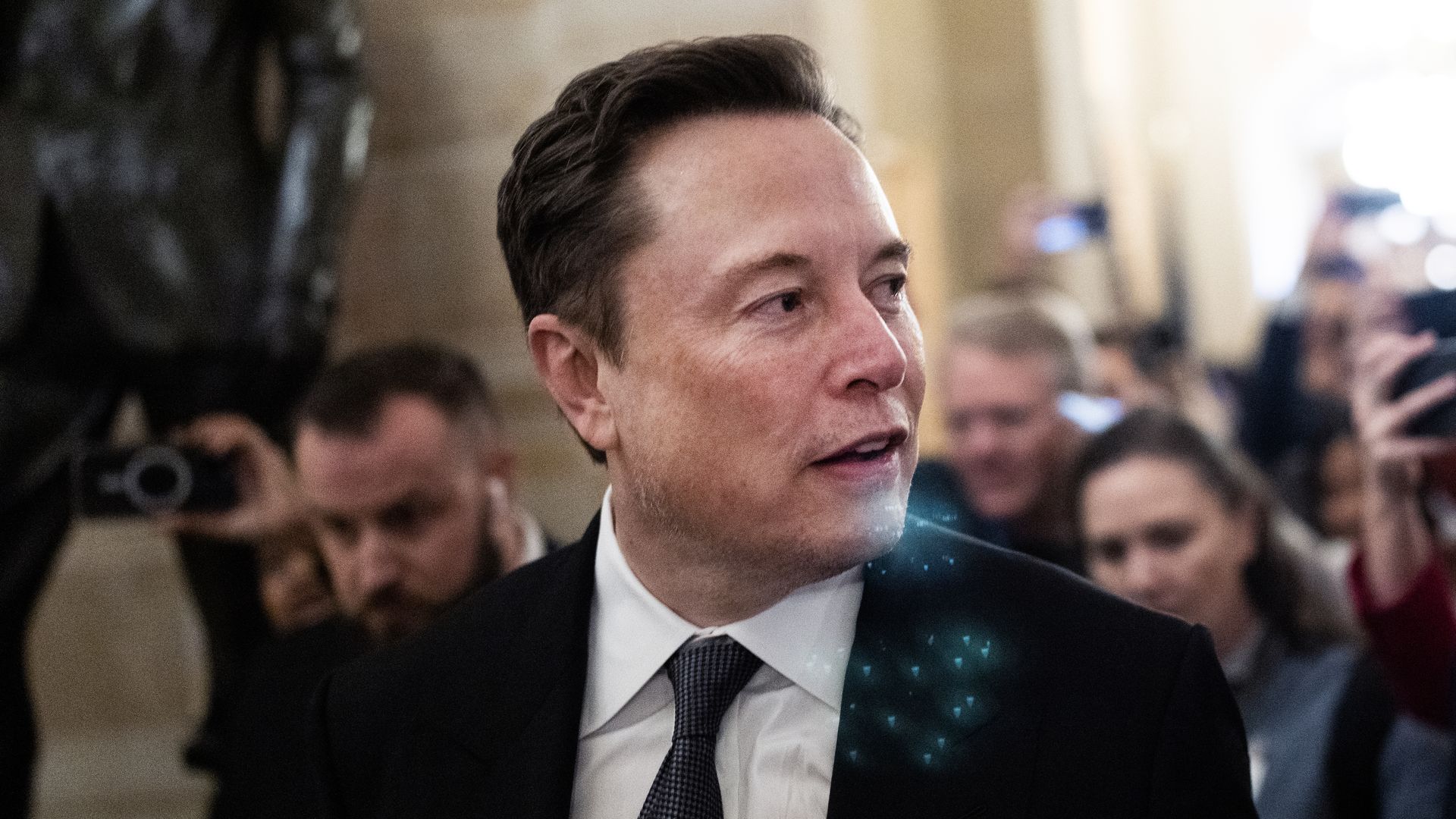
The big picture: The X owner has used his social media platform to promote his own ideologies. Since gaining more influence in the incoming Trump administration, the billionaire CEO appears to be exercising that power over politics in the U.S. and abroad.
There's plenty to say about the failures that let hackers inside companies this year.
But senior officials and industry executives say there's also a lot to be proud of in 2024.
I spent the last weekasking them what those successes — and failures (see below) — actually are. Here's what they said:
Todd McKinnon, CEO of Okta: "There was more collaboration across the industry. Security is a team sport, and we're all focused on the same threats. We have to work together to win — we can't rest on our laurels."
Hari Ravichandran, founder and CEO of Aura: "There has been a lot of enthusiasm around consumer education and security awareness, so I think consumers are getting a lot smarter about what to look for to identify threats."
The cybersecurity industry has a lot of room to grow in the new year — as evidenced by the long list of attacks that started with simple mistakes.
Why it matters: Companies keep repeating the same mistakes that allow malicious actors to break into their systems.
Finding new solutions will be a huge focus of 2025 and beyond, experts say.
Along with the wins, I also asked experts to share the biggest failures of 2024. This is what they said:
Mike Wiacek, founder and CEO of Stairwell:"2024 showed that even the best-in-market tools remain vulnerable to increasingly evasive attackers, as seen in incidents like the UnitedHealth Change Healthcare ransomware attack."
🚨 The Commerce Department is weighing a ban on routers from China-based manufacturer TP-Link, which account for 65% of the U.S. router market, amid growing hacking concerns. (Wall Street Journal)
🏛️ Congress approved $3 billion in new funding for the Federal Communications Commission's effort to rip and replace Chinese equipment from telecom networks. (Washington Post)
👋 Rob Silvers, undersecretary for policy at the Department of Homeland Security, left his post this week after giving notice before Thanksgiving. (The Record)
@ Industry
💰 Bureau, a fast-growing cybersecurity startup focused on user-identity fraud prevention, raised a $30 million round led by Sorenson Capital. (Reuters)
Sunairio, an AI-driven weather and climate modeling software firm aimed at boosting energy grid reliability, raised $6.4 million in a new funding round, Axios has learned.
Why it matters: The investment demonstrates the demand for software that uses AI to provide specific and actionable information for the energy industry.
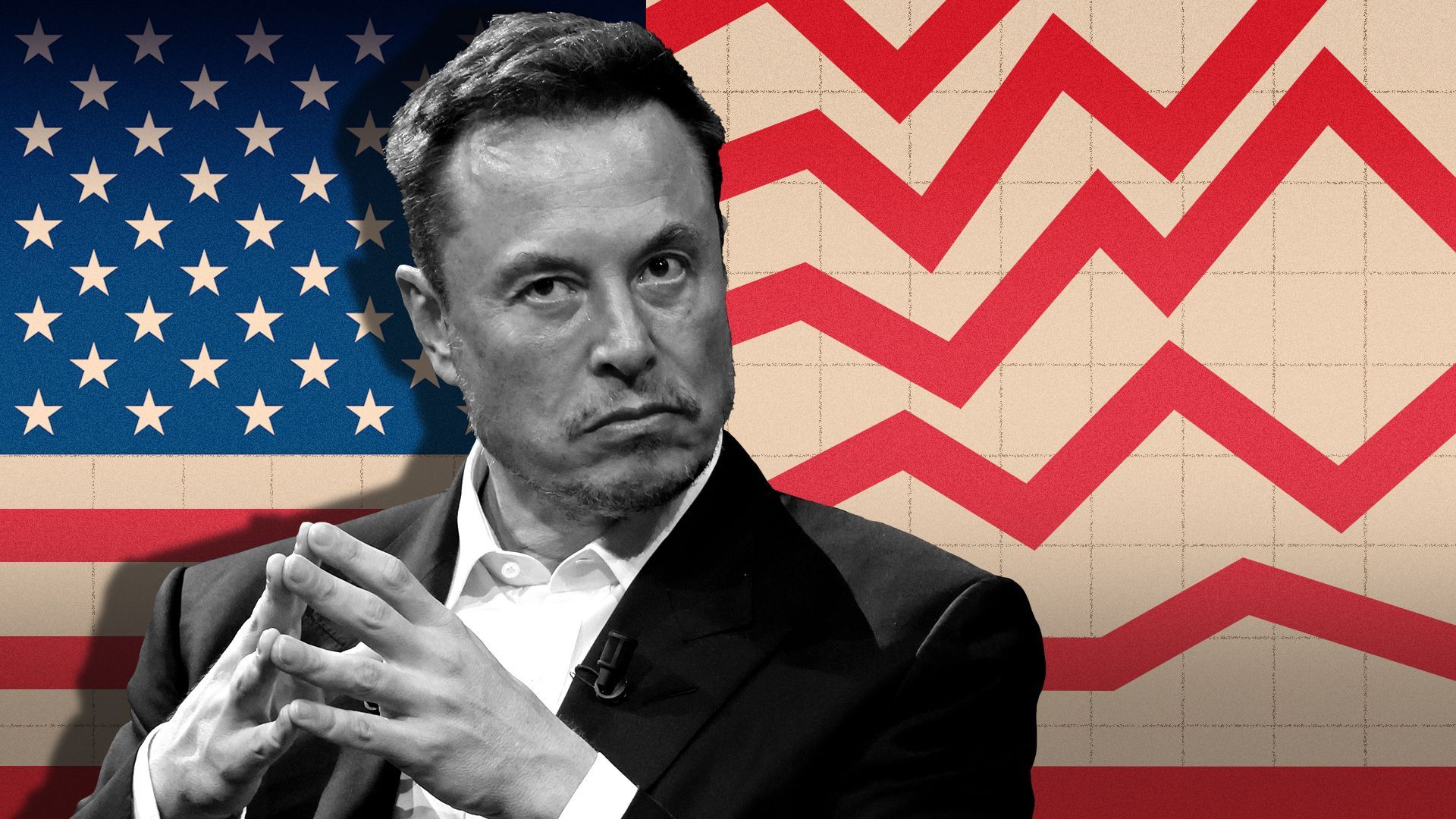
When things are going fine, blow everything up and risk it all. That principle has made Elon Musk the richest human alive — and he's now applying it to the government of the United States.
Why it matters: High risk can mean high return — or it can mean ruin.
This week's epic fight over funding the government captures the power — and flaws — of the new information ecosystem.
Why it matters: Elon Musk and his followers on X proved they dominate the Republican media industrial complex — using a digital revolt to kill a spending bill, and open the door to a government shutdown. That revolt was powered by some false information, tweeted with total self-certainty.