In the AI chips race, Nvidia is No. 1. But it's Lisa Su — CEO of Nvidia's biggest competitor, AMD — who is Time's business leader of the year.
What they're saying: AMD "really is one of the great turnaround stories of modern American business history," Chris Miller, a semiconductor industry historian, tells Time.
The big picture: The stock has grown from $3 to $140 over the past decade of her leadership.
That astronomical growth is a reflection of Su's redesign of the company's processor products, repairing of customer relationships, and strategic steering of AMD through industry changes, including the rise in demand for AI computing power.
In the past year, AMD's projected revenue from specialized AI chip sales has grown from essentially zero to $5 billion, Time notes.
A week after the shooting death of UnitedHealthcare CEO Brian Thompson, a book criticizing the U.S. health care industry skyrocketed to the top of an Amazon bestseller list.
The big picture: Author Jay Feinman's "Delay, Deny, Defend: Why Insurance Companies Don't Pay Claims and What You Can Do About It" is second on the site's nonfiction bestseller list Wednesday. The words "delay," "deny" and "depose" were found etched on bullet casings at the site of the CEO's killing.
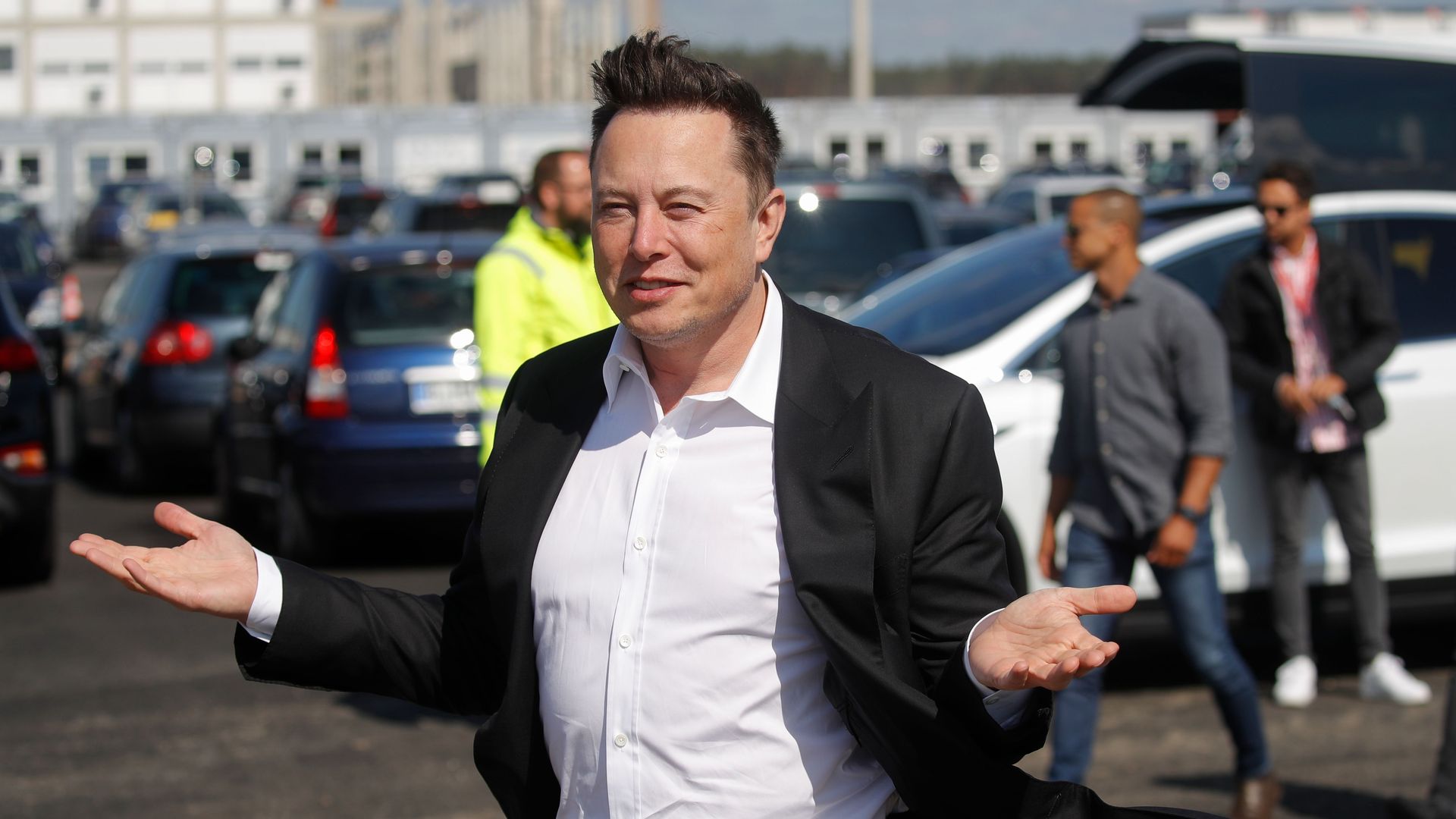
Teslas make a statement, now literally — a growing number of owners are using bumper stickers to disassociate themselves from billionaire CEO Elon Musk as he deepens his alliance with President-elect Trump.
Why it matters: Matthew Hiller, an Etsy vendor selling anti-Musk bumper stickers, said he's experienced a surge in business since Musk started campaigning with Trump, The New York Times reports.
Meta apps Facebook, Instagram, Threads and WhatsApp aren't loading for some users across the world and are showing error messages.
Why it matters: The global outage follows Meta's outage from March that took down Facebook and Instagram for more than two hours due to a technical issue.
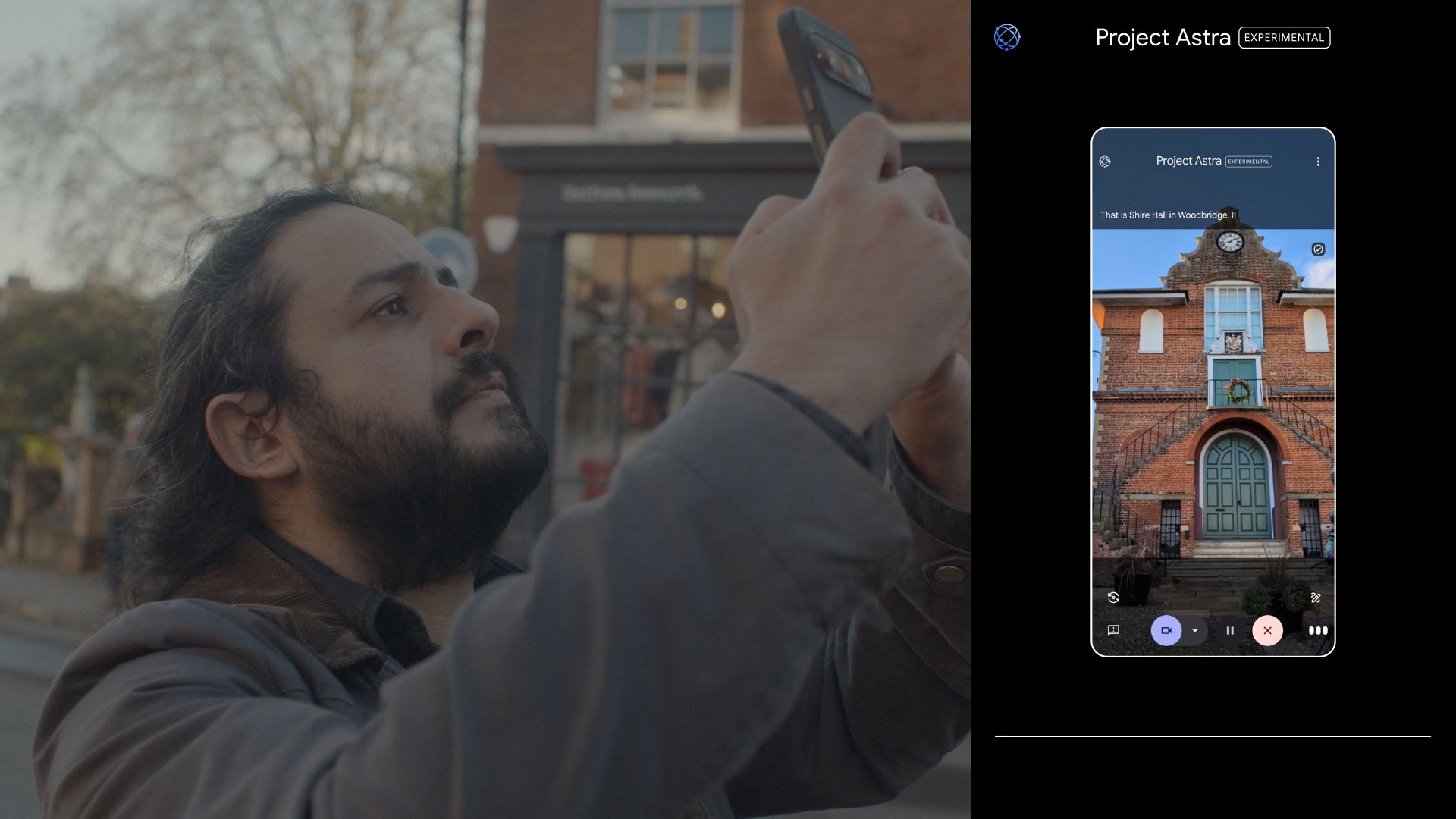
Google is showing off an updated version of Project Astra, the all-seeing, all-hearing and all-remembering experimental AI assistant it showed a glimpse of earlier this year.
Why it matters: Astra offers a preview for some of the ways future AI assistants will help navigate the physical world.
Google Gemini 2.0 — a major upgrade to the core workings of Google's AI that the company launched Wednesday — is designed to help generative AI move from answering users' questions to taking action on its own, Google DeepMind CEO Demis Hassabis tells Axios.
Why it matters: Google, like others in the industry, is heavily touting the potential of AI agents. But the technology needs a boost in performance and accuracy if it's going to be able to act reliably with less human supervision.
The biggest challenge the defense industry faces, according to Booz Allen Hamilton CEO Horacio Rozanski, sounds a lot like the science problem turned novel turned Netflix series.
"In physics, there's this thing called the three-body problem, right?" he told Axios in an interview.
"We have a three-timeframe problem, which is that, at the same time, we're investing in the technologies of the Cold War, the technologies of today and the technologies of the future."
Why he matters: Rozanski has seen it all at Booz Allen. He started with the company — one of the world's largest defense contractors — in 1991 as a summer intern.
The defense world was buzzing over the weekend as the U.S. Air Force punted a decision on its futuristic fighter into the new year and into the hands of an administration that could doom it.
Why it matters: A shape-shifting, multibillion-dollar military endeavor feels like an easy target for an administration obsessed with government bloat.
The public trusts Anthony Fauci more than President-elect Trump and his incoming health team as a source of medical information, according to the latest Axios-Ipsos American Health Index.
But Robert F. Kennedy Jr.'s focus on safe food and nutrition clearly resonates with many Americans, who see chemicals and unsafe additives as a bigger health risk than climate change or infectious diseases.
Luigi Mangione, charged in the brazen murder of UnitedHealthcare CEO Brian Thompson, left behind a tantalizing digital footprint with few parallels in the history of famed assassins.
Why it matters: Mangione's alleged crime and possible motivations have sparked nationwide debates over America's health care system and its culture of violence, which have already rippled through business and politics.