King County Superior Court Judge Marshall Ferguson ruled today that the merger of Kroger and Albertsons violated Washington state consumer protection law and blocked it from moving forward there.
Why it matters: His decision, delayed from mid-November, quickly follows a federal court blocking the proposed combination.
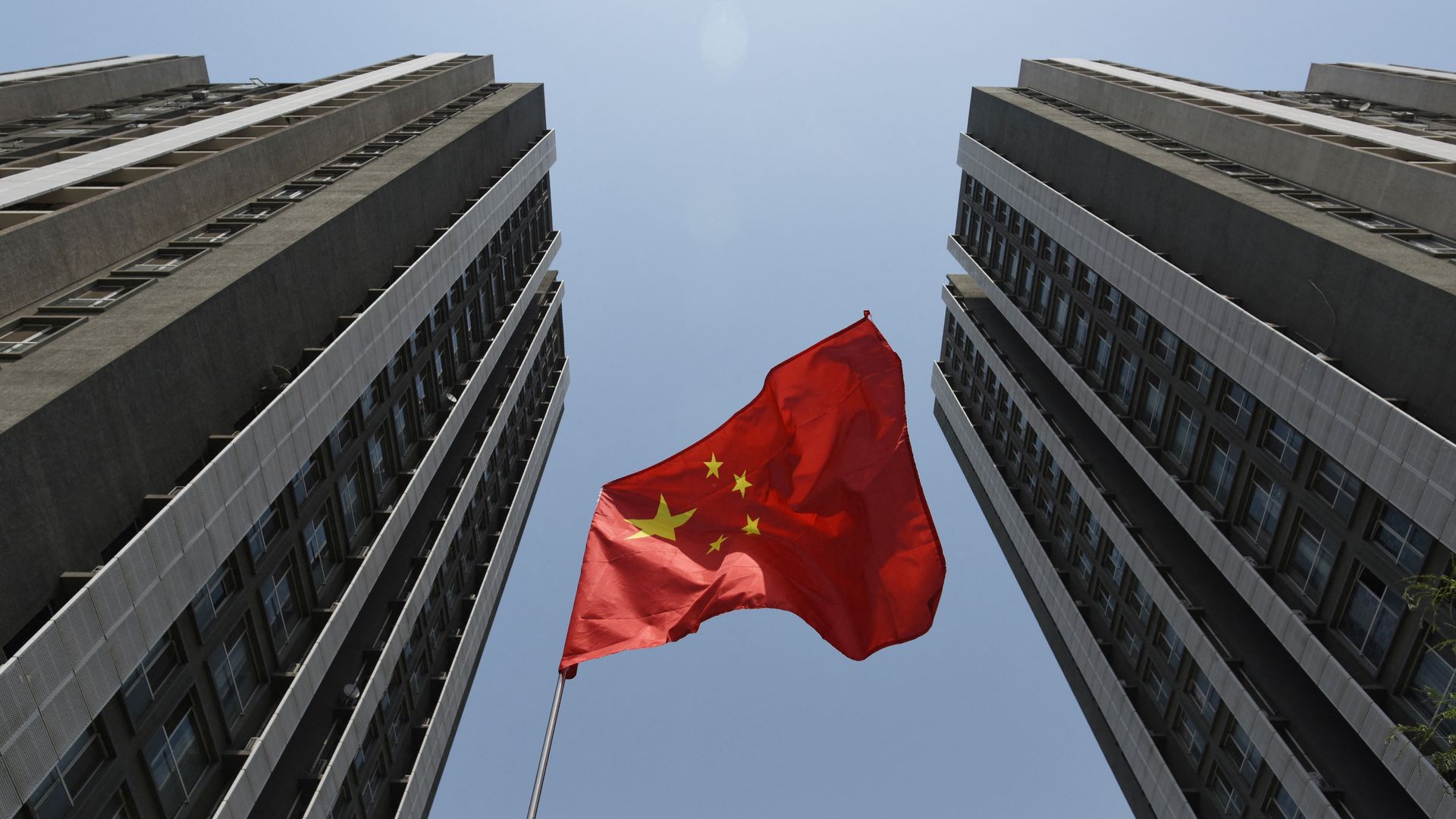
The U.S. has sanctioned a Chinese cybersecurity company and charged one of its employees with developing and distributing malware used to infect thousands of firewalls worldwide.
Why it matters: Many of the victims were U.S. critical infrastructure companies, officials said.
Microsoft shareholders have voted down a proposal to force the board to specifically evaluate investing some of the company's assets in bitcoin, following the recommendation directors.
Why it matters: Exchange-traded products in the U.S. have given institutional investors ready access to the original cryptocurrency, but the Microsoft decision shows that not everyone wants in quite yet.
Former intel officials Susan M. Gordon and Mike Studeman are now advising insider risk firm Dtex, the company first shared with Axios.
Why it matters: The two officials are highly respected in the cybersecurity industry, and they hope to bring more awareness to the risk that insiders can pose to a company's security.
Most publicly traded companies aren't sharing enough detail with investors about the cyber incidents that affect their business.
Why it matters: One year later, the Securities and Exchange Commission's cyber disclosure rules appear to be failing to solve the transparency problems they were supposed to fix.
Most publicly traded companies aren't sharing enough detail with investors about the cyber incidents that affect their business.
Why it matters: One year later, the Securities and Exchange Commission's cyber disclosure rules appear to be failing to solve the transparency problems they were supposed to fix.
By the numbers: Only 16.9% of public 8-K filings disclosing a cyber incident provided specific details about the material impact it had on the company's business, according to a report from BreachRx released today.
The report, shared exclusively with Axios, also showed that only 48% of 8-K filings provided any specifics about how the organization was responding to an ongoing incident.
Facebook parent Meta is launching a public awareness campaign today about the ways scammers are targeting users this holiday season.
Why it matters: Scammers are most successful when people are looking for deals, desperate to find certain merchandise, and busy.
Driving the news: Meta partnered with researchers at Graphika to track and remove scammers from the company's social media sites.
Ethical hacker Rachel Tobac also released a new video detailing the ways scammers could lure victims.
The video will be primarily shared on Meta's own platform and on Tobac's social media accounts.
Zoom in: Graphika released a report today detailing the ways scammers use popular sites, including Facebook, Instagram and WhatsApp, to convince people to share personal details about their lives or pay for fraudulent items.
Former intel officials Susan M. Gordon and Mike Studeman are now advising insider risk firm Dtex, the company first shared with Axios.
Why it matters: The two officials are highly respected in the cybersecurity industry, and they hope to bring more awareness to the risk that insiders can pose to a company's security.
The big picture: Dtex provides software tools to help companies manage who has access to their networks and to detect abnormal behavior.
That behavior can look like an employee downloading a large number of files or logging into systems they don't normally access.
It also accounts for malicious hackers posing as employees who might log in at weird hours to scope out the company's networks.
👀 Brian Harrell, a Department of Homeland Security official during Trump's first term, is among those invited to interview at Mar-a-Lago for a cyber role. (The Record)
🏛️ TikTok asked the U.S. Court of Appeals to halt the ban-or-divest law pending a Supreme Court review. (Axios Pro)
🫠 Brendan Carr, Trump's pick to run the FCC, told CNBC that the information he's learned about Salt Typhoon recently has made him want to "basically smash my phone." (Cybersecurity Dive)
@ Industry
🤖 OpenAI released its AI-generated video tool, Sora, to paying customers. (Axios)
🏃♂️ Google has released its new quantum chip, which the company says can perform calculations in five minutes that would take typical supercomputers 10 septillion years. (Axios)
Even before police arrested Luigi Mangione in connection with the killing of UnitedHealthcare CEO Brian Thompson, some on the internet were hailing him as a 21st-century Robin Hood.
The big picture: Mangione's arrest has done little to slow the internet's lionization of him, but Thompson's death has spurred online vitriol toward the insurance industry and a tsunami of memes celebrating the suspect.
The news that Nvidia is being investigated by Chinese antitrust authorities helped to depress the S&P 500 on Monday. Some stock analysts, however, are worried less about the volatility in megacaps and more about stretched valuations everywhere else in the market.
Why it matters: The valuation of the S&P 500 is very concentrated in a handful of tech stocks. But those "Magnificent 7" companies are mostly trading at valuations they've seen before. It's the rest of the market that's in uncharted territory.
The incoming Trump administration will give Silicon Valley moguls unprecedented federal power, with tech-friendly officials and policies intertwined throughout government.
Why it matters: The tech economy's most aggressive disrupters want to apply their ethos and thinking to government. AI, crypto and move-fast, break-things thinking will be at the center of the new Washington agenda — with America's technological lead over China in the balance, and vast fortunes at stake.
OpenAI is putting its powerful video creation tool, Sora, in the hands of basically every one of the millions of people who pay for ChatGPT, the company said yesterday.
Why it matters: We're about to witness an at-scale experiment in what it means for people to create and consume large quantities of video content that is photorealistic but fake.
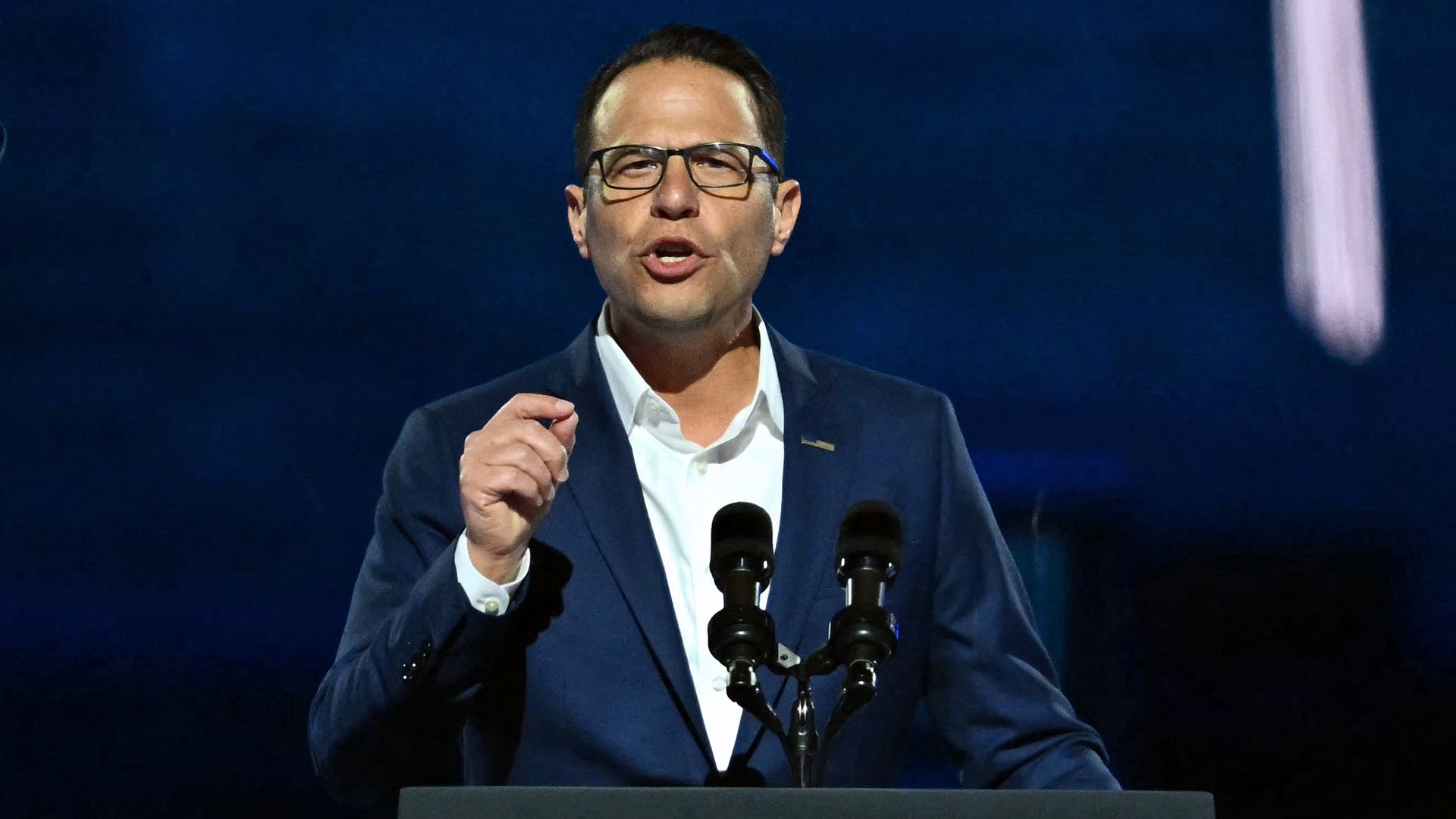
Pennsylvania Gov. Josh Shapiro said Monday some reactions to the fatal shooting of UnitedHealthcare CEO Brian Thompson have been "deeply disturbing, as some have looked to celebrate instead of condemning this killer."
The big picture: Shapiro noted at a Monday evening briefing the outpouring of online vitriol toward the insurance industry since Thompson's killing in New York City last week.