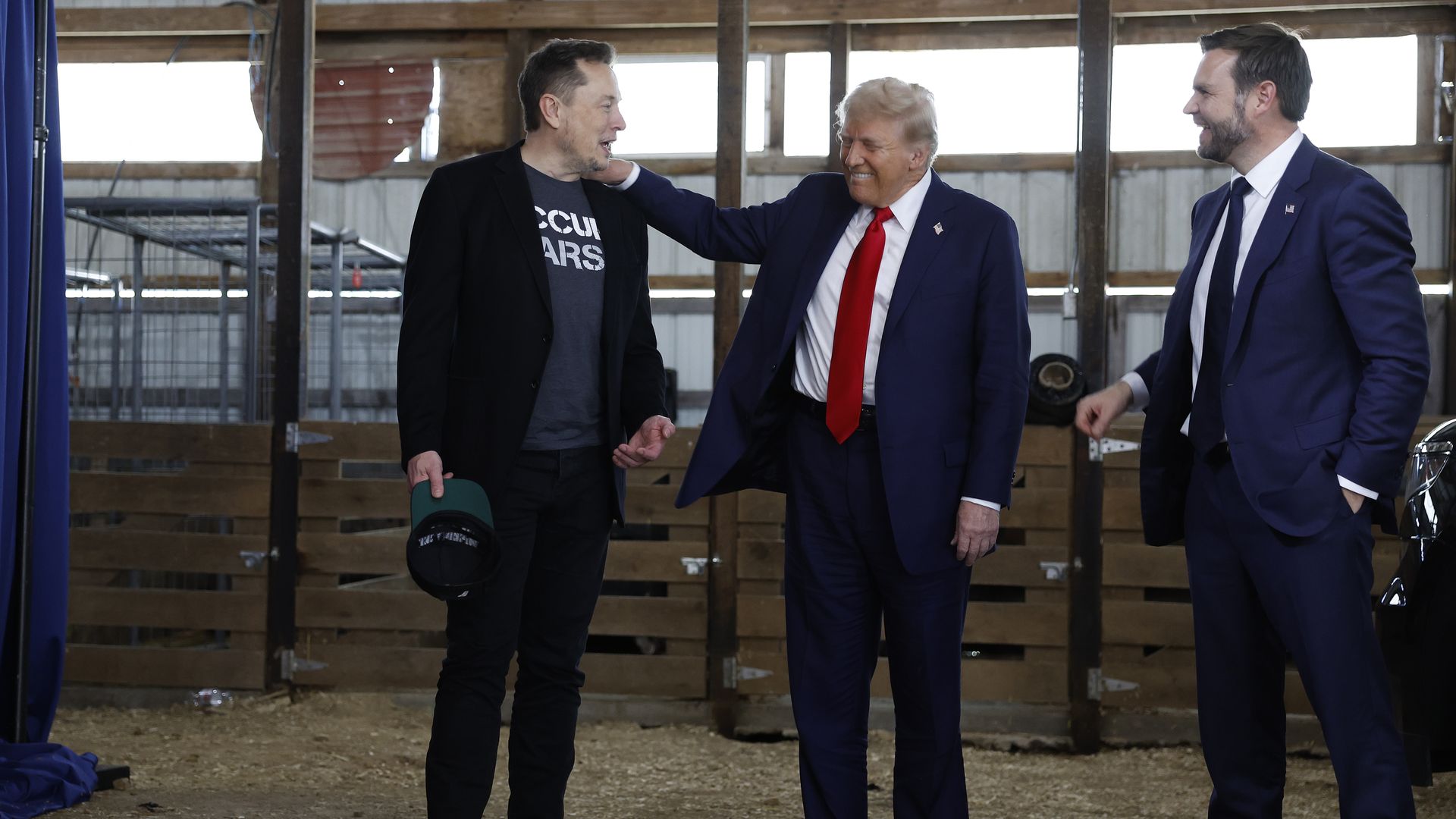
President-elect Trump is taking a very different approach to staffing his second administration:
He's putting a premium (so far) on picking people who are both experienced and MAGA loyalists, transition insiders tell us.
Why it matters: In Trump's first term, many of the top players were either experts or true believers — but rarely both.
The result was a dysfunctional, chaotic administration that, officials recognize in retrospect, could have accomplished a lot more. Trump is determined to fix that, we're told.
Meta and Google have both informed advertising partners that their temporary bans on election ads are being lifted, Axios has learned.
Why it matters: Last cycle, due to a runoff election in Georgia and concerns abound the spread of election results misinformation, both companies extended temporary ad bans longer than expected.
Federal and state authorities are investigating a string of racist text messages sent to Black people across the U.S. during the week of the presidential election.
The big picture:Racist messages echoing slavery's horrors have hit phones nationwide, targeting students and adults alike.
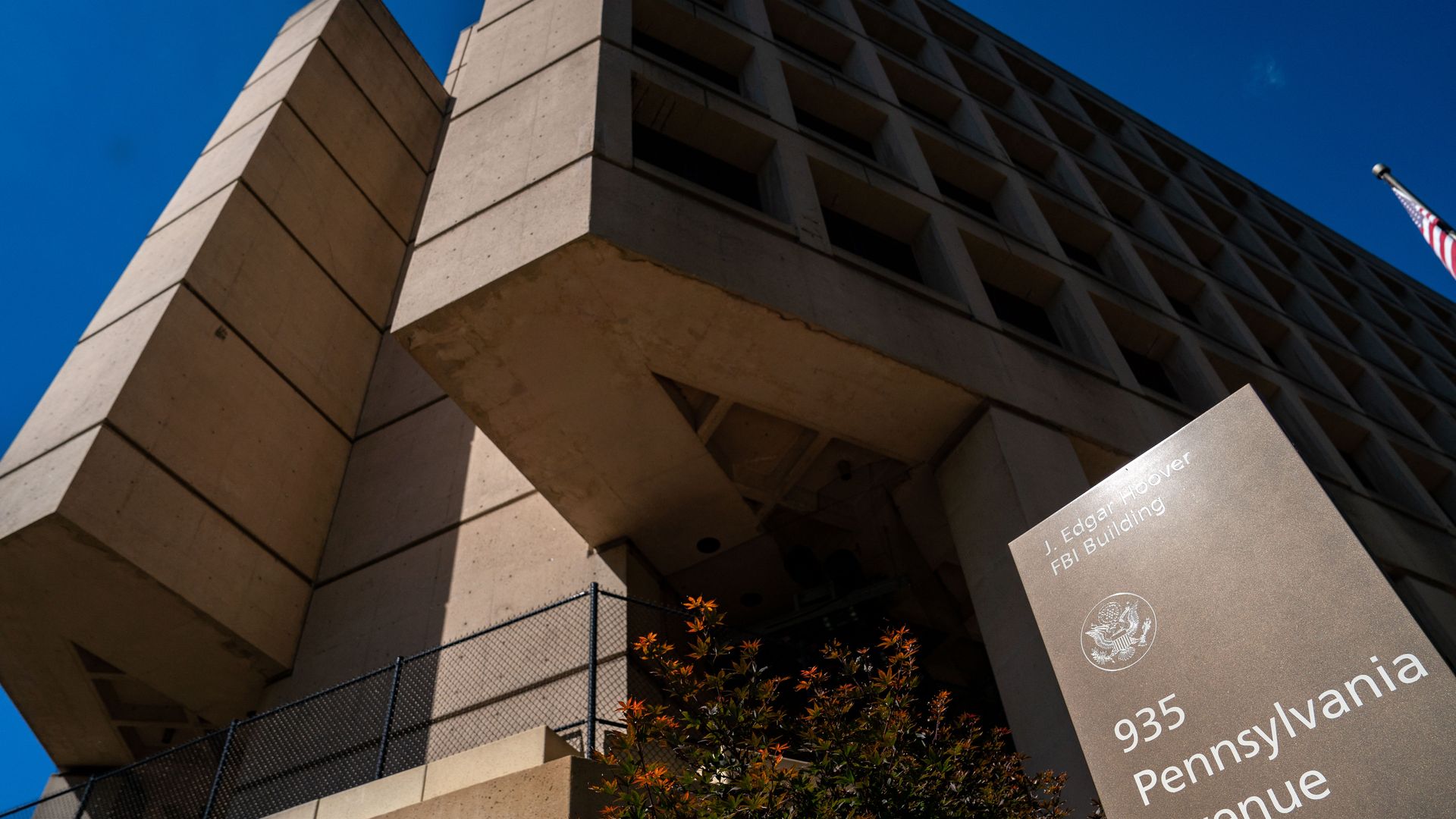
As the Trump transition gets underway, the cybersecurity industry is anxiously wondering whether key agencies will get new assignments and who will be tapped for top government positions.
Why it matters: Those who have President-elect Donald Trump's ear in the White House and the leaders of top cybersecurity agencies set the tone for how the United States responds to nation-state cyberattacks and how it dictates new security requirements for companies.
OpenAI paid around $15 million to purchase the Chat.com domain from HubSpot co-founder and CTO Dharmesh Shah.
Why it matters: This is believed to be one of the most expensive domain purchases ever, albeit a far cry from the $872 million that Gannett paid in 2014 for Cars.com (as part of a broader purchase).
As the Trump transition gets underway, the cybersecurity industry is anxiously wondering whether key agencies will get new assignments and who will be tapped for top government positions.
Why it matters: Those who have President-elect Donald Trump's ear in the White House and the leaders of top cybersecurity agencies set the tone for how the United States responds to nation-state cyberattacks and how it dictates new security requirements for companies.
The big picture: Expect the new Trump administration to return to the White House with intentions of picking up on cyber policy where it left off in 2020, an industry source close to the transition told Axios.
☎️ China's Salt Typhoon hackers stole call logs, unencrypted texts, and audio from phone calls from potentially thousands of Americans, including senior national security officials, during their recent operation. (Wall Street Journal)
🏛️ Several House committees were briefed this week about the extent of the Salt Typhoon hacks. (CyberScoop)
⚠️ The email addresses purportedly used to send bomb threats to polling places earlier this week are also tied to threats made to LGBTQ events in Massachusetts, Minnesota and Texas in June. (CNN)
@ Industry
💰 CrowdStrike is acquiring Israeli security startup Adaptive Shield in a reported $300 million deal. (SecurityWeek)
Donald Trump's phone call with Ukrainian President Volodymyr Zelensky on Wednesday included two surprises: Elon Musk was also on the line, and Zelensky was somewhat reassured by what he heard from the president-elect, two sources with knowledge of the call tell Axios.
Why it matters: The new details of the call underscore how influential Musk could be in the second Trump administration, and the uncertainty over how exactly Trump will approach Ukraine.
Palantir and Anthropic are partnering with Amazon Web Services to make Anthropic's Claude models available to U.S. intelligence and defense agencies, the companies announced Thursday.
Why it matters: As Washington rushes to bring AI to every nook and cranny of government, companies that have already mastered the public sector's complex contracting requirements have a leg-up.
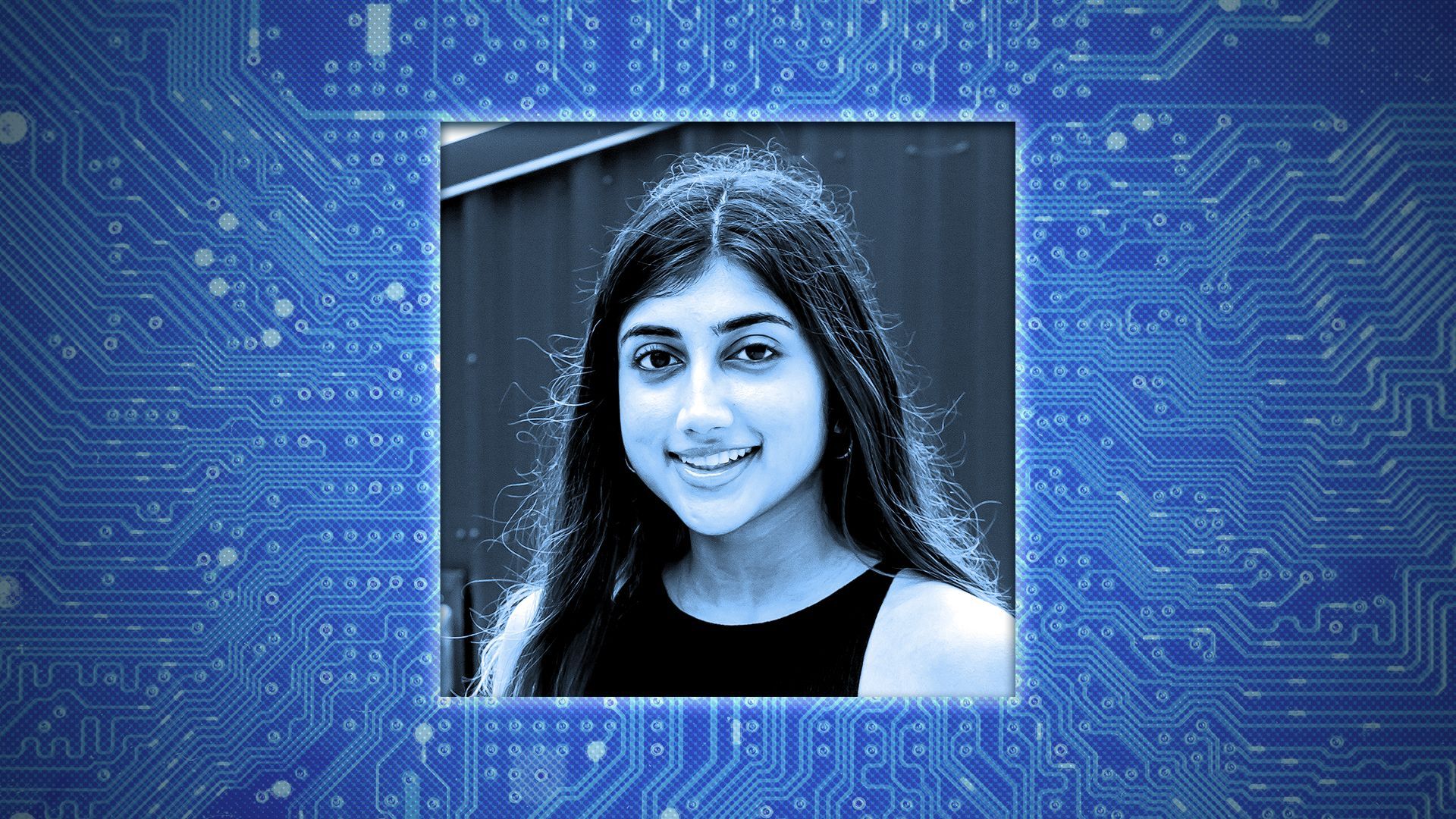
The daunting overload of digital evidence public defenders face — including exponentially more body camera footage than they can review — prompted young entrepreneur Devshi Mehrotra to create an AI assistant for them.
Why it matters: A decade ago, a wave of whistleblowers, mostly women of color, called out bias in algorithms, and now a new generation of entrepreneurs is getting down to work on countering the problem.








/2024/11/08/1731083668205.gif?w=3840)