Cloud computing company Snowflake warned its customers over the weekend that hackers appear to be targeting accounts that don't use multifactor authentication (MFA).
Why it matters: The warning is the latest installment in a confusing and rapidly evolving tale that may also involve the headline-grabbing Ticketmaster breach.
🏛️ The Federal Trade Commission has held meetings with tech executives to inform a possible antitrust probe into Microsoft's licensing and bundling strategies, including the cybersecurity implications. (Nextgov/FCW)
📝 The Department of Health and Human Services will now allow Change Healthcare to file breach notifications on behalf of thousands of organizations affected by its ransomware attack. (The Record)
@ Industry
⚠️ More than a dozen current and former employees of OpenAI and Google DeepMind have signed a letter expressing concerns about the industry's approach to safety. (Axios)
💻 Security researchers are starting to dig into Microsoft's new Recall feature — and they're not too happy about its potential impact on a device's cybersecurity. (The Verge)
An open letter signed by a group of more than a dozen current and former employees of OpenAI and Google DeepMind calls for more transparency and better protections for whistleblowers inside companies developing advanced AI.
There are 40 million daily active users of Facebook in the U.S. and Canada between the ages of 18 and 29, says Tom Alison, the app's head.
Reality check: Facebook, which turned 20 this year, is being selective about how much it's choosing to reveal, but rough estimates suggest that's just 19% of its North American daily active user base.
Joby Aviation's electric air taxi service is still a couple of years from launch, but a deal announced today shows the company is already preparing for the next phase of aviation: autonomous flights.
Why it matters: Self-flying electric vertical takeoff and landing air taxis (eVTOLs) could make transportation cleaner, quieter, safer and more affordable, proponents say.
Data: Federal Reserve Survey of Household Economics and Decisionmaking; Chart: Axios Visuals
There's a big, nonpartisan gap between how people see their finances (pretty good) and their view of the overall economy (terrible).
Why it matters: The schism has both political implications — it's hard to get re-elected if voters think the economy stinks — and points to troubling conclusions about Americans' awareness of economic reality.
New photos of the B-21 Raider show the sophisticated stealth bomber in flight tests over California.
Why it matters: The images, shared by the U.S. Air Force and manufacturer Northrop Grumman, provide a peek at a highly secretive aircraft considered critical to future long-haul missions and nuclear weapons use.
The long-awaited reveal of Michigan Central Station's dramatic restoration to its pristine past is finally here.
Why it matters: Michigan Central's transformation from a battered reminder of Detroit's decline into a monument of civic pride is a historic achievement that eluded local leaders and developers for decades.
Joby Aviation's electric air taxi service is still a couple of years from launch, but a deal announced today shows the company is already preparing for the next phase of aviation: autonomous flights.
Why it matters: Self-flying electric vertical takeoff and landing air taxis (eVTOLs) could make transportation cleaner, quieter, safer and more affordable, proponents say.
Google is providing $15 million to create new cybersecurity clinics at universities across the country, the company announced today.
Why it matters: The 15 new clinic programs are designed to attract more students to a cybersecurity career, while also helping resource-strapped small businesses get the security help they need.
Cybersecurity clinics operate similarly to law school clinics: Students spend a semester consulting with a local small business to help improve their cyber defenses and provide other cybersecurity services.
Zoom in: Google is providing $1 million to help support new programs at Dakota State University, the University of Texas at El Paso, Spelman College and several others.
Schools submitted applications as part of a new Google initiative, and partnering organizations conducted webinars and other outreach to attract a diverse applicant pool.
The intrigue: Google originally only planned to invest a total of $20 million and back 10 new clinics — but the application pool inspired the company to invest an additional $5 million, bringing the total to $25 million by 2025.
Google is also providing free Titan security keys, scholarships for the company's cybersecurity certificate program and mentorship for new clinics.
What they're saying: The new funding "just has so many amazing downstream effects," Heather Adkins, Google's vice president of security engineering, told Axios. "A business owner will go home and think about the personal security in their household and teach their kid, and it creates this lovely virtual cycle of building everyone up."
The big picture: Cyberattacks are one of small business owners' biggest fears — in part, because they lack the time, money and headcount to properly invest in cybersecurity.
The industry has also struggled to recruit and retain enough cyber workers to meet demand.
What's next: Each of the new clinics is slated to start operating either in the upcoming fall semester or next spring, Ann Cleaveland, executive director of UC Berkeley's Center for Long-Term Cybersecurity told Axios.
The clinics will also become members of the Consortium of Cybersecurity Clinics, which the UC Berkeley center is co-chair of, where they'll receive additional long-term mentorship and support.
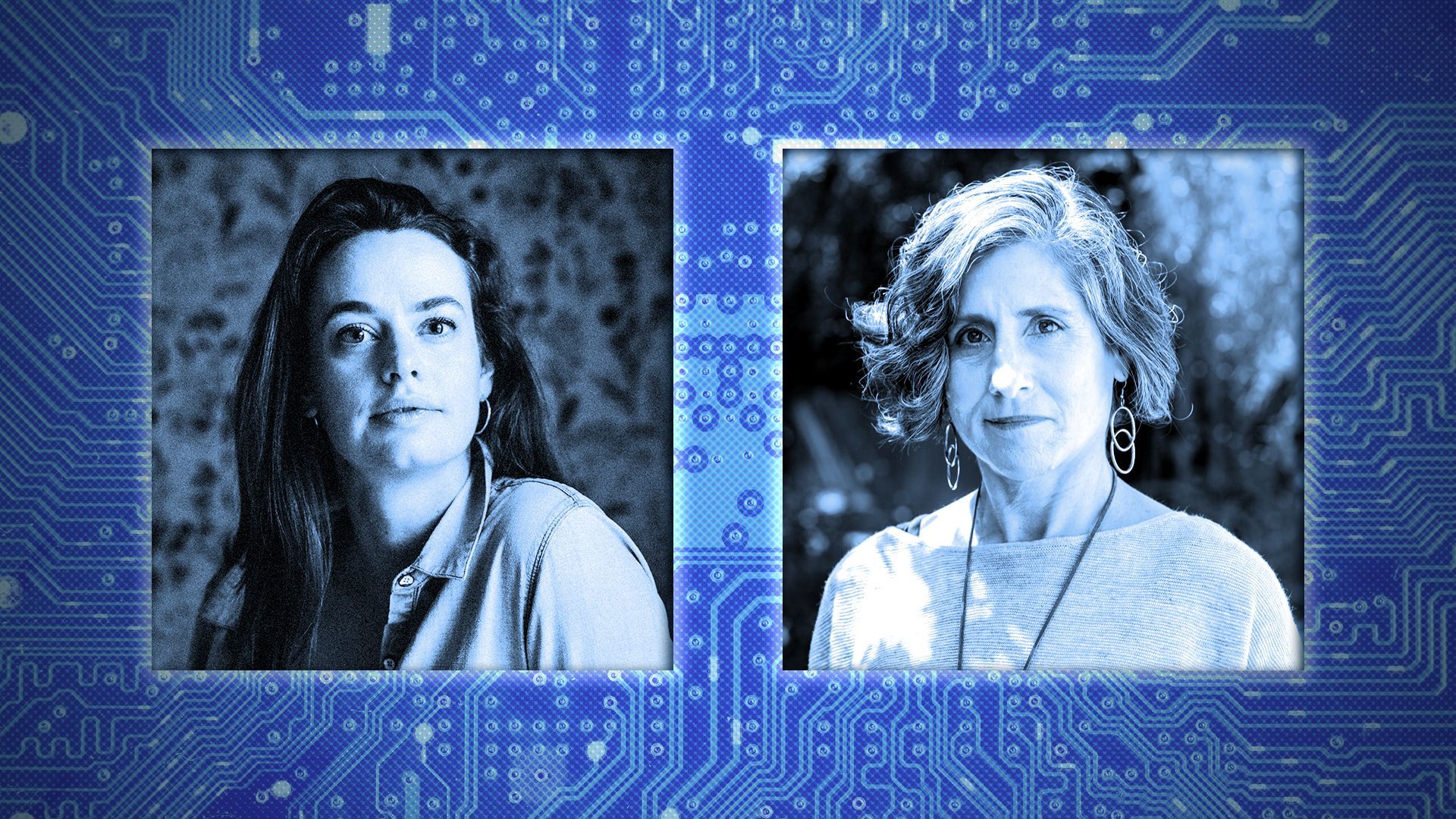
AI will wreck the documentary tradition unless filmmakers track and disclose their use of generative AI, according to a group of award-winning archival producers who are fighting for new standards.
Why it matters: With no laws in place or professional codes governing how documentarians use AI, public trust in the visual record of history will erode, the three women who co-founded the Archival Producers Alliance (APA) argue.