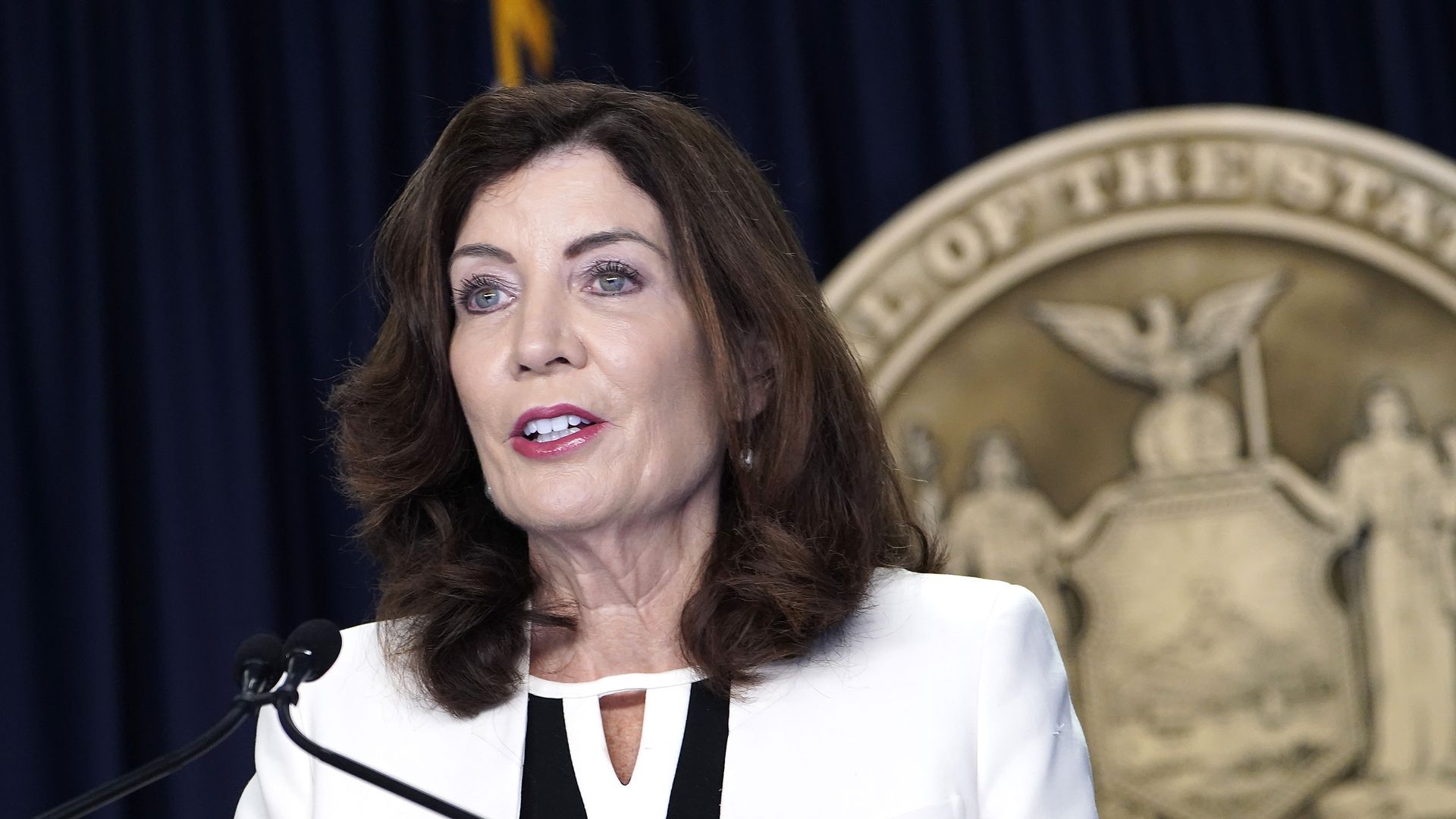
New York Gov. Kathy Hochul is proposing legislation that would criminalize some deceptive and abusive uses of AI and require disclosure of AI in election campaign materials, her office tells Axios.
Walmart is in talks to buy smart TV maker Vizio for more than $2 billion, according to the Wall Street Journal.
Why it matters: This reflects how big retailers are muscling in on the personalized advertising market, using media content to complement their existing customer data.
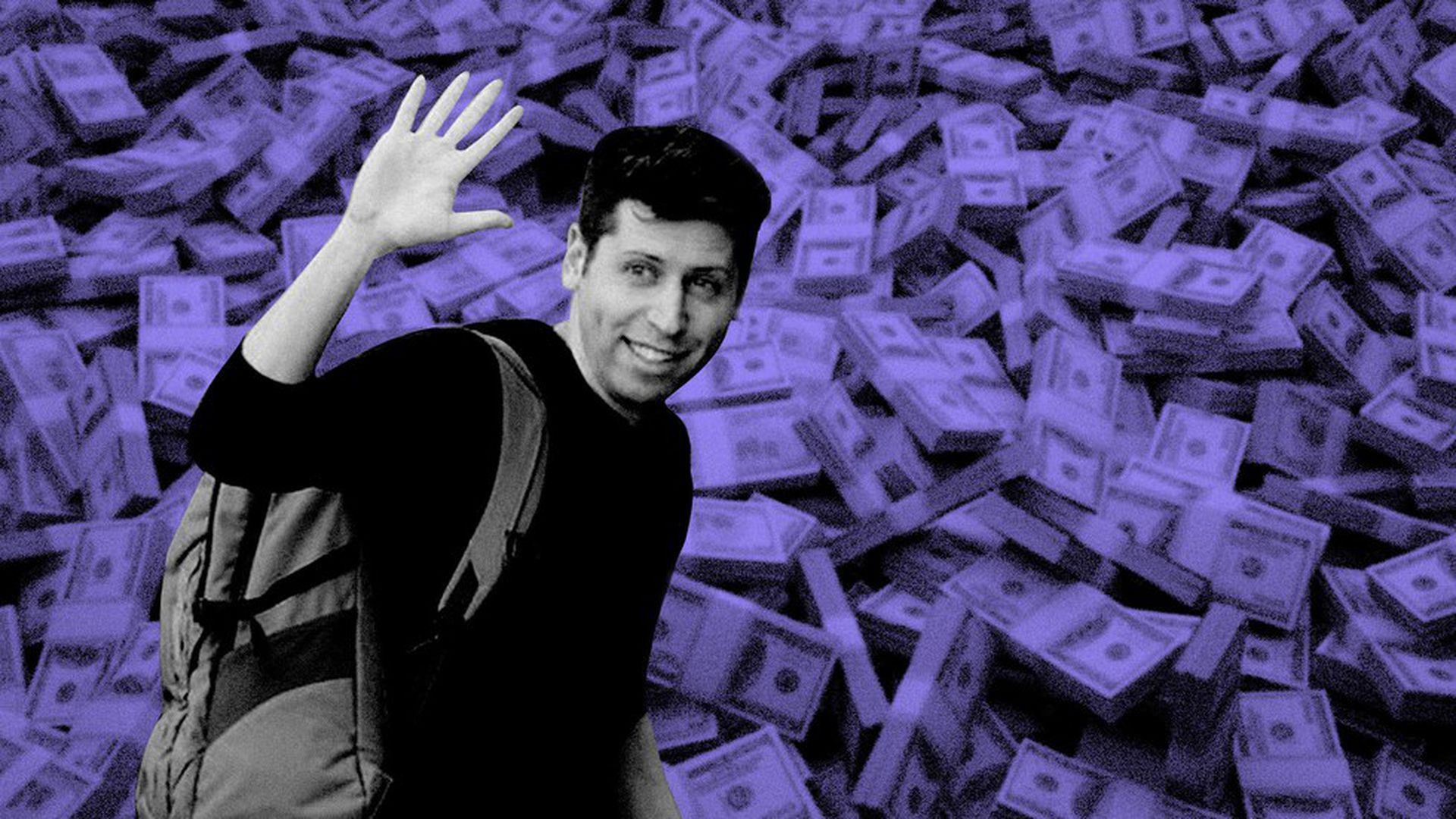
Sam Altman isn't just the CEO of ChatGPT maker OpenAI. He's also the owner of OpenAI Startup Fund, which Altman once called a "corporate venture fund," according to federal securities filings.
Why it matters: OpenAI's structural strangeness permeates all aspects of the business.
Motorists using General Motors' Super Cruise driver-assistance technology can now go hands-free on more back roads across rural America.
Why it matters: The Super Cruise expansion comes amid pressing questions about the safety of self-driving cars following a series of high-profile incidents, including one in San Francisco that forced GM to ground its fleet of Cruise robotaxis.
While nearly everyone in the AI world claims to be "open" in some way, the software industry's current method of making open products doesn't fit the way AI is actually built.
Why it matters: Open approaches could speed up innovation, as advocates believe, or magnify some risks, as critics fear — but the people and companies creating today's most advanced AI models don't even agree on what "open" AI means.
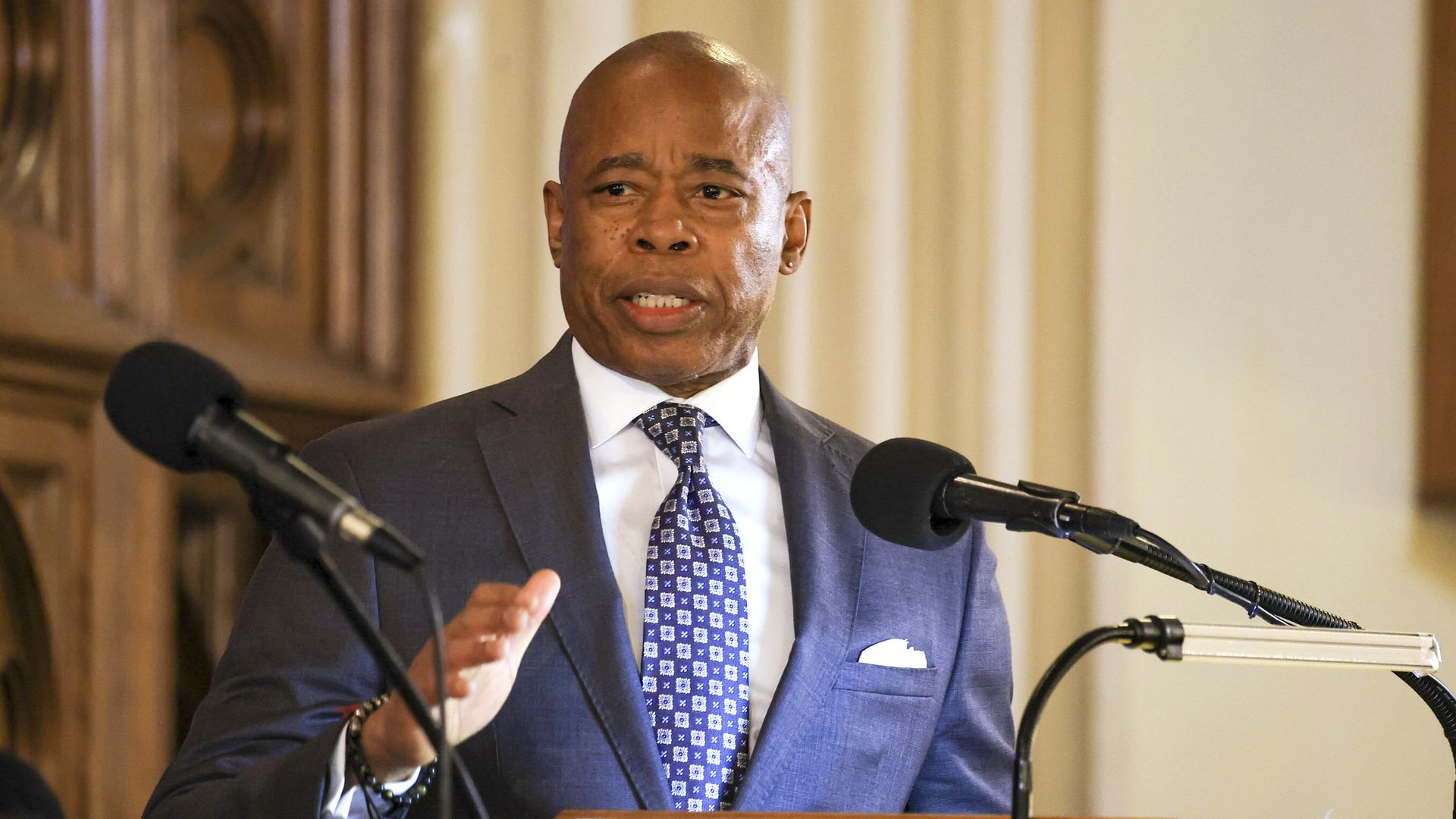
New York City filed a lawsuit against TikTok, Meta, Snap and Google's YouTube to hold the companies accountable "for fueling the nationwide youth mental health crisis," NYC Mayor Eric Adams announced Wednesday.
Driving the news: The lawsuit, filed in California Superior Court by the City of New York, the New York Department of Education and New York City Health and Hospitals Corporation, alleges that companies intentionally manipulate and addict younger users, keeping them on their platforms.
The lawsuit contains three counts per New York state laws: negligence, gross negligence and public nuisance.
The plaintiffs are seeking a jury trial, company behavior changes and financial damages.
Such conduct has been a financial burden and crisis for the city, the lawsuit alleges; impacting schools, hospitals and other communities. In a press conference, Adams described New York City teens who are constantly in despair, glued to their phones and doing poorly in school, and lacking social skills as a result of social media addiction.
What they're saying: "Our city is built on innovation and technology, but many social media platforms end up endangering our children's mental health, promoting addiction, and encouraging unsafe behavior," Adams said in a release.
"We're taking bold action on behalf of millions of New Yorkers to hold these companies accountable for their role in this crisis, and we're building on our work to address this public health hazard."
"This lawsuit and action plan are part of a larger reckoning that will shape the lives of our young people, our city, and our society for years to come."
Context: In the absence of new federal laws protecting children online, lawsuits aiming to hold tech accountable are growing more prevalent across the country, filed by school districts and groups of parents who say their children were harmed by social media.
Other theories lawsuits have used include the idea that tech knowingly makes defective products that harm children or cause addiction.
There's a lot of attention to flashy Capitol Hill hearings where tech executives get grilled by members of Congress about children's online safety, but new bills continue to languish, while lawsuits are a costly and tangible threat to companies' business models.
The other side: "We want teens to have safe, age-appropriate experiences online, and we have over 30 tools and features to support them and their parents. We've spent a decade working on these issues and hiring people who have dedicated their careers to keeping young people safe and supported online," Meta spokesperson Andy Stone said.
"Providing young people with a safer, healthier experience online has always been core to our work," said Google spokesperson José Castañeda, "In collaboration with youth, mental health and parenting experts, we've built services and policies to give young people age-appropriate experiences, and parents robust controls. The allegations in this complaint are simply not true."
"TikTok has industry-leading safeguards to support teens' well-being, including age-restricted features, parental controls, an automatic 60-minute time limit for users under 18, and more," a spokesperson for TikTok told Axios.
"Snapchat was intentionally designed to be different from traditional social media, with a focus on helping Snapchatters communicate with their close friends. Snapchat opens directly to a camera — rather than a feed of content that encourages passive scrolling — and has no traditional public likes or comments. While we will always have more work to do, we feel good about the role Snapchat plays in helping close friends feel connected, happy and prepared as they face the many challenges of adolescence," a Snap spokesperson said in a statement.
Editor's note: This story has been updated with comment from Snap.
Israel will allow a United Arab Emirates field hospital in the Gaza Strip to use Elon Musk's Starlink satellite internet service, Israeli Communications Minister Shlomo Karhi said on Wednesday.
The big picture: Israel must approve any use of the service in Gaza under the agreement between Starlink and the Israeli government, according to Karhi.
Slack announced on Wednesday a number of new AI-powered features, including the ability to get summaries of threads and recaps of what's happened in channels.
Why it matters: Slack is pitching the AI features as a great way for new workers to get up to speed and for overwhelmed employees to keep tabs on myriad threads and channels without having to read each message.
Hackers connected to the Chinese, Iranian, North Korean and Russian governments are already using AI chatbots to write phishing emails and study potential targets, according to new research from Microsoft and OpenAI.
Why it matters: Government officials and cybersecurity executives have been warning that ChatGPT and similar tools could speed up hackers' attacks. Now that reality is here.
Nearly allof the state legislatures currently in session are considering AI-related bills and nearly half of those bills address deepfakes, according to an analysis by software industry groupBSA, shared exclusively with Axios.
Why it matters: Rapid AI innovation and a federal regulatory vacuum have given state legislatures the impetus to generate a six-fold increase in AI draft legislation compared to a year ago.
American automakers increasingly view Chinese electric cars as an existential threat, despite the fact that Chinese-branded cars aren't even for sale in the U.S. yet.
Why it matters: For big legacy automakers like Ford and General Motors, budget-priced Chinese cars represent another Tesla-like seismic disruption.