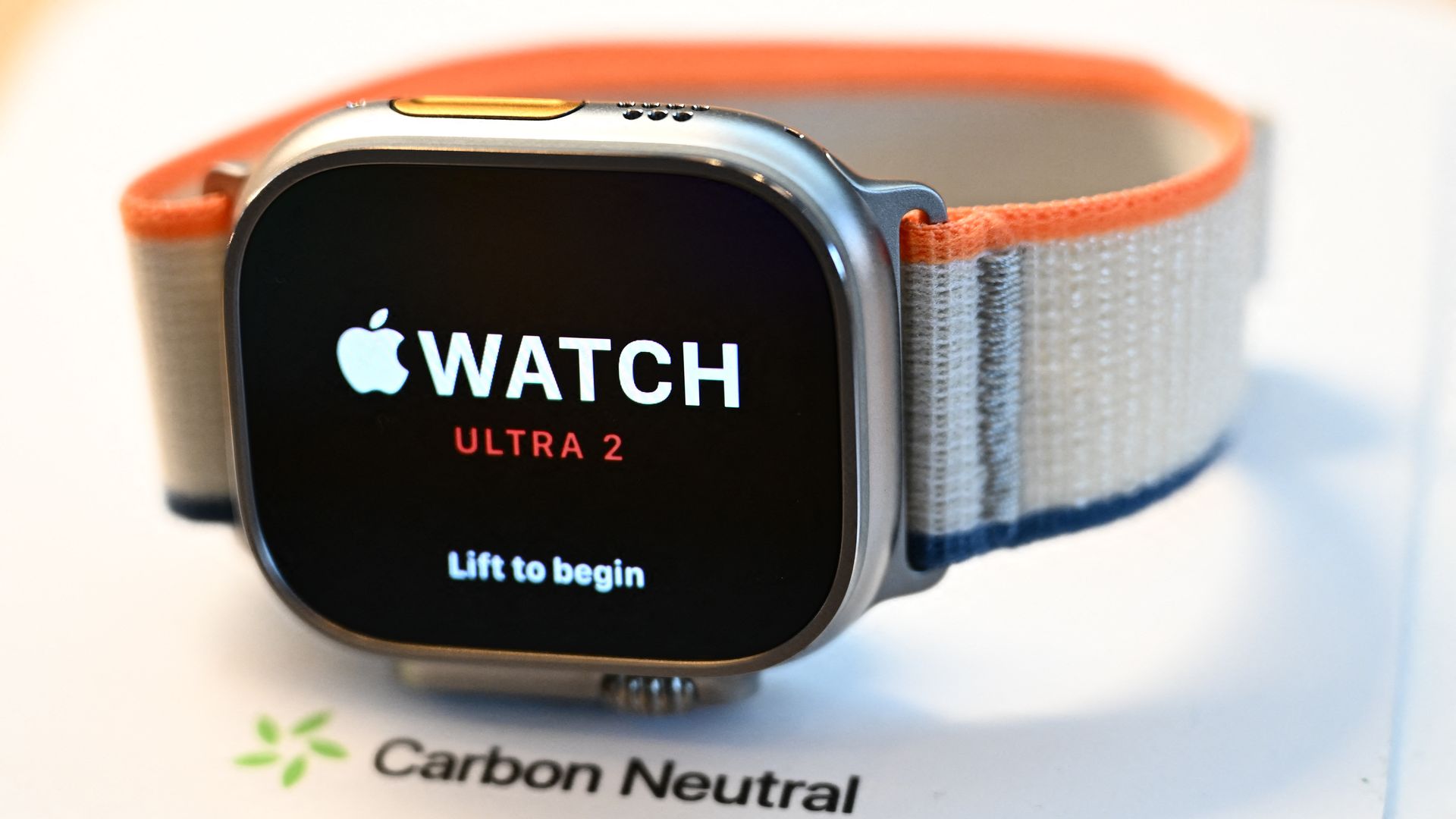
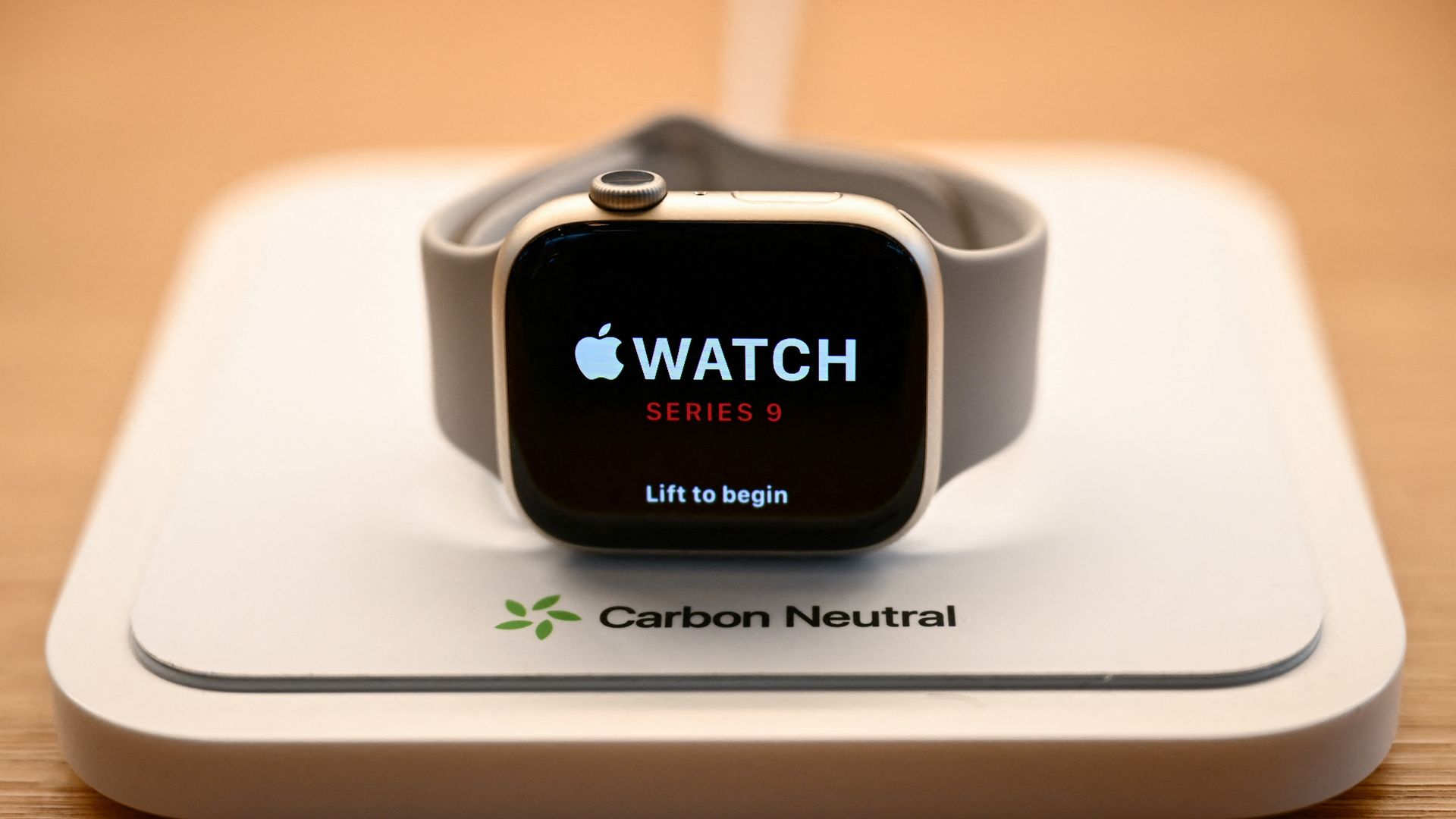
Apple is preparing to pause U.S. sales of its Apple Watch 9 and Ultra 2 as required by a U.S. International Trade Commission ruling in an intellectual property lawsuit from earlier this year.
Why it matters: Apple, through the Apple Watch, is the largest smart-watch seller in the world, with its devices accounting for nearly a third of all purchases across the globe last year, according to tech research firm Counterpoint Research.
The Rhysida ransomware gang has leaked a trove of internal documents stolen from Sony's Insomniac Games, including game roadmaps, character art, budgets and details about the highly anticipated Wolverine game release.
Driving the news: Rhysida dumped 1.67 terabytes of files, or a little more than 1.3 million files on its leak site Tuesday after Insomniac Games refused to pay a $2 million ransom.
Federal law enforcement officials announced Tuesday they had taken down the online infrastructure belonging to the BlackCat ransomware gang and offered victims a decryption key.
Why it matters: The takedown disrupts the operations of what the Justice Department believes is the "second most prolific ransomware-as-a-service variant" circulating around the world right now.
A trade group representing Facebook, TikTok and X is suing Utah for its pending age restrictions on social media access.
Driving the news: In a lawsuit filed Monday, NetChoice, which represents Meta and other social media giants, argued the age verification and parental consent rules passed in March violate the First Amendment rights of children and adults.
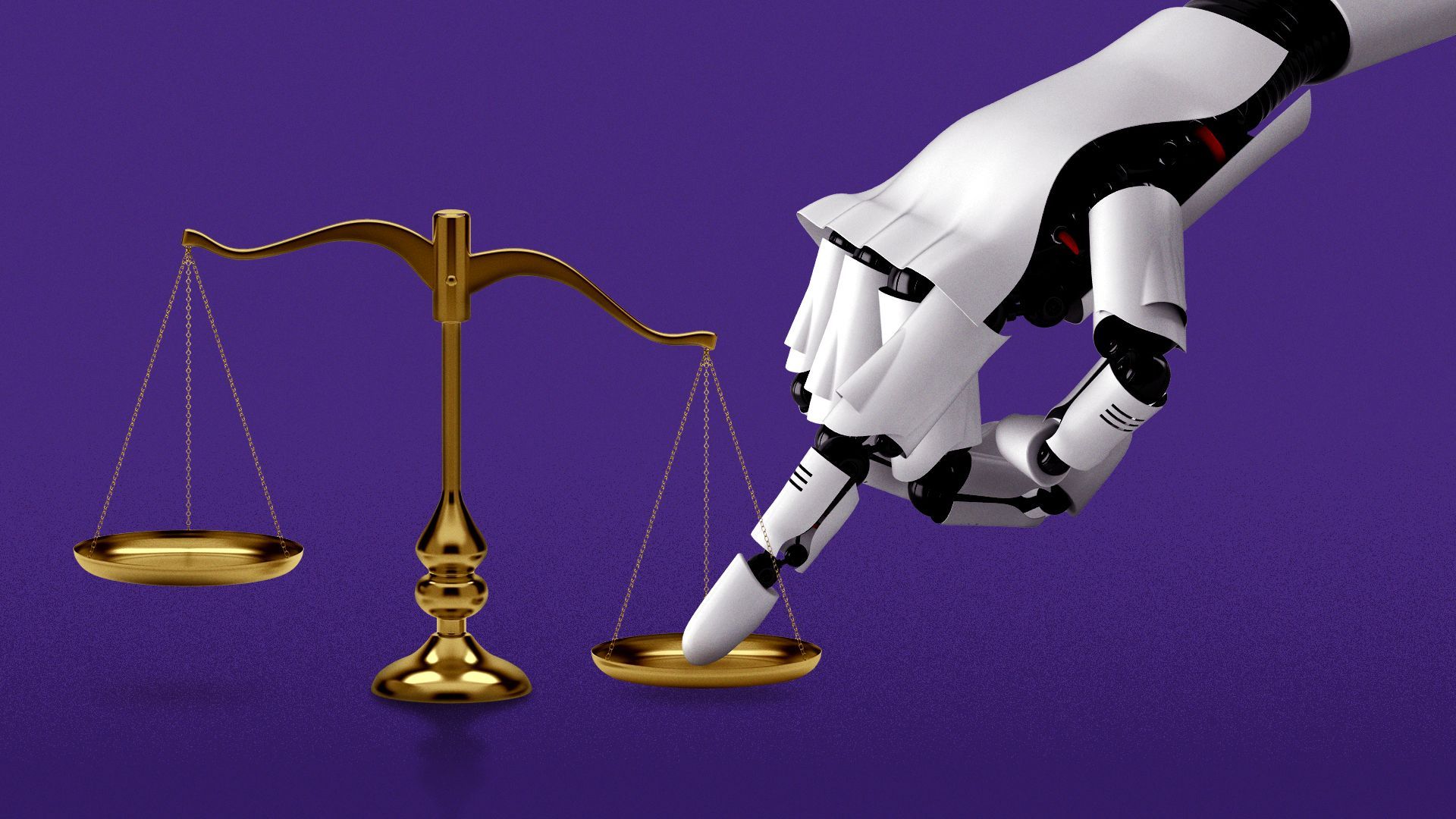
Researchers warn generative AI could add $43 billion annually to America's already stark racial wealth gap over the next two decades, with Black workers also facing a higher risk of job loss thanks to automation.
Why it matters: The wealth gap between Black households and white households has widened since 1980 in the U.S., where the median white household now has $285,000 in wealth, compared to $45,000 for the median Black household.
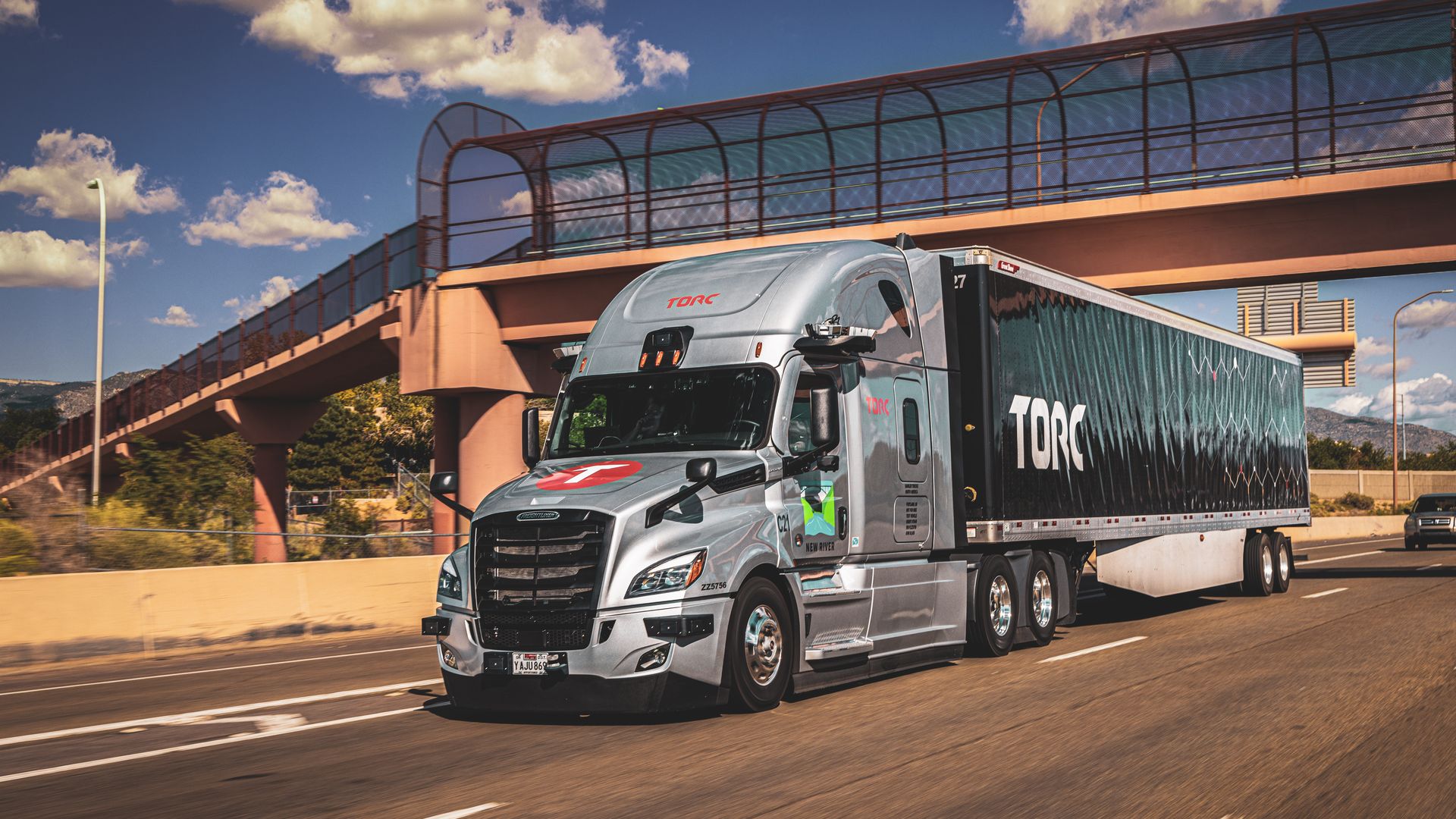
Autonomous trucking developer Torc Robotics is test-driving its prototypes on historic Route 66 in Albuquerque, New Mexico, as it works toward commercial deployment.
Driving the news: Torc says it's on track to use its autonomous trucks for deliveries with no safety driver by 2027, and recently unveiled more detailed plans to get them operating across the American Southwest.
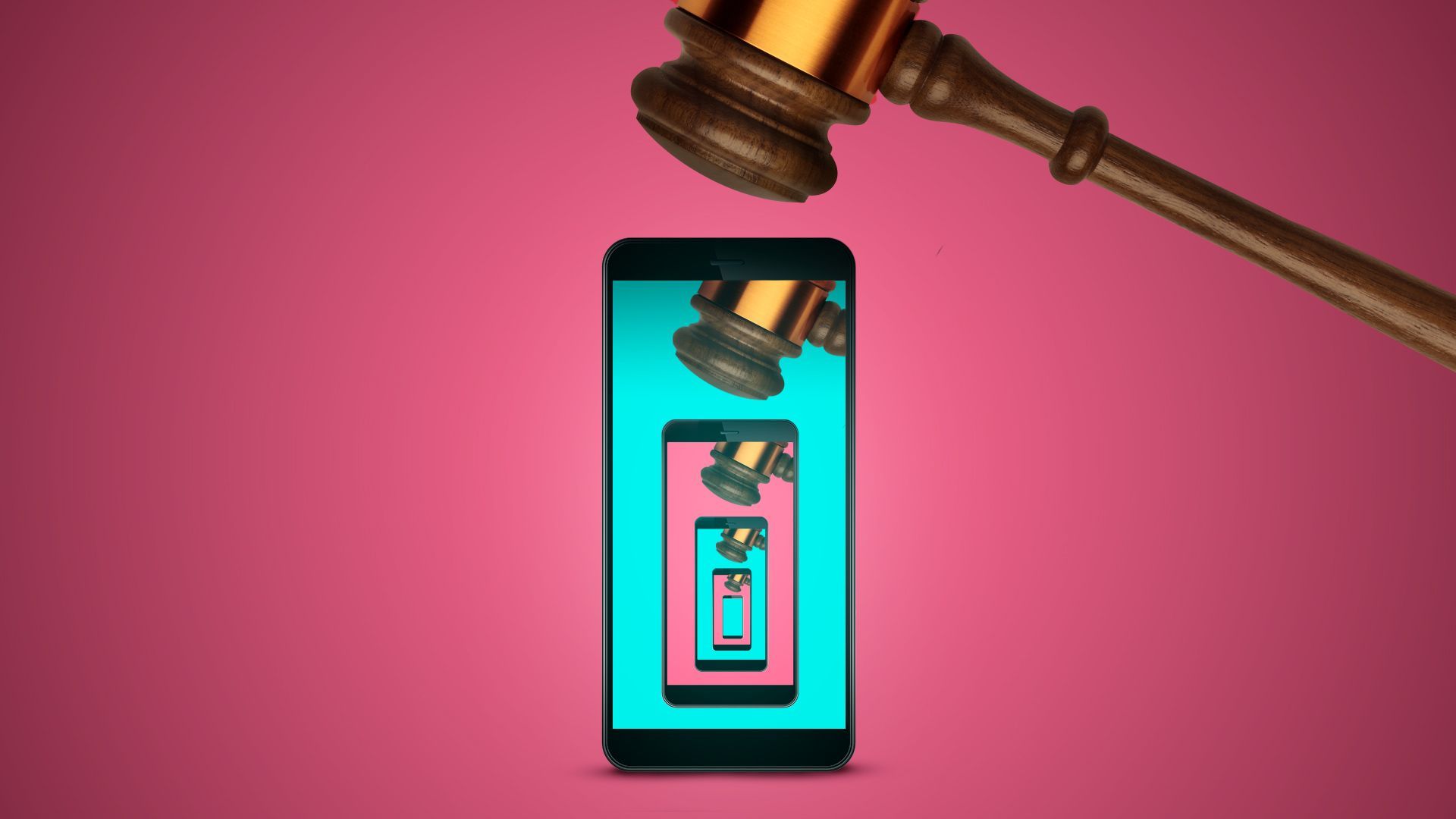
Google said Monday it's expanding billing options in its app store as part of a $700 million settlement in an antitrust lawsuit brought by attorneys general from 36 states and Washington, D.C.
Why it matters: The lawsuit that accused the company of anticompetitive conduct in its Play Store operations was one of several antitrust civil cases the tech giant was facing.
Even Bill Gates stuck to old work habits in 2023 — but in his annual end-of-year letter, he predicts a massive wave of AI innovation beginning in 2024.
Why it matters: "The work that will be done over the next year is setting the stage for a massive technology boom later this decade," Gates writes.
Outgoing Nexon CEO Owen Mahoney has some searing criticism for the video game industry, but he doesn't want people to think he's being overly negative. It's helpful, he tells Axios, "to be really clear about the things that get in your way."
Why it matters: Mahoney, certainly proud of his own company, nevertheless believes the big-budget gaming business is falling behind on innovation and losing its way.
Swedish game studio Embark is bucking industry trends around ongoing, live-service games and is not releasing a content road map for The Finals, its popular, new multiplayer first-person shooter.
Why it matters: Much of the games industry has been chasing live-service glory in recent years, seeking the dream of continuously updated games that continuously generate revenue. But developers have often found it tough to stick to their initial plans.
OpenAI on Monday launched what it hopes will form a more scientific approach to assessing catastrophic risks posed by the most advanced AI models.
Why it matters: While there has been a great deal of hand-wringing and fear about the potential for life-threatening risks, there has been far less discussion of just how to prevent such harms from emerging.
Apple is pausing U.S. sales of its Apple Watch Series 9 and Apple Watch Ultra 2, with online purchases stopping Dec. 21 and in-person retail sales ending Dec. 24, in response to a U.S. International Trade Commission ruling.
Why it matters: Stopping sales of new products in the middle of the holiday season is the latest in a series of blows to Apple's revenue in 2023.
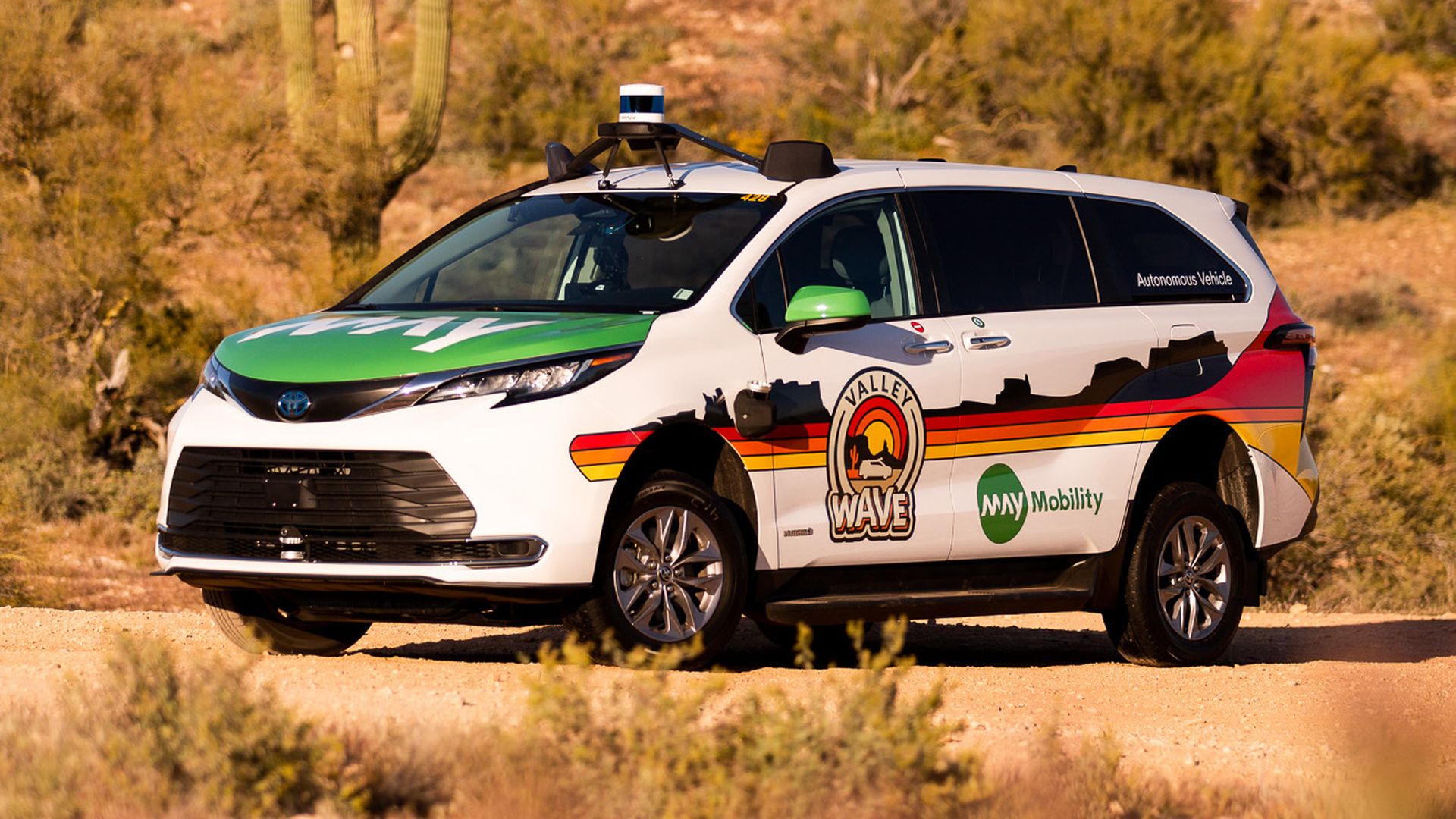
Autonomous driving startup May Mobility is launching its first fully driverless service on public roads in Sun City, Arizona, a retirement community northwest of Phoenix.
Why it matters: It's an important milestone for the Toyota-backed startup, coming just two months after a larger rival, General Motors-owned Cruise, suspended operations nationwide after a high-profile pedestrian accident.
Negotiations around the EU's AI Act are getting longer and more complicated.
Why it matters: Governments and tech companies around the world have been waiting for months for the final text of the world's first comprehensive and democratic AI regulation need to wait a bit longer.
A middle road on the adoption of AI is taking shape, routing around the debate between those who fear humanity could lose control of AI and those who favor a full-speed-ahead plan to seize the technology's benefits.
Why it matters: The American people consistently tell pollsters they are more concerned about how AI will affect their jobs and day-to-day lives than about its long-term risks and rewards.