Outgoing Nexon CEO has some tough love for the gaming industry

Add Axios as your preferred source to
see more of our stories on Google.
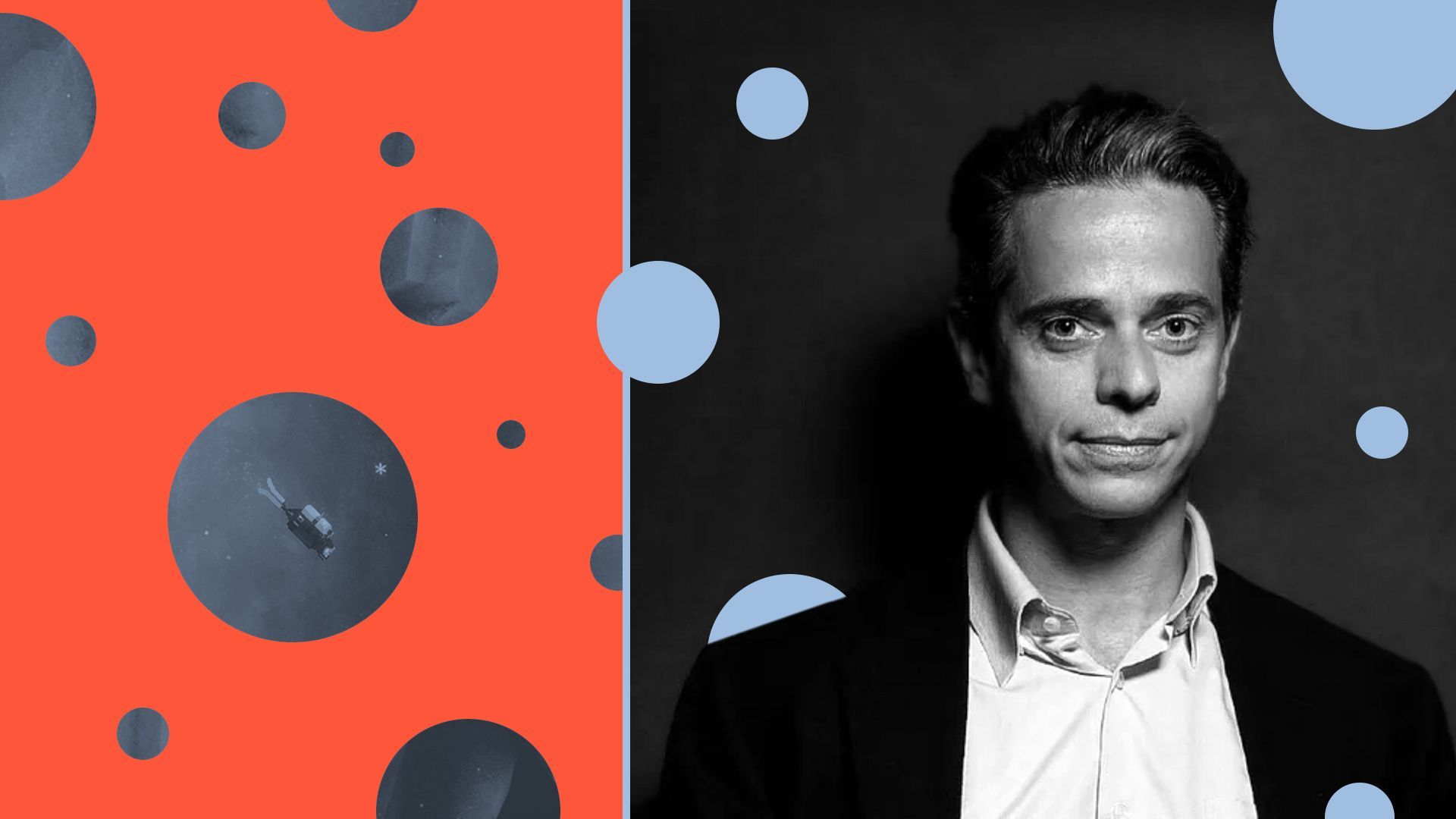
Photo illustration: Axios Visuals. Photo: Courtesy of Nexon, Mintrocket
Outgoing Nexon CEO Owen Mahoney has some searing criticism for the video game industry, but he doesn't want people to think he's being overly negative. It's helpful, he tells Axios, "to be really clear about the things that get in your way."
Why it matters: Mahoney, certainly proud of his own company, nevertheless believes the big-budget gaming business is falling behind on innovation and losing its way.
- Mahoney is worth listening to. Nexon, founded in South Korea and operating out of Japan, is a rising force in gaming, boasting not just extraordinary 20-year franchises like MapleStory but now producing crossover hits like Dave the Diver and The Finals, whose studio Nexon bought in 2019.
- Mahoney ran corporate development at Electronic Arts for nine years, joined Nexon as CFO in 2010, and has been CEO for the last 10 years. He's exiting in March, saying it's time to pass the torch.
What they're saying: "Our industry is in deep trouble right now, I think, because of throwing bodies at the problem of game development," Mahoney says.
- Big-budget games are now made by hundreds of people, sometimes more than 1,000, which Mahoney believes keeps creators too far removed from the creative process. Unsurprisingly, he presents The Finals, built by a core team of 100 people at Embark, as an example of a better approach.
- "Developers making games is what you really want," he added. "You want you guys sitting in front of a whiteboard arguing about a feature. You don't want them sweating about how they're going to hire another 400 people."
- Mahoney laments an industry laden with $100 million projects but won't say just what The Finals cost. His preferred smaller team approach, he hints, is "an additional zero off the top."
Between the lines: Mahoney also takes aim at the industry's preoccupation with better and better visuals, which are one of the reasons for such massive development teams and what he sees as innovation stagnation.
- "We've been talking about cinematic graphics and sound since the days of the PlayStation 2," he says.
- "I would like our industry to come out with more fun.
- "There's a lot of people like me in the industry. So I think we have to fight for that."
