Now coming to a mall, gym or office building near you: A self-contained doctor's office, powered by artificial intelligence, where you — the patient — draw your own blood and take your own vitals.
Why it matters: The traditional annual checkup is being disrupted in various tech-heavy ways, from telehealth to concierge medicine to the CarePod, above, a DIY health clinic-in-a-box.
An effort to develop smaller, cheaper AI models could help put the power of machine learning in the hands of more people, products and companies.
Why it matters: Large language models get most of the AI attention, but even those that are open source aren't practicalfor many AI researchers who want to iterate on them to create their own models for new tools and products.
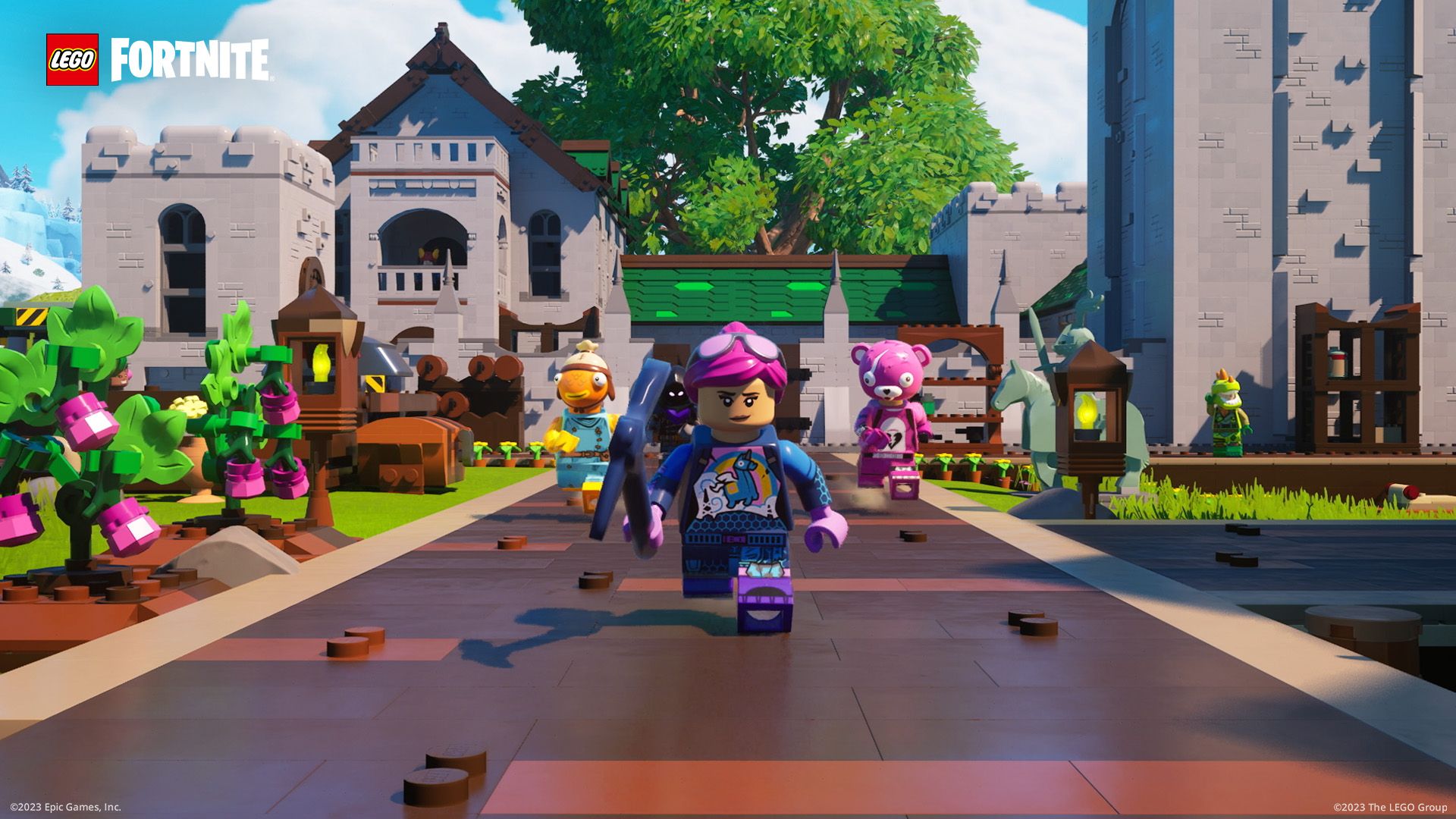
Fortnite is back. And so is that word "metaverse," now that Epic Games can show it's actually building a virtual world by expanding Fortnite this week into a platform containing three major new internally developed games.
Why it matters: "Metaverse" isn't the buzzword it used to be, but if a metaverse is indeed an interconnected virtual space where people's avatars can do a wide variety of things, Epic's version is now here.
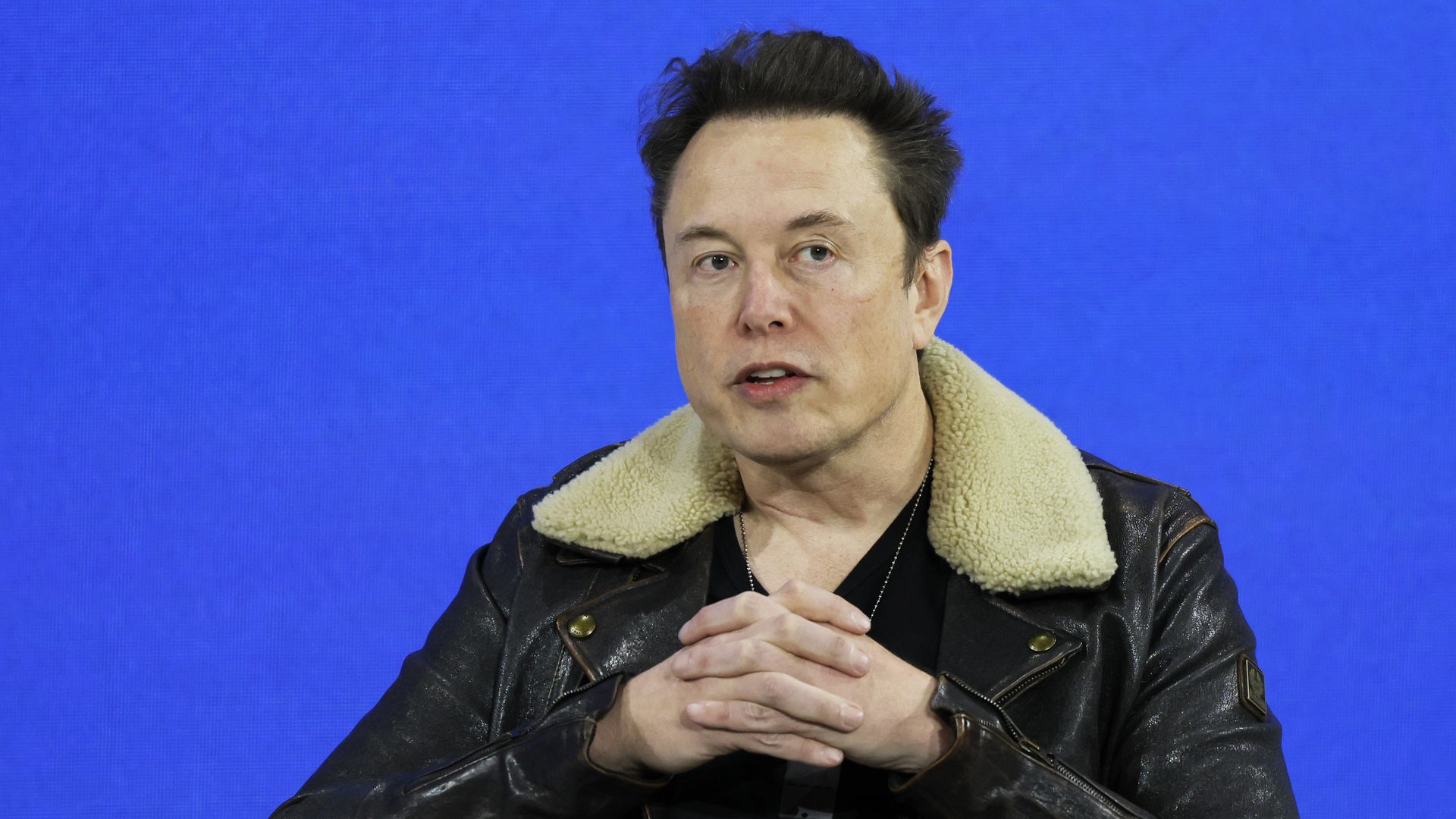
X owner Elon Musk called for Disney CEO Bob Iger to be fired Thursday.
The big picture: The outburst comes as a growing number of X's biggest advertisers, including Disney, paused ads on the platform after Musk backed an antisemitic conspiracy theory, leaving the company's ad business in limbo.
Elon Musk's SpaceX is reportedly approaching investors about a new tender offer that would value the private space exploration company at $175 billion, according to Bloomberg.
Why it matters: Just this past summer, it completed a tender at a $150 billion valuation.
Data breaches and ransomware attacks are getting worse. Some 2.6 billion personal records have been exposed in data breaches over the past two years and that number continues to grow, according to a new report commissioned by Apple.
Why it matters: Apple says the escalating intrusions, combined with increases in ransomware means the tech industry needs to move toward greater use of encryption.
Meta released benchmark cybersecurity practices for large language models, which it says is an effort to "level the playing field for developers to responsibly deploy generative AI models."
Why it matters: The White House has urged AI companies to ramp up their safety efforts, and codify some safety requirements in its AI Executive Order, worried that AI chatbots and open source LLMs like Meta's Llama 2 will lead to dangerous misuse.
The days of drug-sniffing dogs aren't over — but now Customs and Border Protection Agents (CBP) are using AI to track down the precursor chemicals used in fentanyl production in Mexico, to help stop the drug from ever being created.
Why it matters: More than 70,000 Americans died of synthetic opioid overdoses in 2021, according to the National Institute on Drug Abuse.
Facebook is rolling out default end-to-end encryption for personal messages and calls across the platform and on Messenger, the company announced Wednesday night.
Why it matters: The full encryption service that will extend to Instagram at a date to be determined is a win for privacy advocates who've urged tech companies to adopt the practice to protect consumers, but Meta has previously faced pushback from law enforcement and other agencies over the move.
Days after a data breach allowed hackers to steal 6.9 million 23andMe users' personal details, the genetic testing company changed its terms of service to prevent customers from formally suing the firm or pursuing class-action lawsuits against it.
Why it matters: It's unclear if 23andMe is attempting to retroactively shield itself from lawsuits alleging it acted negligently.
Twitter's former global head of information security accused X in a lawsuit Wednesday of wrongly firing him for raising concerns about Musk's budget cuts following the Elon Musk-led takeover.
The big picture: Lawyers for Alan Rosa allege that Musk hired an adviser who "began cutting Twitter's products and services that supported and complied with" an FTC consent decree and that both Musk and the advisor were "dismissive" of it and the company's obligations to it.








/2023/12/07/1701917049548.gif?w=3840)