The oil price surge that followed Hamas' attack on Israel has paused for the moment, suggesting markets don't see the conflict immediately spreading or reaching key producing areas.
State of play: Crude remains well off the 2023 highs reached in late September despite the jump when markets opened Sunday.
Booz Allen Hamilton launched a new set of AI capabilities aimed at federal military and civilian clients, and will tell investors on Wednesday that it's aiming for $500 million to $700 millionin government AI contracts in fiscal year 2024, per data shared exclusively with Axios.
Why it matters: Generative AIoffers government and military organizations the chance to deliver faster and better services — pushing officials to better organize and apply the huge amounts of data they already collect.
Instead of viewing AI as a wholesale substitute for human workers and tasks, smart organizations and products are putting it to work in narrower niches.
Why it matters: AI is still far from being able to take over soup-to-nuts projects like writing entire articles or performing whole movie roles, but it can effectively shoulder painful but necessary tasks that people find tough or tedious.
The state of Utah filed a lawsuit against TikTok on Tuesday for allegedly harming the mental health of children and teens, following in the footsteps of states like Arkansas and Indiana.
The big picture: Utah's lawsuit is the latest effort by state officials to challenge the popular video-sharing platform owned by Chinese parent company ByteDance.
Politically motivated hackers have already started to mobilize in response to the Hamas attack on Israel over the weekend.
Why it matters: Disruptive cyberattacks have taken news sites and emergency services applications offline in the first days after the attack — spurring fear and confusion as people try to keep track of what's happening in the region.
Adobe debuted several new AI models Tuesday, including what it says is the first tool that can generate the kinds of vector based illustrations used to design products, logos and other images that need to be resized and reshaped in a variety of ways.
Why it matters: Adobe is aiming to harness generative AI in ways that augment, rather than replace professional designers. That means not only staying ahead of rival engines, but doing so in ways that are both safe for commercial use and fit within existing processes and workflows.
Most IT professionals take as long as one month to patch their systems when they learn of a new critical security flaw, according to a new survey from Synopsys shared first with Axios.
Why it matters:Hackers typically only need a few days to find a way to exploit a newly discovered security vulnerability — leaving the organizations that are slow to patch at high risk for an attack.
Experts are blaming AI and misinformation on social media for pushing embattled democracies around the world toward a tipping point of distrust.
Why it matters: The rise of cheap and easy-to-use generative AI tools, the lack of legal guardrails for their deployment and relaxed content moderation policies and layoffs at tech companies are creating the conditions for a perfect misinformation storm.
New products, guides and accountability initiatives are flooding the inboxes of election authorities and participantsin response to the wave of generative AI tools that have been released in 2023.
Why it matters: Major tech companies have been cutting back their internal investments in election integrity work, and the newest AI companies lack the resources and relationships to effectively manage the risks their tools pose to elections.
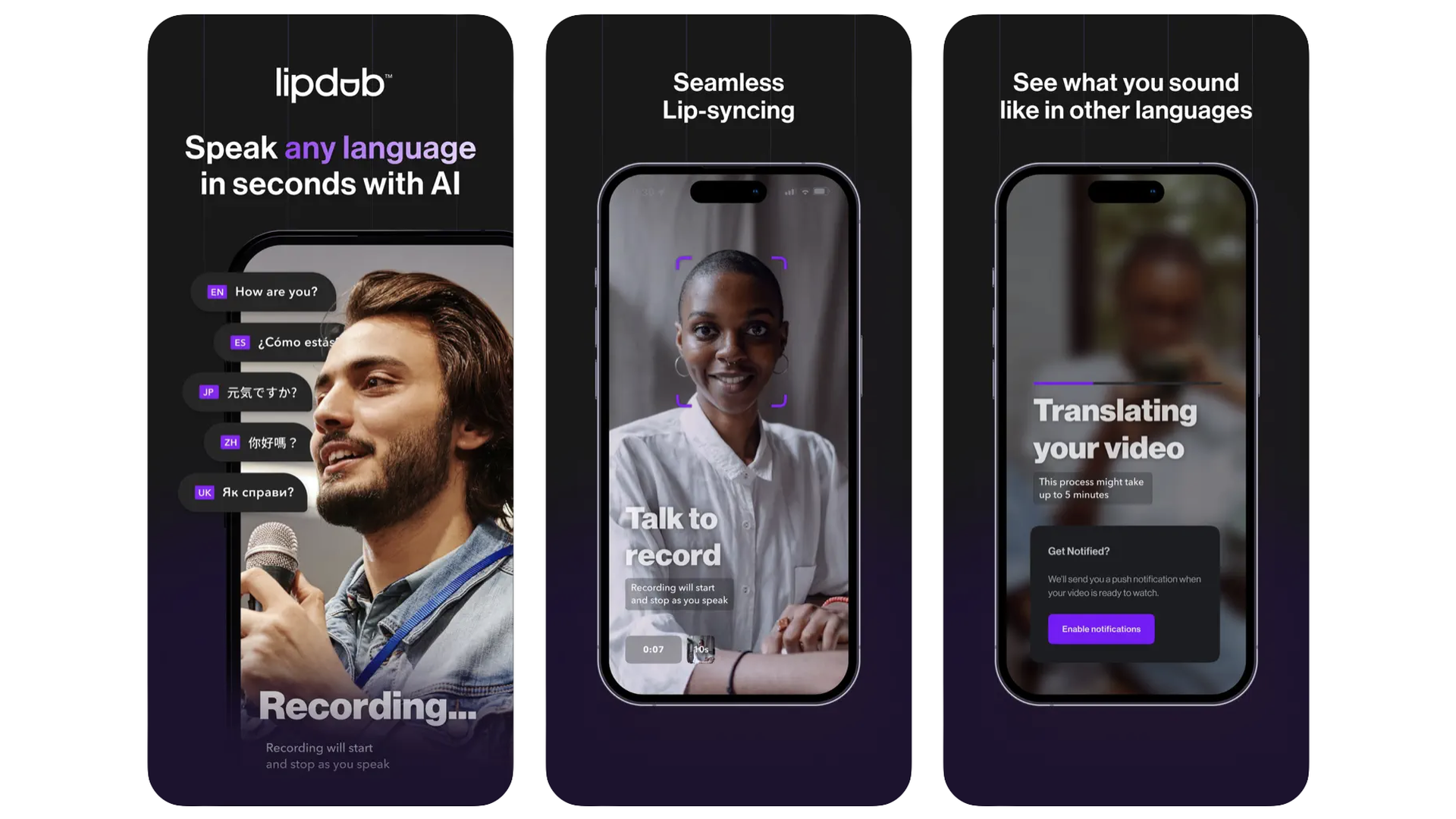
A new free app allows people to get their videos dubbed into any of 28 languages — in their own voice and with their lips synchronized to the translated audio.
The big picture: Lipdub, a free iOS app from New York-based AI startup Captions, is the latest demonstration of just how useful generative AI can be — but it also illustrates the technology's immense potential to create realistic looking fakes.
Several federal law enforcement agencies haven't properly trained their staffs on how to use facial recognition technology or imposed policies to protect the public's civil rights when it's used, a report by a government watchdog says.
Why it matters: Facial recognition technology is being used increasingly by federal, state and local law enforcement agencies and has led to several false arrests nationwide — largely of Black men and women, according to advocates,research and news reports.