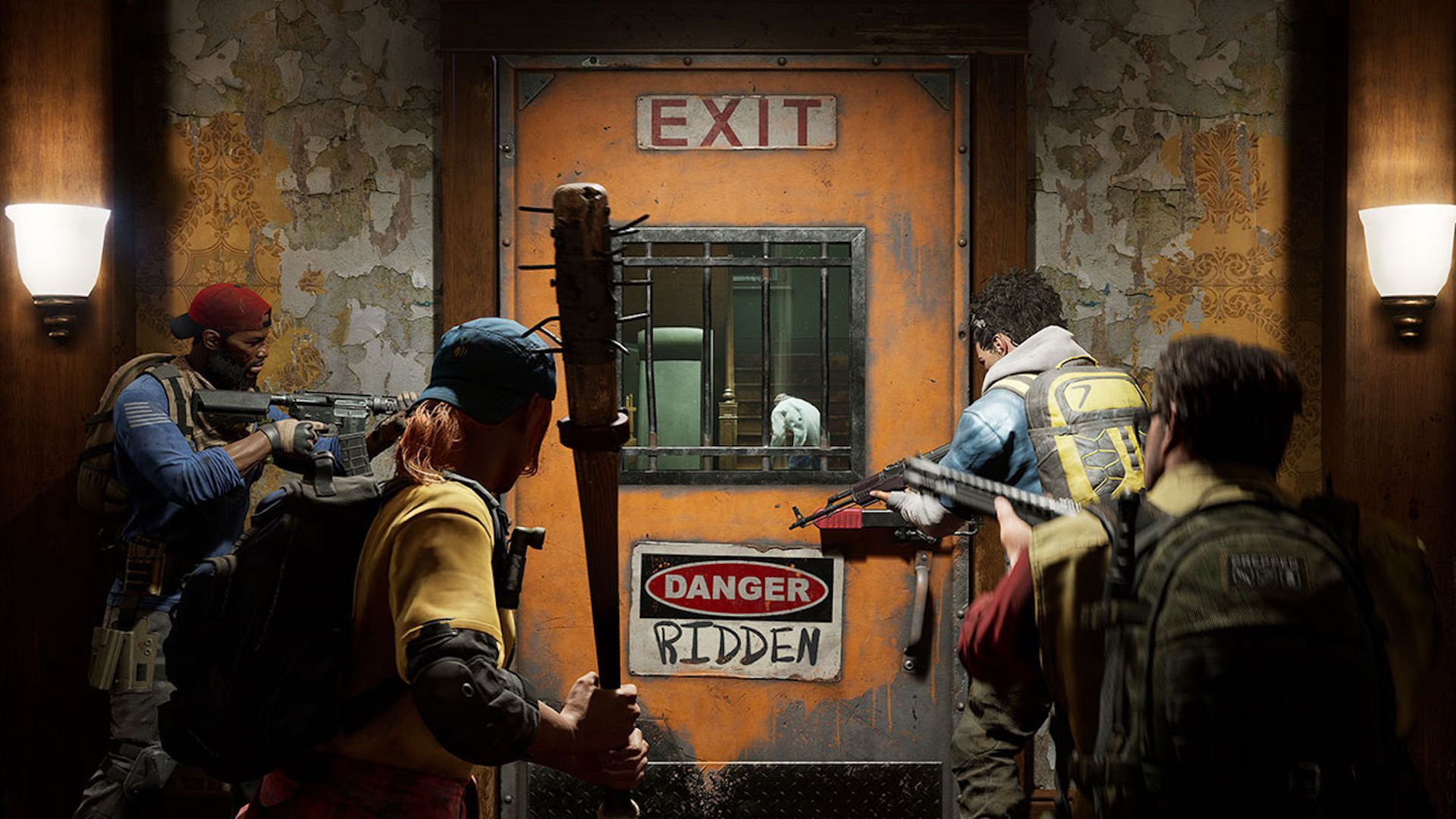
Chinese gaming giant Tencent is buying Turtle Rock Studios, the California-based makers of cooperative multiplayer games Left 4 Dead and Back 4 Blood, the companies announced today.
Why it matters: Based on the math of industry analyst Daniel Ahmad, Tencent has invested in over 100 gaming companies this year, nearly a third outside of China.
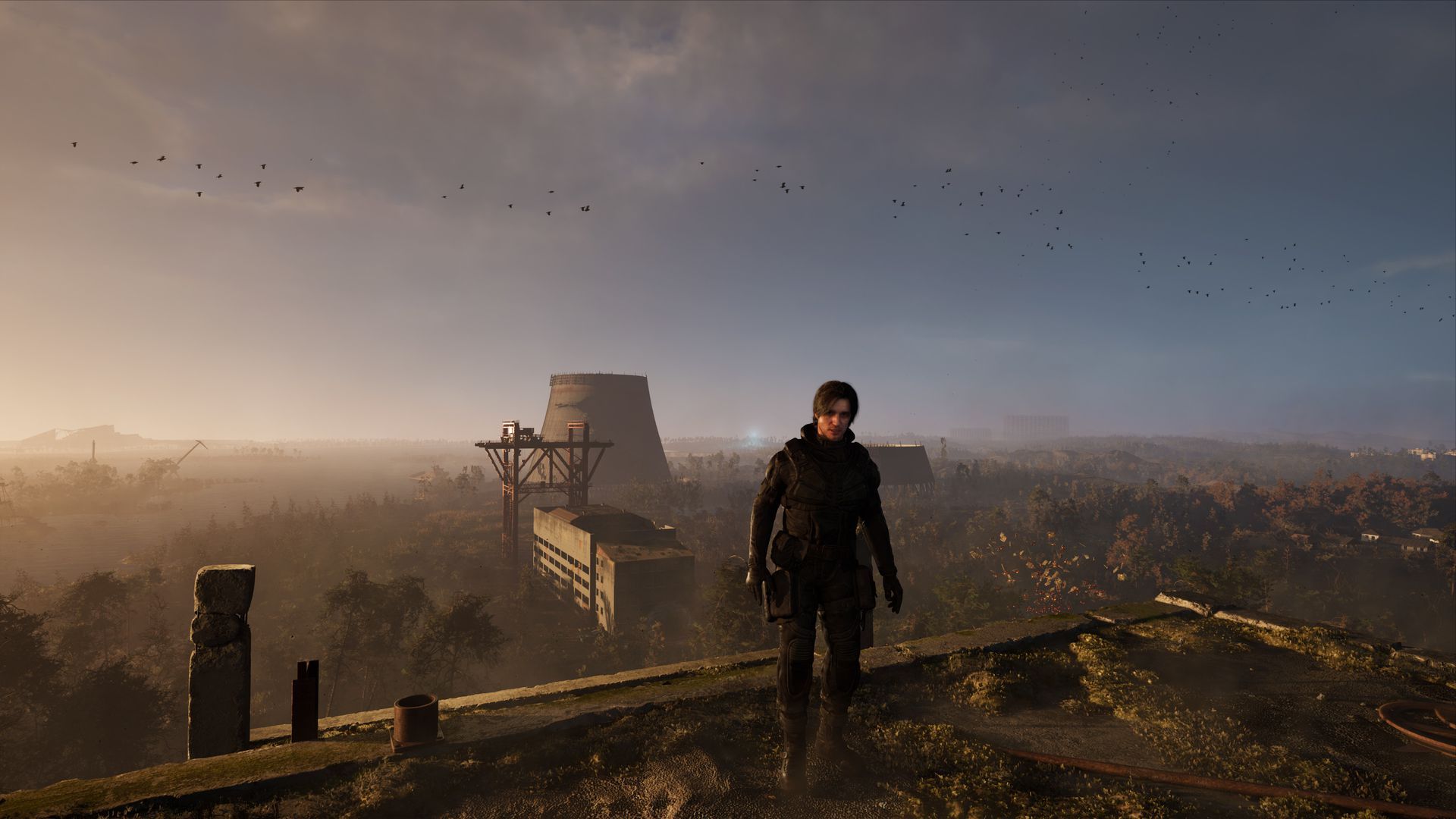
The developers of upcoming first-person shooter S.T.A.L.K.E.R. 2said on Twitter last night that they are canceling "anything NFT-related" for their game.
Why it matters: It was the first prominent NFT backtrack from a gaming company.
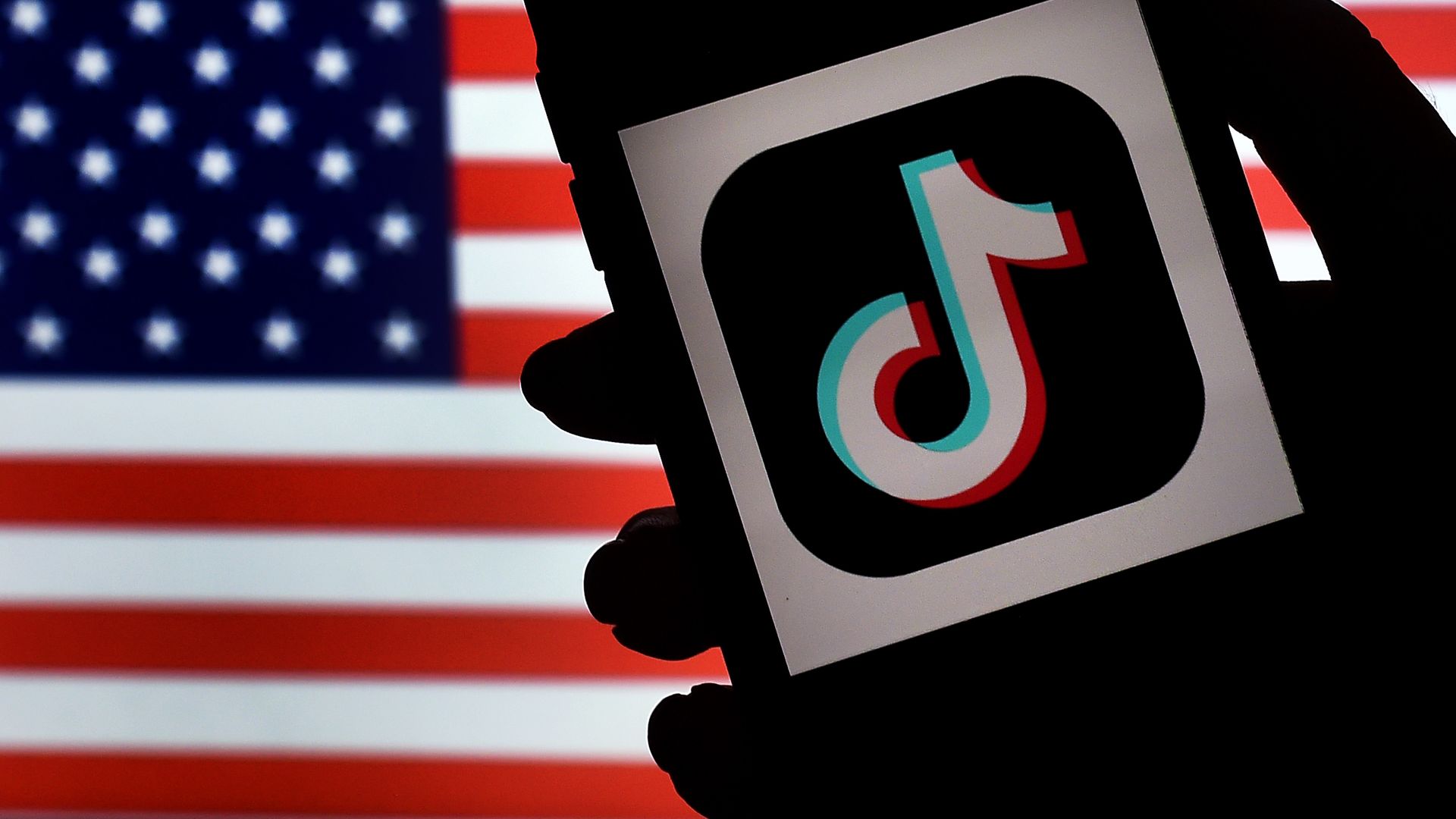
School shooting threats made on TikTok and other social media prompted school officials and authorities across the U.S. on Thursday to step up security measures.
Driving the news: Law enforcement agencies believe the threats that warn of possible incidents this Friday are not credible, but schools in D.C., New York, New Jersey, California, Michigan, Maryland, Virginia, Minnesota and elsewhere have taken precautions including closing for the day or increasing police or security presence.
Nearly 50,000 Facebook users in 100 countries may have been targeted by "surveillance-for-hire" companies, parent company Meta said Thursday.
Driving the news: Meta director of threat disruption David Agranovich and head of cyber espionage Mike Dyvilyanski shared a blog post detailing a months long investigation in "cyber mercenaries" engaging in "surveillance-for-hire."
Agranovich and Dyvilyanski wrote that Meta disabled seven entities, based in China, Israel, India and North Macedonia, which were found to have targeted people on the internet on behalf of governments or private clients. The entities were banned from Meta services entirely.
According to the blog post, targets of the surveillance efforts included "journalists, dissidents, critics of authoritarian regimes, families of opposition and human rights activists."
Meta says it shared findings about the attempted attacks with security researchers, alerted the potential victims and issued cease-and-desist warnings to the attackers.
A detailed report of the investigation says that about 1,500 Facebook and Instagram accounts were linked to the seven entities' surveillance efforts and removed.
Why it matters: Meta's actions follow the growing trend of tech companies having to disrupt cyber attack attempts on their platforms, as online surveillance gets more sophisticated.
Meta sued Israeli spyware firm NSO Group over WhatsApp malware in 2019. Thursday's report argues that NSO is just one part of a "much broader global cyber mercenary ecosystem."
What they're saying: "Cyber mercenaries" may argue their work is focused on criminals and terrorists, but their tactics are used on many types of people, the two authors wrote.
"In fact, for platforms like ours, there is no scalable way to discern the purpose or legitimacy of such targeting. This is why we focus on enforcing against this behavior, regardless of who’s behind it or who the target might be."
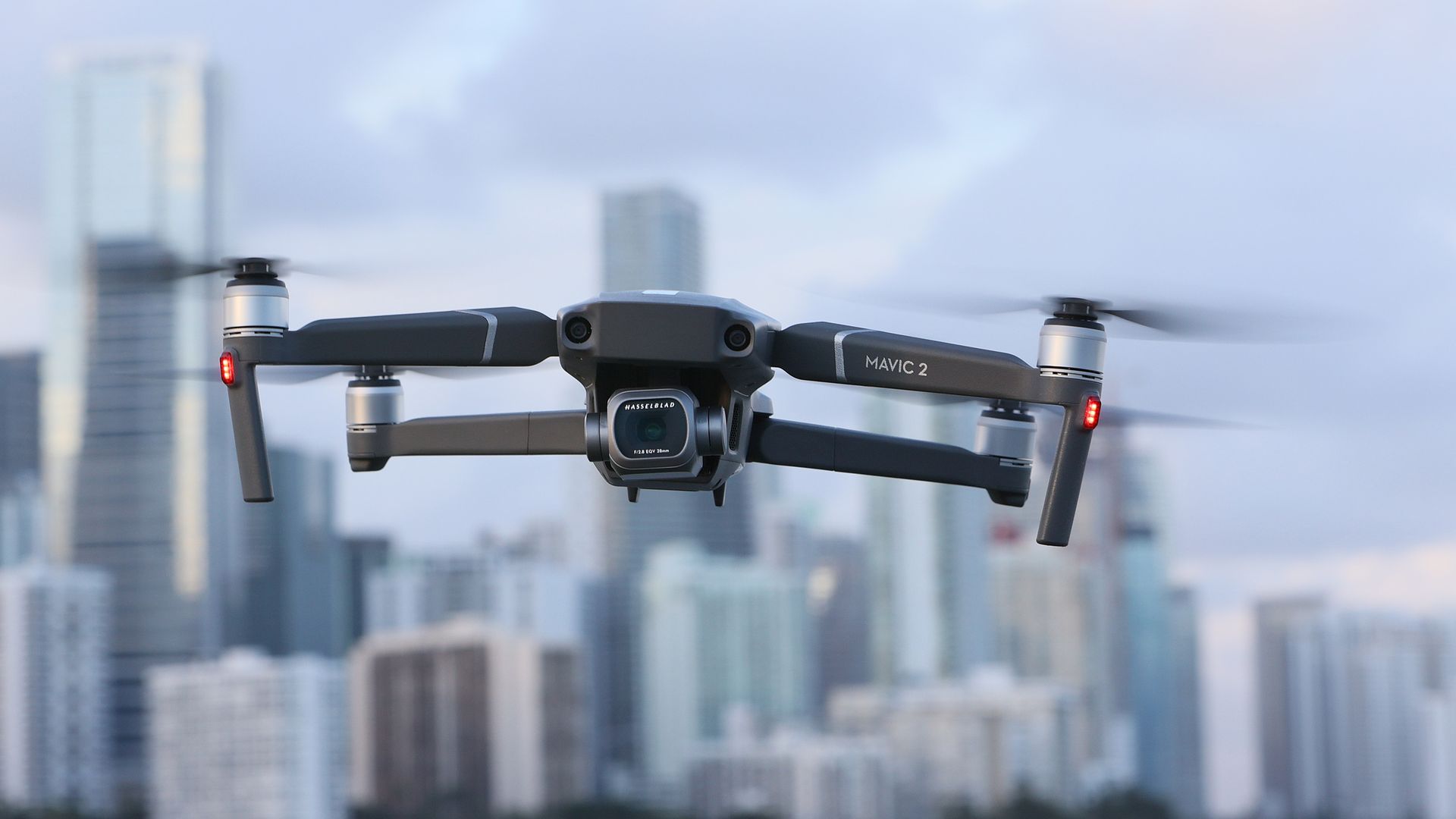
The Treasury Department has added eight Chinese companies — including DJI, the world's largest commercial drone manufacturer — to an investment blacklist for actively supporting the "surveillance and tracking" of Uyghurs and other ethnic minorities in China.
Why it matters: The U.S. is cracking down aggressively on virtually any company — American or Chinese — believed to be complicit in the Chinese government's genocide of Uyghur Muslims in the northwest region of Xinjiang. DJI is accused of providing surveillance drones to authorities that operate mass detention camps in Xinjiang.
Spotify on Thursday said it acquired Whooshkaa, a podcast technology platform that specializes in technology for radio broadcasters to turn existing content into podcasts.
Why it matters: The deal will help Whooshkaa expand and will help Spotify grow its ad inventory.
Ring, the Amazon-owned doorbell and security camera device, now works with 2,000 police departments across the country. But the footage downloaded by those agencies is less than one might expect, according to a new audit from New York University's Policing Project.
Why it matters: The company has come under fire for a number of practices including its privacy policies, economic relationships with police agencies and its role in helping create and grow the surveillance state.
Europe is leading the way as Congress and U.S. regulators slowly figure out how America could regulate the digital economy.
Why it matters: Europe's tech regulation influence on the U.S. marks a notable shift in the setting of global standards as international lawmakers continue to scrutinize Big Tech.
TikTok is adjusting its algorithm to avoid showing users the same types of videos too frequently.
Why it matters: TikTok says the adjustments are being made to ensure it isn't inadvertently reinforcing viewpoints that could be bad for a person's wellbeing.
It's official: Reddit wants to go public, and has filed its IPO prospectus with the SEC.
Why it matters: The company was bought by publishing giant Condé Nast for $10 million in 2006. After well over $1 billion in subsequent new investment, it's hoping for a $15 billion valuation when it goes public, per Reuters.














/2021/12/16/1639614328548.gif?w=3840)