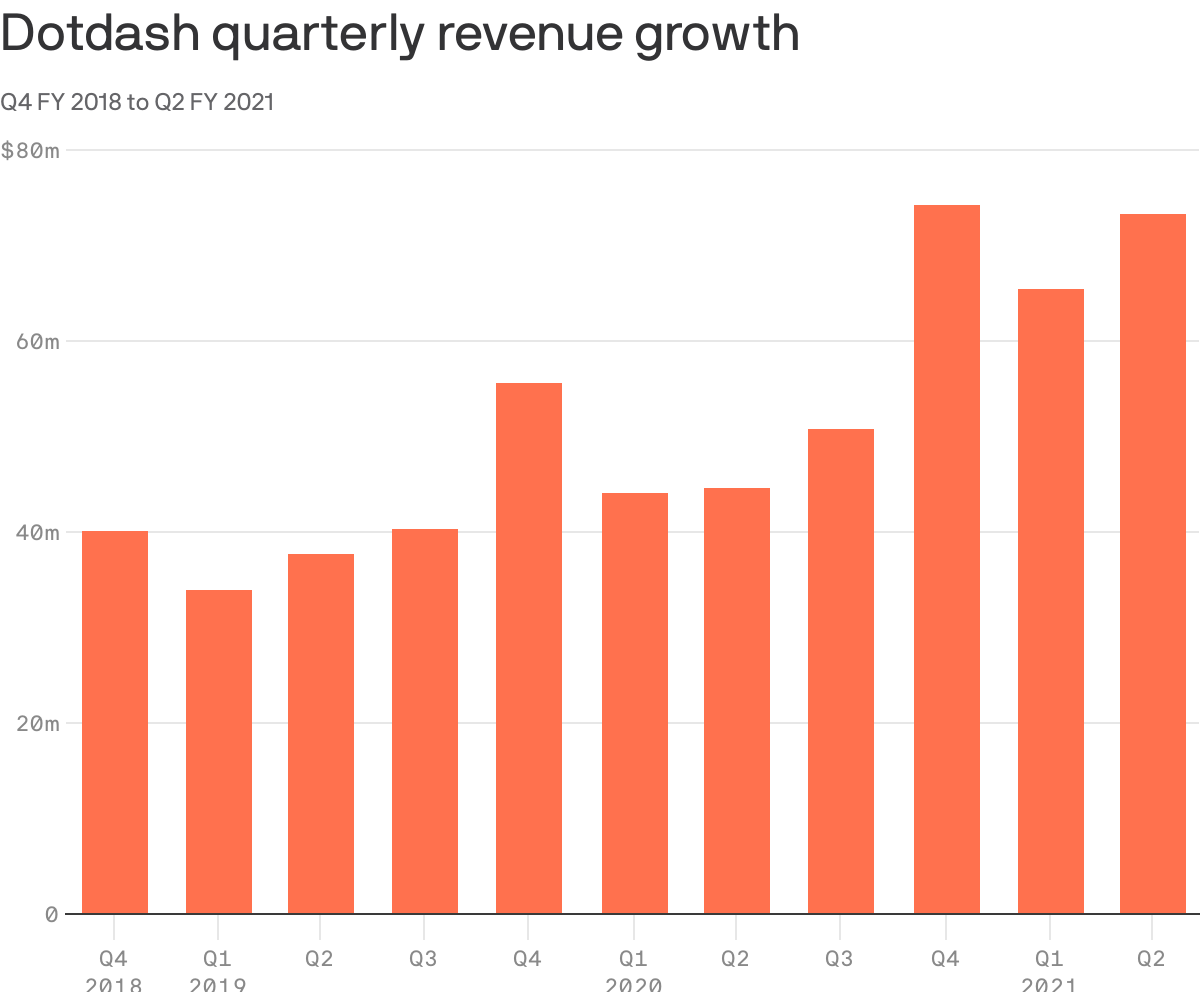
Dotdash, the digital media company that houses brands like Verywell and Investopedia, is growing revenue faster than any other brand within the IAC, the publicly traded internet company that also owns Angi, The Daily Beast, and others.
Why it matters: IAC is known for growing digital brands and spinning them out once they are big enough to stand alone. Now that IAC has spun out Match Group and Vimeo, Dotdash is its fastest-growing brand in terms of revenue.
One of the many challenges for indie game developers is being pigeonholed into a specific genre, making it important for some developers to subvert expectations by tackling surprising projects.
Why it matters: For developer Ben Esposito, establishing that his new game, "Neon White," is a sharp turn from his previous work has been at the forefront of how he's presented his game.
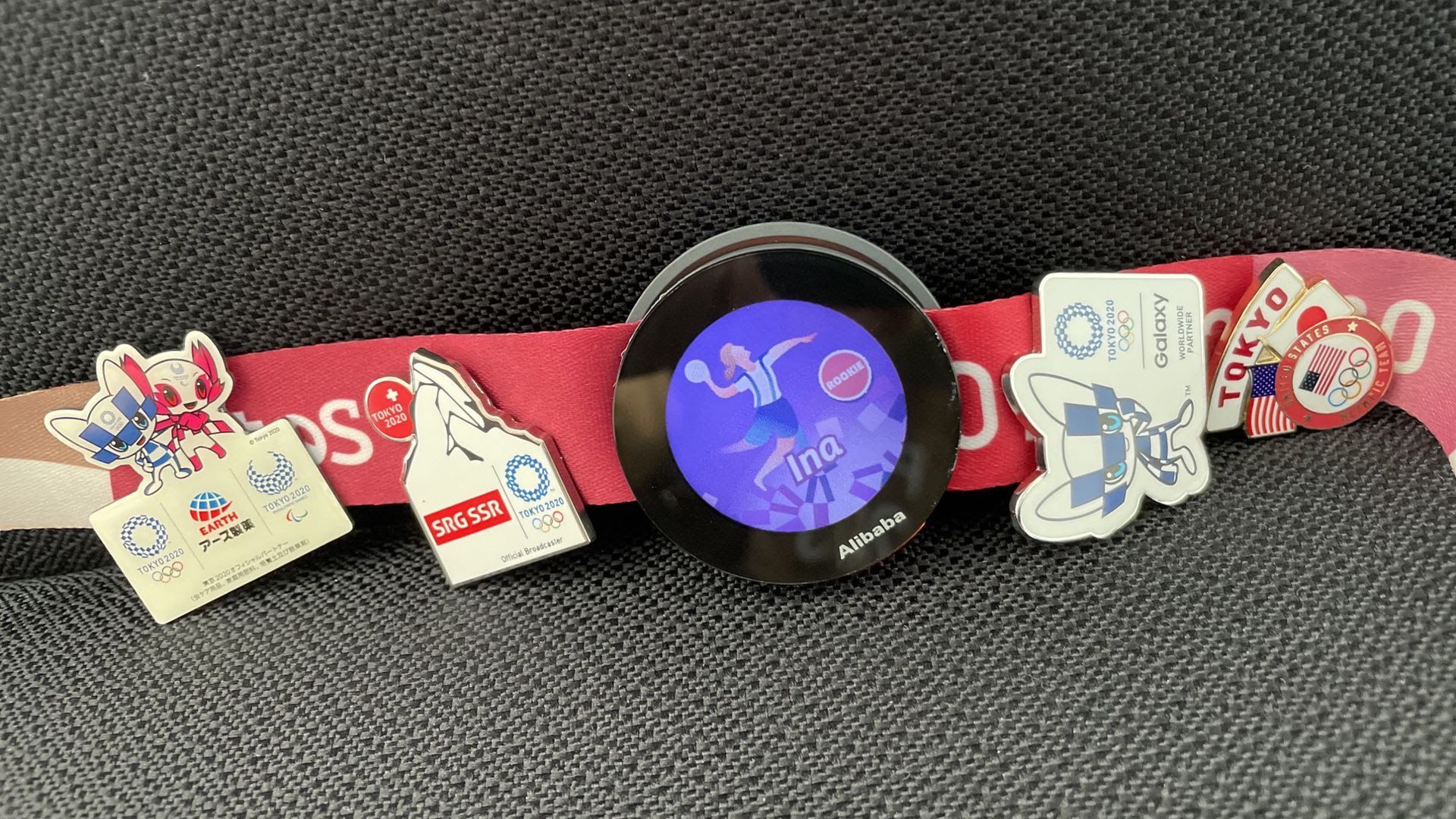
TOKYO — One of the most beloved Olympic traditions is the collecting and trading of pins emblazoned with Olympic mascots, sponsors and media. This year, Alibaba offered attendees of the Games a modern take with its digital pin.
Why it matters: The NFT craze is one indication of a broad move by the collectibles world to digital. One of the big challenges, though, is creating a physical object that can still be enjoyed.
TOKYO — With each new sport added to the Olympics comes a new challenge: how to time and score the event. For 89 years, that responsibility has fallen to Swiss watchmaker Omega.
The big picture: What was once a job done by hand is an increasingly automated task, handled entirely, or aided by, technology.
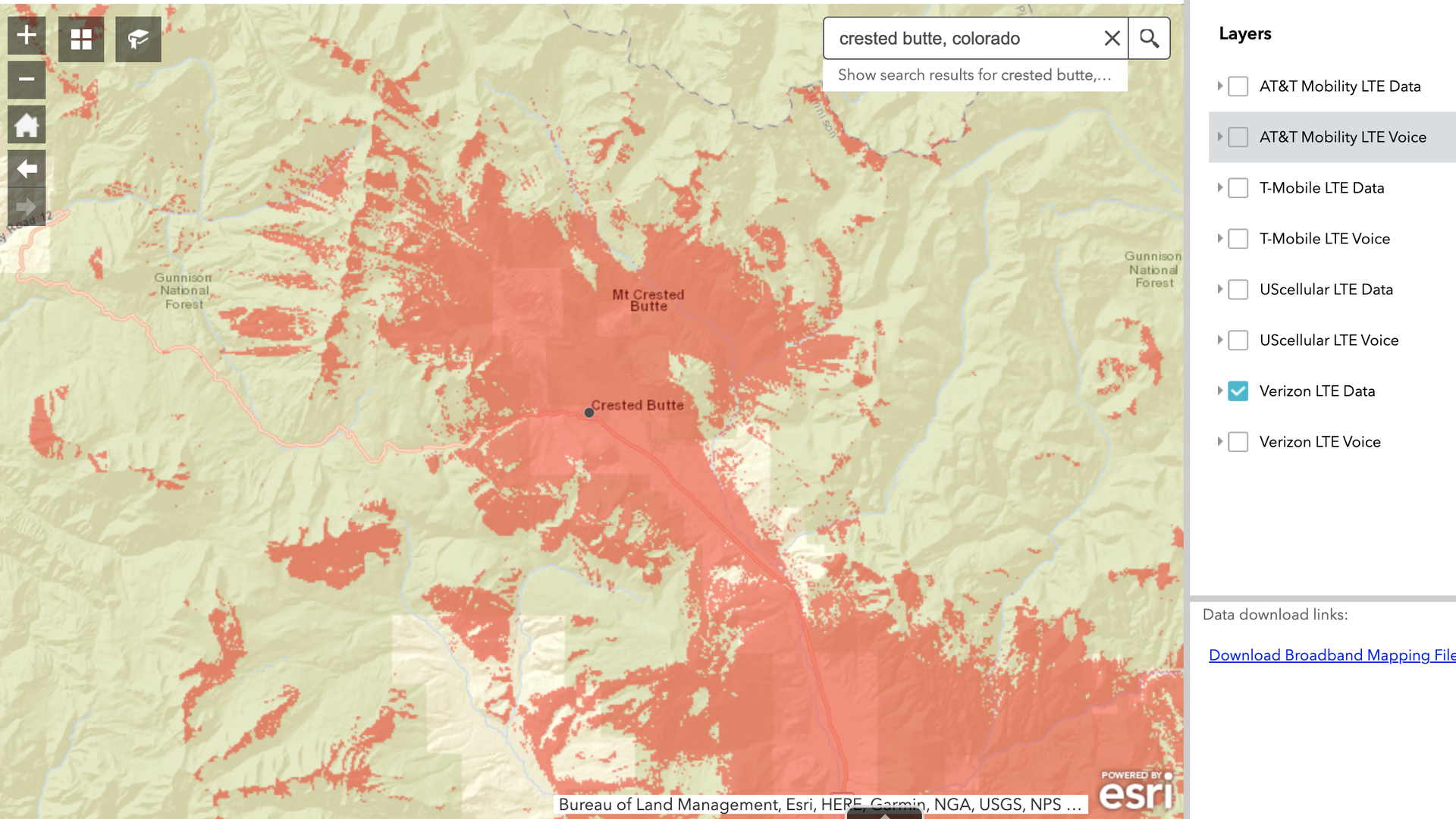
The Federal Communications Commission released a new set of maps Friday showing mobile service coverage and availability as reported by the major wireless providers.
Why it matters: Billions of dollars are about to be spent on boosting broadband access for underserved Americans. The better the data that directs that spending is, the more effective the dollars will be.
Engineering job seekers wait an average of 49 days to get hired after submitting job applications, per a new LinkedIn analysis.
The big picture: Employers are desperate to fill a record number of open positions across industries, but the hiring process is still taking a long time for some types of jobs.
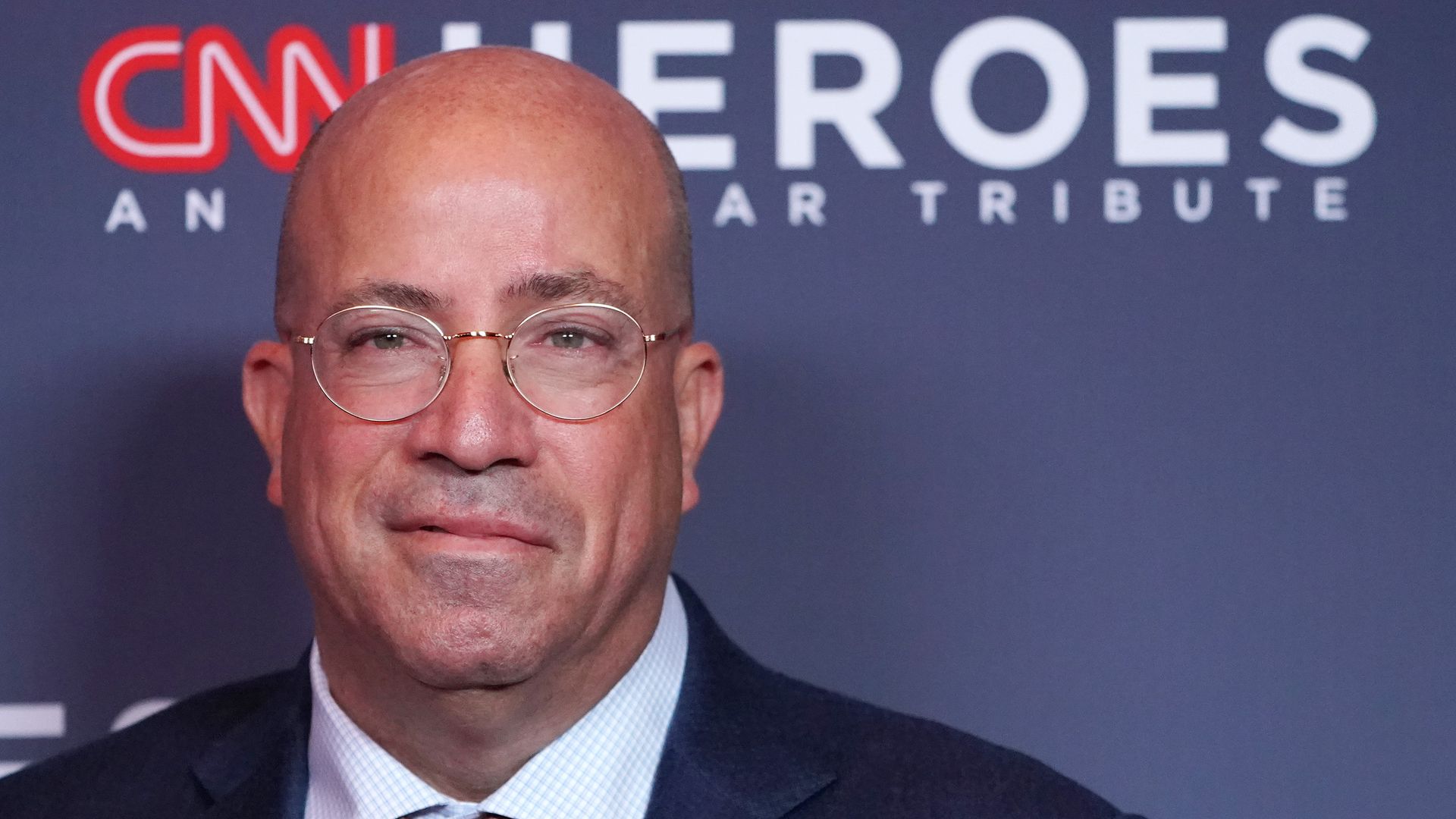
CNN president Jeff Zucker told staff Thursday that the network fired three staff members who came to work without getting vaccinated against COVID-19, according to a memo first obtained by the New York Times.
Driving the news: Zucker said in the memo also shared with Axios that CNN had a "zero-tolerance policy" on coronavirus vaccinations and noted that employees showing proof of having had the vaccine may soon become part of the process of entering network buildings.
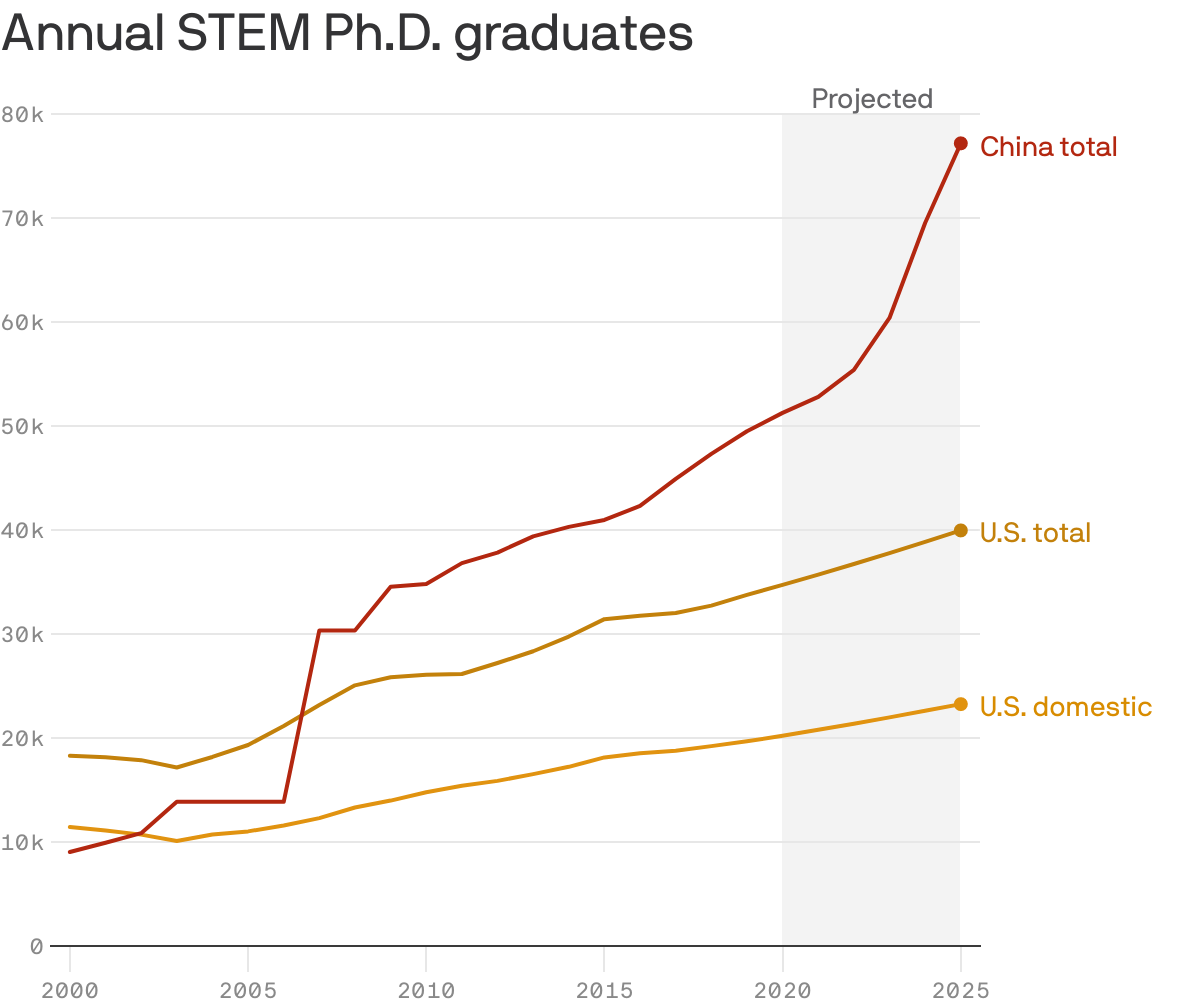
A new report finds universities in China are producing more STEM doctoral students than those in the U.S. — and the gap is projected to only widen.
Why it matters: Creating pipelines of STEM-trained workers, including Ph.D.-level experts, is a national priority for both the U.S. and China as they compete in artificial intelligence, quantum computing, biotechnology and other fields.
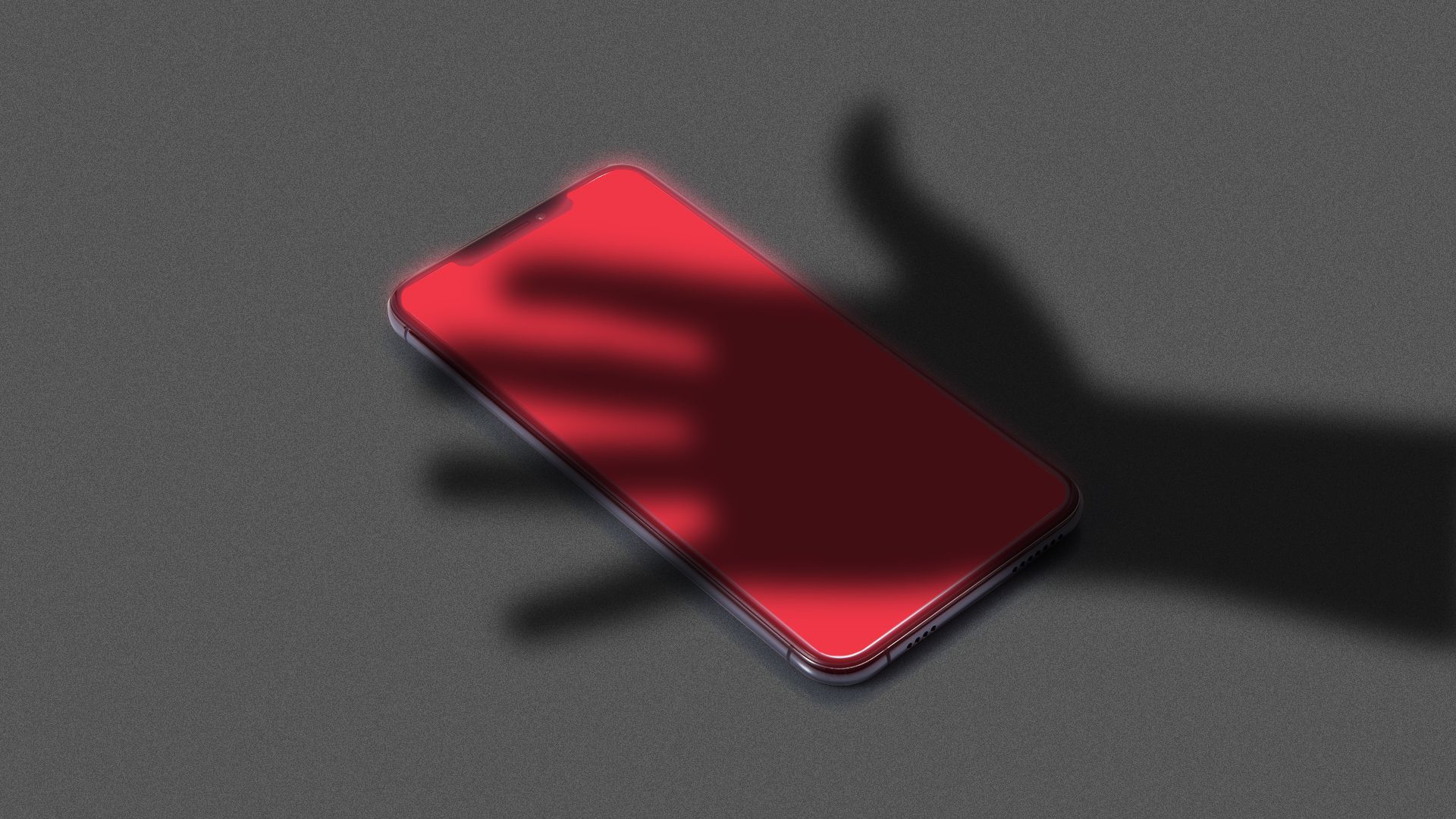
Apple announced new iPhone features Thursday that it said would enable the detection and reporting of illegal images of child sexual abuse while preserving users' privacy.
Driving the news: One new system will use cryptographic hashes to identify illegal images that users are uploading to Apple's iCloud without Apple directly snooping in users' troves of photos, which can be encrypted.
Steve Gaynor, co-founder of the award-winning independent developer behind "Gone Home," is responsible for fostering a toxic work environment that drove women to leave the beloved studio.
Driving the news: An investigation from Polygon's Nicole Carpenter details how 15 employees have left Fullbright since the onset of development on its latest project, "Open Roads," with 12 confirming directly that they left "at least in part due to Gaynor's behavior toward workers, specifically women on the team."
The pandemic-driven shift to remote work has been accompanied by a rise in cyberattacks on corporations — and that's not a coincidence.
Why it matters: Cyberattacks can cost companies millions and the broader economy billions. With remote work likely to stay — especially with the surging Delta variant — companies need to prioritize and retool cyberdefense for a more distributed working world.