A hacker group associated with the Russian government breached the computer systems of the Republican National Committee last week in a massive ransomware attack, Bloomberg first reported.
The big picture: The attack follows a separate Russia-based criminal group unleashing an attack that compromised the computer systems of at least 1,000 businesses. No connection has been established between the attacks.
Richard Branson is scheduled to blast off this Sunday on a suborbital space flight with his company Virgin Galactic, just days before Jeff Bezos plans to ride aboard a Blue Origin spaceship. But a lot more is riding on these rockets than ambitious billionaires.
Axios Re:Cap speaks with Axios Space editor Miriam Kramer about what Branson and Bezos are actually doing, how it’s different from what SpaceX is doing, and the risks these missions could pose to the future of space travel.
The Department of Defense announced Tuesday it was canceling the massive cloud contract awarded to Microsoft in 2019, saying it "no longer meets its needs."
Why it matters: The JEDI contract was the largest-ever of its kind, with an estimated value of roughly $10 billion over a 10-year stretch. The deal, initially intended to modernize the Pentagon's IT operations, was the subject of a drawn-out legal battle with Amazon and Microsoft.
U.S. tech companies for years have grumbled about how the Chinese government favored its homegrown heroes, largely shielding them from global competition. Now, though, China is turning on its own Big Tech companies, reminding them who's boss.
Why it matters: This complicates U.S. IPO plans for dozens of Chinese companies, and potentially revalues even more Chinese unicorns.
Businesses around the globe are dealing with another big ransomware attack, linked to the Russia-connected REvil group that previously hacked meat processor JBS.
Catch up quick: The new attack exploits a flaw in software that middleware provider Kaseya supplied to customers, who are themselves companies that provide managed services to other businesses.
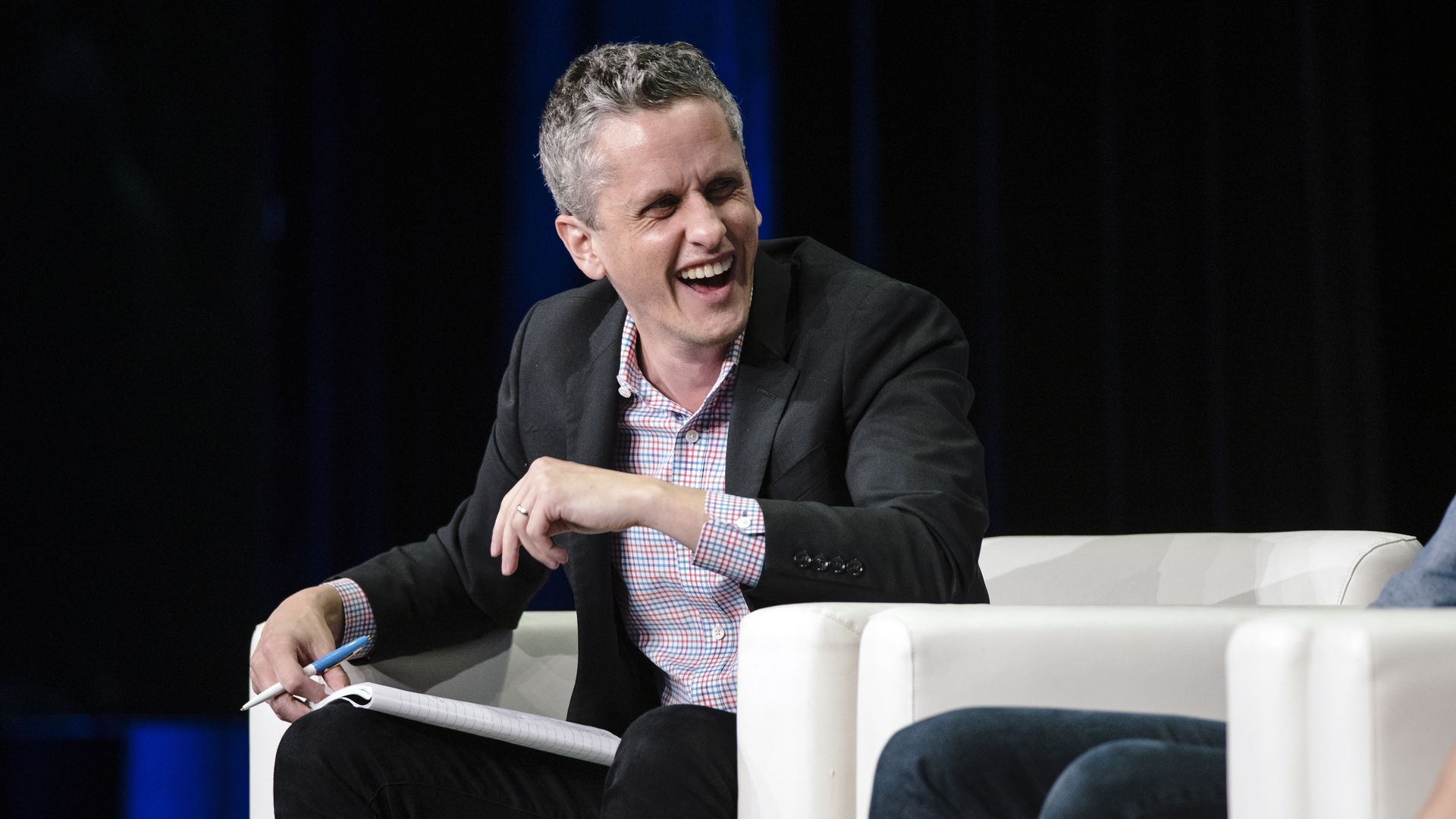
Cloud content management company Box is striking backat Starboard Value, alleging that the firm privately asked to participate in an investment that it publicly opposed.
Between the lines: Box has been battling for nearly a year with Starboard, in one of the most prolonged battles between a Silicon Valley tech company and an activist investor.
Nextdoor, the neighborhood social network in more than 275,000 global communities, announced that is has agreed to go public via a SPAC sponsored by Khosla Ventures — at an implied valuation of $4.3 billion.
Why it matters: Nextdoor has managed to avoid much of the scrutiny aimed at larger networks like Facebook and Twitter.
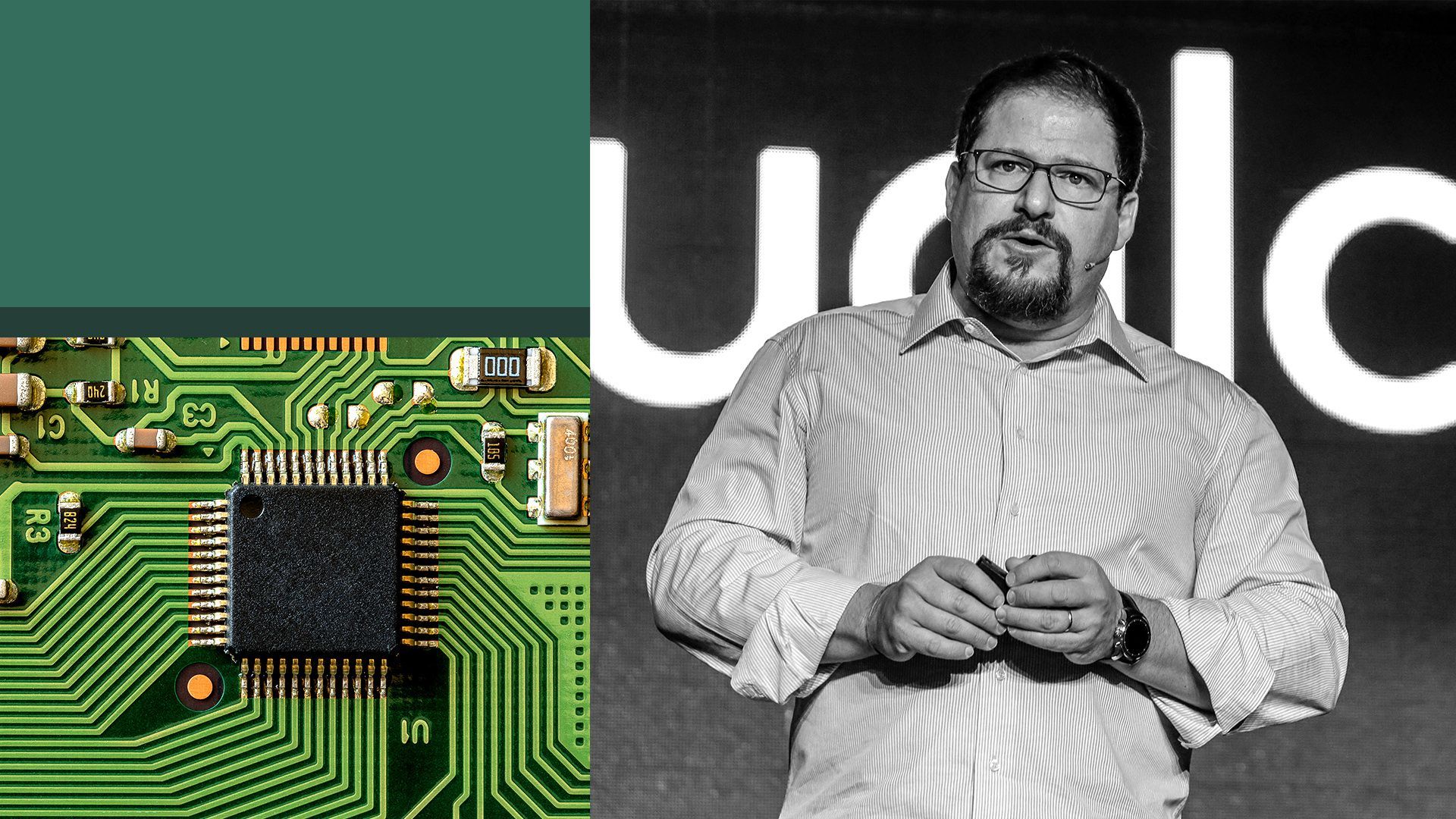
New Qualcomm CEO Cristiano Amon laid out his plans for the semiconductor giant in a media roundtable on his first day on the job.
The big picture: Amon sees Qualcomm benefiting from the shift to remote work, as demand grows for higher-end computing and cloud infrastructure on multiple platforms, including in augmented reality, connected cars and virtual reality.
David Rubenstein in the trailer for "Bloomberg Wealth."
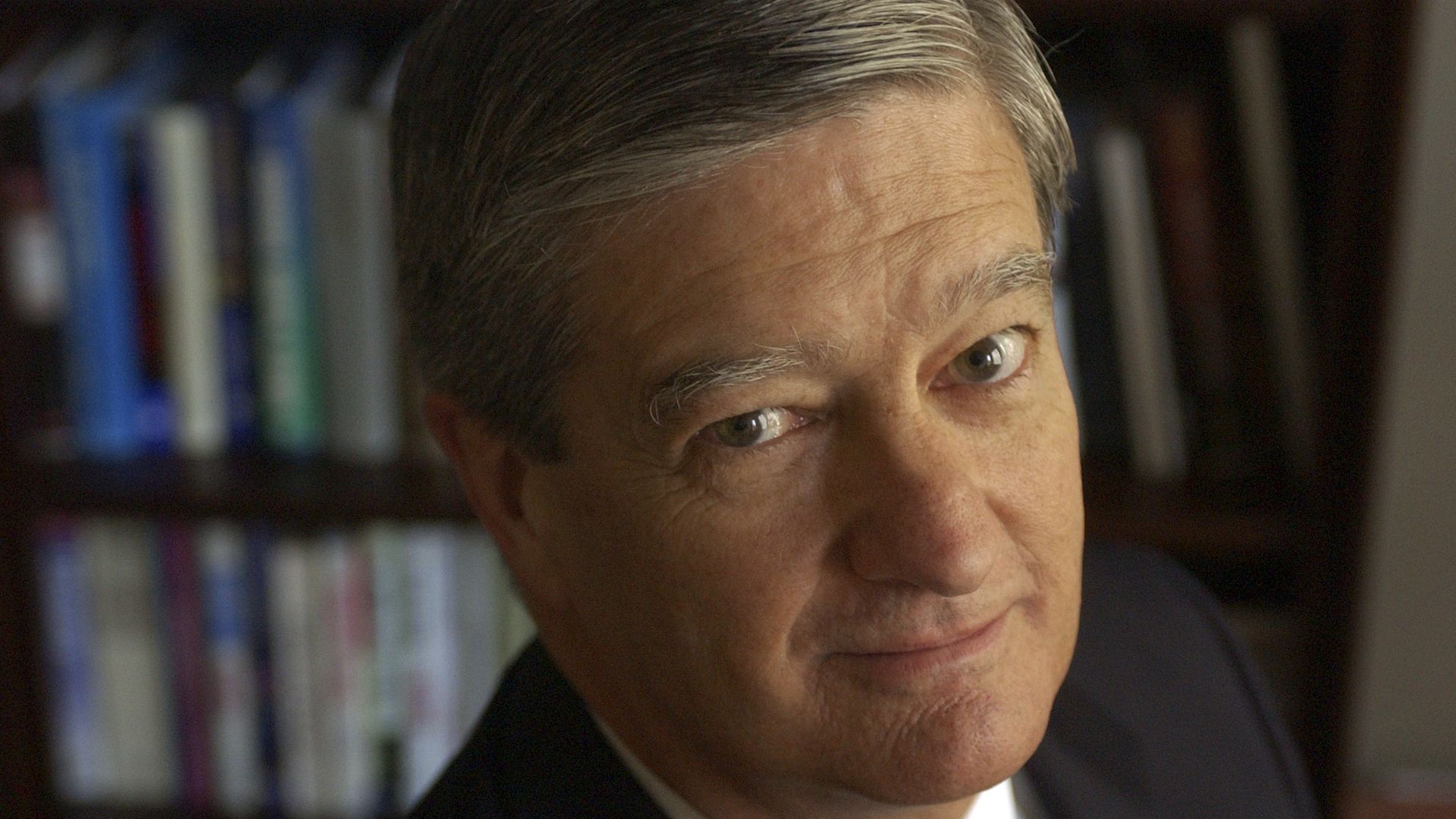
David Rubenstein — billionaire philanthropist, author, interviewer and co-founder of the Carlyle Group investment firm — told me this story ahead of tonight's launch of his new biweekly show, "Bloomberg Wealth":
Marc Andreessen, the now famous venture capitalist, visited Carlyle in the early '90s, seeking funding for something called Netscape.
When Andreessen explained that his idea would help navigate the internet, Rubenstein replied: "What is the internet, and why would I want to navigate it? … We would never invest in something ridiculous like that."
"Boomerang workers" — those who've returned to their hometowns to do remote work — rose with the pandemic, but the phenomenon shows signs of sticking around beyond it.
The big picture: Workers typically have to move to where the jobs are, centralizing top talent in big coastal cities. But as COVID drove rapid adoption of remote work, many people who were able to opted to return to their roots to be closer to family, raise kids in familiar settings or simply escape big city life.
Fox proprietor Rupert Murdoch "owes himself a better legacy than a news channel that no reasonable person would believe," former Fox executive Preston Padden wrote in an op-ed for the Daily Beast, published Monday.
Why it matters: Padden was president of network distribution at the Fox Broadcasting Company for seven years and helped in the launch of Fox News, which he described in the article as "poison for America."