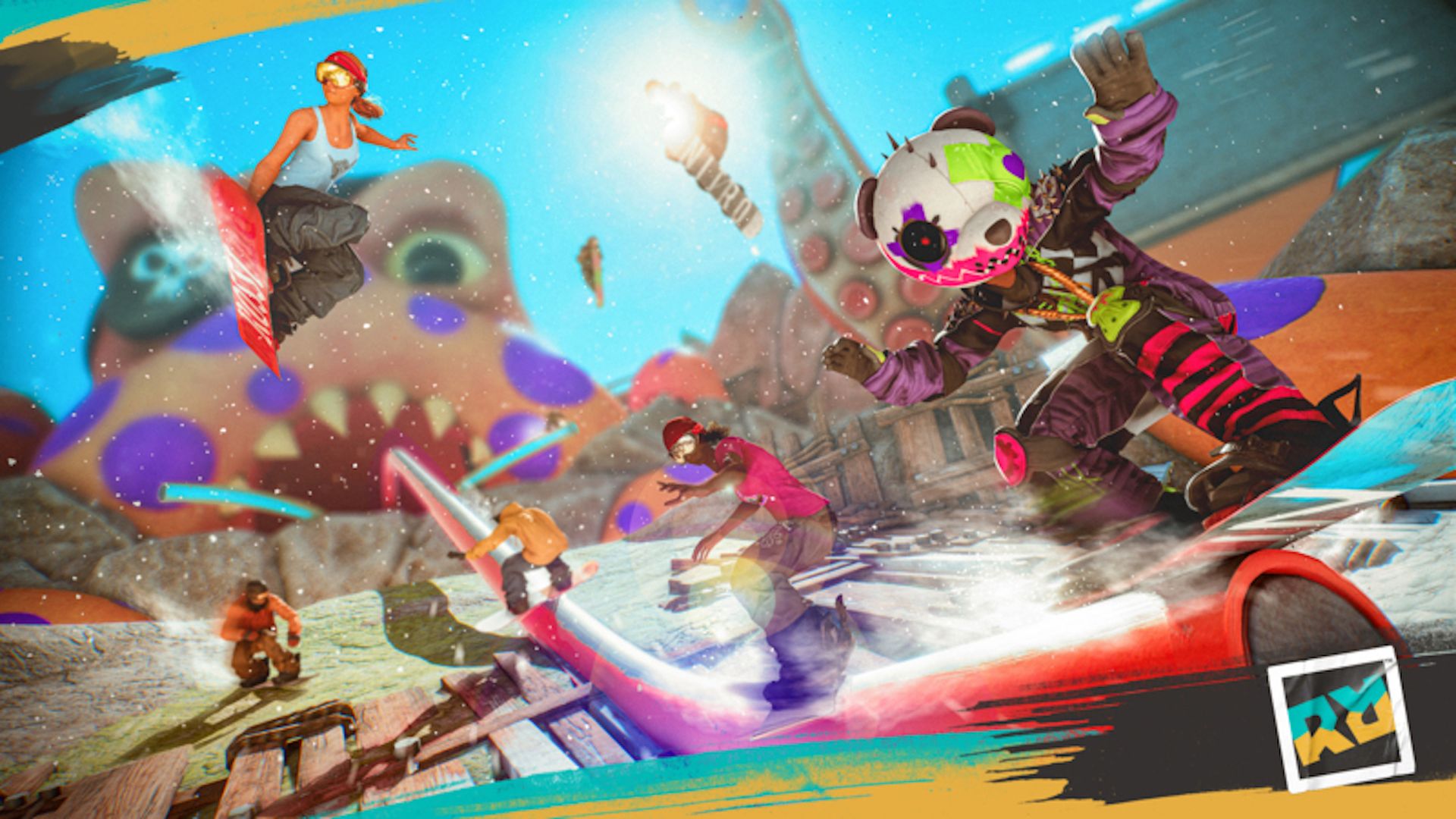
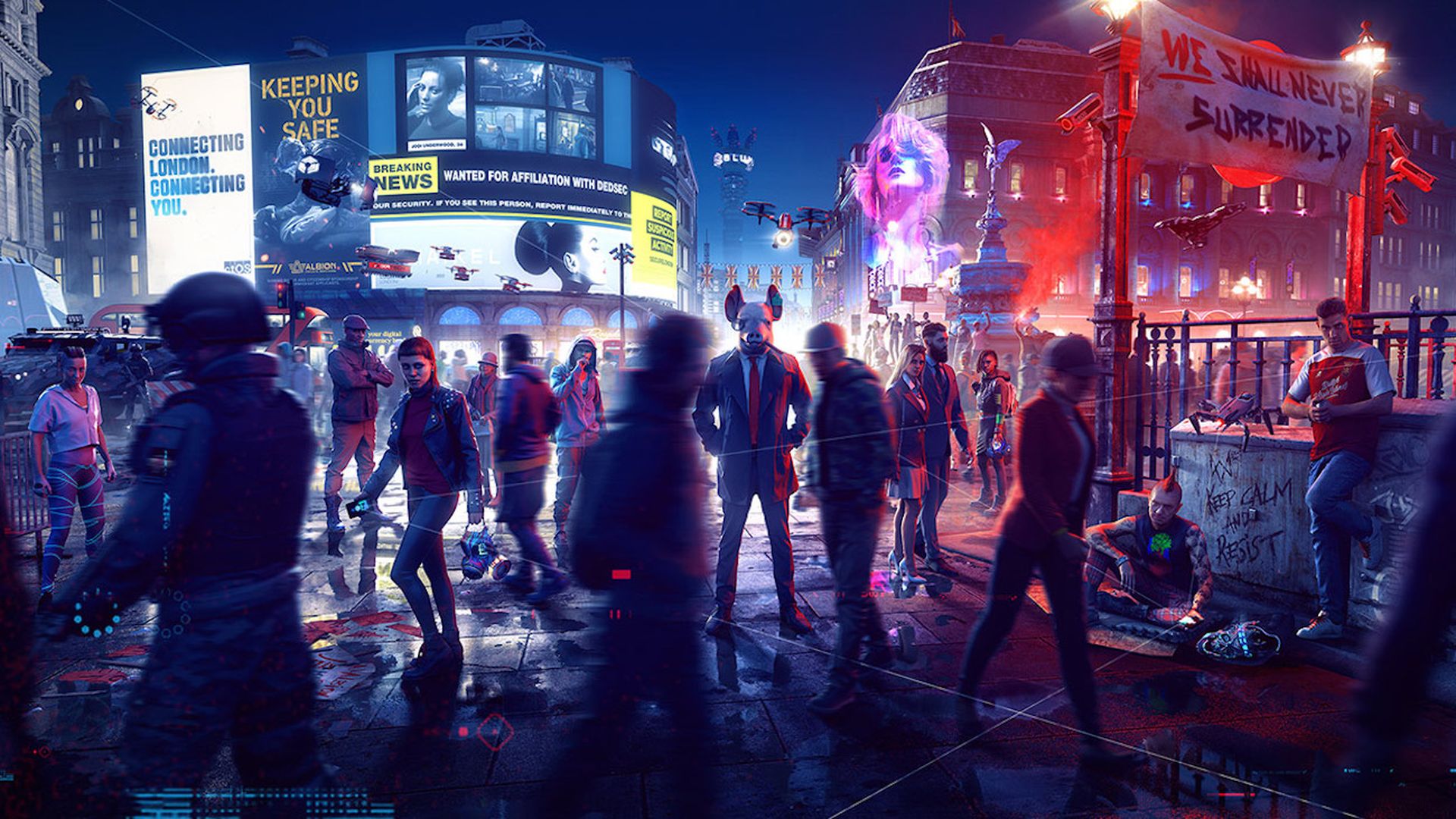
Working from home increased the energy consumption per employee at gaming giant Ubisoft to 3,882 kilowatt hours per employee last year, up from 3,064 in 2019, according to a company filing.
Why it matters: The change demonstrates the challenge of a company trying to lower its carbon footprint while modernizing its approach to work.
Ubisoft has listed the “occurence of inappropriate behavior by employees” as a new risk to the company in a little-noticed annual filing last month.
Why it matters: Over the past year, Ubisoft has reacted to widespread allegations of misconduct against powerful men in the company with a mix of confidence that reform is possible and contrition from its CEO. But the filing shows a Ubisoft more explicit about the lingering fallout.
The union workers who build the nation's internet networks have a huge stake in how Congress decides to divvy up infrastructure funding— and they want strings attached to make sure they're not left on the sidelines.
Why it matters: The telecom workers' union sees an ally in President Joe Biden for its pressure campaign to ensure union members will play a role in infrastructure-funded jobs.
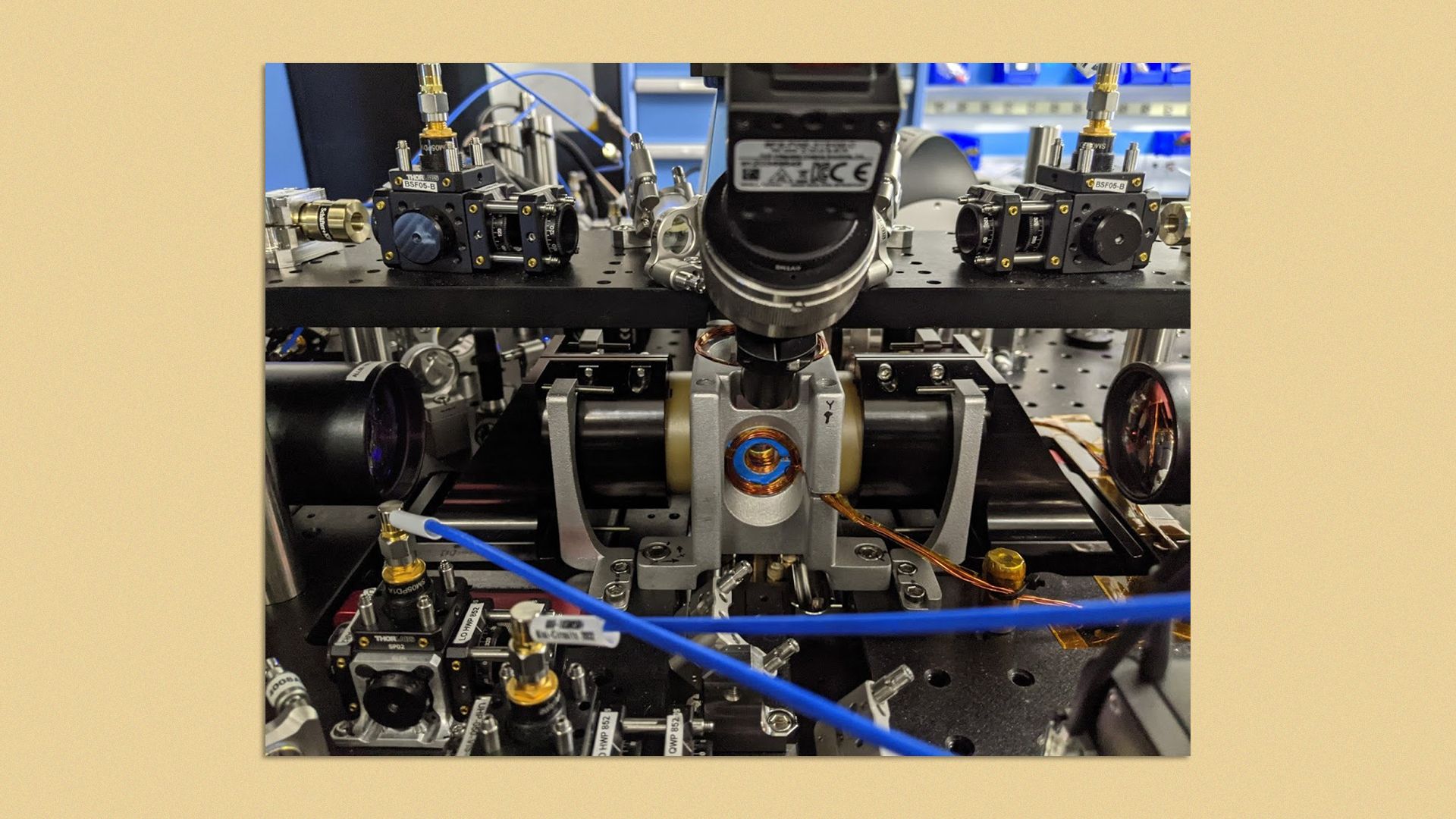
A Boulder, Colorado-based startup says it achieved a new milestone in quantum computing with an approach that traps atoms in an ultra-cold array.
Why it matters: Companies are experimenting with strategies to develop quantum computers. Cold atom technology promises to produce qubits — the basic unit of quantum computing — that are more stable, a key goal of the emerging industry.
Motorized wheelchairs promise greater freedom for people with mobility challenges, and now, with technologies inspired by nascent self-driving cars, they're getting smarter — and safer.
Why it matters: A specialized wheelchair can cost as much as a Tesla but has none of its modern technology, putting vulnerable users at risk for collisions and other accidents, like tipping over a curb.
What's happening: A startup formed by two brothers with a personal motivation developed LUCI, a software and hardware platform that introduces smart technology for powerwheelchair users.
The "smart frame" kit includes multiple sensors — cameras, radar and ultrasonic — along with an ARM processor that acts as the chair's "brain."
LUCI can detect pets or a crawling baby, for instance, and automatically stop the chair. It can also stop for uneven pavement or dangerous drop-offs.
With built-in Wi-Fi and Bluetooth connections, users can link their chair to an at-home assistant like Alexa, and alsocommunicate with caregivers.
"We’re turning the wheelchair into the edge device, or command module, for these folks," said Jered Dean, LUCI co-founder and chief technology officer.
The backstory: Jered and his brother Barry Dean set out to help Barry's 19-year-old daughter, Katherine, who was born with cerebral palsy and has used a wheelchair her entire life.
Their hack of Katherine's chair led to a realization that there is no commercially available smart tech for custom wheelchairs.
They figured they could adapt off-the-shelf technology from robotics companies or self-driving cars but found it didn't translate well to wheelchairs.
"There are no maps or street signs [as for cars] or geotags [as for robots] in a warehouse," Jered told me."Everywhere you go in a week, that’s where a wheelchair has to go and it has to work."
The pair ended up inventing their own radar and ultrasonic sensors, applying for 19 patents, 10 of which have already been issued.
The bottom line: A motorized wheelchair can cost anywhere from $30,000 to $90,000. For an additional $8,445, LUCI makes it smarter.
Clearco, which provides non-dilutive, revenue-based financing to internet startups, has raised $215 million in a Series C extension from SoftBank Vision Fund 2.
Why it matters: This isn't the first time SoftBank is backing a business banking on the startup economy—WeWork's early popularity was also driven by a new boom in startups.
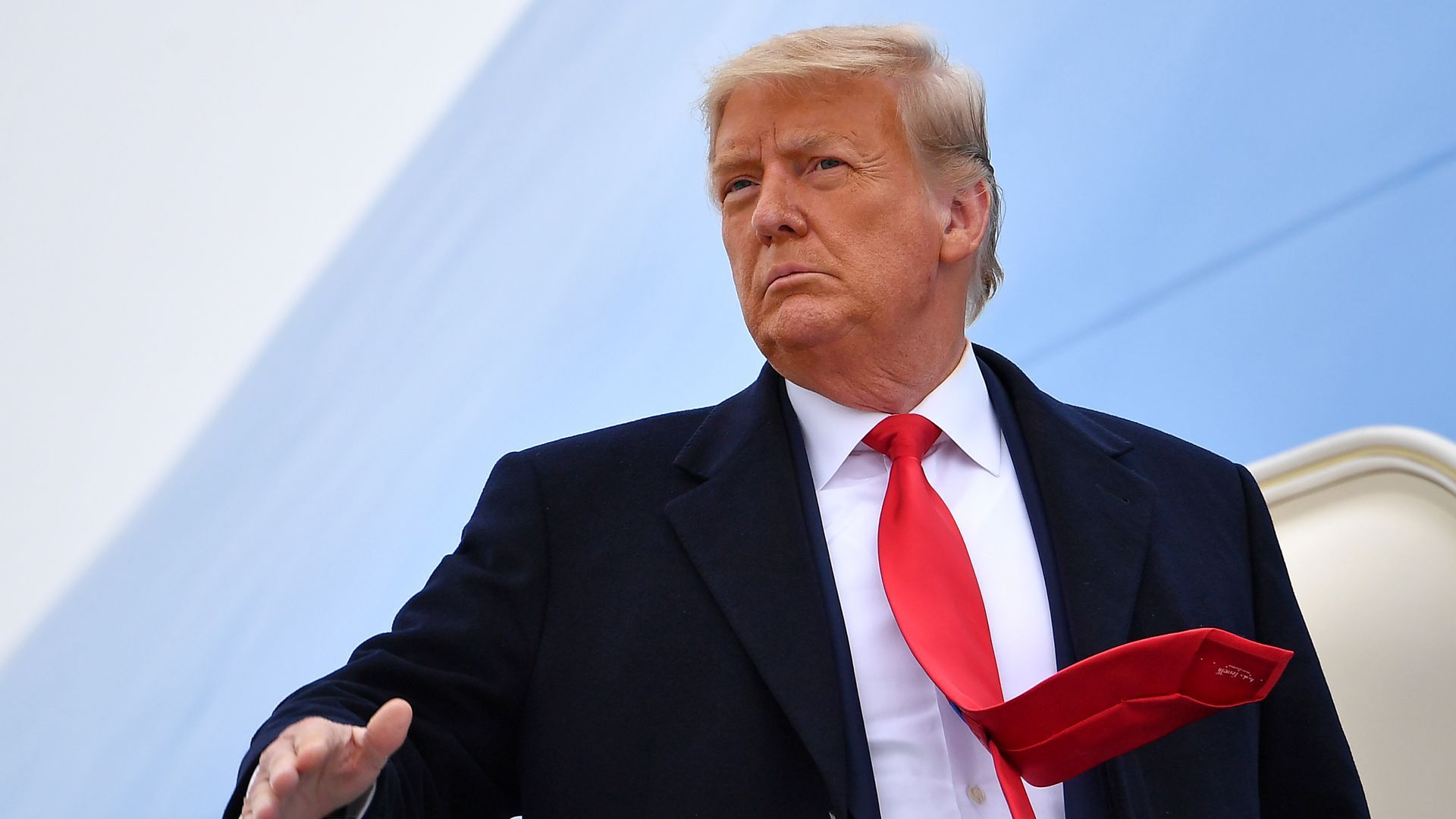
Legal experts and First Amendment scholars say former President Donald Trump's class-action lawsuits announced Wednesday against Facebook, Twitter, Google, and their CEOs are unlikely to go far.
The big picture: That, according to some of these experts, suggests Trump's chief aim is to fire up his supporters and fundraise off of their anger over what they see as censorship by Big Tech.
The attorneys general for 36 states and Washington, D.C., sued Google for anticompetitive conduct in its Google Play Store operations that they say harms both consumers and app developers.
Why it matters: This latest lawsuit opens up yet another front in Google's antitrust battles. The giant already faces suits over its search and advertising practices.
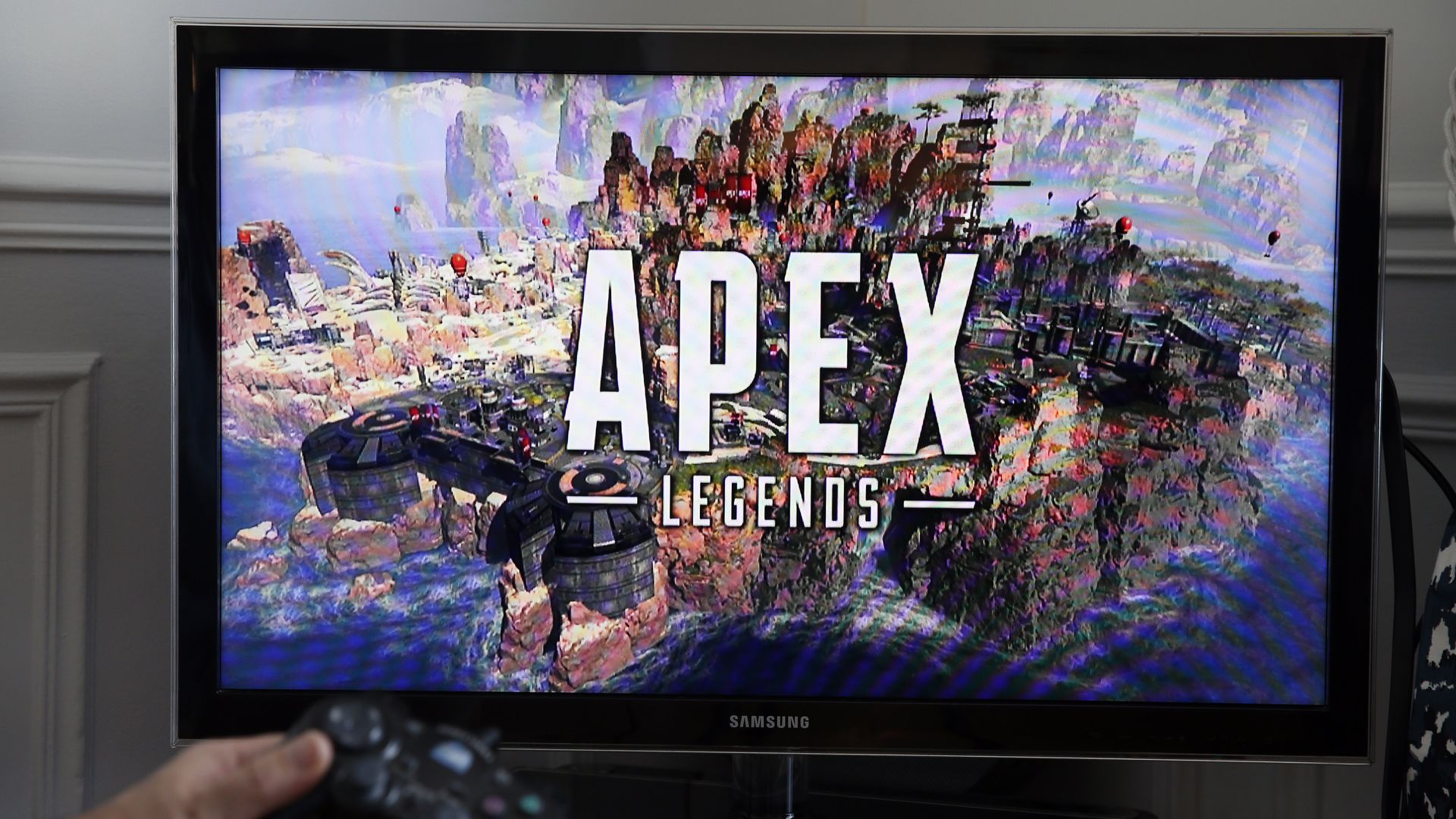
A disruptive hack of online battle royale game "Apex Legends" is shining a light on the personal sacrifices developers make to keep games up and running.
Why it matters: Game developers already work arduous hours, and some developers are still expected to come in for emergencies.
The Chinese government is going after its own Big Tech companies, with new rules around cybersecurity and listing shares on foreign exchanges. It’s also banned many of them from app stores, including ride-hail giant DiDi, which last week went public in New York.
Axios Re:Cap talks with Rui Ma of China Tech Buzz about what’s changed in just the past few days, what it means for companies like DiDi and parallels to last year's fight between Trump and TikTok.
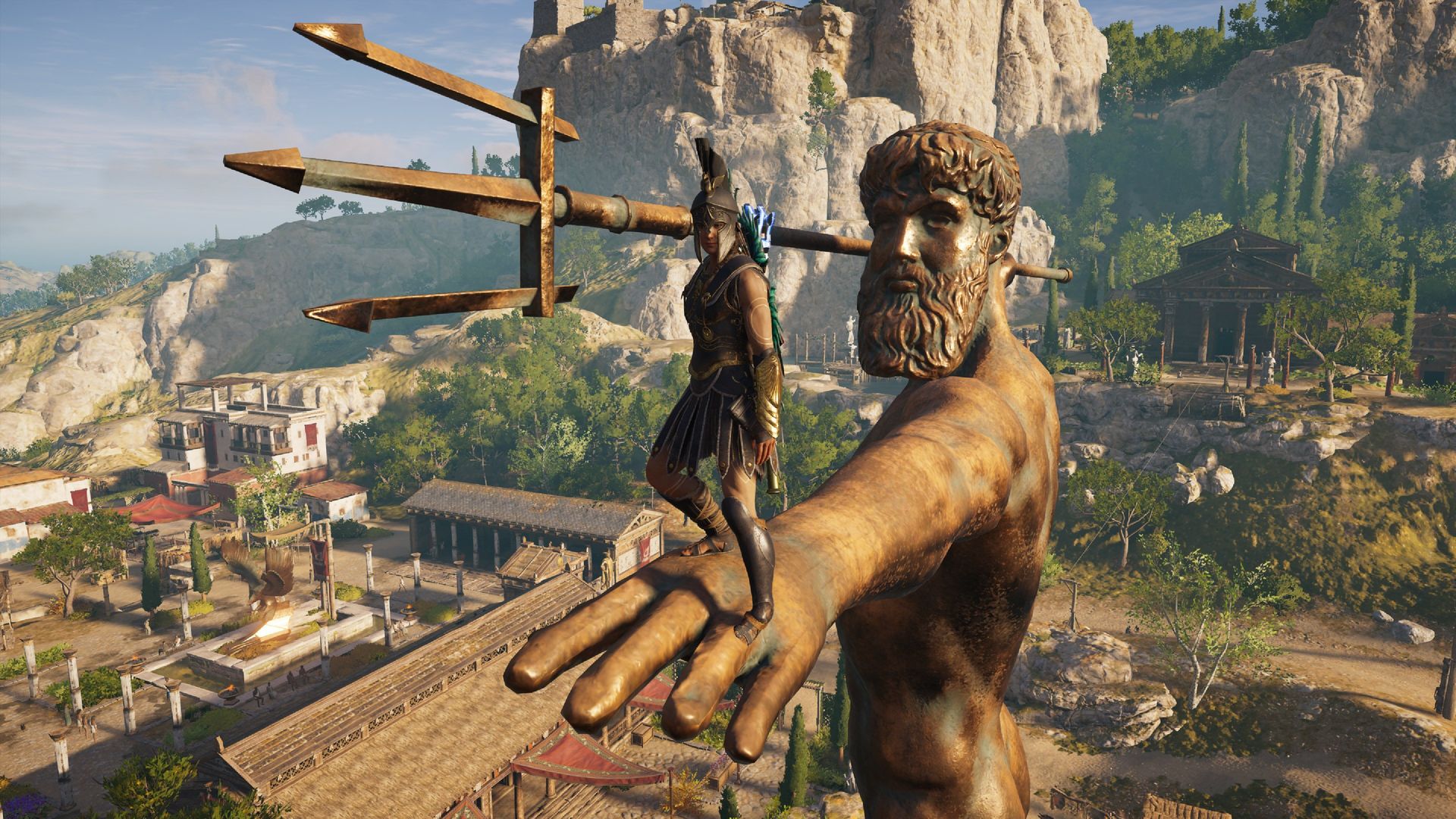
The next "Assassin's Creed" is codenamed "Assassin's Creed Infinity" and will be jointly produced by Ubisoft's large Montreal and Quebec studios, the company confirmed Wednesday.
Why it matters: "Assassin's Creed" is Ubisoft's biggest series, but its future has been complicated by workplace problems and the company's plan to pursue new business models.
Why it matters: It's the latest escalation in Trump's yearslong battle with Twitter and Facebook over free speech and censorship. Trump is completely banned from Twitter and is banned from Facebook for another two years.
The July 4 weekend's Kaseya ransomware attack was huge — but while some experts and lawmakers are calling it "the biggest ever" or "largest ransomware attack in history," it's too soon to award that title.
Ranking these incidents is tricky, since the cybersecurity world has no single yardstick for measuring or comparing the size of attacks.