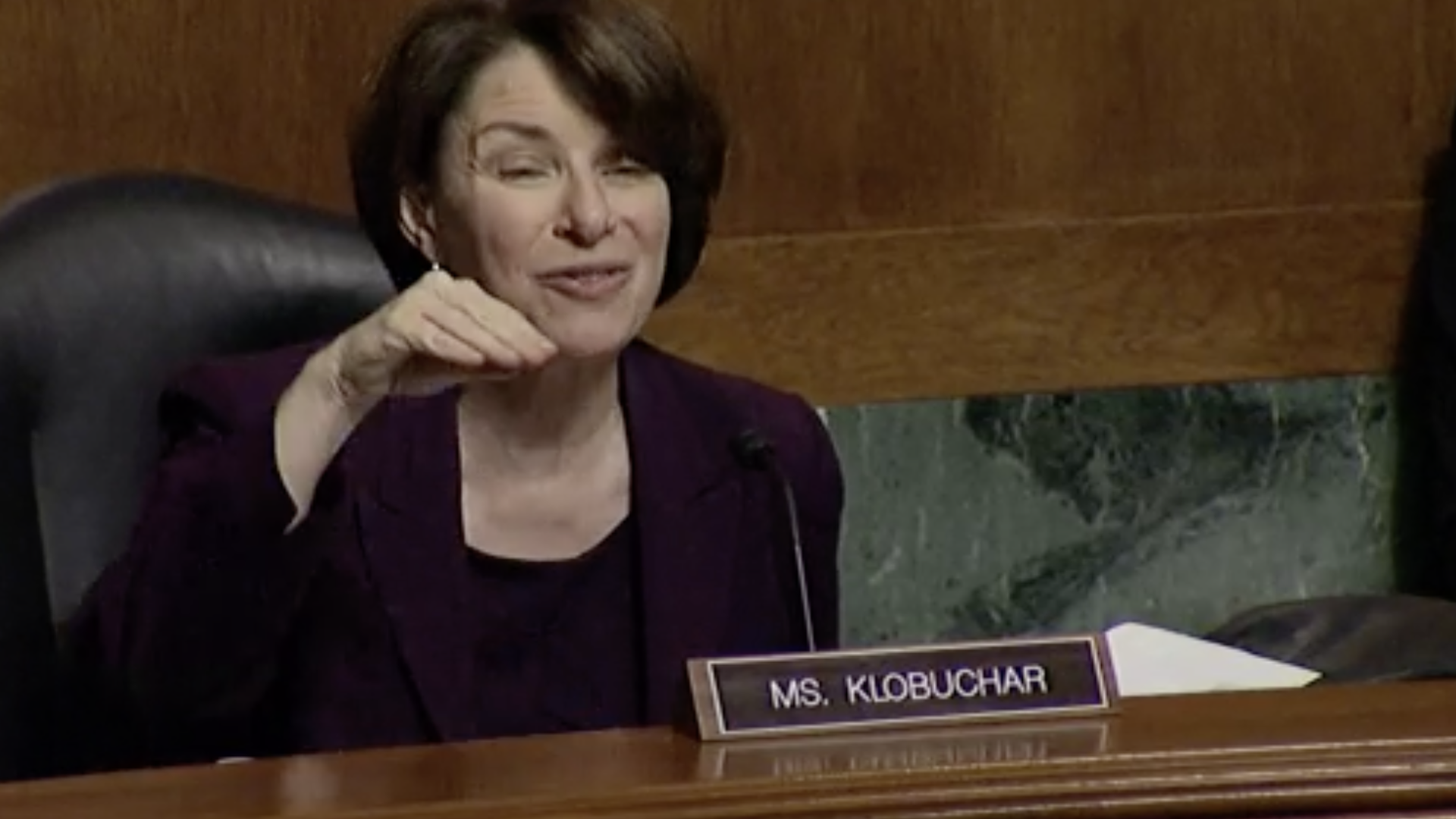
Senators from both parties united Wednesday in attacking Apple's and Google's ability to extract excessive app store commissions because of their control over their respective mobile ecosystems.
Why it matters: Past hearings on Big Tech have devolved into partisan squabbles, but the cross-aisle agreement on this issue suggests trouble for the companies, with members of both parties encouraging stronger enforcement of existing laws, greater funding for regulatory agencies and, potentially, new laws to address digital marketplaces.
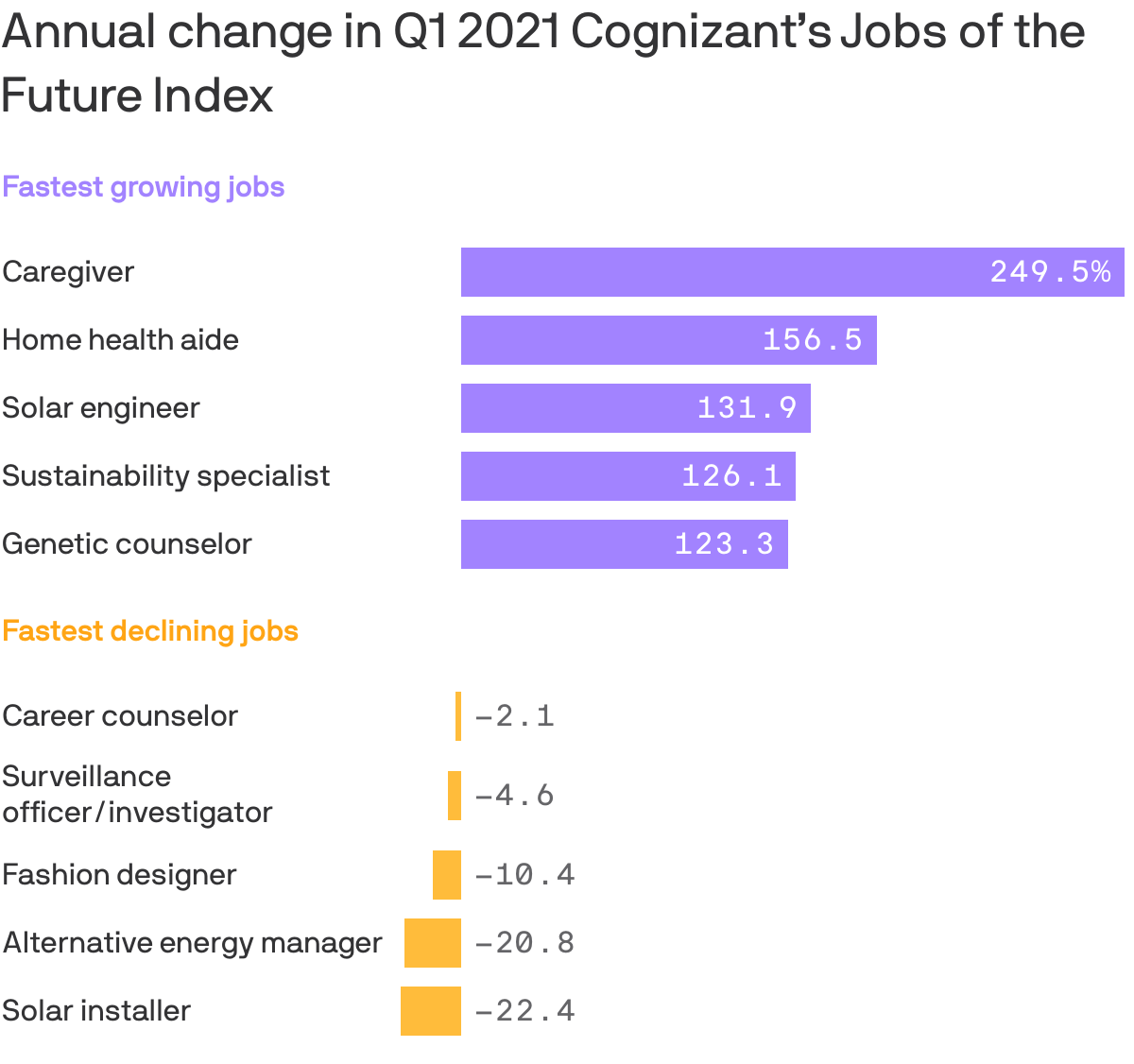
While digitally enabled "jobs of the future" are still below their pre-pandemic level, new data suggests they are on the way back.
The big picture: The U.S. labor market is recovering faster than expected thanks to a so-far successful vaccination program and massive stimulus spending. Future-focused jobs suffered even more during the pandemic than employment as a whole, but the category is set to take off later this year.
One of the pioneers of quantum computing warns that industry hype is getting ahead of actual performance.
Why it matters: Quantum holds the promise of revolutionizing computing. But there are still enormous hardware and software challenges that need to be overcome.
The debate over extremely rare side effects from the Johnson & Johnson COVID-19 vaccine highlights questions about how we should account for the unintended consequences of new technology.
Why it matters: AI algorithms, facial recognition, self-driving cars — the future will be full of technologies that will bring new benefits shadowed by new harms. But unlike in medicine, there isn't a clear framework for how to strike a balance between the two.
ATTN:, the digital media company that focuses on social change content, has landed a 7-figure deal with TikTok to produce videos for a new initiative called "TikTok for Good," ATTN: co-founder Matthew Segal tells Axios.
Why it matters: ATTN:'s sweet spot — tackling social issues through entertaining videos — has caught the attention of tech platforms looking to engage younger audiences that are more civically active than previous generations.
European Union officials proposed new regulations Wednesday for high-risk uses of artificial intelligence, like facial scanning.
The big picture: The EU wants to set rules for uses of AI that shape decisions made about people's lives and ban uses of AI that are deemed to be too risky.
Cisco is the latest tech giant to announce a big environmental push. The networking company said today that its foundation will invest $100 million over the next decade to fund projects that reduce carbon emissions as well as community awareness efforts.
With the need for mental health care for teens skyrocketing during the pandemic, the Federal Communications Commission wants to ensure they can reach a suicide prevention line by their preferred method of communication — texting.
Why it matters: The pandemic has taken a mental toll on American youth, with new data showing that teen medical claims for intentional self-harm nearly doubled in April 2020, compared to April 2019.
A day after a raft of glossy product debuts, Apple will move into a harsher spotlight as it defends its business practices before a Senate antitrust committee Wednesday.
Why it matters: Google, Amazon and Facebook have received more of Washington's regulatory attention in recent months. Now it's Apple's turn.
Apple on Tuesday launched a bevy of new hardware and software products, building on the strength of its homegrown M1 chip to retool its iMac and iPad lineups and also introducing the long-awaited AirTags item trackers.
Why it matters: Apple is getting a later-than-usual start this year on product launches, perhaps due to a mix of factors, including a global chip shortage.
Google is launching a new certification program for health insurance advertisers in the U.S. that will only allow government exchanges, first-party providers and licensed third-party brokers to run ads across its platform.
Why it matters: The policy is meant to curb any misinformation, confusion and fraud around health care being provided to consumers via ads.
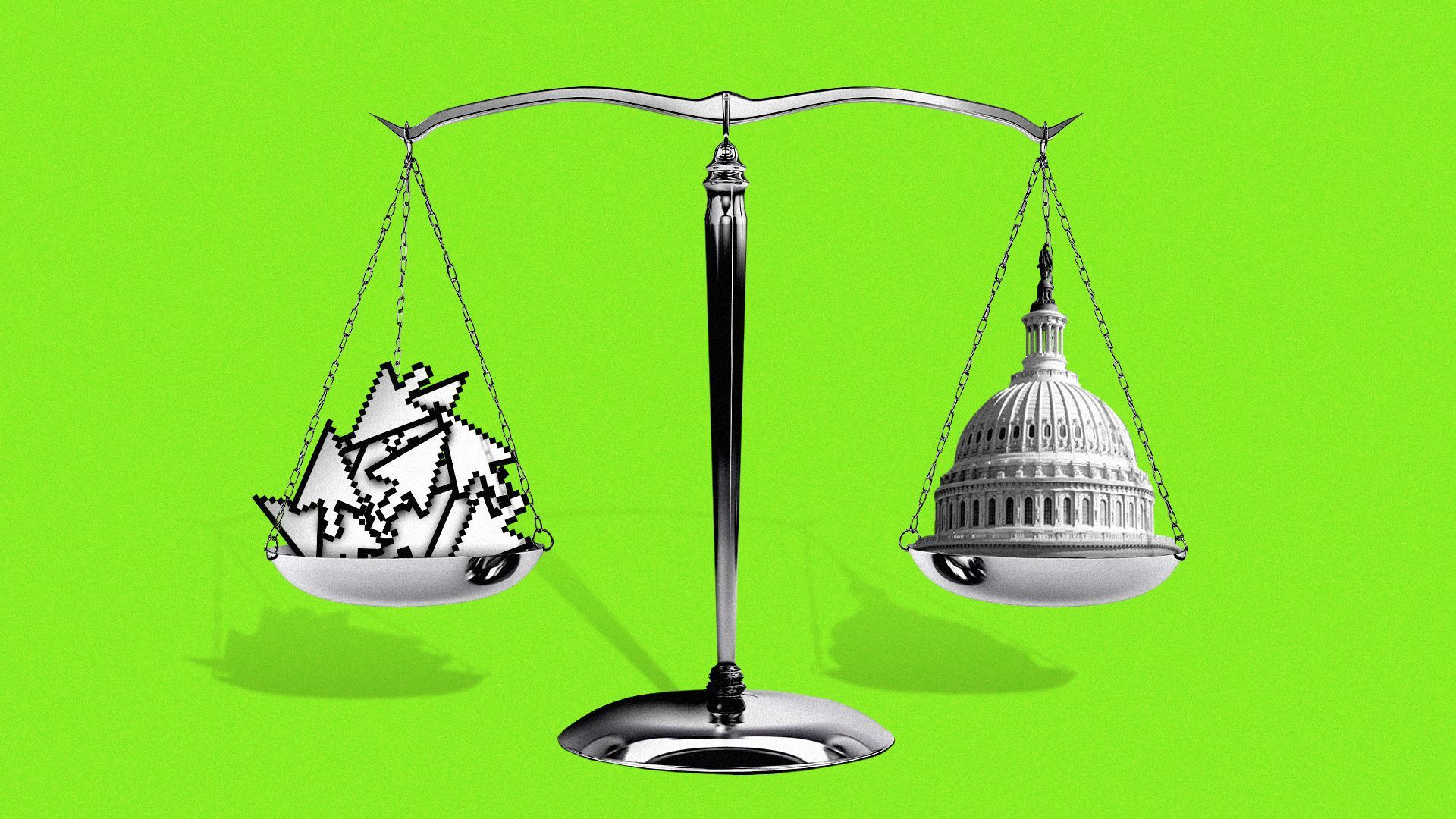
The antitrust noose is continuing to tighten around Big Tech, with some bankers saying that the pressure is impacting deal-making.
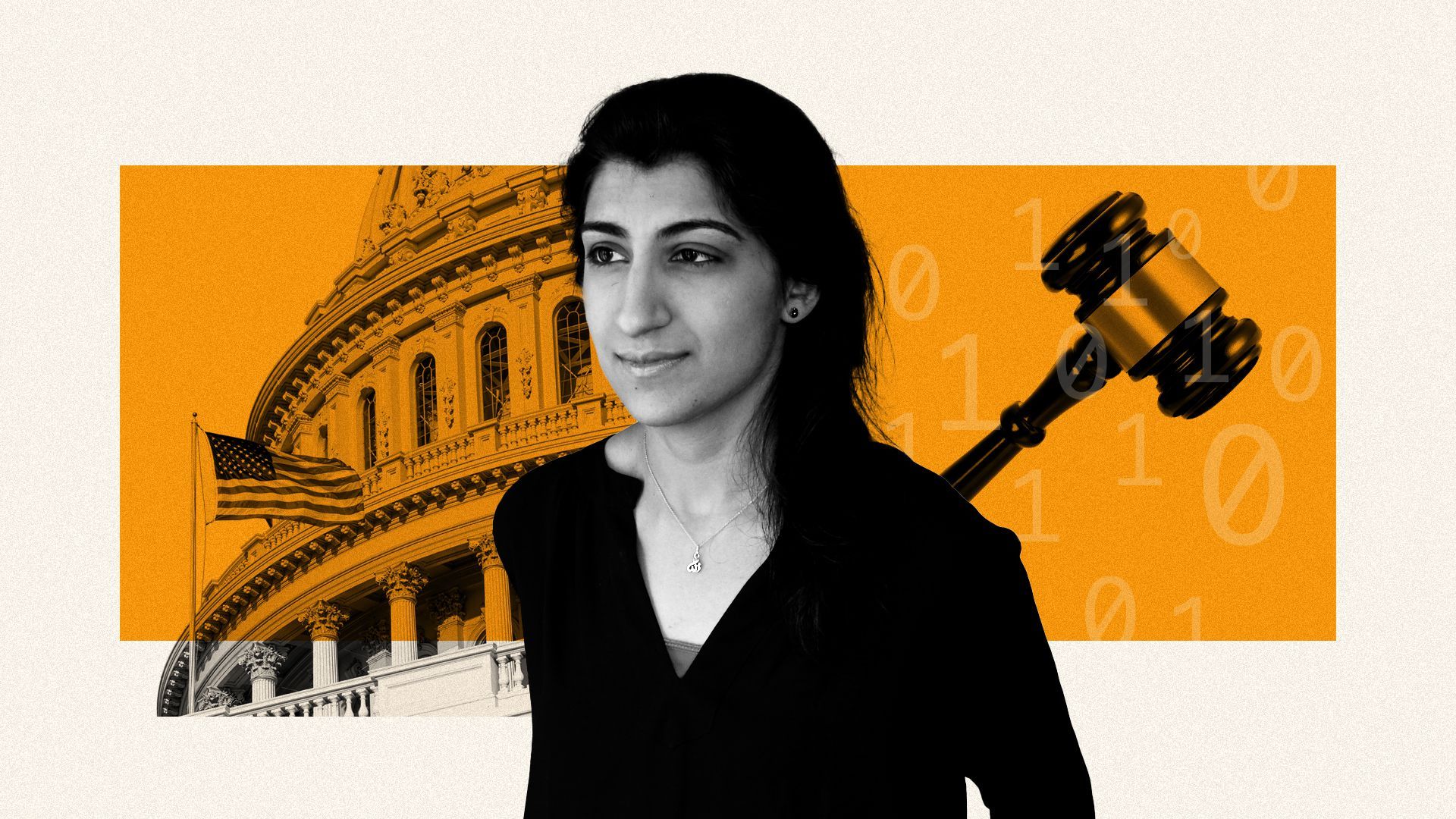
Driving the news: Lina Khan, a law professor who famously argued for breaking up Amazon, tomorrow will get a Senate confirmation hearing to become an FTC commissioner.
The jury is still deliberating in the trial of Derek Chauvin, but Facebook said Monday it has already designated Minneapolis as a temporary "high-risk" location and will take stronger action on inflammatory posts given the potential for real-world violence.
Why it matters: Passions are already running high as Chauvin faces murder charges for last year's death of George Floyd amid an increased law enforcement presence as well as additional incidents of police violence in Minnesota and elsewhere.
A Senate confirmation hearing Wednesday for Lina Khan's appointment to a commissioner's seat on the Federal Trade Commission will mark a watershed moment in federal efforts to rein in big tech companies.
Why it matters: Khan, who has helped define broad new ways to think about how antitrust law should apply to modern technology companies, has had temporary government roles before. But a seat on the FTC, which has the power to investigate and sue companies, would put her at the center of D.C.'s regulatory action.