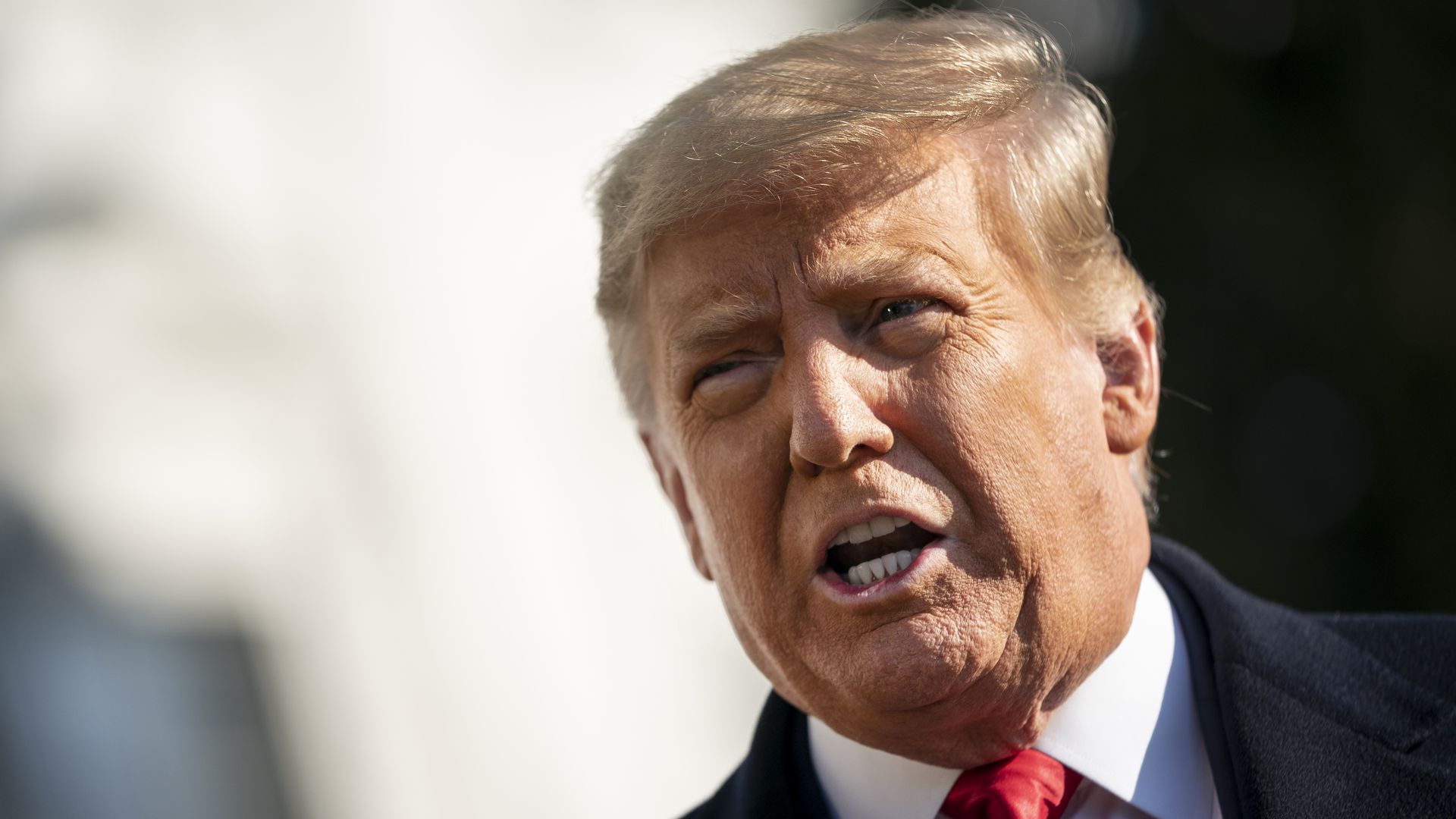
Twitter won't let the National Archives create a federally preserved version of former President Trump's tweets from his banned personal account, Politico first reported Wednesday.
Why it matters: The National Archives and Records Administration (NARA) is working archiving online Twitter posts by Trump while president — including the tweets that led to him being permanently banned from the platform in January following the U.S. Capitol riots.
KKR agreed to invest $500 million in Box (NYSE: BOX), a Silicon Valley cloud content management company that plans to use most of the proceeds for a stock buyback.
Why it matters: This feels like protection money, as Box has been under reported pressure from activist investor Starboard Value, which is Box's largest outside shareholder. Not only does Box now have a new deep-pocketed investor in its corner, but Starboard has a path to exit at a profit.
T-Mobile made a series of moves Wednesday aiming to show both the strength of its 5G network and that it hasn't lost its competitive spirit. Specifically, the carrier announced the launch of its home broadband replacement service as well as offers to lure new and existing customers with free and discounted 5G phones.
Why it matters: T-Mobile has some key advantages in 5G, thanks in large part to the 2.5 GHz spectrum it acquired with its Sprint purchase. That mid-band spectrum offers a mix of high speeds and decent coverage that, at least for now, AT&T and Verizon can't match.
Apple and Epic Games burned the midnight oil Wednesday, as the two companies prepared to lay out their case ahead of a May trial in front of a federal judge in Oakland.
Catch up quick: Last year, Epic added its own in-app payment system into Fortnite, despite prohibitions by both Google and Apple on such moves.
New rules from tech companies are making it harder for users with sketchy reputations in the real world to become famous online.
Driving the news: Twitch, the Amazon-owned livestream platform used primarily by gamers, on Wednesday unveiled a new policy to address "severe misconduct" that happens off its platform, but that may still impact its online community.
The White House wants to lower broadband prices and make the industry more competitive — a sign that President Biden's approach to the telecom sector will be much tougher than his predecessors'.
Why it matters: Tech giants and internet platforms have been in the brightest spotlight of regulatory scrutiny, but the new administration looks ready to cast a much wider net.
A new list of the top 100 private AI companies shows that health is driving investment in the industry.
Why it matters: COVID-19 has shown the power and potential of AI applications for health, and the growth of the field will continue long after the pandemic has finally ended.
New AI tools purport to be able to identify human emotion in images and speech patterns.
Why it matters: Prompted in part by the push of the pandemic, tech companies have been advertising emotion recognition programs, but experts warn they may not work — and may be misused.
A startup is employing machine learning to process aerial imagery and remotely analyze insurance risks to properties around the country.
Why it matters: The combination of AI and aerial imagery from satellites and even stratospheric balloons can help insurers quickly judge property risks without an in-person visit, saving money and time.
MasterClass, which sells subscriptions to online courses taught by experts, is raising new funding led by Fidelity at a $2.5 billion valuation, Axios has learned.
The big picture: Online content boomed during the pandemic as people were stuck at home.
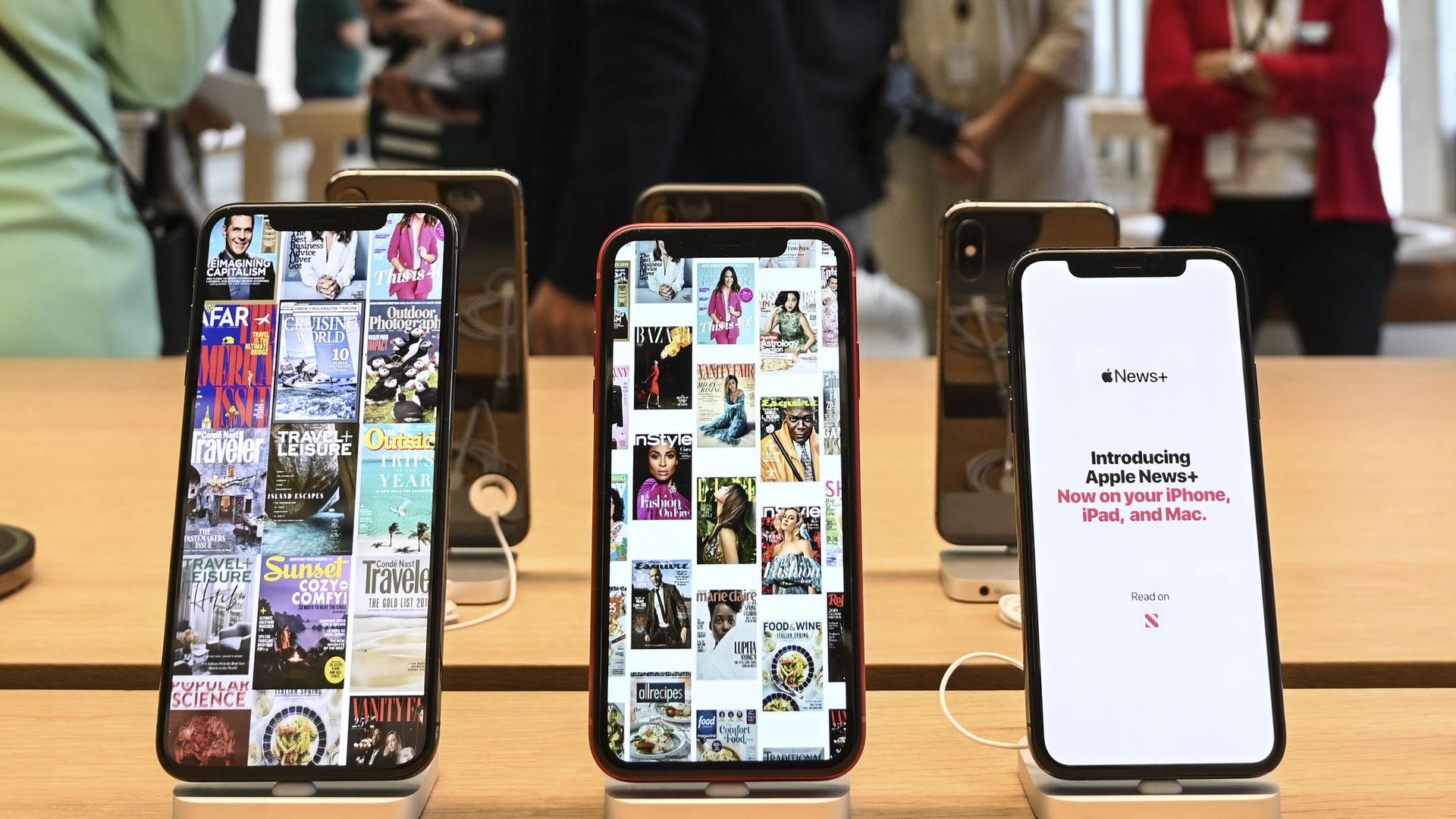
Beginning with iOS 14.5, due out in the next couple of weeks, iPhone apps will have to ask users for permission to track their digital activity.
Why it matters: Only if a user gives permission will apps have access to the unique advertising identifier assigned to each device. Apple will also take action against apps that try to fingerprint individual devices via other methods.
Over the last year, Facebook has quietly built up a small "responsible innovation" team with a huge mission: Look at upcoming products and help prevent them from being misused to cause harm.
Why it matters: Facebook has spent much of the last few years dealing with the shortcomings of its existing products, especially with regard to misinformation, data privacy and abuse.





/2021/04/08/1617888758891.gif?w=3840)