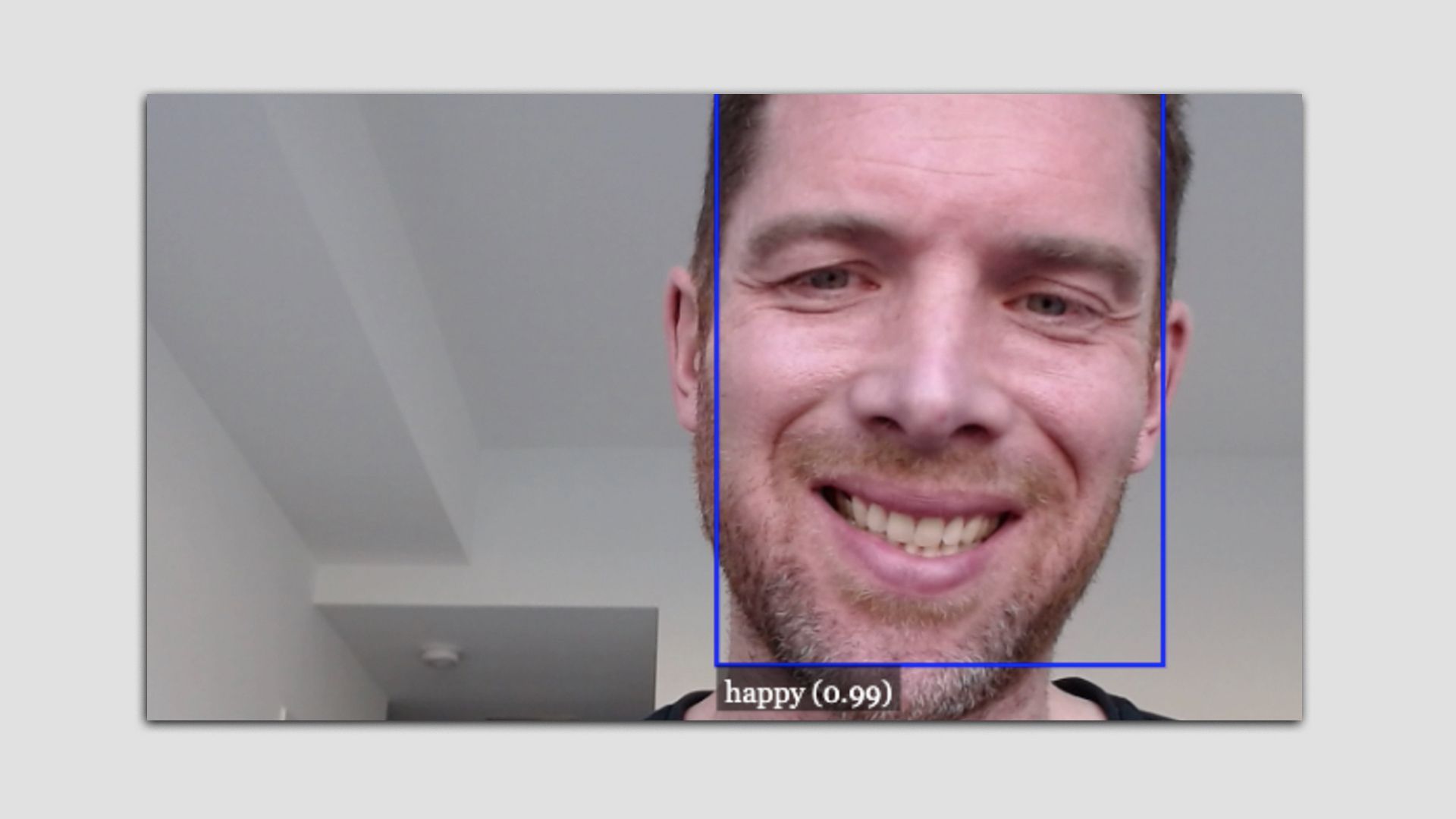
New AI tools purport to be able to identify human emotion in images and speech patterns.
Why it matters: Prompted in part by the push of the pandemic, tech companies have been advertising emotion recognition programs, but experts warn they may not work — and may be misused.
A startup is employing machine learning to process aerial imagery and remotely analyze insurance risks to properties around the country.
Why it matters: The combination of AI and aerial imagery from satellites and even stratospheric balloons can help insurers quickly judge property risks without an in-person visit, saving money and time.
MasterClass, which sells subscriptions to online courses taught by experts, is raising new funding led by Fidelity at a $2.5 billion valuation, Axios has learned.
The big picture: Online content boomed during the pandemic as people were stuck at home.
Beginning with iOS 14.5, due out in the next couple of weeks, iPhone apps will have to ask users for permission to track their digital activity.
Why it matters: Only if a user gives permission will apps have access to the unique advertising identifier assigned to each device. Apple will also take action against apps that try to fingerprint individual devices via other methods.
Over the last year, Facebook has quietly built up a small "responsible innovation" team with a huge mission: Look at upcoming products and help prevent them from being misused to cause harm.
Why it matters: Facebook has spent much of the last few years dealing with the shortcomings of its existing products, especially with regard to misinformation, data privacy and abuse.
Cryptocurrency company Coinbase posted $1.8 billion in revenue for Q1 2021—more than it brought in for all of 2020, ahead of its direct listing next week.
Why it matters: Coinbase's public listing is hotly anticipated and seen by insiders as an event that will bring validation to the industry.
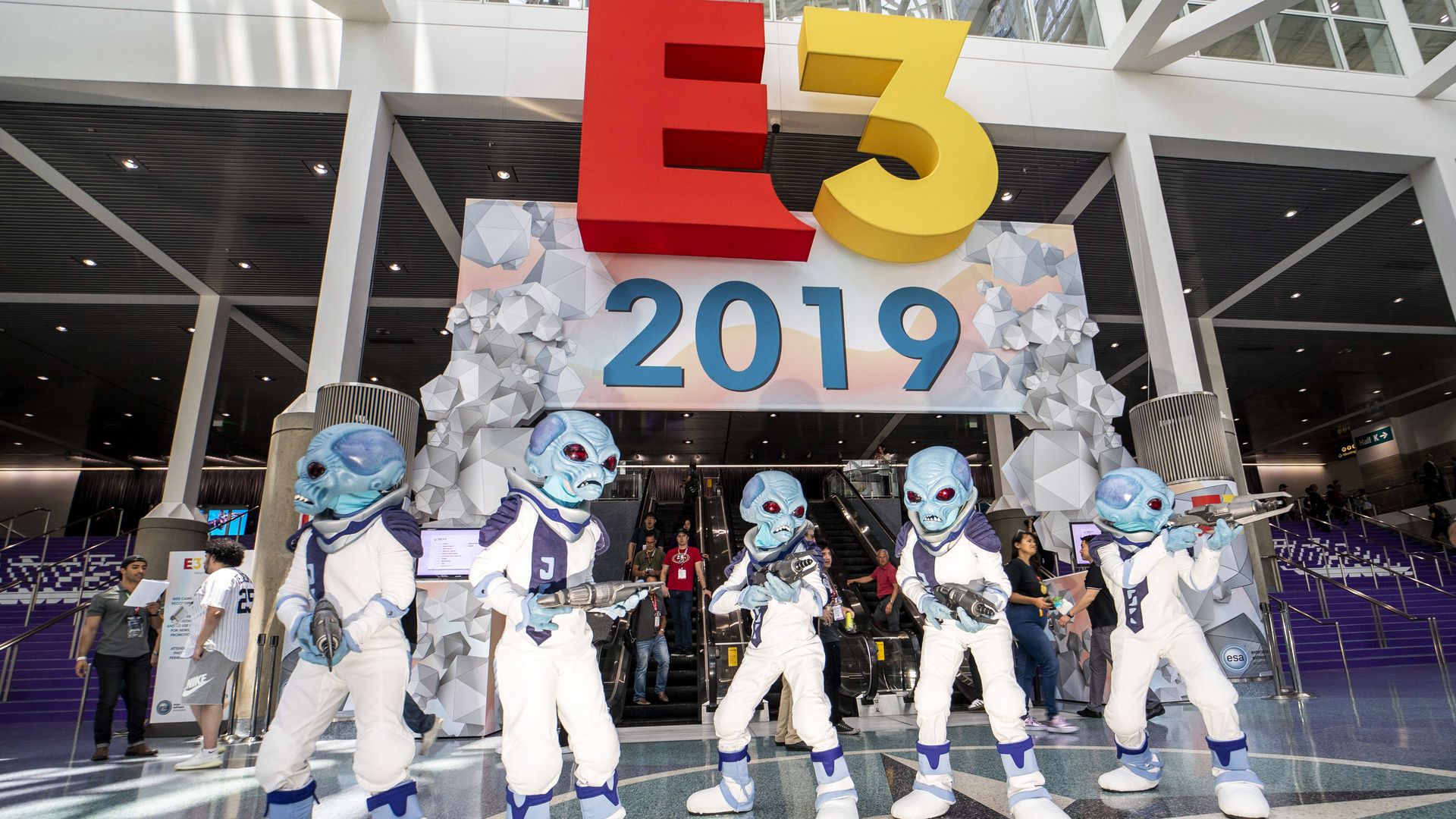
The video game industry’s biggest trade show, E3, will be held June 12–15 as a virtual event full of livestreamed press conferences and demonstrations of new games, the show’s organizers at the Entertainment Software Association announced Tuesday.
Why it matters: E3’s digital return is an attempt to reestablish the long-running show as the game industry’s premier showcase, following the cancellation of the event in 2020 and amid questions about E3's continued relevance.
Sarcos Robotics, a Salt Lake City-based developer of robotic exoskeletons, agreed to go public at a $1.3 billion implied valuation via acquisition by Rotor Acquisition (NYSE: ROT), a SPAC led by Wall Street vet Brian Finn.
Why it matters: Expect this one to get some special scrutiny from the SEC. Finn's venture capital firm, Rotor Capital, last year led a Series C investment in Sarcos and also participated in a CES product unveiling. And Finn seems aware of the potential pitfalls, mentioning the existing relationship early in today's investor presentation.
In a world where smartphones have become increasingly homogeneous, Korea's LG was notable for being willing to take risks, even in its flagship models.
Why it matters: LG's exit from the smartphone business doesn't put a lot of market share up for grabs, but the firm's penchant for trying new things will be missed.
The epic legal fight between Oracle and Google took place in the technical trenches, but it captured Silicon Valley's imagination because it dramatized deep tensions that the software industry has never resolved.
The big picture: A software program is a machine that's written. Because of that, software has always held a precarious position within the legal system.
Monday's Supreme Court's ruling in favor of Google over Oracle left much of the software industry feeling like they'd dodged a bullet.
Why it matters: By resolving an 11-year-old dispute over rights to program code in favor of Google, the Supreme Court is allowing tech companies to largely continue with their practice of building on past software advances in creation of new technology.











/2021/04/06/1617711322674.gif?w=3840)

/2021/04/06/1617679771397.gif?w=3840)