Medium's abrupt change of course announced Tuesday came as a surprise to editorial employees; many of whom now need to decide in upcoming days whether to take a buyout offer or a different job at the company.
Why it matters: This isn't the first time Medium has abruptly cut in-house editorial operations after heavily investing in and hiring journalists and editors, though it's given a different reason each time.
Donald Trump has been in talks with no-name app vendors as he contemplates partnering with an existing platform to create his own social media network, according to sources familiar with the private discussions.
Driving the news: Among the social networking apps the former president and his digital adviser Dan Scavino have homed in on is a relatively unknown platform called FreeSpace, these sources told Axios.
The House on Thursday is scheduled to hold its first Big Tech hearing of 2021, with witnesses to include Facebook CEO Mark Zuckerberg, Google CEO Sundar Pichai and Twitter CEO Jack Dorsey.
Axios Re:Cap goes deeper with Rep. Anna Eshoo (D-Calif.), who represents part of Silicon Valley, about what she hopes to learn and why she's more interested in algorithms than moderators.
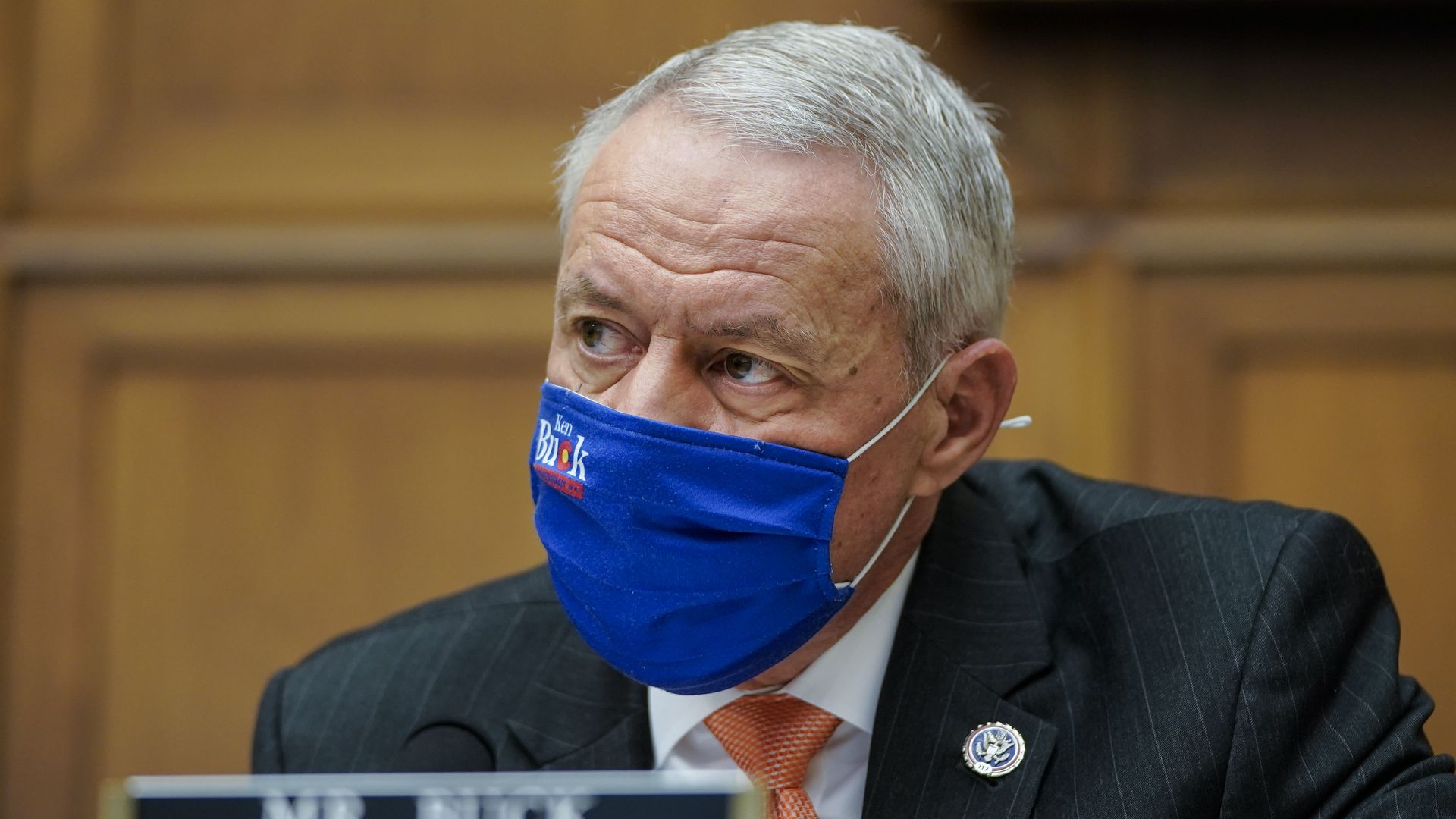
Rep. Ken Buck (R-Colo.), the lead Republican on the House Judiciary antitrust subcommittee, will stop accepting donations from Google, Facebook and Amazon, he said Wednesday.
Why it matters: Buck (R-Co.) is declining Big Tech donations as regulatory scrutiny on tech companies heats up in Washington.
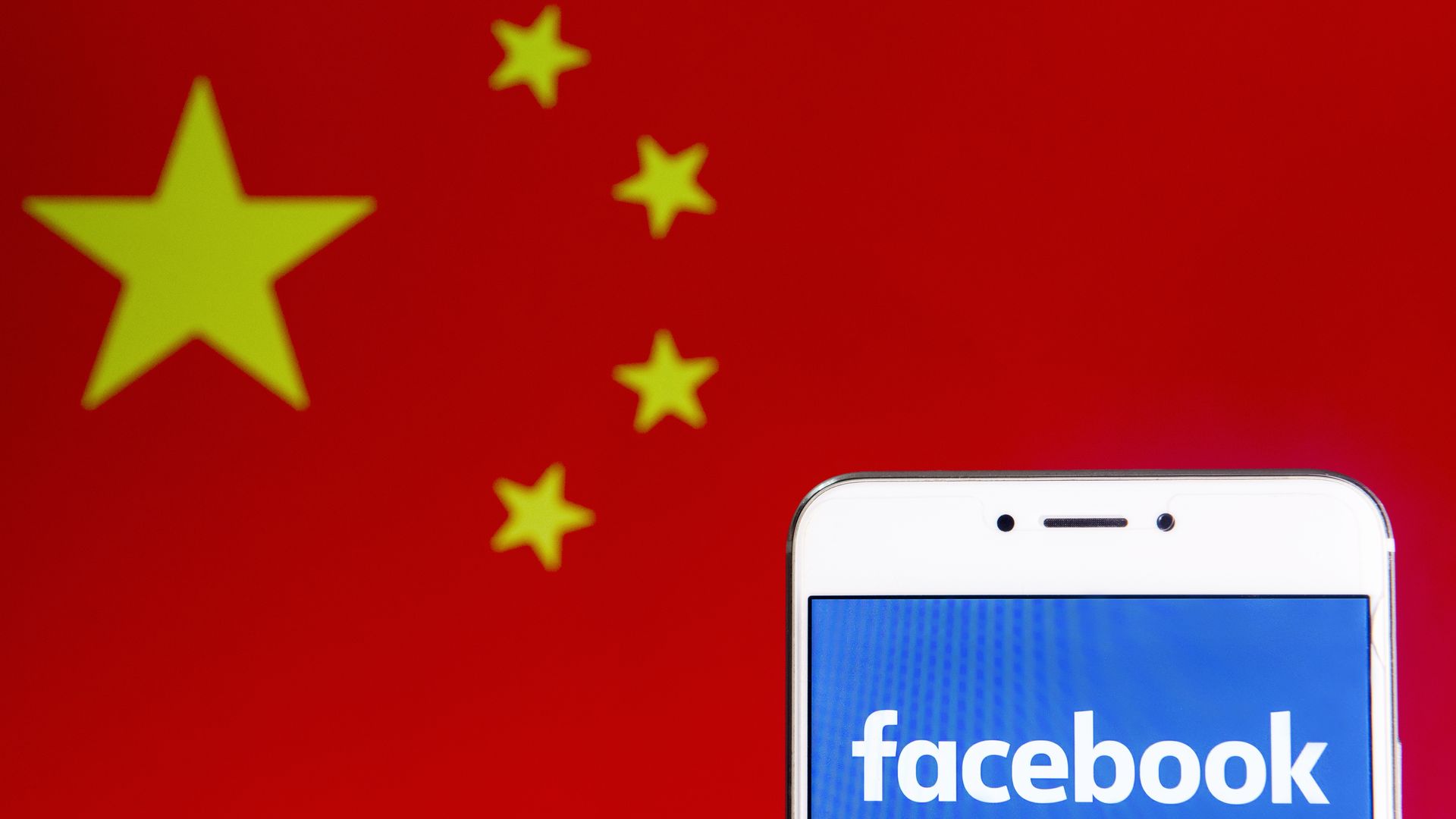
Facebook said Wednesday it has blocked a group of hackers in China who have used the platform to target Uyghur activists, journalists and dissidents living abroad with links to surveillance malware.
Spark Capital's decision to publicly sever ties with retro camera app Dispo has caused other company investors to get cold feet, Axios has learned.
Why it matters: This is the latest shoe to drop after rape allegations against a former collaborator of Dispo co-founder and social media star David Dobrik.
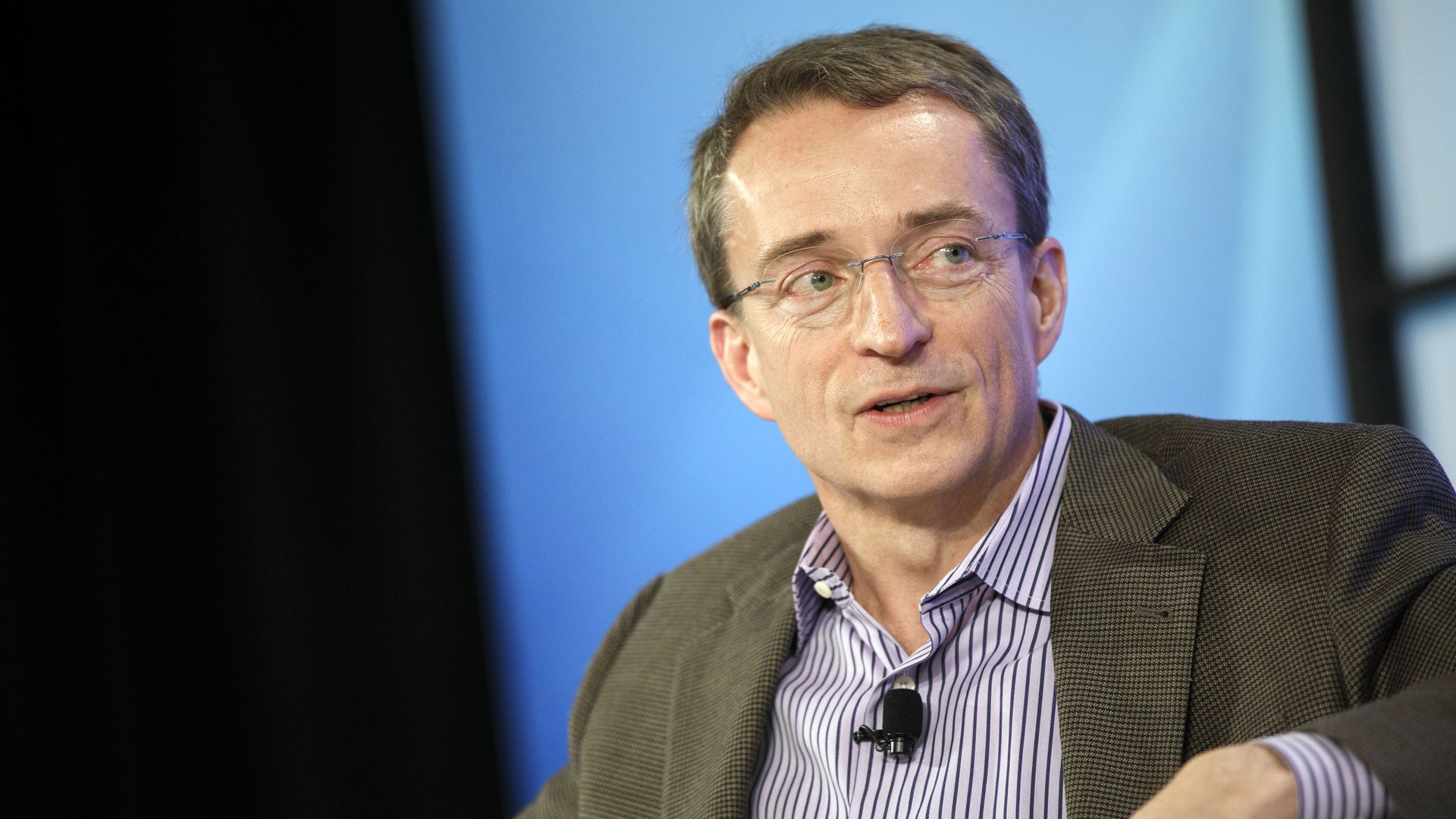
Pat Gelsinger, who recently returned to Intel as CEO, announced Tuesday that the company will invest $20 billion to build two new chip manufacturing plants in Arizona.
Why it matters: The move comes amid a global chip shortage and as Intel is facing production problems that have hampered its ability to move to the latest generation of its semiconductors.
Facebook CEO Mark Zuckerberg will tell lawmakers his plan for "thoughtful reform" of a key tech liability shield rests on requiring best practices for treating illegal content online.
Why it matters: Tech giants are starting to embrace changes to the foundational law that shields platforms from liability from content users post as lawmakers from both parties threaten it.
Some of Silicon Valley’s biggest VCs are backing a buzzy new project—and Crypto Twitter is up in arms about it.
Why it matters: BitClout has divided even the industry's top investors, with some openly backing it in hopes it's the next social-media-on-the-blockchain success, while others are staying far away.
Event software business Bevy raised $40 million in Series C funding led by Accel at a $325 million valuation, and says that 20% of the capital came from Black investors.
Why it matters: The company is the latest to diversify who gets to share in the upside of a startup — typically it's white men, while others have historically been shut out of deals.
Social media giants keep trotting out jaw-dropping stats about fake accounts and rule-violating posts they're removing. But the number that matters most is how much misinformation remains up.
Driving the news: CEOs of Facebook, Google and Twitter will recite more numbers Thursday, when their CEOs testify at a marquee hearing before a Congressional committee investigating online misinformation.
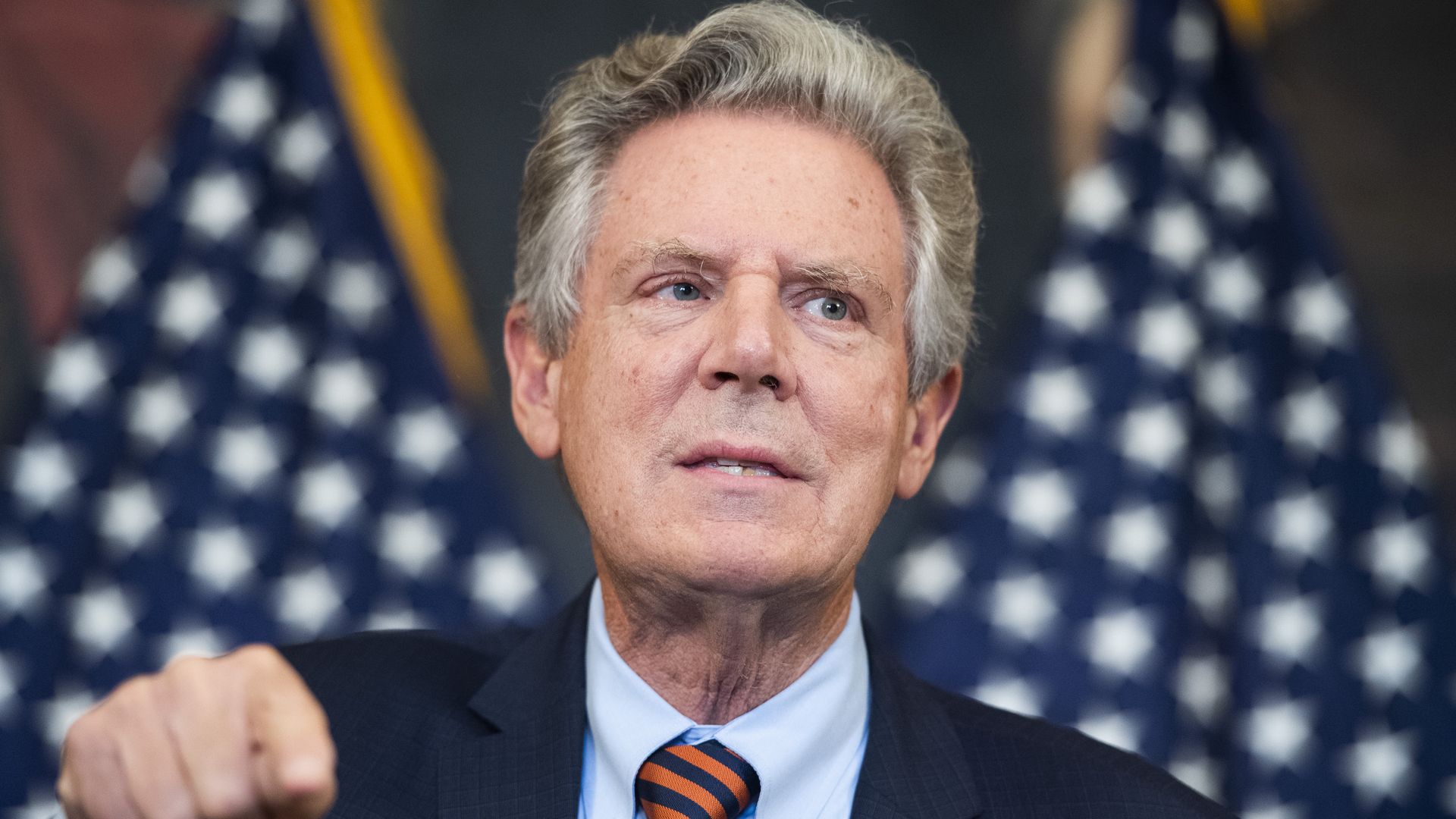
As lawmakers prepare for a hearing Thursday with the CEOs of Twitter, Facebook and Google, the leader of the House Energy & Commerce Committee tells Axios that the question isn't whether to regulate tech companies, but how.
Why it matters: Democrats, empowered in Congress and enraged by misinformation over vaccines and the election, agree it's time to legislate on tech policy, including updating the key law that shields them from liability from user-generated content. The path to passing a bill is a little more clear, and there have been signs that the largest tech platforms are ready to embrace some changes.
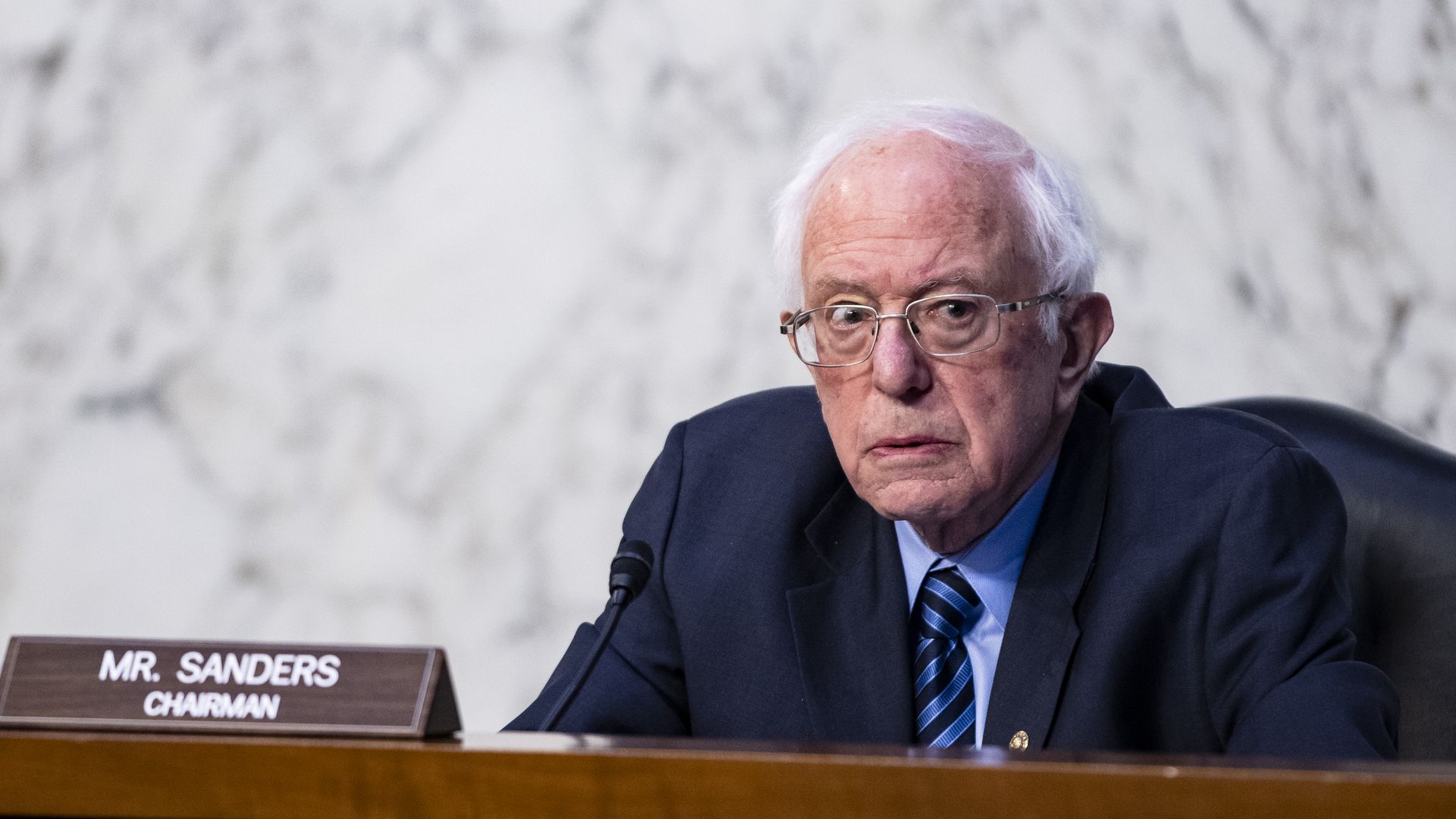
Sen. Bernie Sanders (I-Vt.) told New York Times podcast "The Ezra Klein Show" Tuesday he doesn't feel "particularly comfortable" with Twitter permanently banning former President Trump from the platform.
Driving the news: In the interview, Sanders was asked about criticisms from some conservatives that liberals had become "too censorious." Sanders responded by saying Trump "is a racist, a sexist, a homophobe, a xenophobe, a pathological liar, an authoritarian, somebody who doesn't believe in the rule of law."