Escalating the GOP's push against Big Tech, Trump allies are targeting Biden nominees who worked for — or even advised — Apple, Amazon, Google or Facebook.
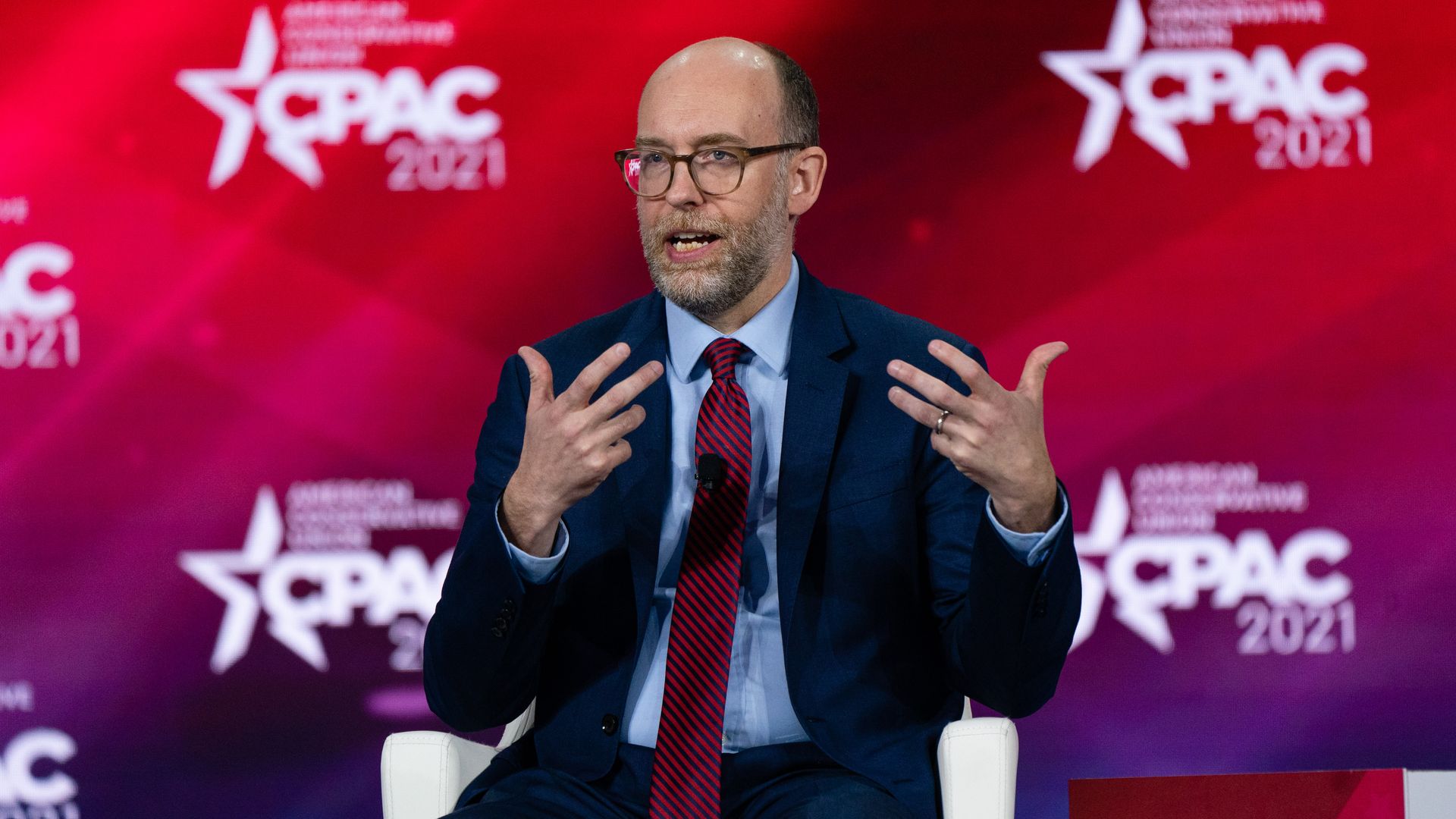
Driving the news: The Center for American Restoration, a think tank formed by Trump-era Office of Management and Budget director Russ Vought, wrote a letter to Senate Minority Leader Mitch McConnell (R-Ky.) and Republican senators Friday urging them to reject nominees with Big Tech ties.
Chris Bell, the owner of Call to Arms Brewing in Denver, had an idea. A bartender would slide a full pint of beer down the bar to him and he would catch it at the other end and chug. Both would look only at the camera — all set to George Michael's "Careless Whisper."
Why, you ask? "For us levity is everything, especially when this last year happened," Bell told Axios.
The ACLU will be seeking information about how the government is using artificial intelligence in national security, Axios has learned.
Why it matters: The development of AI has major implications for security, surveillance, and justice. The ACLU's request may help shed some light on the government's often opaque applications of AI.
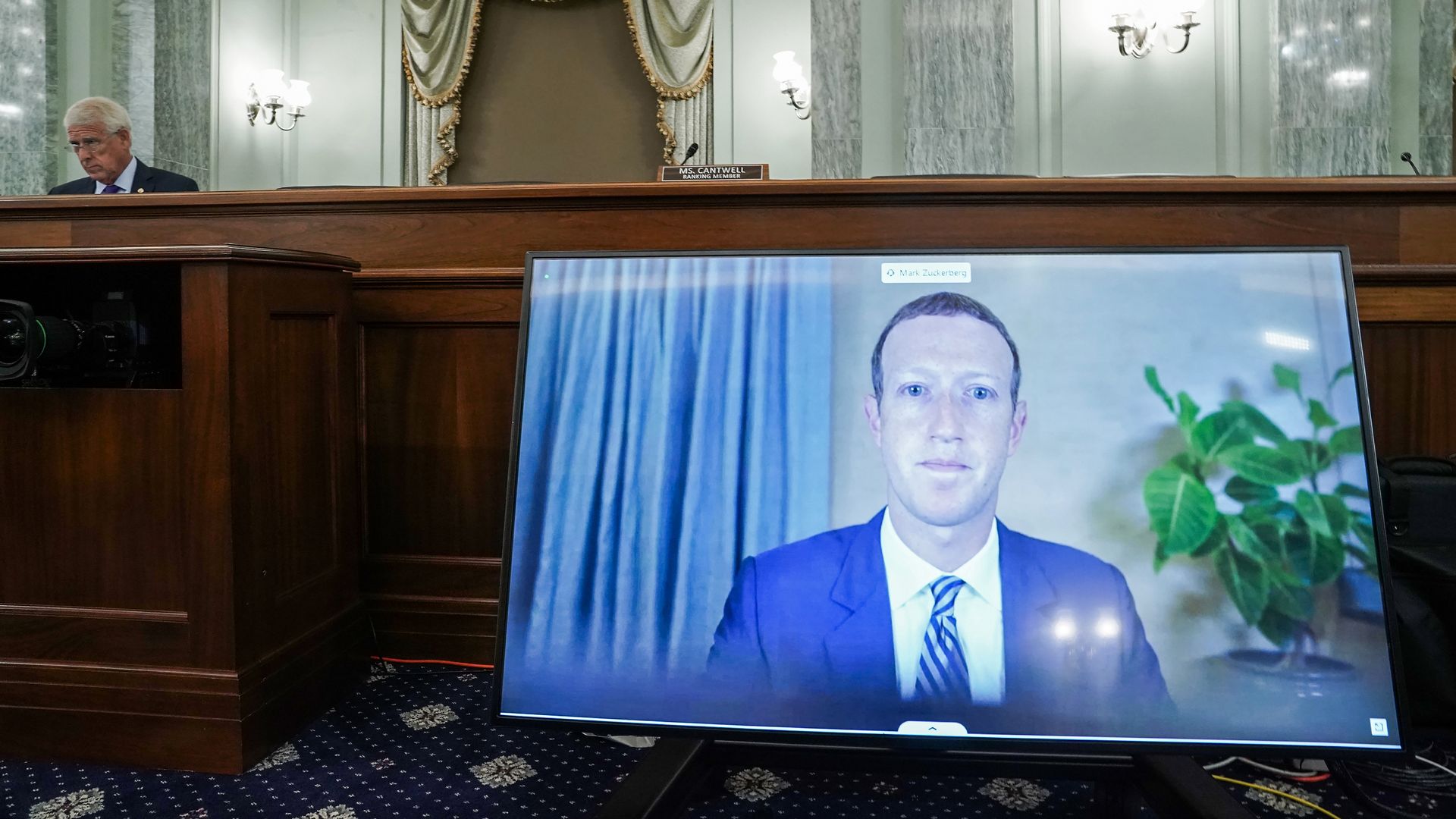
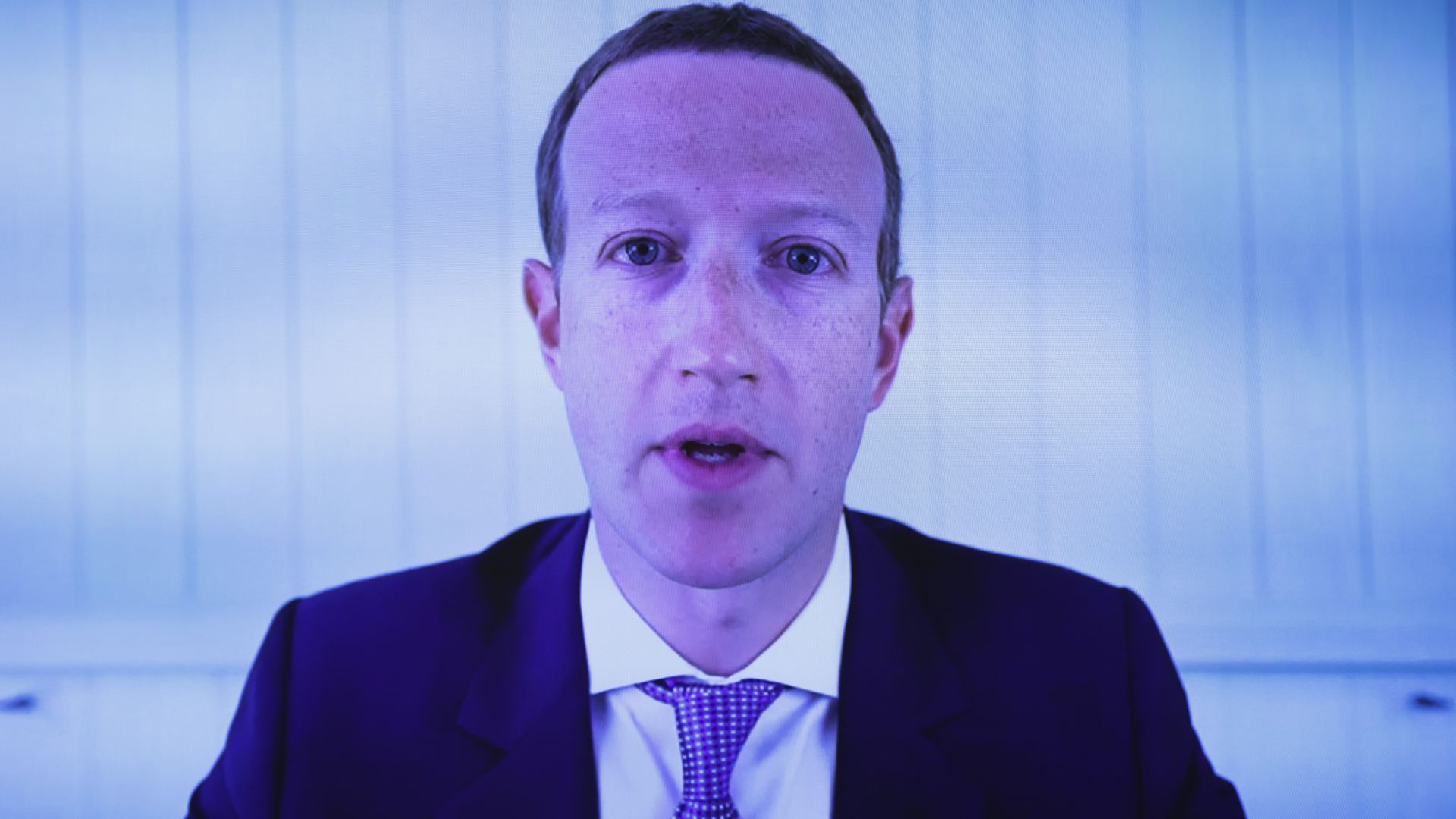
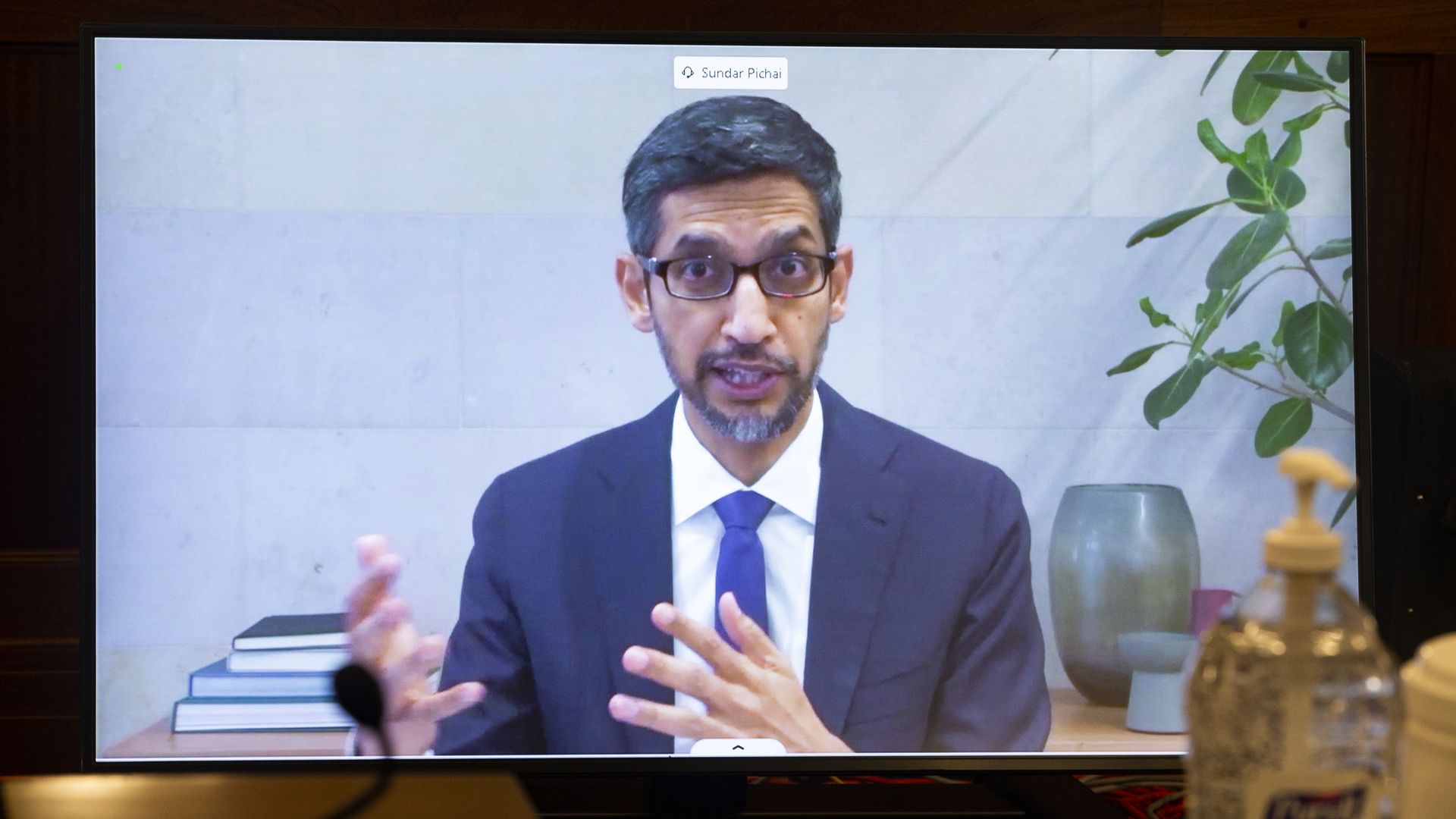
Lawmakers at Thursday's hearing on misinformation were less interested in getting answers from the CEOs of Facebook, Twitter and Google than in warning the social media giants that a legislative hammer is about to land on them.
Driving the news: In a gruelingly long session conducted entirely by videoconference, members of the House Energy & Commerce Committee told the CEOs their businesses prioritize ad revenue and engagement over rooting out misinformation and content that harms users, especially children.
Audio chat app Clubhouse celebrated its one-year anniversary last week despite still requiring an invite to use — and yet, a cottage industry of tools and self-proclaimed experts, has sprung up.
Why it matters: Audio has seen a boom during the pandemic, with people stuck at home amid mass adoption of wireless headphones and smart devices.
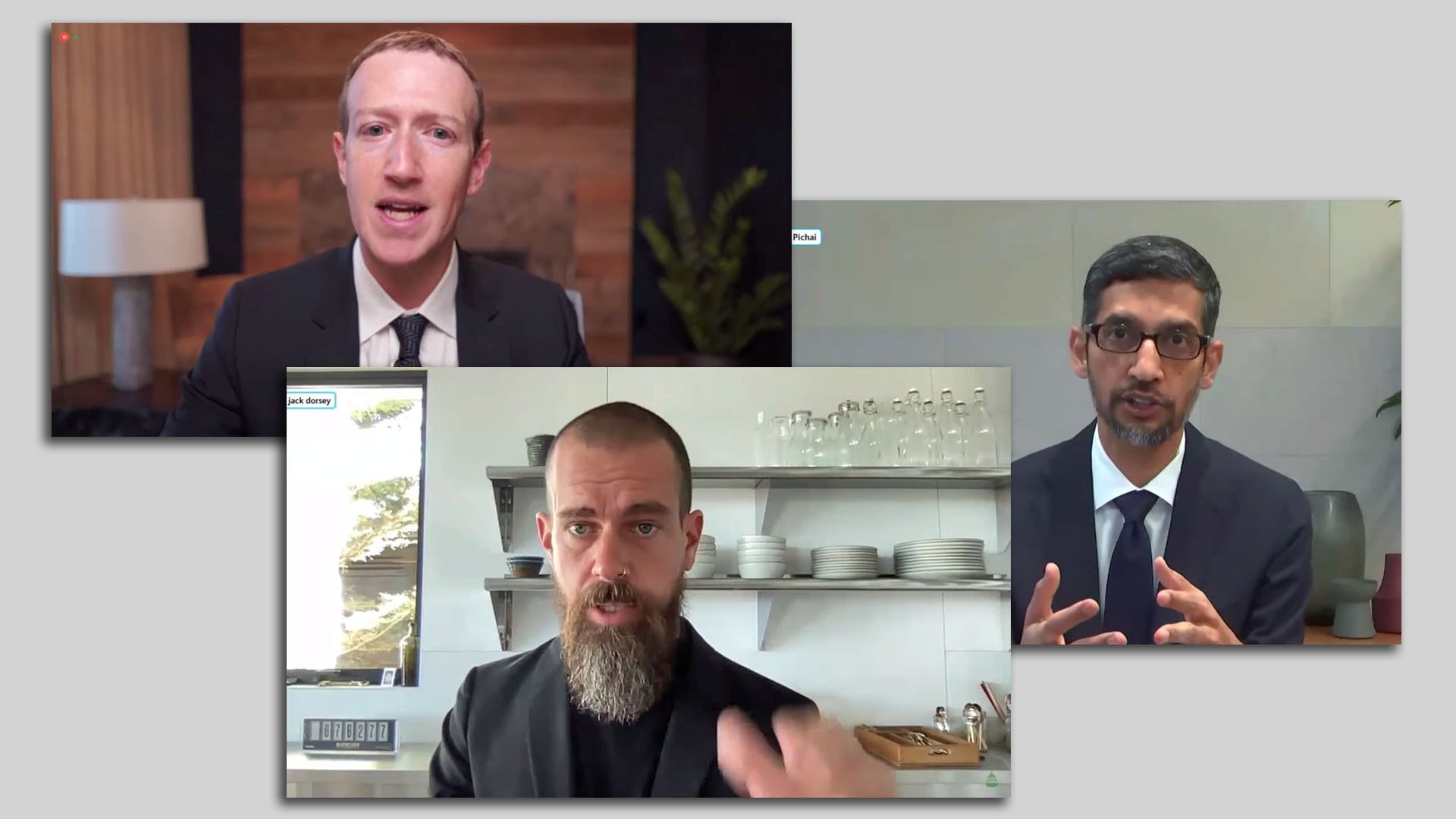
Lawmakers from both parties attacked online platforms for causing offline harm to children, public health and democracy at a House hearing with the CEOs of Facebook, Google and Twitter testifying virtually on Thursday.
The big picture: The hearing is focused on social media's role in spreading misinformation and extremism, with the Jan. 6 insurrection at the U.S. Capitol and false information about the pandemic top of mind for Democratic lawmakers who have pledged to pursue legislation.
On Deck, a San Francisco-based company best known for its tech entrepreneur programs, has raised $20 million in Series A funding, led by Founders Fund at a $250 million post-money valuation, sources told Axios.
Why it matters: Since its start in 2016 as a way for tech employees and startup founders to meet peers, On Deck has expanded to several other similar programs designed around a specific industry or skill, such as writing, venture capital, podcasts and fintech.
Workplace messaging service Slack on Wednesday turned on a feature allowing users to send messages to others who work for different companies or organizations. However, Axios' Kia Kokalitcheva and Ina Fried report, the long-planned move quickly hit a speed bump, as users pointed out ways the system could be easily abused.
The big picture: Slack's long-term goal is to be a better alternative to email. But as it tries to expand its service it risks losing the qualities that made it appealing in the first place.
Outrage over misinformation online has been rising for years, but it was the flood of false information surrounding COVID-19 and vaccinations that finally pushed health officials, tech companies and politicians to take strong action.
Why it matters: Political misinformation can sway elections, but COVID misinformation can kill thousands of people a day.
Flagship conservative think tank the Heritage Foundation turned down a pair of six-figure contributions last year from tech giants Google and Facebook, Axios has learned.
Why it matters: CEOs for both companies will be on the Hill on Thursday, where they're expected to endure verbal lashings from both sides of the aisle. Heritage's rejection of their support, which came just days before the 2020 election, is a microcosm of the conservative fury at major tech firms.
The rise of pedestrian deaths in the U.S. has triggered a mass scramble to improve the design of urban crosswalks — ideally, using technology.
Why it matters: Crosswalks are a growing site of preventable deaths — often with distracted driving to blame — and urban planners are envisioning various types of facelifts that could make a difference.