Pornhub is one of America's most-visited websites, but a recent investigation by the New York Times' Nicholas Kristof found many videos of minors and nonconsensual sexual violence. The blowback was swift, with Visa, Discover and Mastercard cutting some ties to the site, which has now removed the vast majority of its content.
Axios Re:Cap speaks with Kristof about the aftermath of his story and what comes next.
A now-former Zoom executive based in China has been charged by the Justice Department with disrupting video meetings that commemorated the 1989 Tiananmen Square massacre, Zoom confirmed on Friday.
Why it matters: This case could shake the foundations of U.S. tech cooperation with China. Researchers and U.S. government officials have warned of the possibility that the Chinese government might require China-based employees to hand over private company data to Beijing. This indictment indicates that those fears are, in fact, a reality.
SolarWinds is at the heart of what might be the most significant cybersecurity breach in U.S. history, as hackers used an exploit in its system to possibly access everything from the National Nuclear Security Administration to most of the U.S. Fortune 500.
What's new: The IT vendor is (belatedly) pushing back against suggestions that its two largest investors engaged in insider trading ahead of the hack revelations.
The Biden administration should evaluate new technologies like artificial intelligence and facial recognition through "a civil rights lens," argues a new paper shared exclusively with Axios. One of its authors is a volunteer on the Biden-Harris transition team.
The big picture: The paper from The Day One Project, a group of mostly former government staffers, advocates Biden establish a task force within the White House Office of Science Technology Policy to push federal agencies to share information about issues like facial recognition and targeted advertising.
A Trump administration official tells Axios that the cyberattack on the U.S. government and corporate America, apparently by Russia, is looking worse by the day — and secrets may still be being stolen in ways not yet discovered.
The big picture: "We still don't know the bottom of the well," the official said. Stunningly,the breach goes back to at least March, and continued all through the election. The U.S. government didn't sound the alarm until this Sunday. Damage assessment could take months.
Apple this week posted new privacy "nutrition labels" on apps in the iOS App Store, giving users a look at how different apps stack up according to Apple's standards.
The big picture: The labels show that generally, social media apps collect more kinds of data than messaging apps.
Facebook stands to lose the most, but Google is more likely to lose: That's the consensus of experts Axios asked to rank the threats the two tech giants face as five separate major antitrust lawsuits bear down on them.
Why it matters: A loss for Facebook or Google in any of the cases could force deep changes in how Silicon Valley does business — and even lead to a court-ordered breakup.
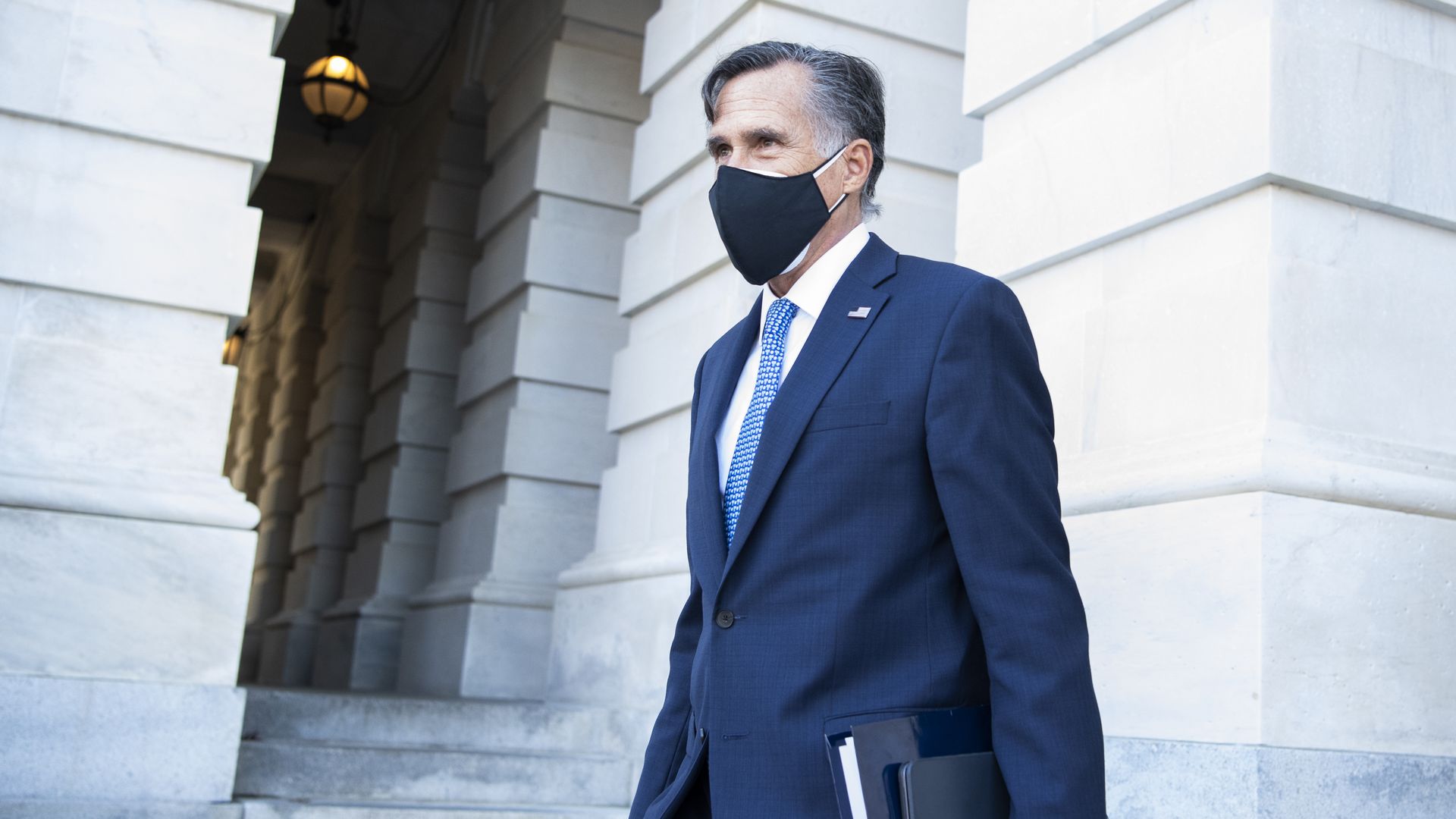
Sen. Mitt Romney (R-Utah) called on the White House to “aggressively” condemn a suspected Russian cyberattack in an interview with SiriusXM on Thursday evening.
Why it matters: Since news broke that hackers tied to Russia penetrated U.S. government networks and companies, public officials including President-elect Biden have come forward with rebukes. President Trump has been largely silent, though the White House has held emergency meetings with officials across agencies to address the breach, per Bloomberg.
Cryptocurrency-focused company Coinbase announced Thursday it has filed confidentially with regulators to go public. It does not specify whether it plans an initial public offering or other listing route.
Why it matters: Coinbase is among the best-known companies in the industry and a long-rumored candidate for a public listing. Bitcoin's price hit a new record on Thursday, surging above $23,000.
Bitcoin yesterday topped $20,000 for the first time ever, and then just kept climbing.
Axios Re:Cap digs into the reasons for Bitcoin's price surge, and what it means for its future as an actual currency, with investor and podcast host Anthony Pompliano.
A bipartisan coalition of attorneys general from 38 states and territories sued Google Thursday, accusing the company of a multi-pronged effort to maintain an illegal monopoly.
Why it matters: It's the third antitrust lawsuit against Google in as many months, setting up the company for legal battles on multiple fronts.
Make School, one of the earlier “coding bootcamps” to use income-sharing agreements, has quietly pivoted to traditional college loans that it covers until graduates find well-paid software development jobs. This is cheaper for students (and itself), the school tells Axios.
Why it matters: In recent years, income-sharing agreements (ISAs) have been hailed by some as the key to fix the college debt crisis because they seemingly hold schools responsible for their graduates’ professional—and financial—success.
When the pandemic turned Zoom into a much more prominent and frequent host of public-facing events and not just private video chats, it also confronted the company with knotty questions about moderating content similar to those faced by much larger companies, the company's policy chief told Axios.
Why it matters: The video conferencing firm doesn't expect the policy issues it's grappling with to evaporate once the pandemic ends and it's still set on long-term global expansion.
Facebook further escalated its long-brewing fight with Apple this week, launching a second round of full-page newspaper ads Thursday charging that new Apple privacy measures will hurt small businesses. At the same time, Facebook is backing developers in a lawsuit against Apple's app store policies.
The big picture: Apple wants to give users the chance to opt out of being tracked by Facebook and other companies that sell ads. Facebook says the move will "change the internet as we know it — for the worse."
Pornhub's removal of as many as 10 million videos Monday — a content-removal earthquake on a scale the web has rarely seen before — sent tremors through a tech industry built on user-generated content.
Driving the news: Following a New York Times expose of underage and nonconsensual content on Pornhub, Mastercard and Visa stopped providing service to the site.
Fiona Cicconi, the AstraZeneca executive who was named Google's new HR chief late on Tuesday, will face a daunting list of major problems when she starts work at the search giant in January.
Why it matters: Competition for talent remains fierce in the tech industry and critical to Google's ambitions.
State attorneys-general have opened two new fronts in the legal war on Google: A Texas-led lawsuit targeted the company's advertising business Wednesday, and another suit Thursday led by Colorado and Nebraska is expected to take aim at Google's search practices.
Why it matters: The antitrust complaints, following an October suit by the Justice Department, set up the internet's dominant search and advertising powerhouse for what's likely to be years of conflict in multiple courts.
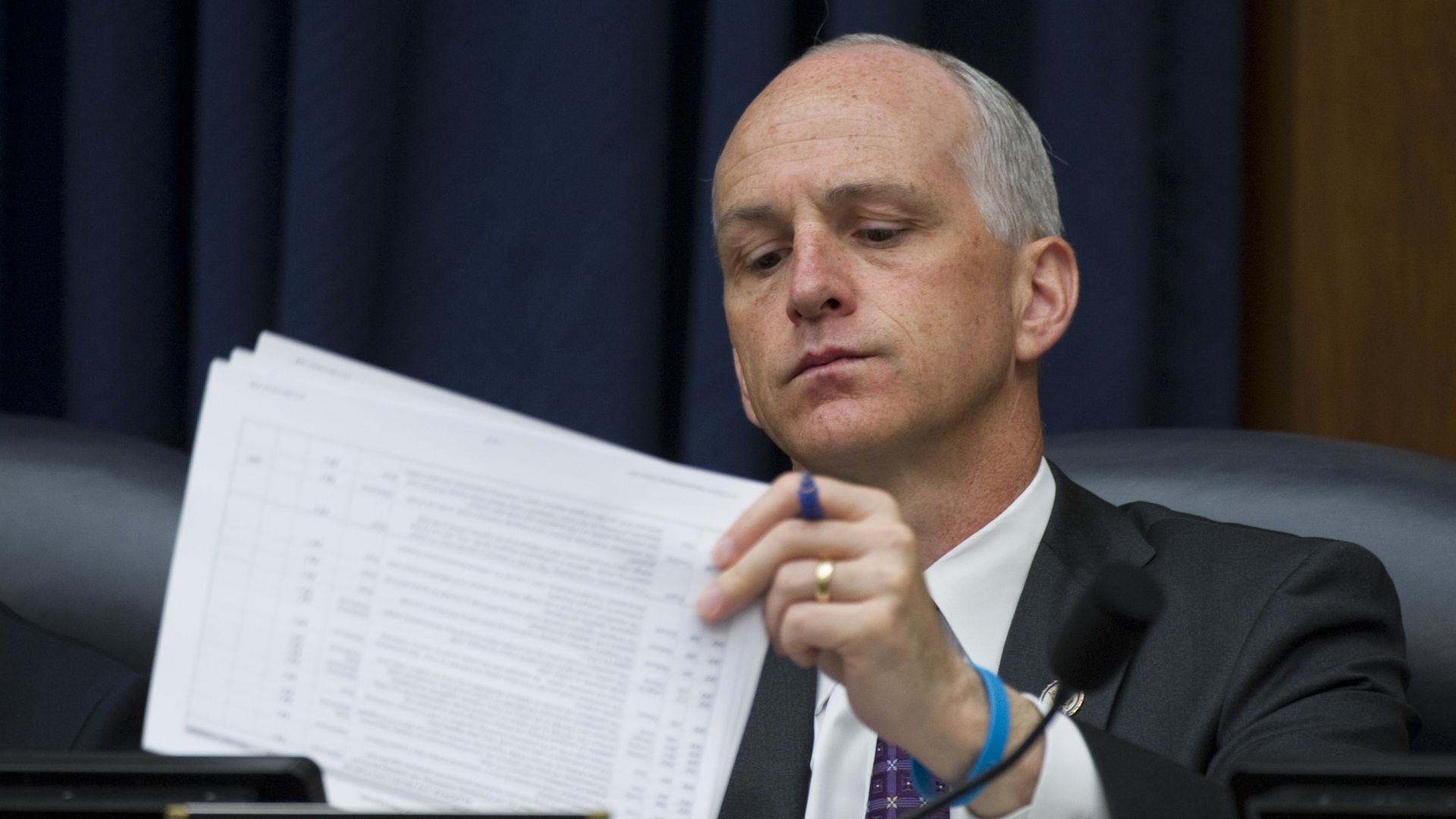
House Armed Services Committee Chairman Adam Smith has outlined a plan for his body to improve its oversight of cybersecurity, although experts say suspected Russian cyberattacks show the focus is late in coming.
Why it matters: The alleged Russian penetration of the Pentagon and Treasury Commerce, State, Homeland Security and other departments shows the sweep of digital warfare and the need for an all-hands, all-of-government response.














/2020/12/17/1608232735835.gif?w=3840)