The U.S. government, and America’s largest companies, are scrambling to understand and protect against the "grave risk" to American security from a massive hack that Secretary of State Mike Pompeo now says was a Kremlin op. President Trump's public response: Mostly silence.
Why it matters: People across the government say we've seen the mere tip of this international intrusion — a stunning, dangerous breach that requires infliction of real pain on the perpetrator, now confirmed as Russia.
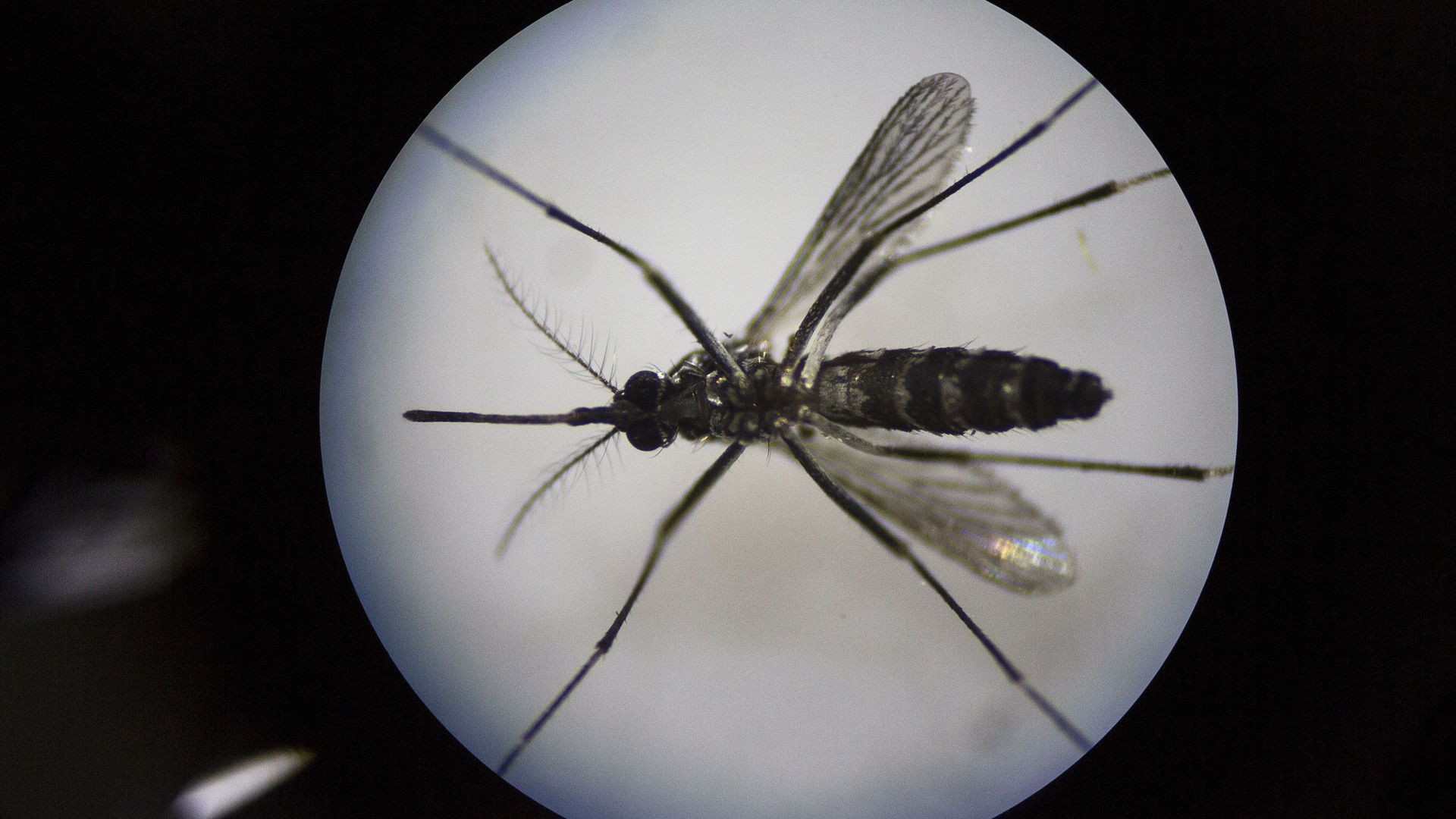
Biotech companies are partnering with the U.S. military to engineer a better mosquito repellent.
Why it matters: More than 1 million people die each year from mosquito-borne diseases, and existing repellents are limited in their effectiveness. Using synthetic biology to design a superior sustainable repellent could help change that.
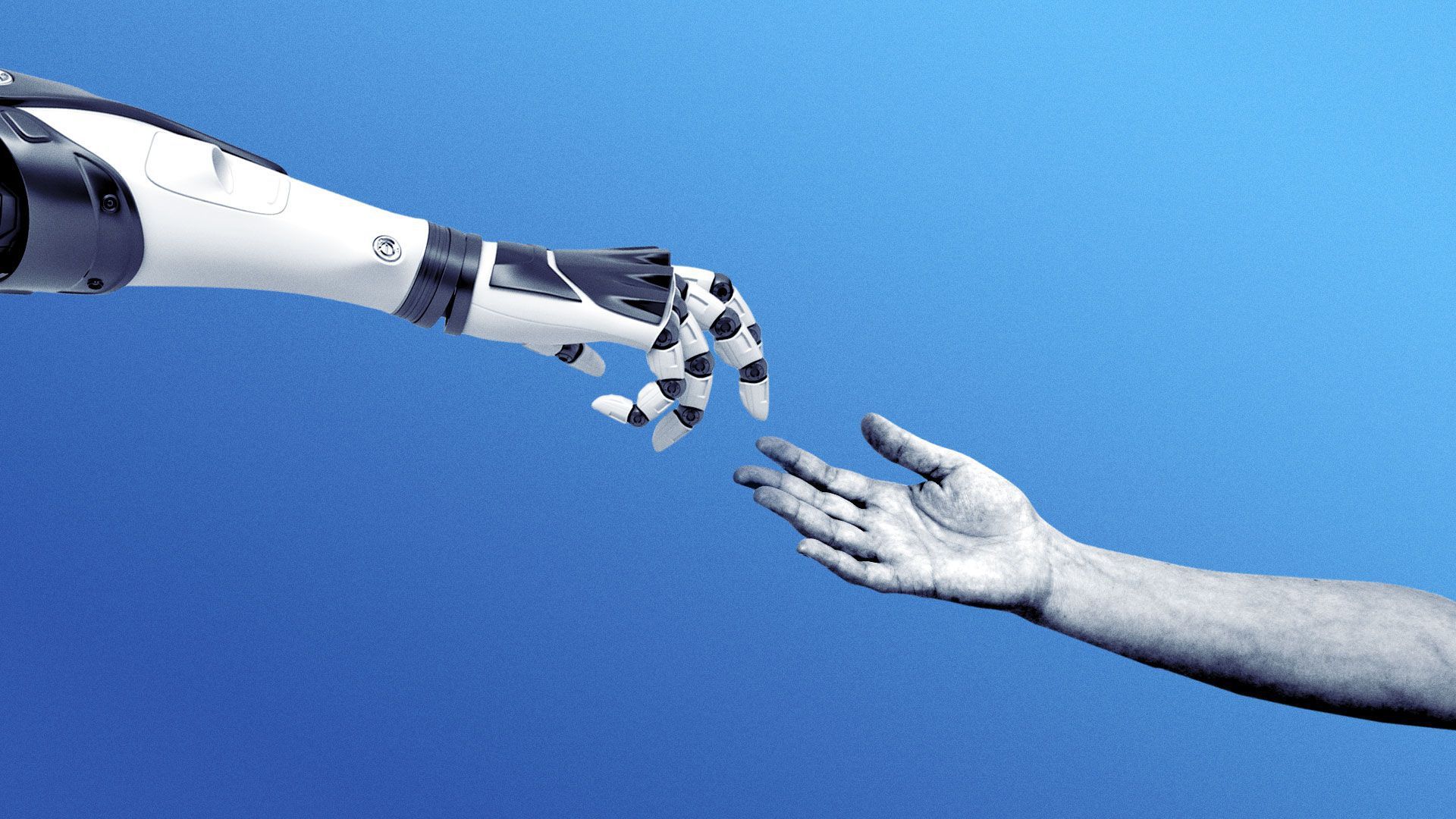
A new report adds more evidence to the case that AI can augment human workers, not merely replace them.
Why it matters: We may still be decades or more away from the development of AI that can do everything humans can do, but as the technology continues to advance, workers will need help to get the most out of their new machine colleagues.
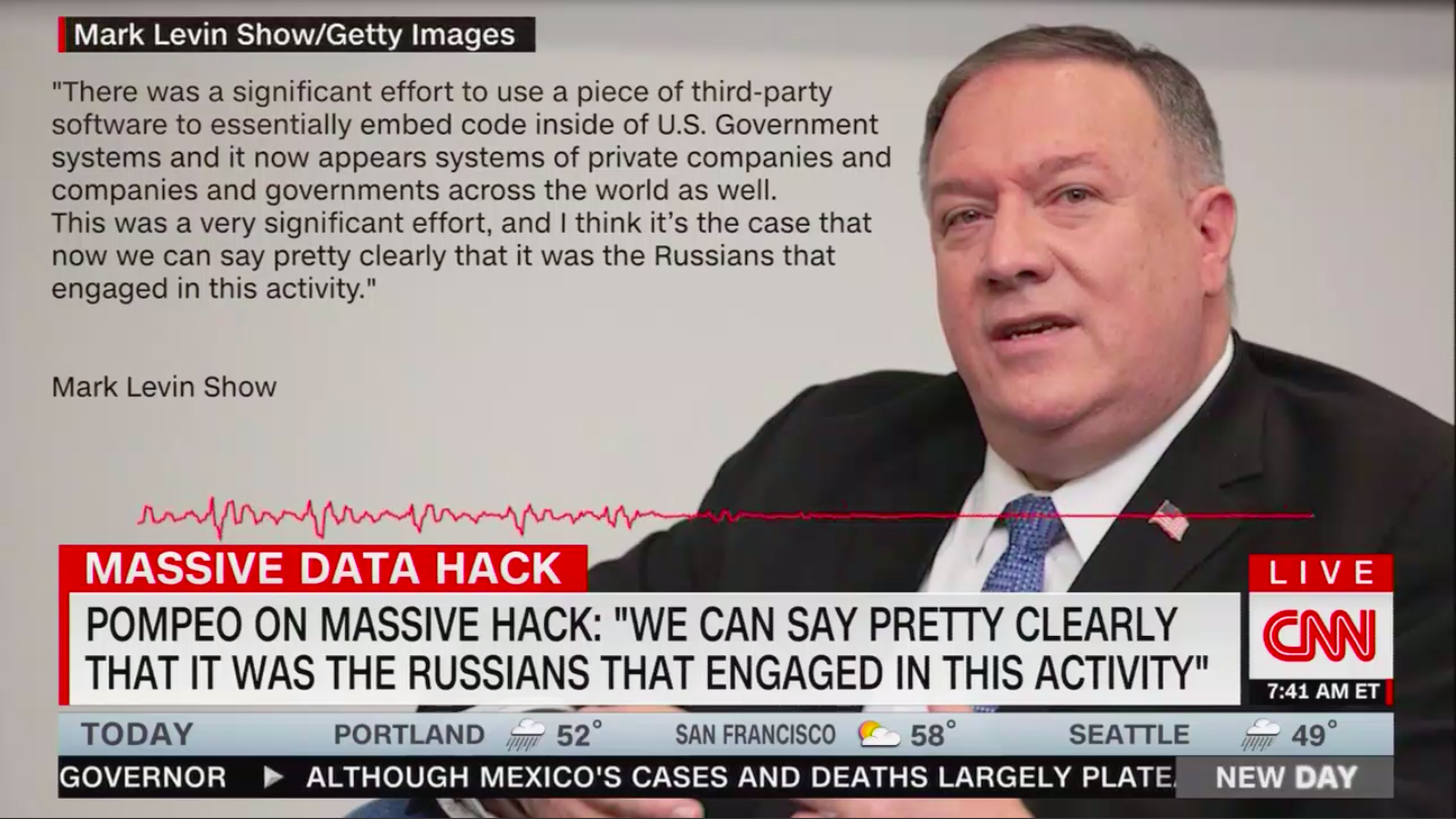
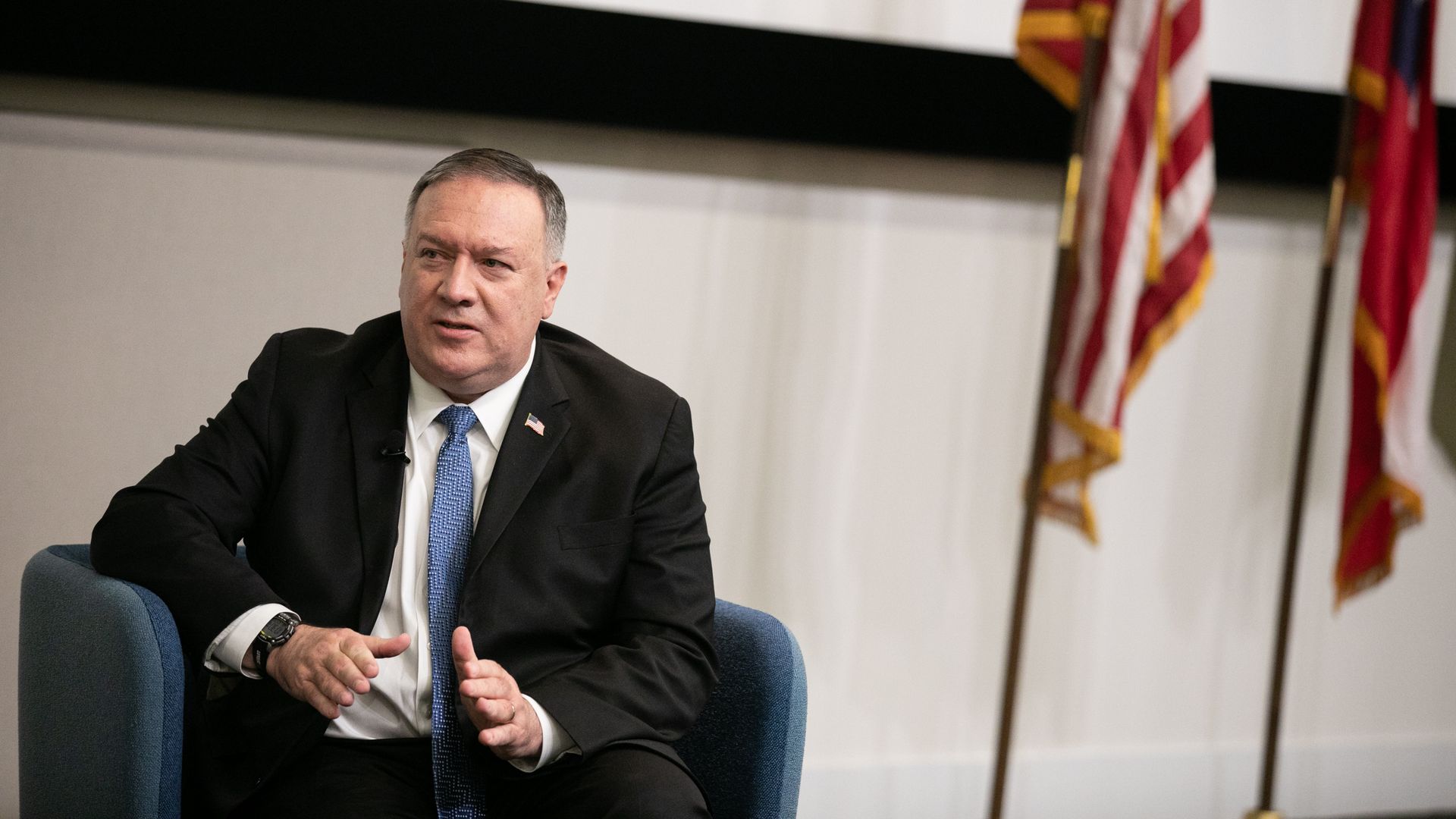
Secretary of State Mike Pompeo said in a Friday evening interview that "we can say pretty clearly that it was the Russians" behind a massive cyber attack that breached dozens of government agencies, think tanks and companies.
Driving the news: Pompeo's comments on "The Mark Levin Show" are the first from a Trump administration official publicly linking Russia to the hack. President Trump has yet to address the issue.
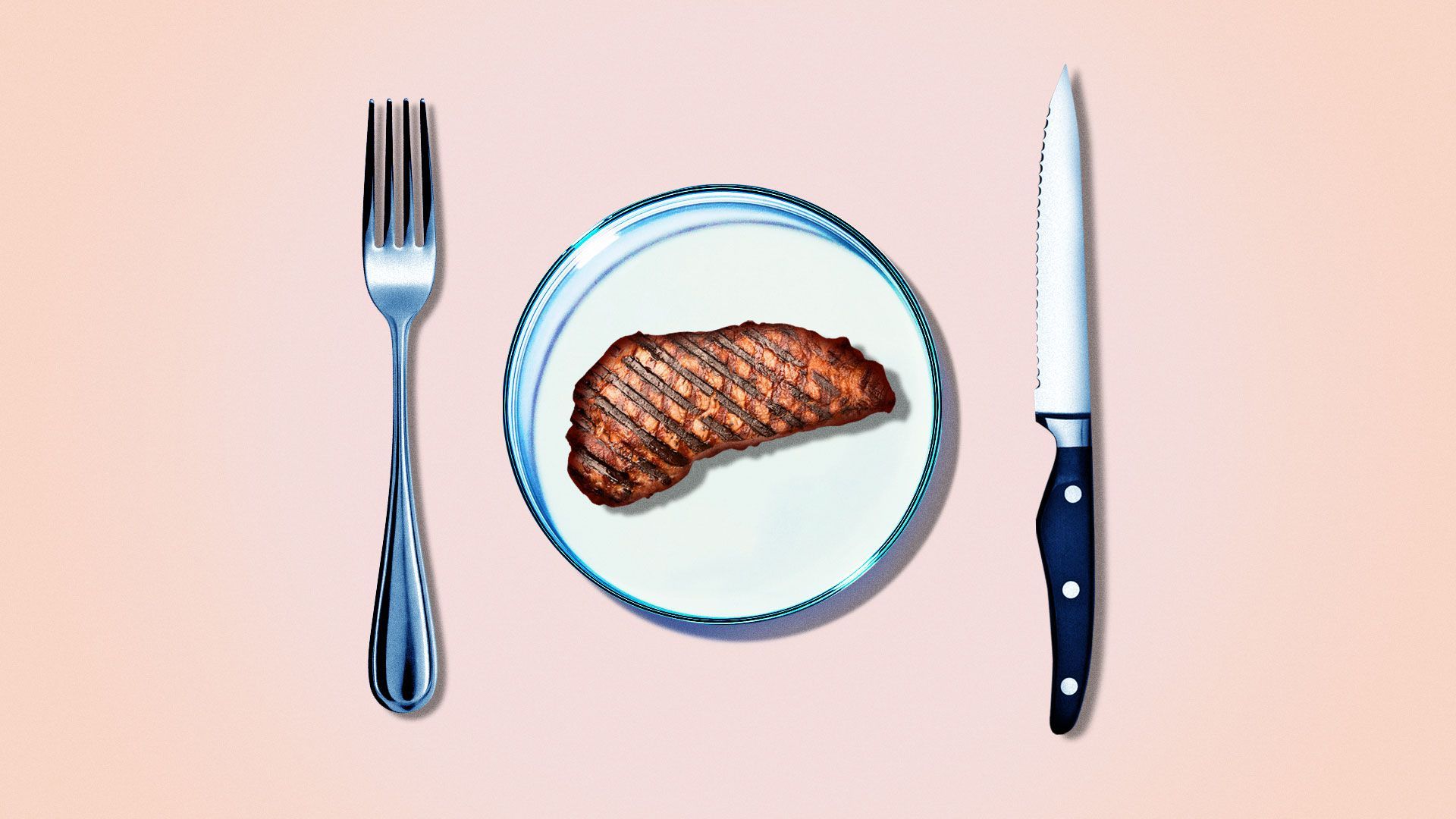
The making of food is getting an overhaul with promising new technologies.
Why it matters: What we eat and how we make it has enormous implications for the health of humanity and the planet we live on. Meat and fish grown from cells could make for a more sustainable food supply, but they still face scientific, regulatory and consumer challenges.
Pornhub is one of America's most-visited websites, but a recent investigation by the New York Times' Nicholas Kristof found many videos of minors and nonconsensual sexual violence. The blowback was swift, with Visa, Discover and Mastercard cutting some ties to the site, which has now removed the vast majority of its content.
Axios Re:Cap speaks with Kristof about the aftermath of his story and what comes next.
A now-former Zoom executive based in China has been charged by the Justice Department with disrupting video meetings that commemorated the 1989 Tiananmen Square massacre, Zoom confirmed on Friday.
Why it matters: This case could shake the foundations of U.S. tech cooperation with China. Researchers and U.S. government officials have warned of the possibility that the Chinese government might require China-based employees to hand over private company data to Beijing. This indictment indicates that those fears are, in fact, a reality.
SolarWinds is at the heart of what might be the most significant cybersecurity breach in U.S. history, as hackers used an exploit in its system to possibly access everything from the National Nuclear Security Administration to most of the U.S. Fortune 500.
What's new: The IT vendor is (belatedly) pushing back against suggestions that its two largest investors engaged in insider trading ahead of the hack revelations.
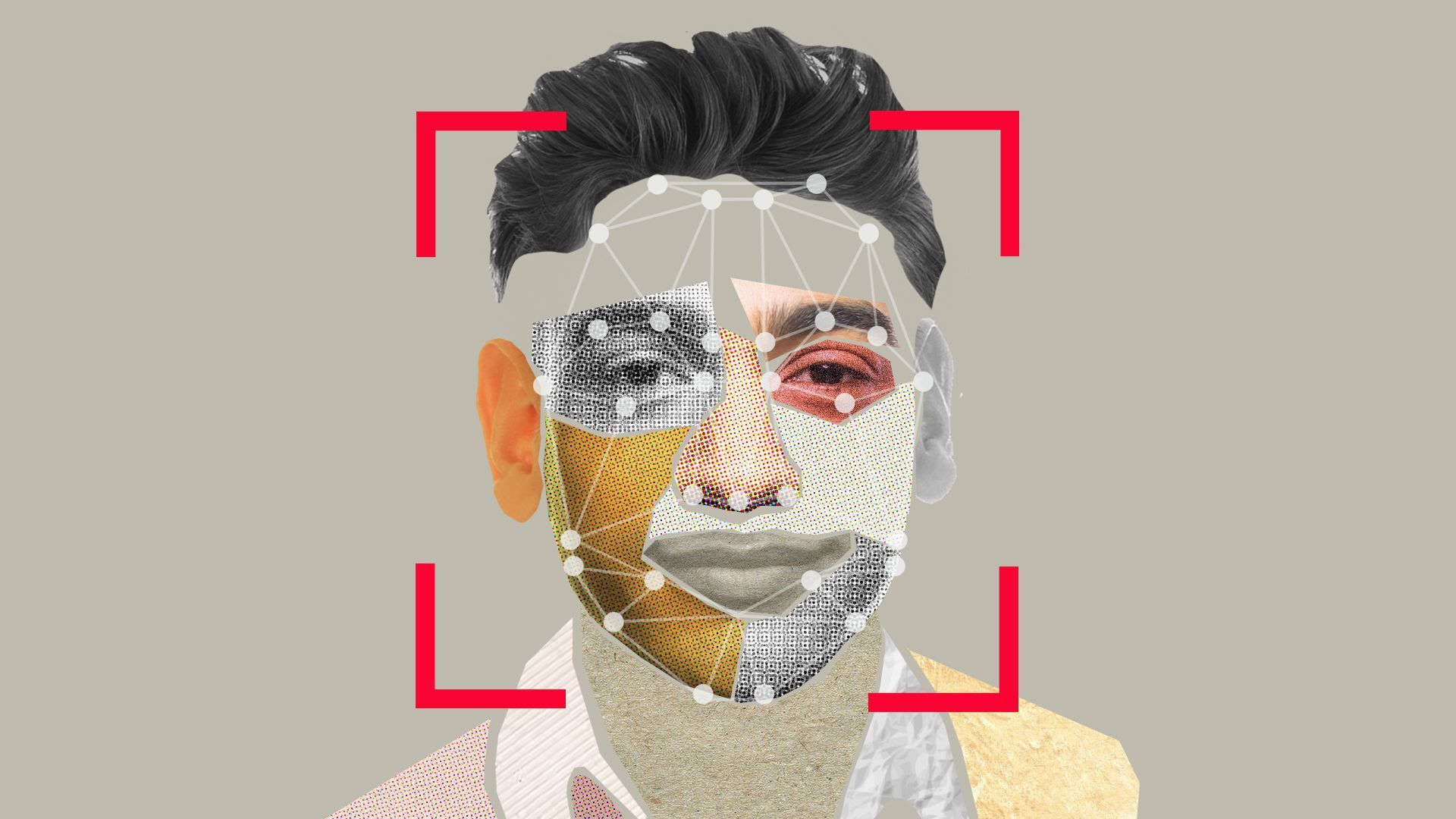
The Biden administration should evaluate new technologies like artificial intelligence and facial recognition through "a civil rights lens," argues a new paper shared exclusively with Axios. One of its authors is a volunteer on the Biden-Harris transition team.
The big picture: The paper from The Day One Project, a group of mostly former government staffers, advocates Biden establish a task force within the White House Office of Science Technology Policy to push federal agencies to share information about issues like facial recognition and targeted advertising.
A Trump administration official tells Axios that the cyberattack on the U.S. government and corporate America, apparently by Russia, is looking worse by the day — and secrets may still be being stolen in ways not yet discovered.
The big picture: "We still don't know the bottom of the well," the official said. Stunningly,the breach goes back to at least March, and continued all through the election. The U.S. government didn't sound the alarm until this Sunday. Damage assessment could take months.
Apple this week posted new privacy "nutrition labels" on apps in the iOS App Store, giving users a look at how different apps stack up according to Apple's standards.
The big picture: The labels show that generally, social media apps collect more kinds of data than messaging apps.
Facebook stands to lose the most, but Google is more likely to lose: That's the consensus of experts Axios asked to rank the threats the two tech giants face as five separate major antitrust lawsuits bear down on them.
Why it matters: A loss for Facebook or Google in any of the cases could force deep changes in how Silicon Valley does business — and even lead to a court-ordered breakup.
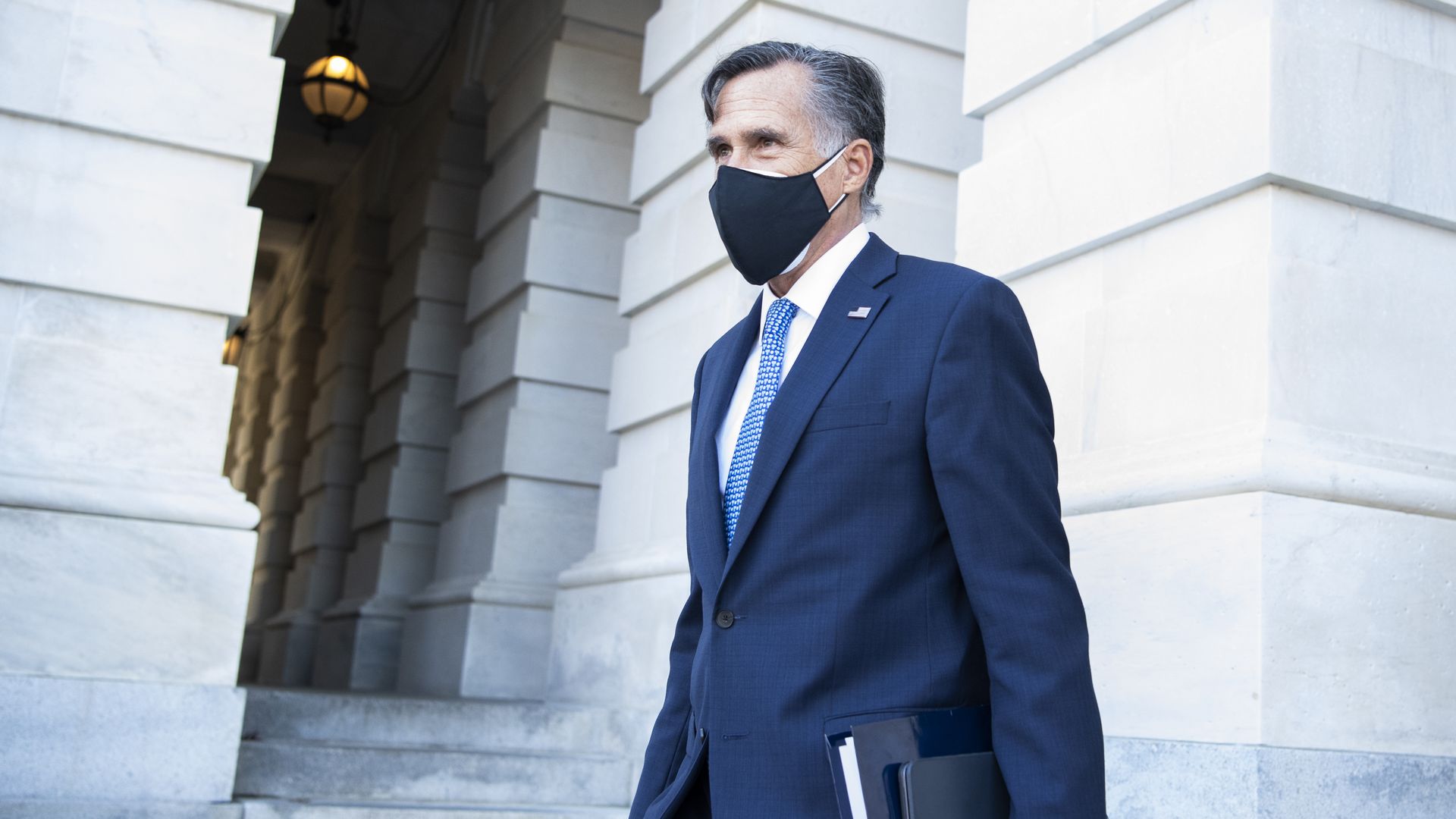
Sen. Mitt Romney (R-Utah) called on the White House to “aggressively” condemn a suspected Russian cyberattack in an interview with SiriusXM on Thursday evening.
Why it matters: Since news broke that hackers tied to Russia penetrated U.S. government networks and companies, public officials including President-elect Biden have come forward with rebukes. President Trump has been largely silent, though the White House has held emergency meetings with officials across agencies to address the breach, per Bloomberg.