A collaboration with Amazon Web Services (AWS) has helped Rhode Island survive an unprecedented torrent of unemployment claims.
Why it matters: While tech companies were well-positioned to pivot to digital-first business in the wake of the coronavirus lockdown, state governments faced paralysis. With the pandemic continuing and lockdowns potentially returning, states will need to innovate to keep their systems running.
The Trinity nuclear test 75 years ago represented our first reckoning with a technology that could potentially destroy us.
Why it matters: Nuclear weapons are still with us, even as we grapple with potentially dangerous and unpredictable new technologies like gene editing and artificial intelligence. How we handle the challenges they present will help decide what kind of future we have — and whether we have a future at all.
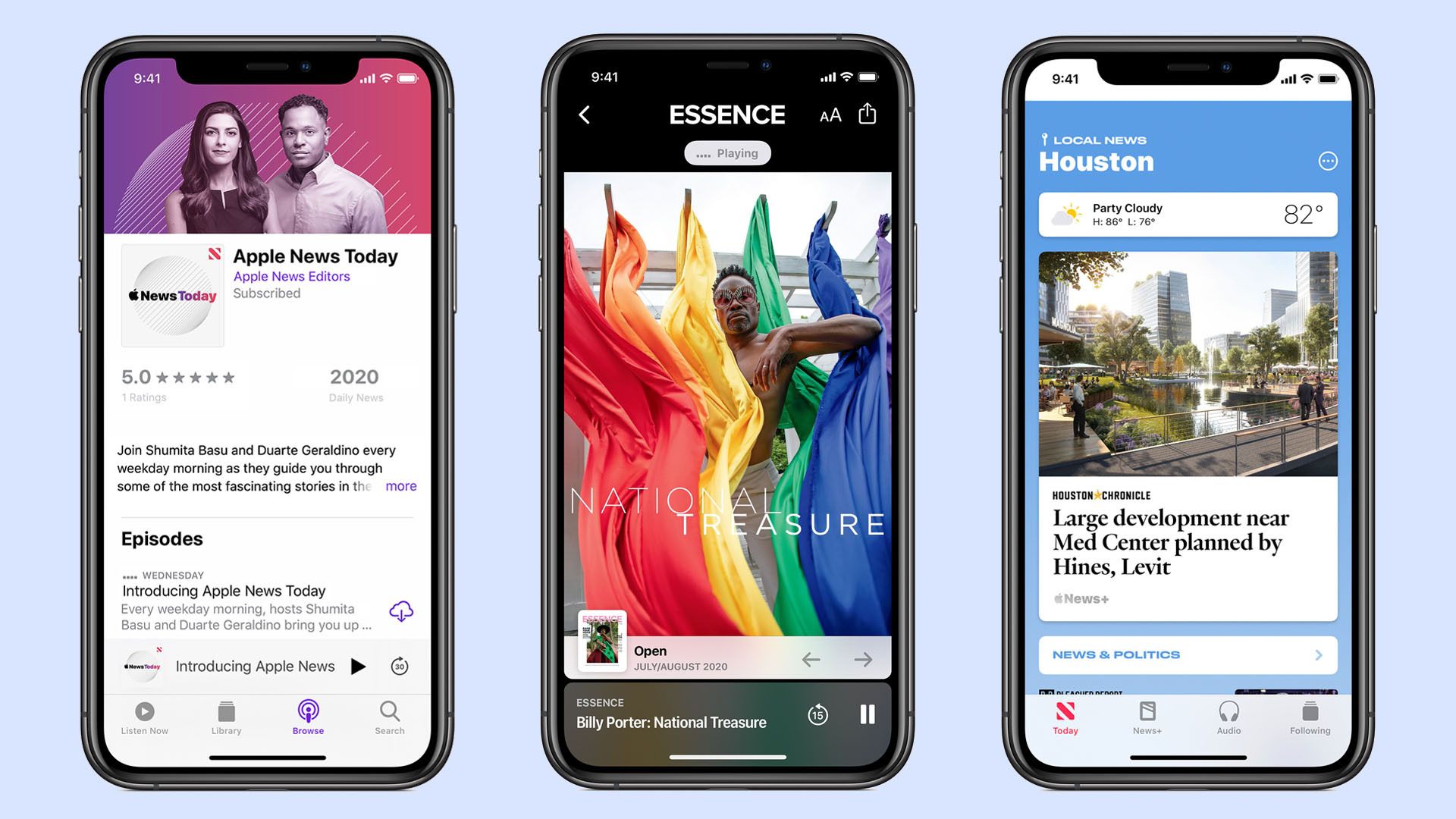
Apple is adding new audio features to both its free Apple News and subscription Apple News+ services, including a short daily podcast, produced and narrated by its own editorial staff.
Why it matters: Apple is doubling down on its commitment to human and editorial curation of news content, something its rival tech partners have mostly been slower to do.
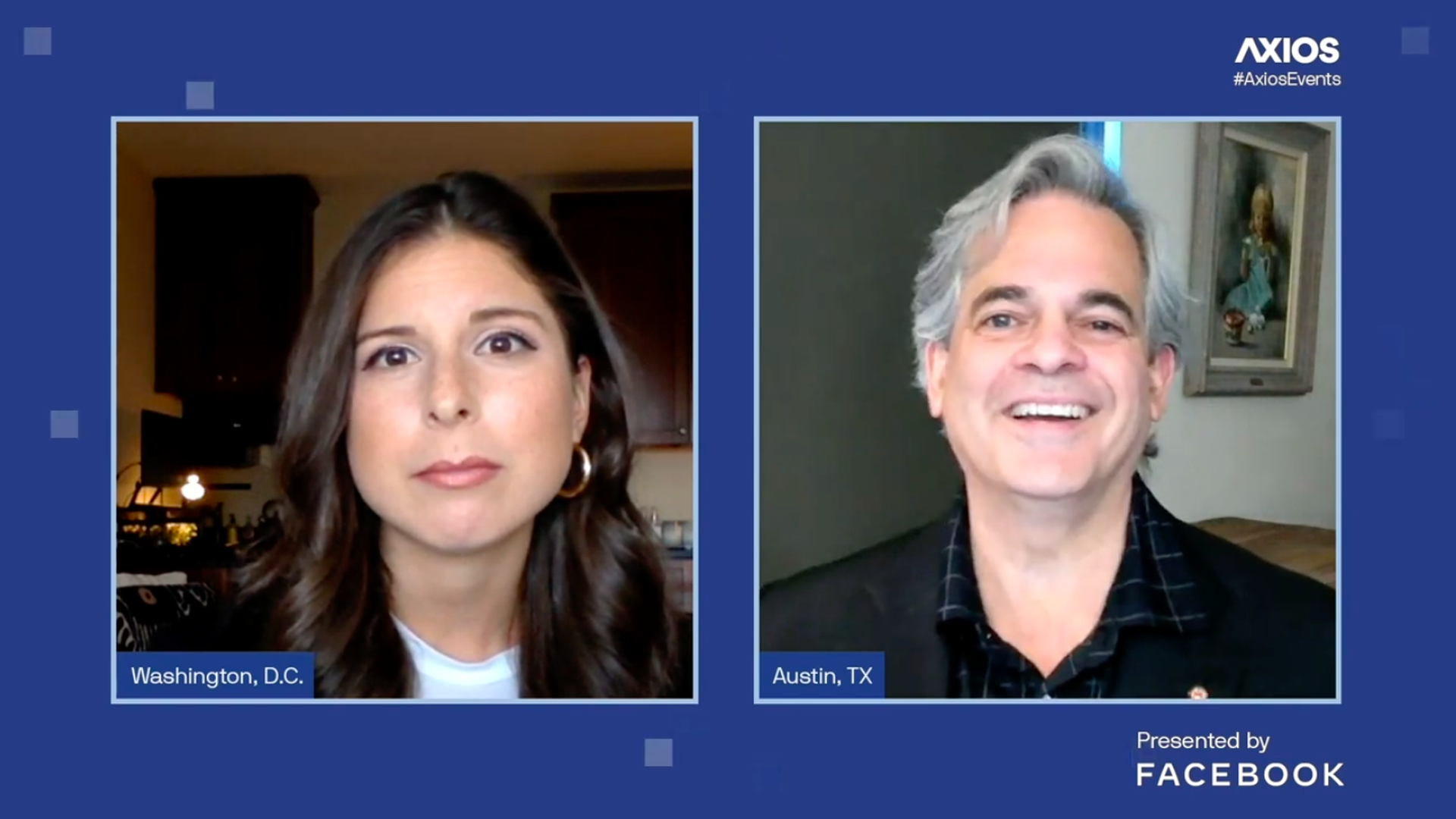
Canceling the South by Southwest festival was "horrible," but necessary, as the coronavirus began to spread through the United States, Austin, Texas, Mayor Steve Adler said at an Axios event on Wednesday.
The big picture: The popular film, music and technology event attracts more than 400,000 attendees annually to the city's downtown. It was scheduled to take place March 13–22 before it was moved to an online format. The cancellation cost Austin $350 million in revenue, Adler said.
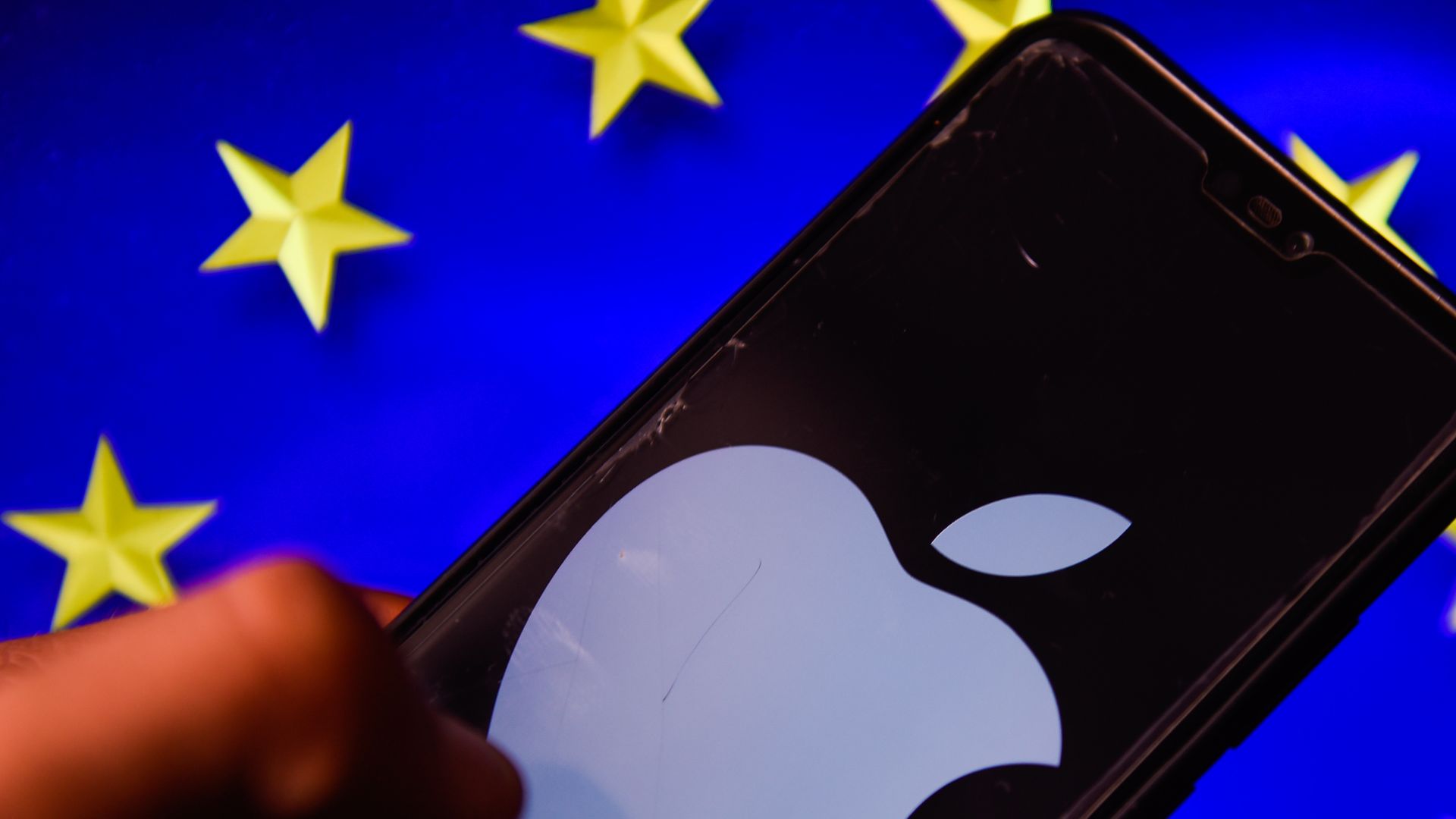
Apple won a major court case against the European Union Wednesday, shielding the tech giant from having to pay €13 billion ($14.8 billion) in back taxes to Ireland.
Why it matters: This is a major blow to European competition commissioner Margrethe Vestager, who wants U.S.-based companies to pay what she sees as their fair share of taxes in Europe. Vestager has also tried to reel in American tech companies in matters of competition and privacy.
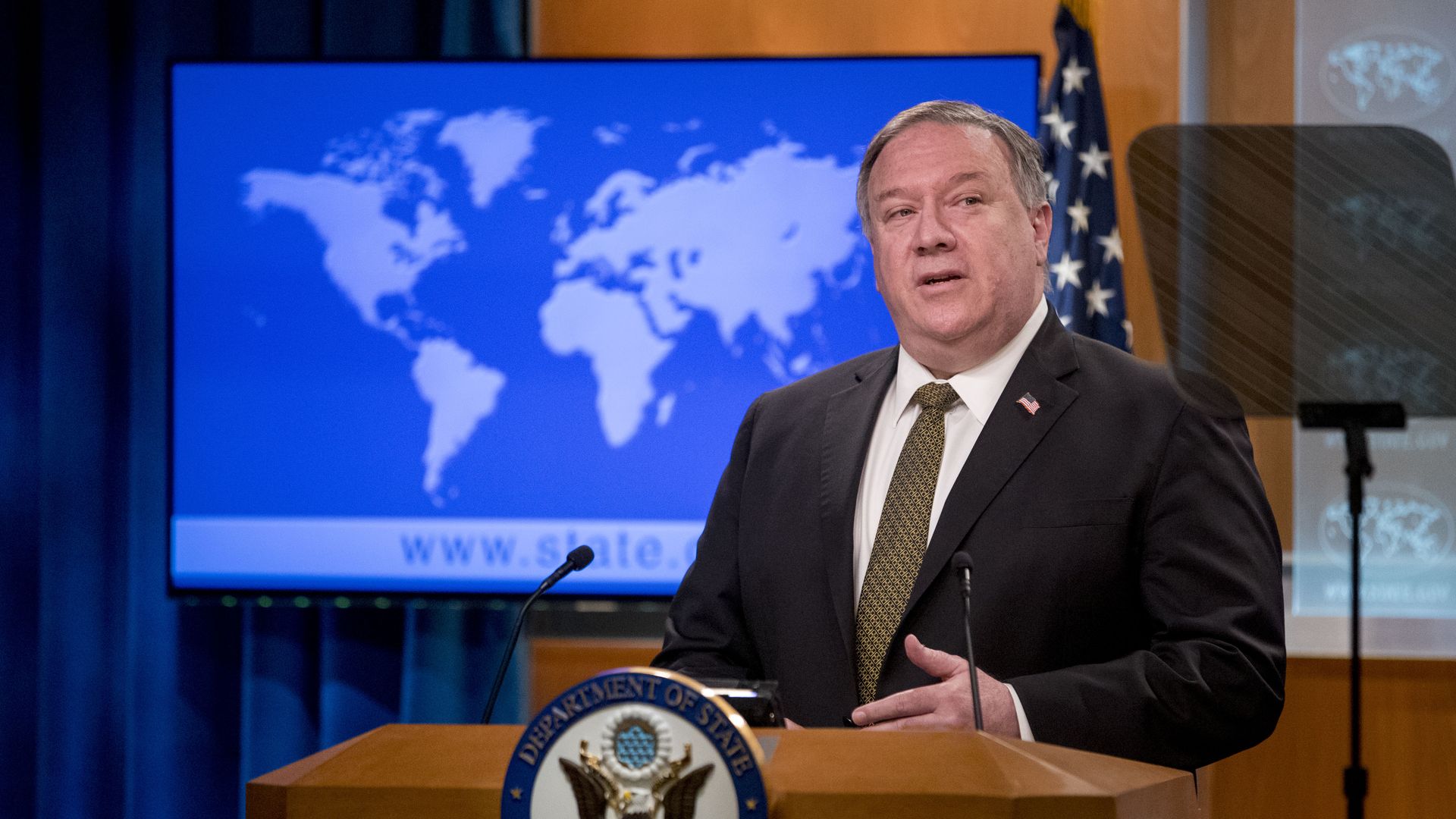
The U.S. will impose visa restrictions on certain employees of Chinese telecom Huawei and other companies that "provide material support to regimes engaging in human rights violations globally," Secretary of State Mike Pompeo said Wednesday.
Why it matters: The Trump administration's latest escalation against Huawei, which U.S. intelligence officials view as a threat to national security due to its ties to the Chinese military, comes the day after the U.K. announced it will no longer allow the telecom to access its 5G network.
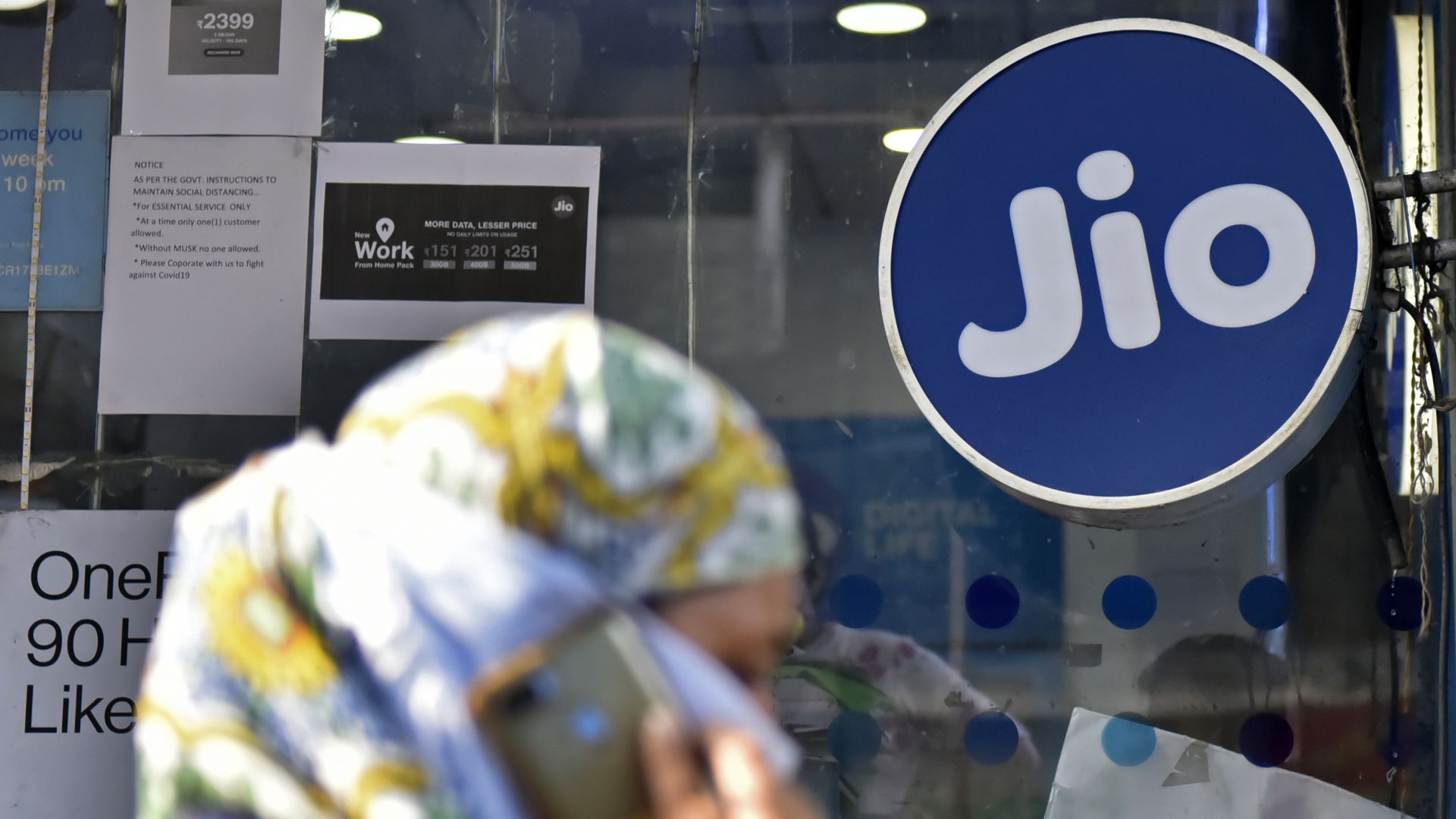
Google is investing $4.5 billion in India's Jio Platforms, with plans to team up on an entry-level smartphone, the tech giant announced Wednesday.
The big picture: Jio has become tech's favorite bet on India as perhaps the world's greatest digital growth market. Google is following the likes of Intel, Qualcomm and Facebook in investing in Jio, which houses India's largest wireless carrier and a range of other tech and telecom assets.
Revenue from cloud gaming is expected to explodein the next four years, according to a new report from ABI Research, commissioned by InterDigital, a mobile technology research and development company.
Why it matters: Higher broadband speeds and penetration from 5G connectivity will make cloud computing gaming more accessible to the masses.
In 2018 President Trump granted the Central Intelligence Agency expansive legal authorities to carry out covert actions in cyberspace, providing the agency with powers it has sought since the George W. Bush administration, former U.S. officials directly familiar with the matter told Yahoo News.
Why it matters: The CIA has conducted disruptive covert cyber operations against Iran and Russia since the signing of this presidential finding, said former officials.
Tech was the first industry to send its workers home when COVID-19 first hit the U.S., and it has been among the most cautious in bringing workers back. Even still, many companies are realizing that their reopening plans from as recently as a few weeks ago are now too optimistic.
Why it matters: Crafting reopening plans gave tech firms a chance to bolster their leadership and model the beginnings of a path back to normalcy for other office workers. Their decision to pause those plans is the latest sign that normalcy is likely to remain elusive in the U.S.