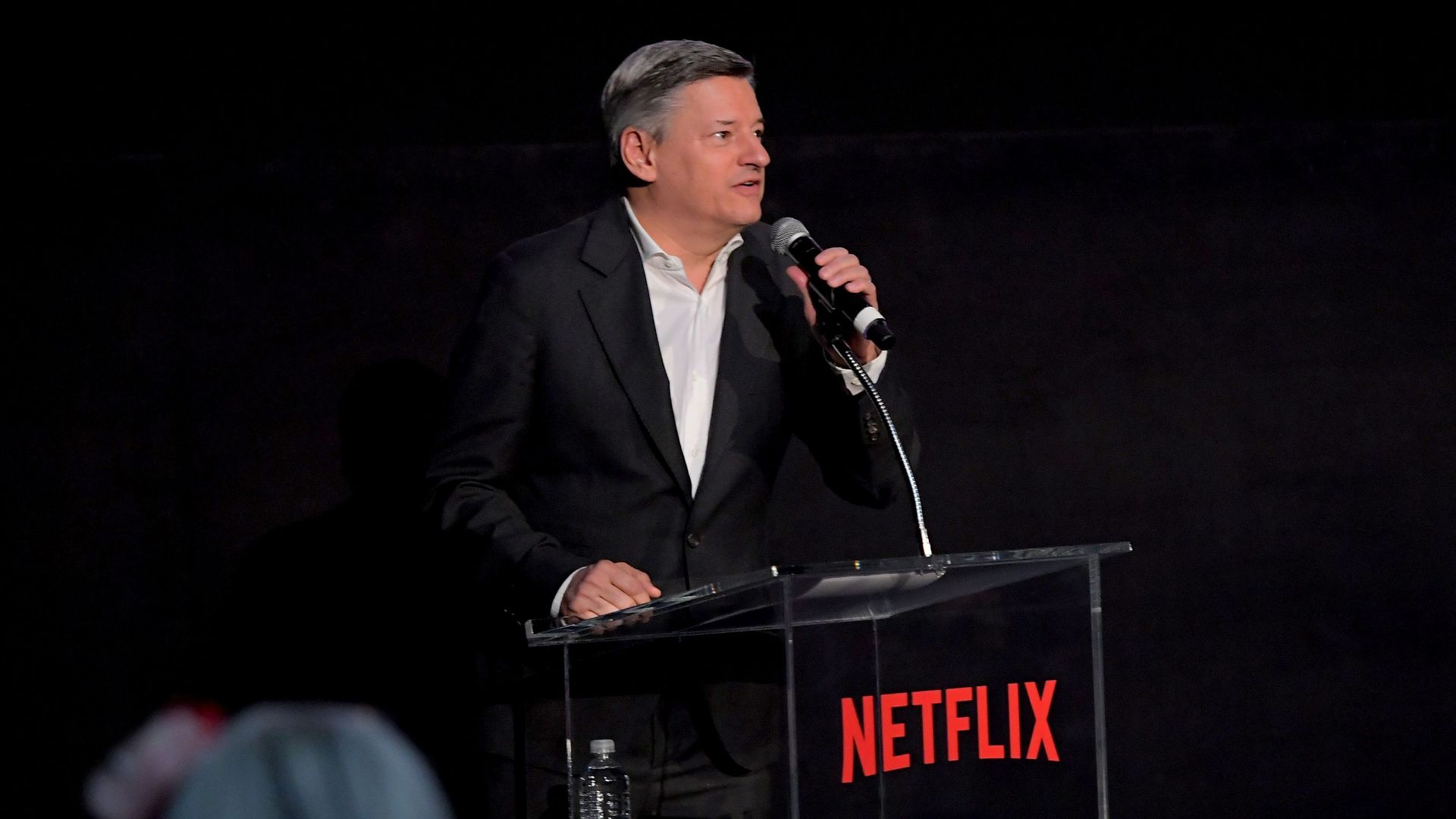
Netflix has named head of content Ted Sarandos as co-CEO of the company, alongside chief executive Reed Hastings, it said Thursday when it released its quarterly earnings.
Why it matters: Co-CEO arrangements often prove unsustainable as long-term plans for running companies. It's likely this is a step toward Sarandos eventually heading the company on his own.
The FBI is investigating Wednesday's Twitter incident in which hackers took over the accounts of Joe Biden, Barack Obama, Elon Musk, Bill Gates and other notable figures to push a cryptocurrency scam, the agency confirmed in a statement to Axios.
What they're saying: "At this time, the accounts appear to have been compromised in order to perpetuate cryptocurrency fraud," the agency's San Francisco office said in a statement. "We advise the public not to fall victim to this scam by sending cryptocurrency or money in relation to this incident. As this investigation is ongoing, we will not be making further comment at this time.” The FBI's role was first reported by Reuters.
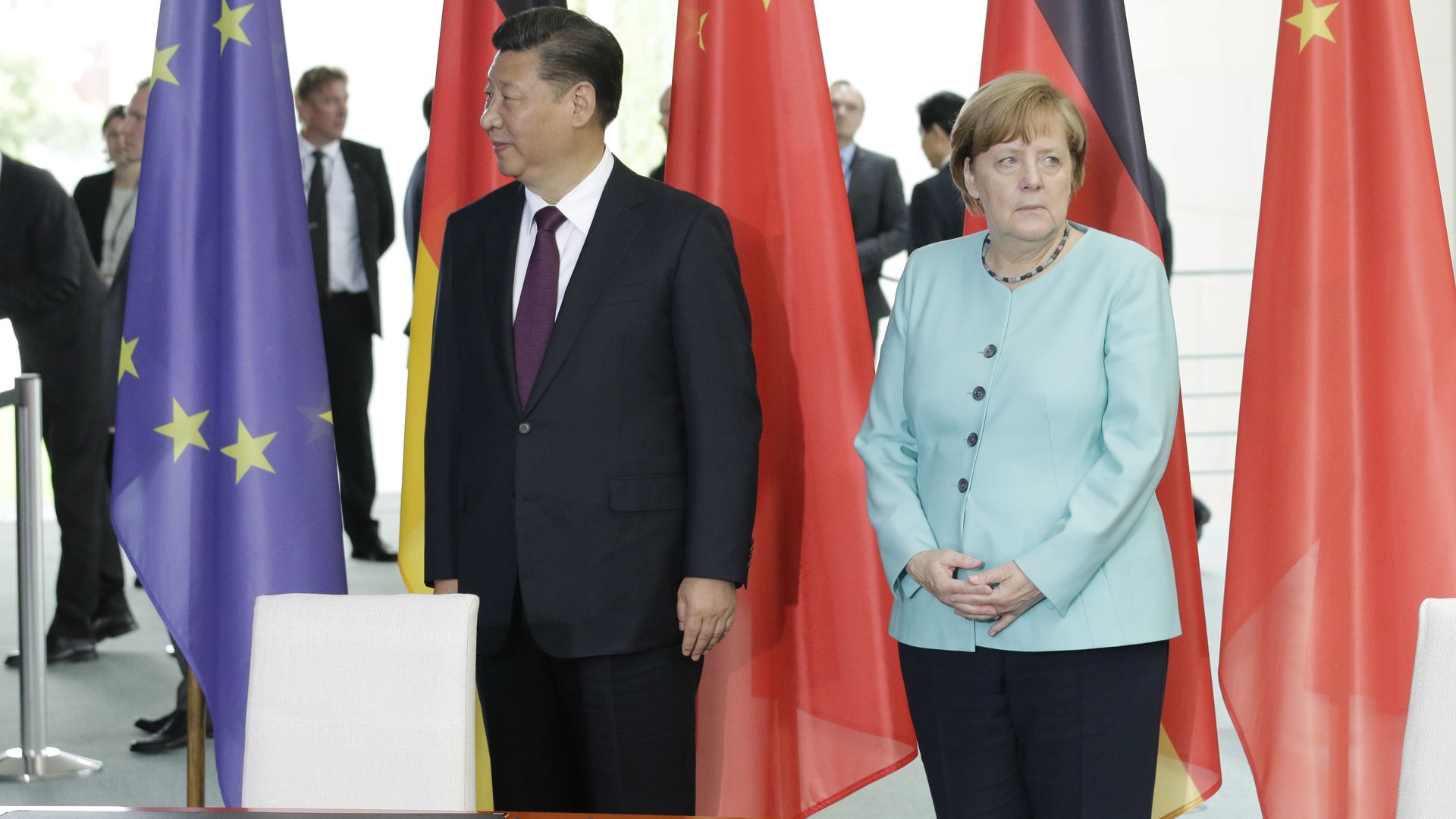
While countries including the U.S. and U.K. grow increasingly willing to challenge China on everything from Hong Kong to Huawei, Germany has steered clear of confrontation with Beijing.
Why it matters: Despite German Chancellor Angela Merkel's reputation as a champion of democratic values, her critics contend that when it comes to China, any such concerns are trumped by the economy.
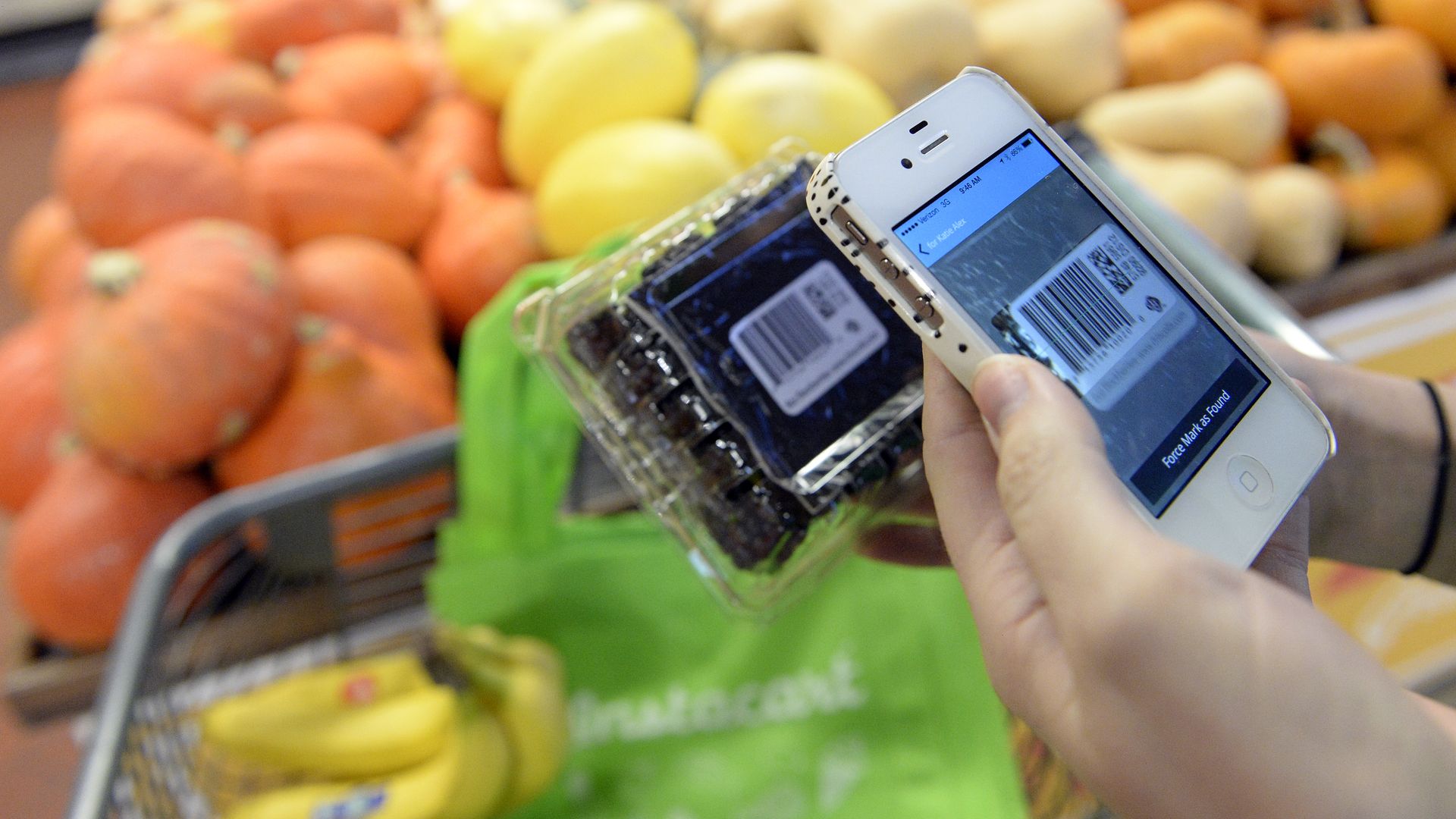
Instacart has filed a lawsuit against Cornershop, a grocery delivery company recently acquired by Uber, accusing the company of scraping material including thousands of images from Instacart's product catalog as it expanded to the U.S.
The big picture: Grocery delivery has been in the spotlight during the pandemic as Americans stay home much of the time, opting for delivery services instead. The boom in demand has also helped Instacart reportedly turn a profit for the first time.
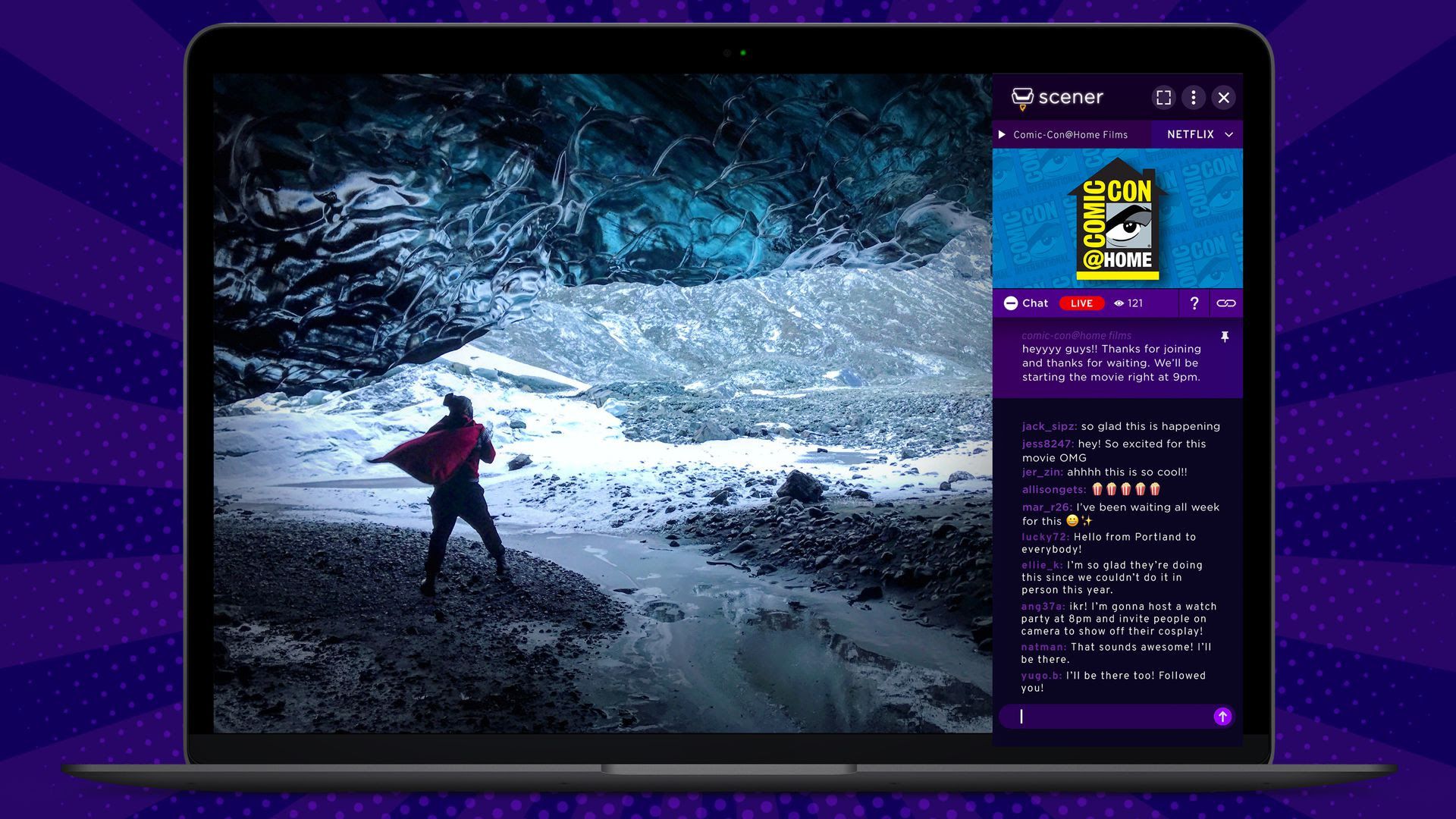
Scener, a small spinoff from RealNetworks, is expanding its service, which lets people in separate locations watch video simultaneously while also chatting, offering a digital, socially distant option for watching a movie or TV show with friends.
The big picture: The company's product is one of many for which the pandemic has been, in its way, fortuitous, making what might have been a niche experience into a social lifeline.
Google on Wednesday debuted a bunch of changes to G Suite, making it easier for users to move between applications and, as G Suite boss Javier Soltero told Axios, allowing even greater online collaboration.
Why it matters: The pandemic has made workplace productivity tools even more critical, as so many work from home, and amped up Google's competition with Microsoft, as well as with tools like Zoom and Slack.
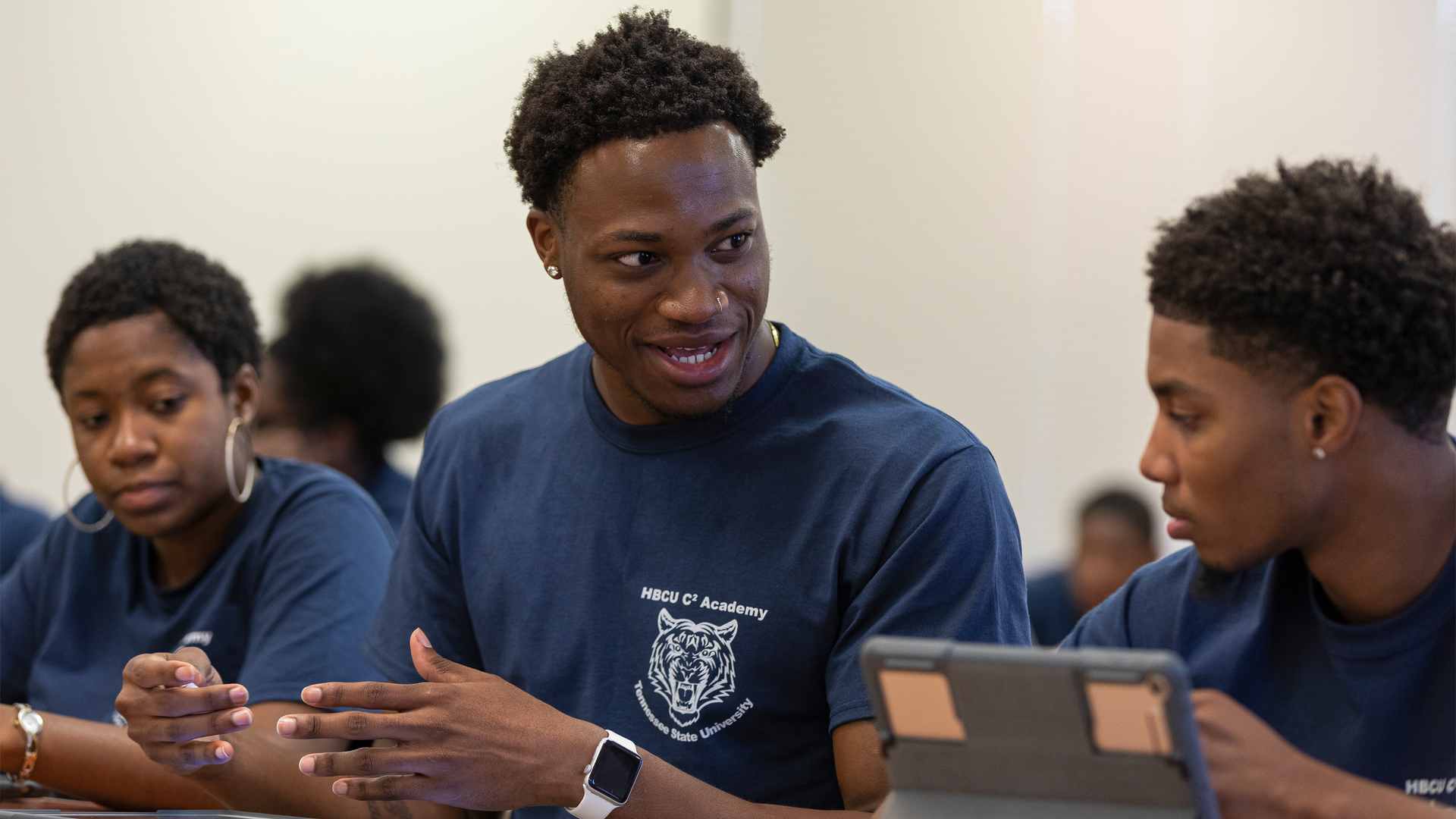
Apple is announcing today an expansion of its work with historically Black colleges, with 10 new schools serving as learn-to-code hubs for students, teachers and the broader community.
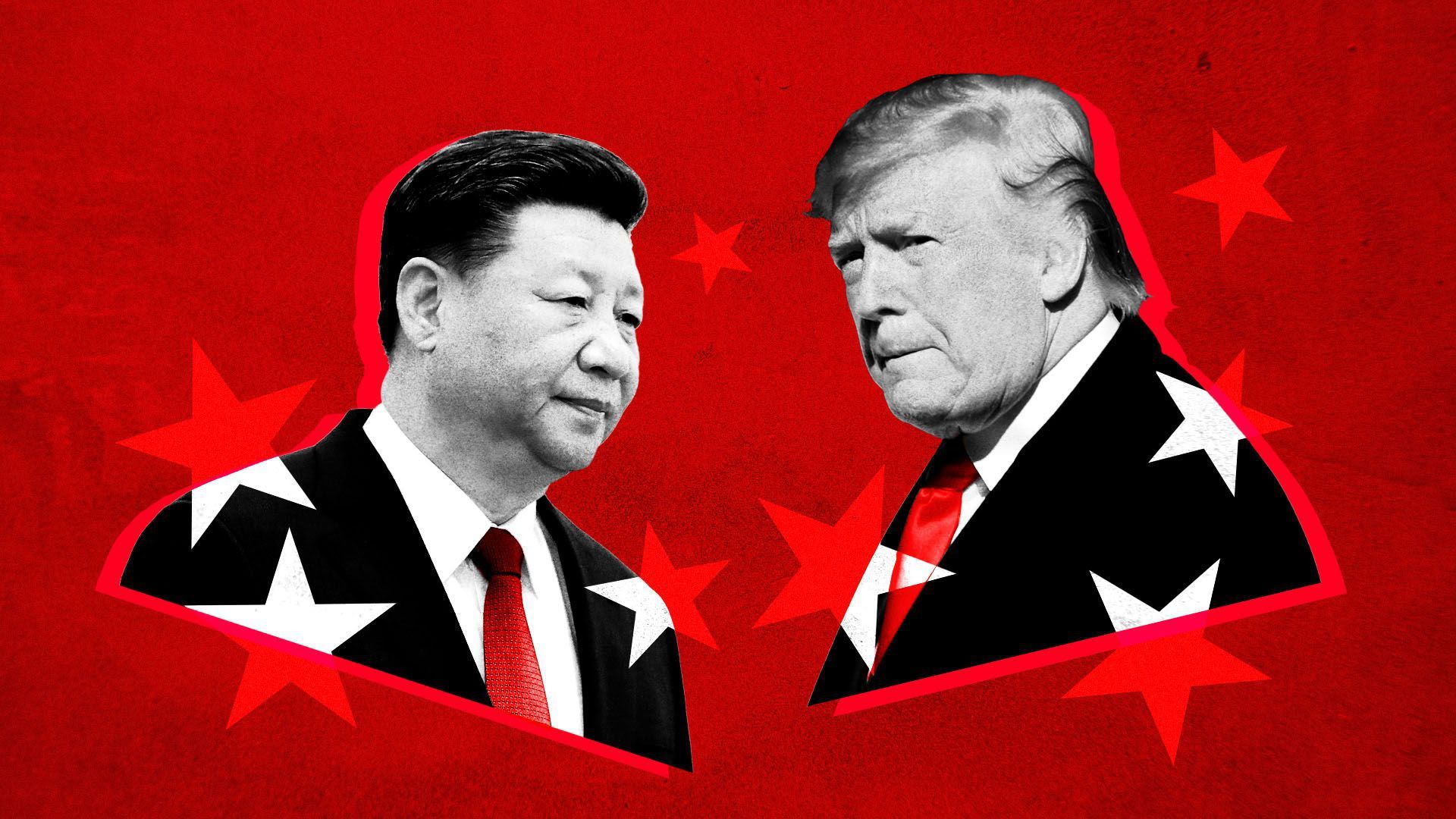
Lost amid headlines about the coronavirus pandemic and the seemingly unstoppable stock market rally, has been the monthslong escalation of tensions in the U.S.-China trade war — and it's likely here to stay.
Why it matters: The tariffs continue to impress a sizable tax on U.S. companies and consumers, adding additional costs and red tape for small businesses, farmers, manufacturers and households trying to stay afloat amid the pandemic.
Facebook announced Thursday that it will add labels to all posts from presidential and congressional candidates and federally-elected officials that mention voting or ballots, regardless of whether they contain misinformation.
Why it matters: It's the tech giant's response to scrutiny that it doesn't do enough to tackle voter suppression on its platform. Earlier this year, Facebook — unlike Twitter — did not take action against posts from President Trump that included false information about mail-in voting.
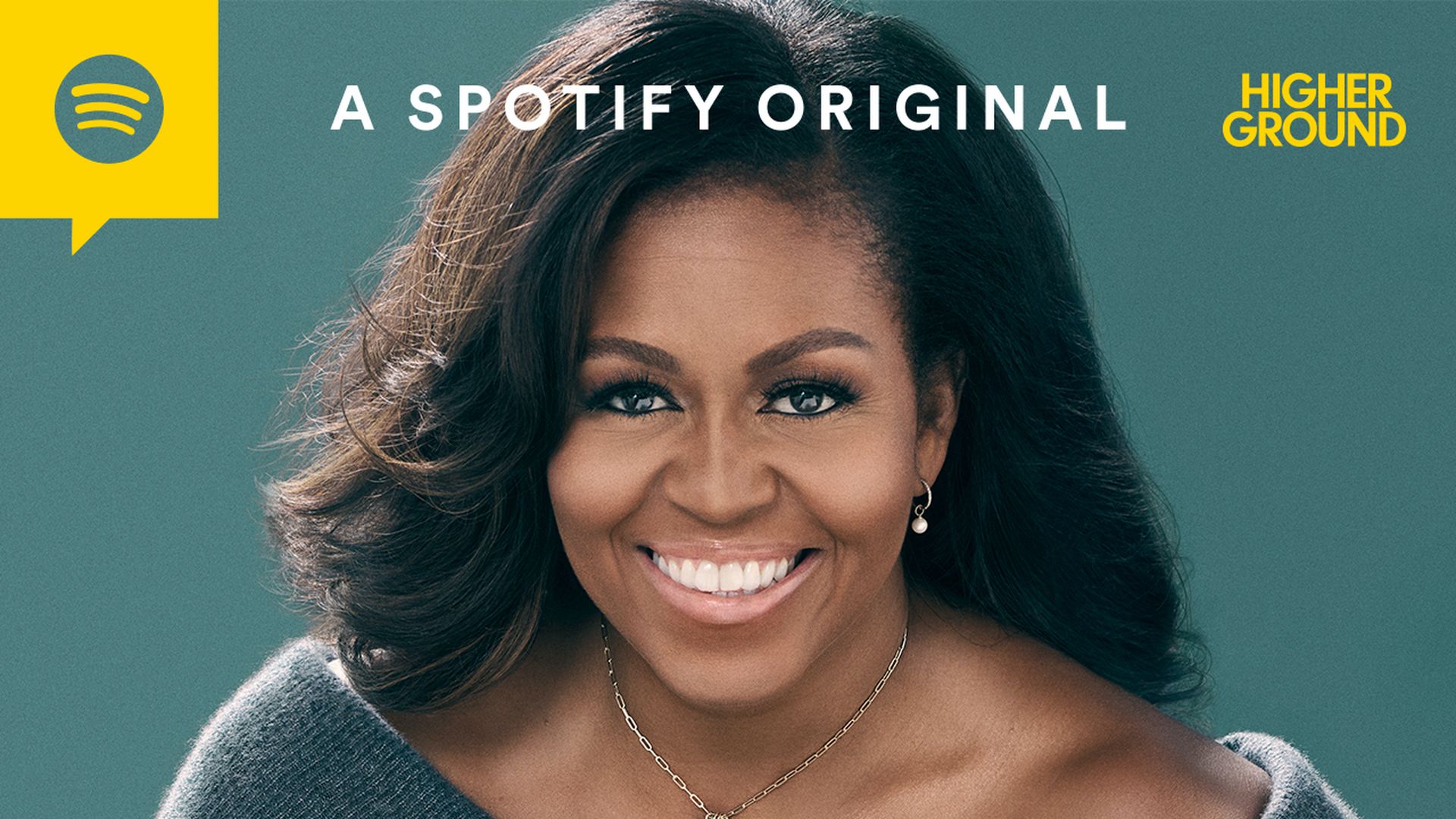
Spotify announced Thursday that "The Michelle Obama Podcast," the first podcast as part of its partnership with the Obamas' production company Higher Ground, will debut on July 29 for both free and paid subscribers.
Why it matters: It's the latest big media project from the former first lady. Her stated goal, alongside former President Obama, is to use media platforms like podcasts, film and social media to help Americans achieve a greater understanding of the world and to inspire young people.
Twitter's major security incident Wednesday — in which hackers took over the accounts of Joe Biden, Barack Obama, Elon Musk, Bill Gates and other notable figures to push a cryptocurrency scam — stunned the worlds of politics and tech.
Why it matters: As bad as Wednesday's rampage was — and it was bad — the real fallout came as business leaders, politicians and everyday users realized that their chosen network for real-time information is even more vulnerable to being hijacked than they thought.
Europe's highest court blew up the agreement that allows most data transfers between the EU and the U.S. Thursday, creating uncertainty for the tech firms that rely on the pact and likely sending officials scrambling to come up with a replacement.
Why it matters: Major global tech companies like Facebook, Google and Microsoft send troves of user data across the Atlantic daily. This decision severely complicates the future of that and sends the message that Europe doesn't accept how its citizens' data is handled stateside.
A number of prominent Twitter accounts, including those of Joe Biden, Barack Obama, Bill Gates and Elon Musk, appear to have been compromised Wednesday, posting messages tied to a cryptocurrency scam.
The latest: Twitter temporarily disabled all verified accounts from tweeting for several accounts. At about 8:45 pm ET, Twitter said in a statement: "Most accounts should be able to Tweet again. As we continue working on a fix, this functionality may come and go. We're working to get things back to normal as quickly as possible."