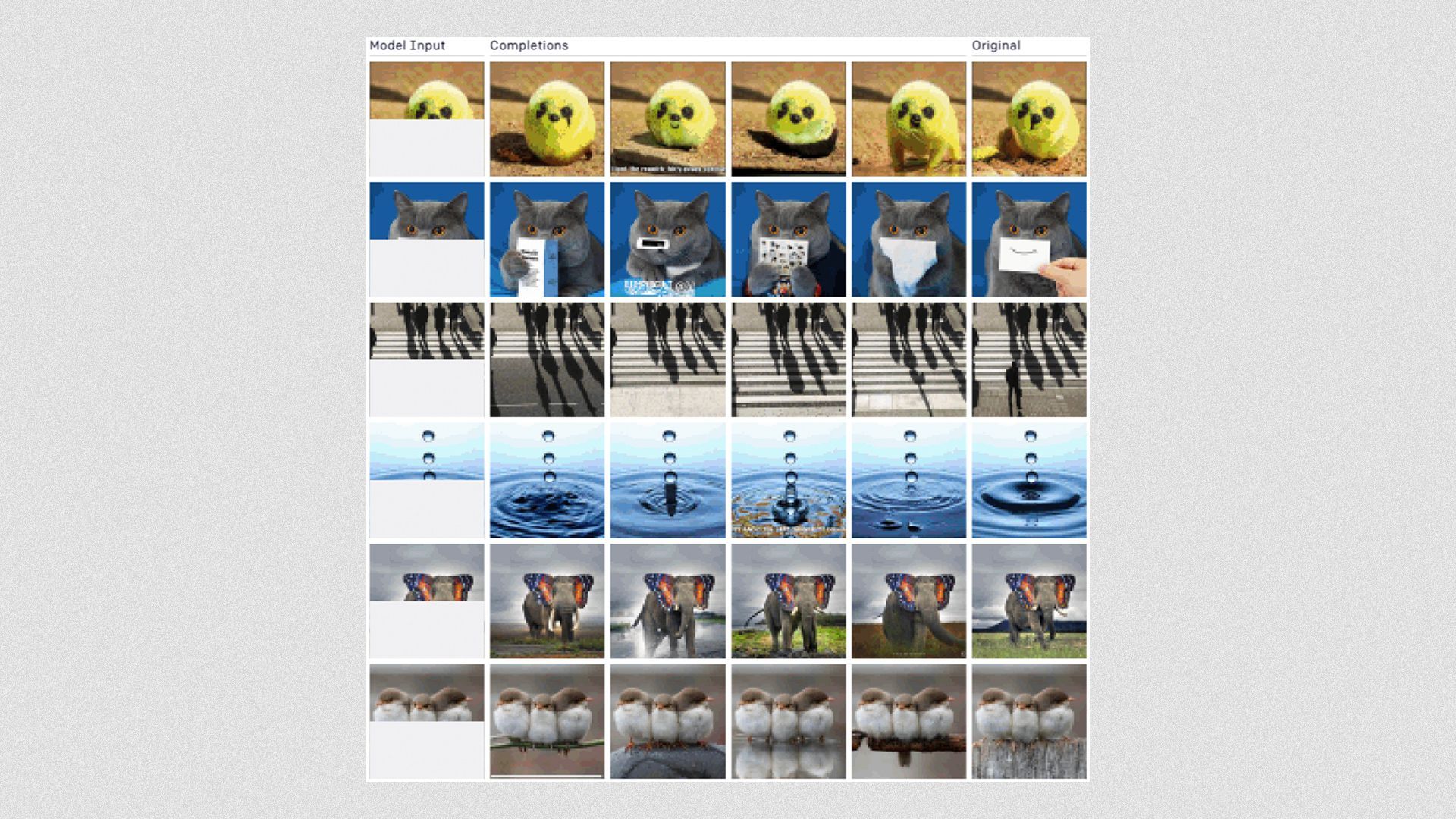
An AI algorithm is capable of automatically generating realistic-looking images from bits of pixels.
Why it matters: The achievement is the latest evidence that AI is increasingly able to learn from and copy the real world in ways that may eventually allow algorithms to create fictional images that are indistinguishable from reality.
A new report outlines how miscalculations and misinformation on Twitter could lead to global war.
Why it matters: Social media platforms like Twitter have vastly accelerated the pace of communication. Without restraints, it's far too easy to imagine how errant tweets could cause international disputes to escalate out of control.
Twitter has determined that hackers accessed the personal data of up to eight non-verified accounts affected by a cryptocurrency-related scam earlier this week.
The state of play: The social media company said late Friday that 130 accounts were targeted, and only 45 successfully breached. The hackers downloaded user data through a tool intended to give an account owner a summary of their Twitter details and activity.
As telemedicine use explodes during the pandemic, language interpretation services have lagged behind.
Why it matters: Telemedicine has been a vital lifeline, but if it's going to fully supplement conventional health care, it needs to be able to serve everyone — including people with little or no English skills.
The hackers who compromised high-profile Twitter accounts this week were a "group of young people" who connected over an interest in "owning early or unusual screen names," the New York Times reported Friday.
Why it matters: That the hackers weren't state-backed or tied to a sophisticated criminal enterprise will likely come as a relief to the public figures — among them Elon Musk, Barack Obama and Bill Gates — who were targeted. But the scheme sowed chaos and uncertainty all the same.
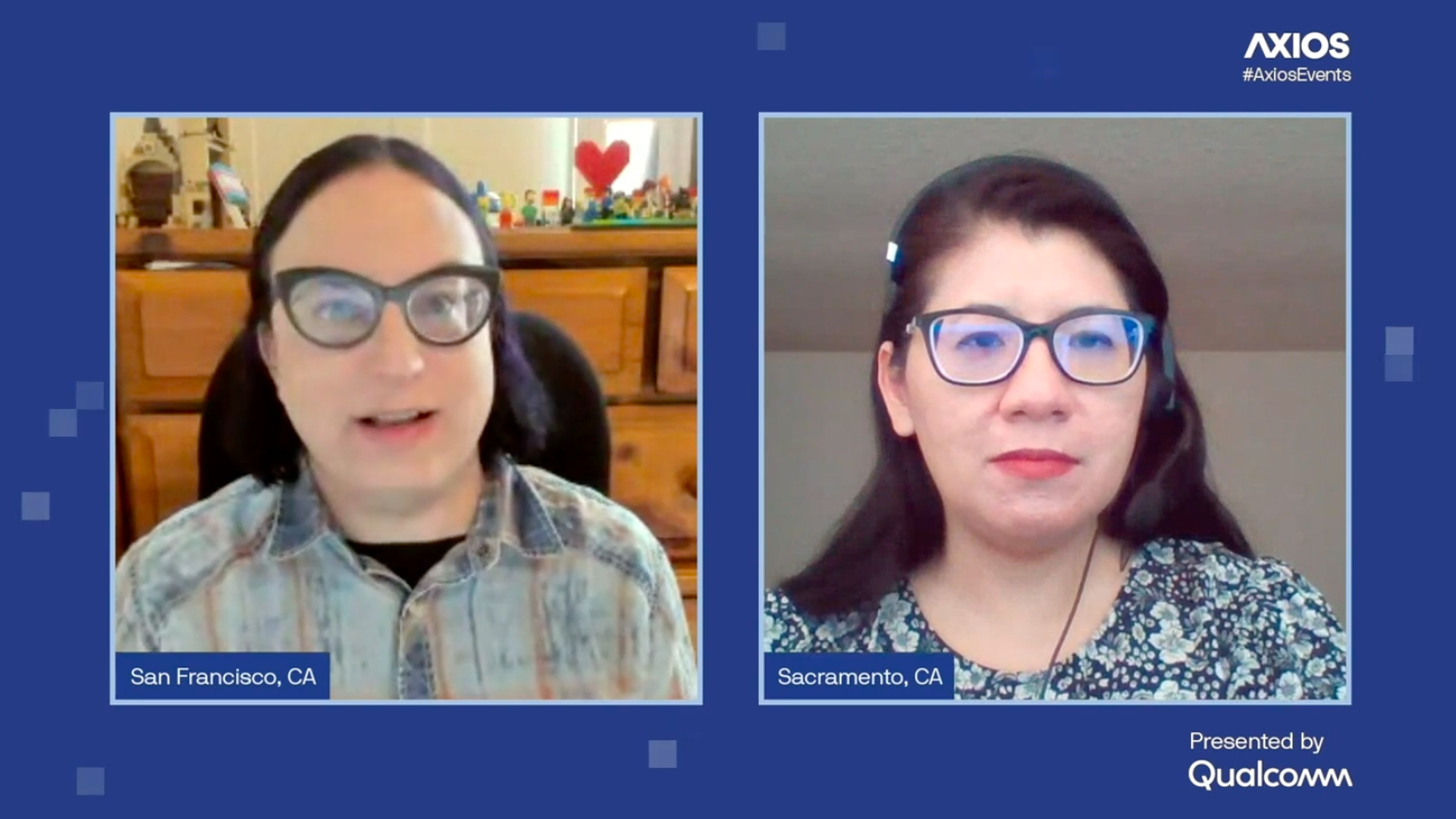
Boosting telehealth services with 5G likely won't eliminate the need for physical doctor's visits, Mei Kwong, executive director for the Center for Connected Health Policy, said on Friday during an Axios virtual event on Friday.
The big picture: Telehealth has experienced massive growth during the coronavirus pandemic, as more health providers have had to pivot services for patients stuck at home.
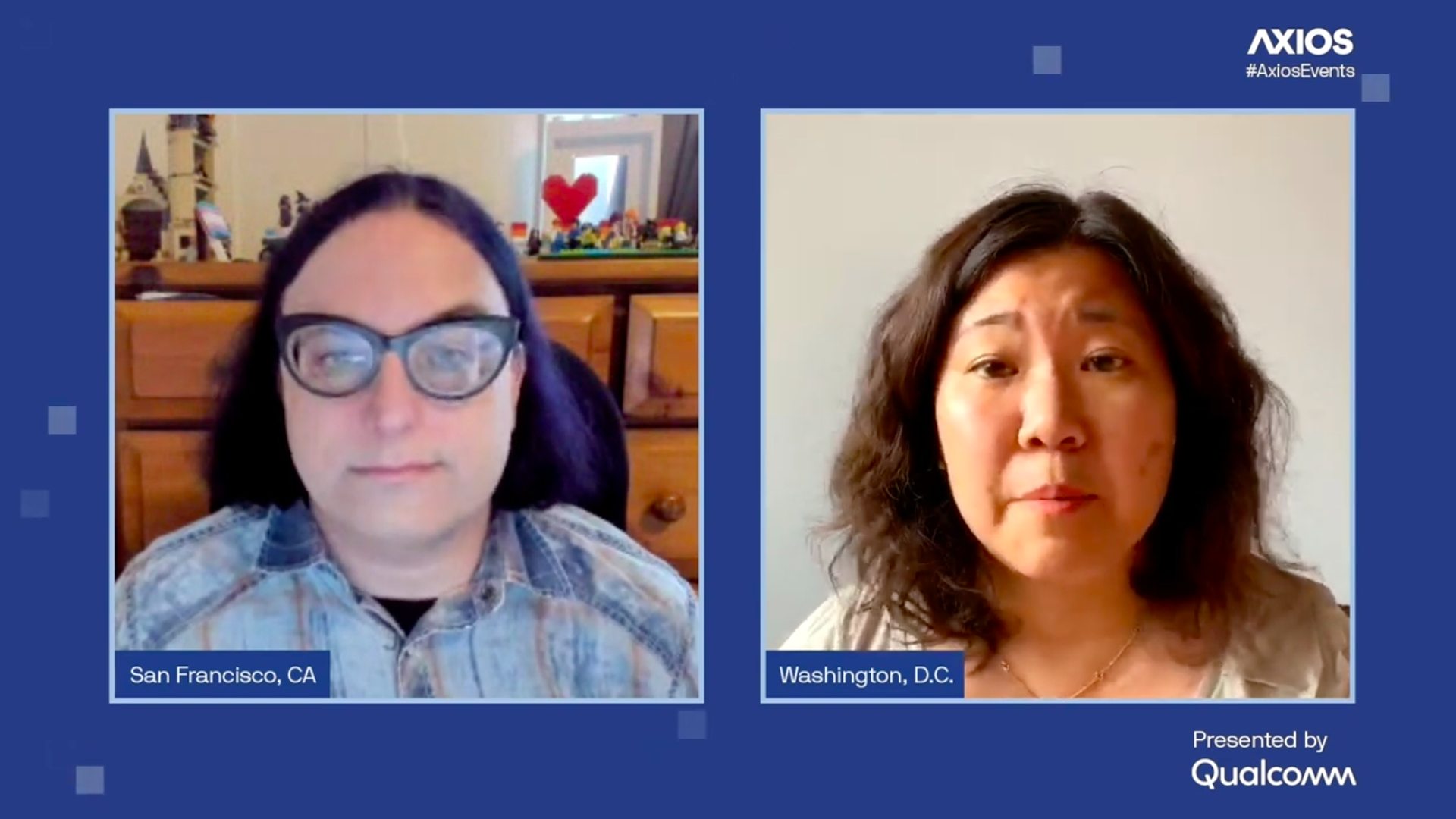
Efforts to get students internet access during the coronavirus pandemic has "sped up momentum" in Congress to try and bridge the digital divide, Rep. Grace Meng (D-NY) said an Axios virtual event on Friday.
What she's saying: "So what was originally a problem not for everyone around the country, suddenly became a dire and very time-sensitive issue, because these kids weren't able to go to school and participate and learn," Meng said, on student's access to online learning.
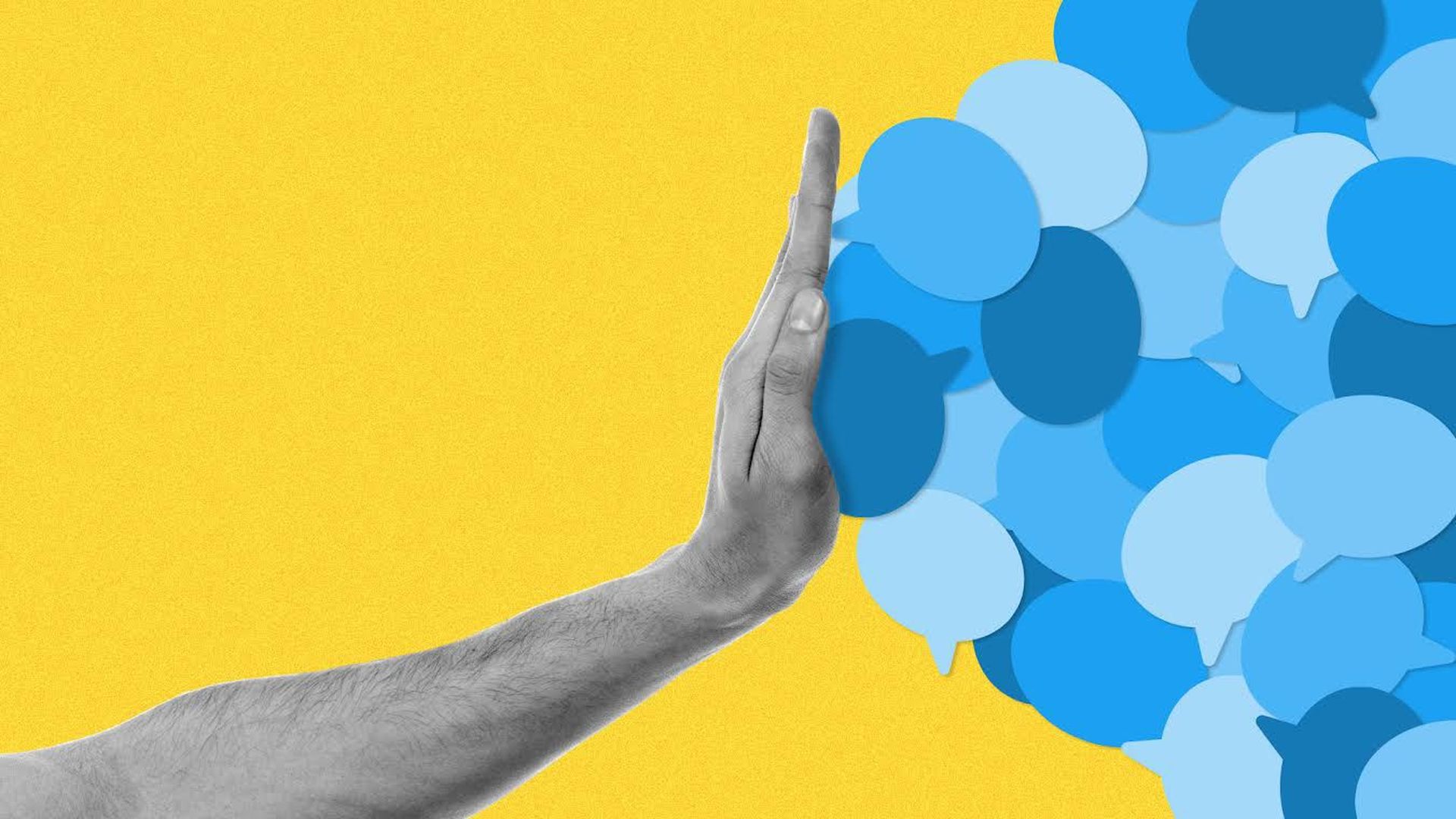
The Global Alliance for Responsible Media (GARM), an industry body consisting of the world's biggest advertising companies — including a few Big Tech companies — has agreed to evaluate some issues collectively, including deciding how to better define hate speech across the entire industry.
Why it matters: Social media companies have faced increased scrutiny for how they moderate content on their platforms. This is a step towards tackling the issue together, despite the fact that it's mostly a formality for now.
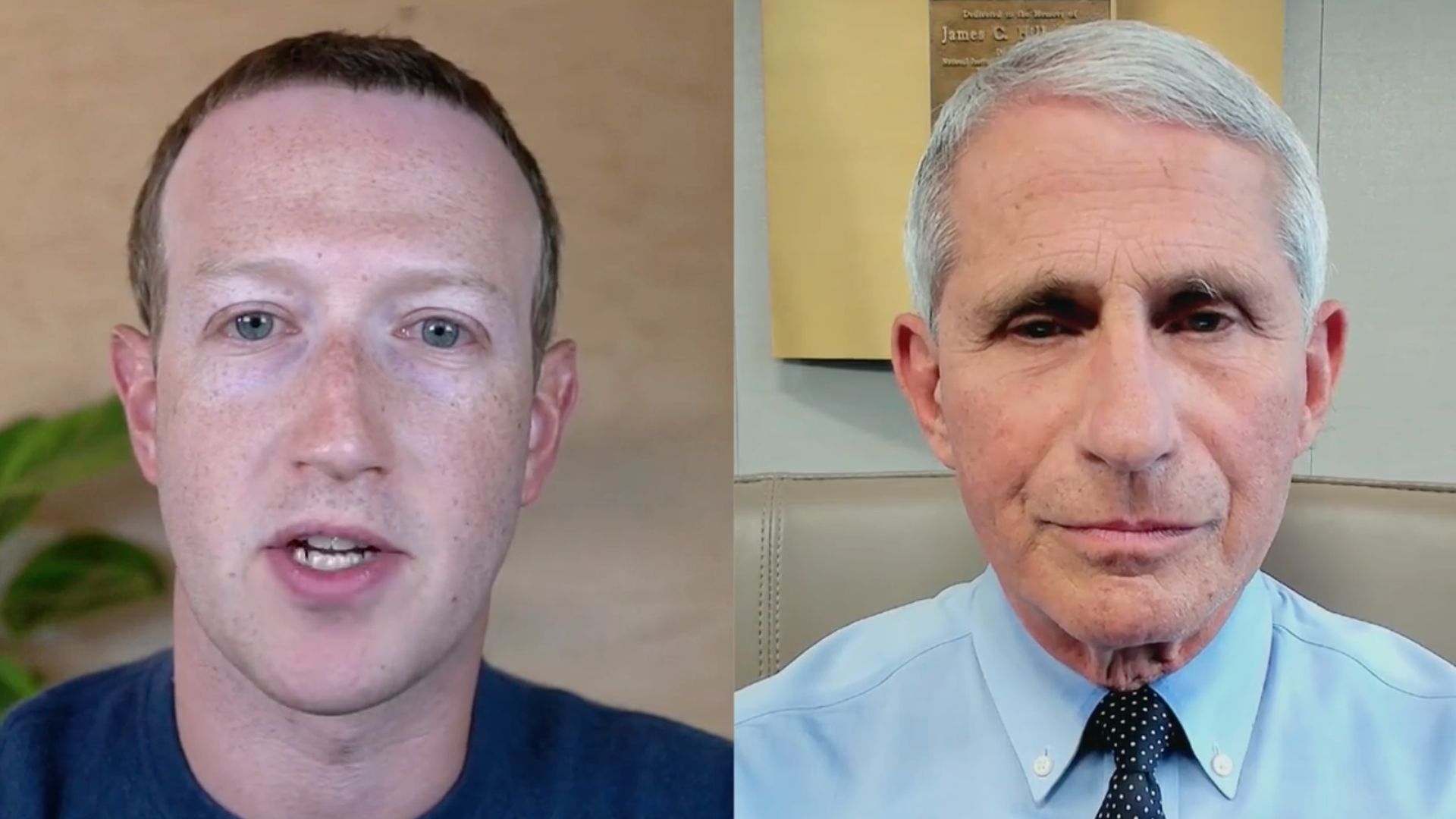
Facebook CEO Mark Zuckerberg, during an hourlong online conversation with Dr. Anthony Fauci on Thursday, criticized the Trump administration's coronavirus response and called for "a reset."
What he's saying: "[I]t's really disappointing that we still don't have adequate testing, that the credibility of our top scientists like yourself and the CDC are being undermined — and that until recently, that parts of the administration were calling into question whether people should even follow basic best practices like wearing masks."
Buckle up, more hacks ahead: That's the loud message Wednesday's wild attack on Twitter is sending to public officials, business executives and leaders of political campaigns.
Why it matters: With the election less than four months off, the takeover of high-profile Twitter accounts provided a grim reminder of the vulnerability of our communications platforms, government systems and business networks.
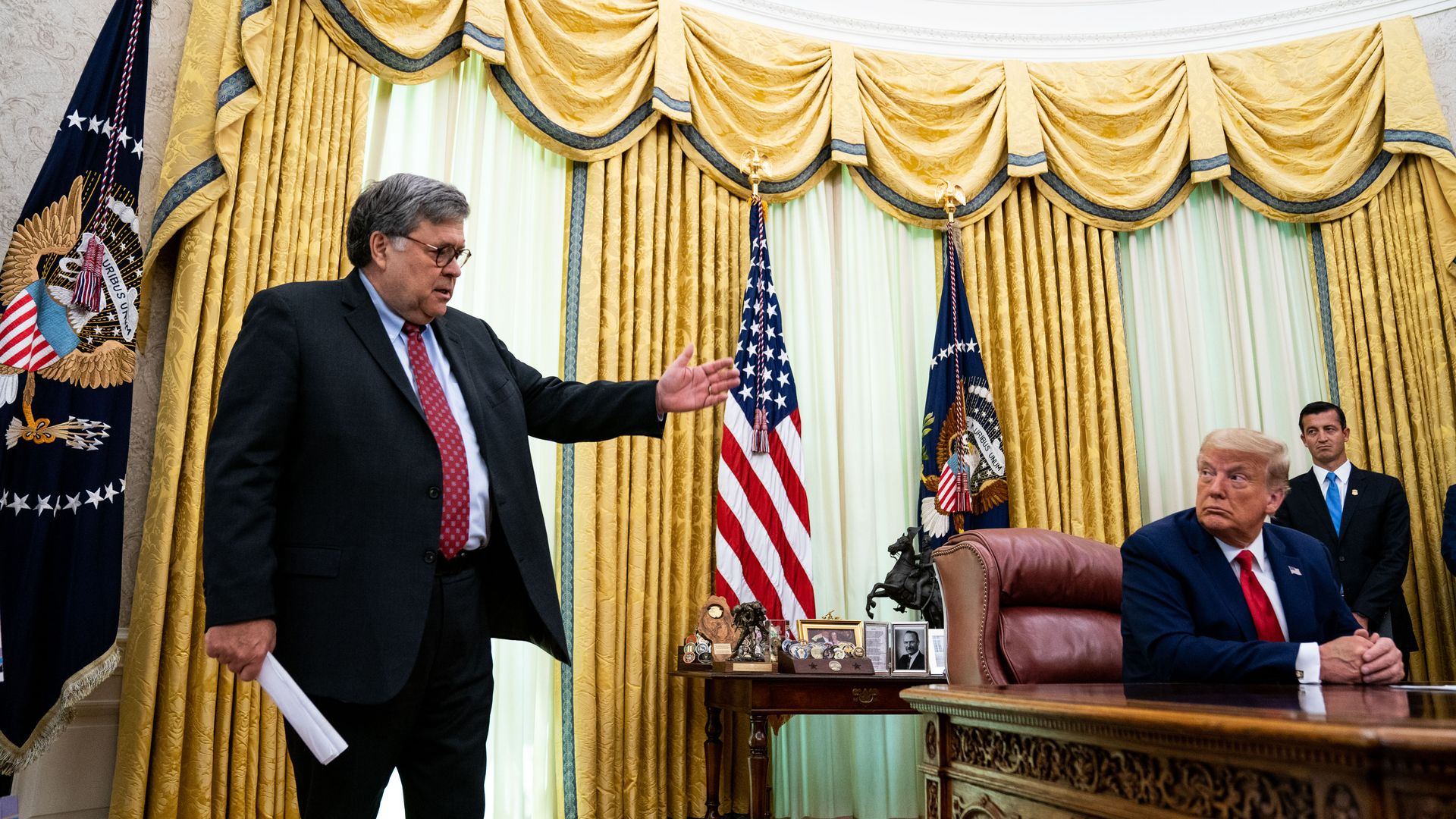
Attorney General Bill Barr on Thursday accused U.S. tech and entertainment firms — several of them by name — of collaborating with the Chinese Communist Party (CCP).
What he's saying: “[I]f Disney and other American corporations continue to bow to Beijing, they risk undermining both their own future competitiveness and prosperity, as well as the classical liberal order that has allowed them to thrive."