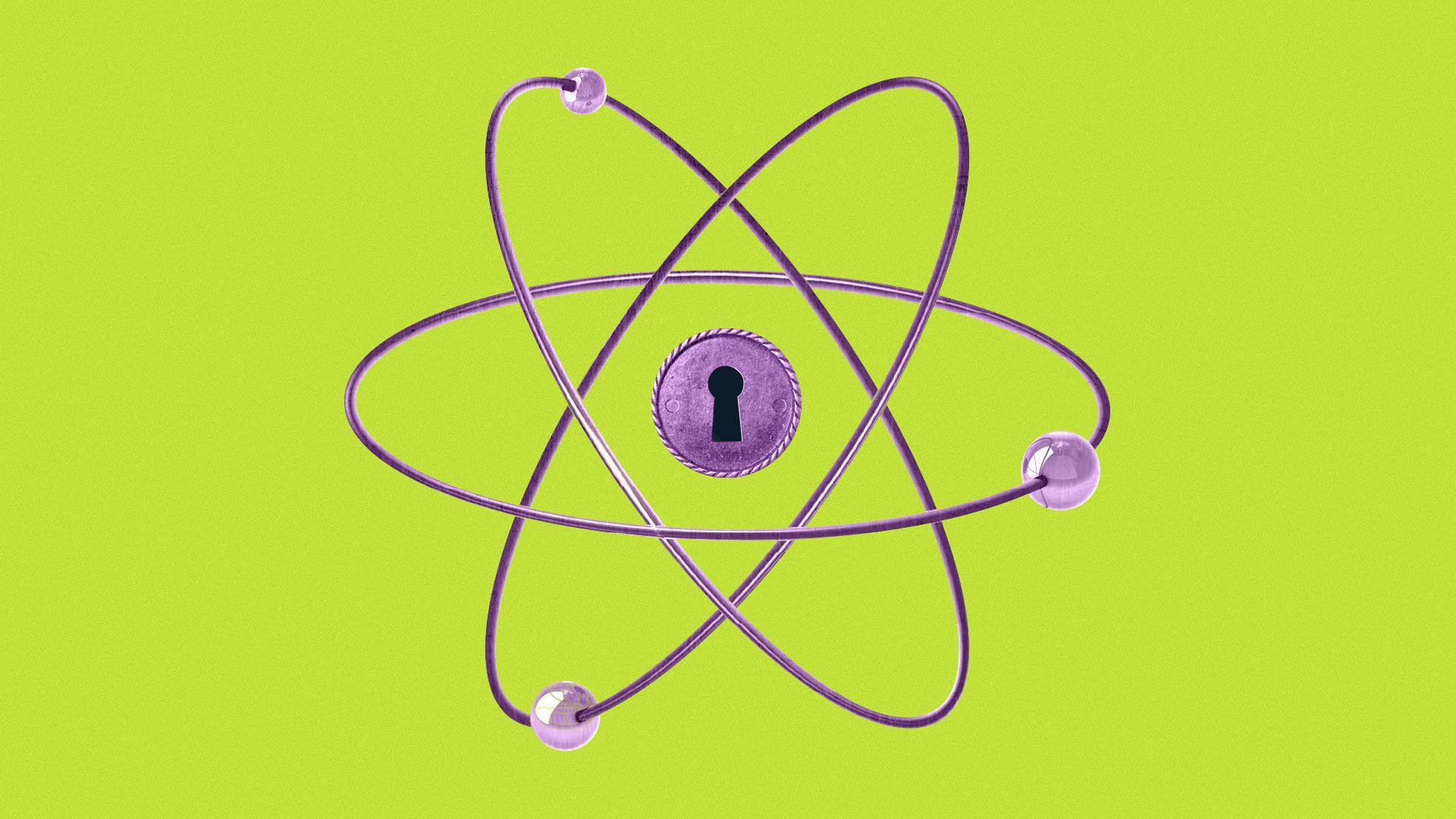
A new report seen first by Axios details the global security risks posed by emerging technologies like AI and gene editing.
Why it matters: Rising populism, as well as the disruptive effects of the COVID-19 pandemic, has already eaten away at the postwar global order. Now powerful new technologies threaten to widen the gap between what we can do and what we can control.
Google faces a new lawsuit seeking at least $5 billion over accusations the company profits off of using its ad tech to track people across the internet, even when they take steps to mask their browsing.
The big picture: Google, like other tech giants, has faced rising scrutiny in recent years over its collection and use of private data, and policymakers and advocates have looked to how it uses ad tech as a possible avenue for curbing its power.
In a letter released last month, an ideologically diverse group of senators and congressmen, led by Sen. Ron Wyden (D-Ore.), wrote to the Senate’s sergeant at arms and the House’s chief administrative officer requesting that all calls on unclassified lines between the House and Senate be encrypted, in order to prevent foreign spying.
Why it matters: According to the letter, first reported by The Verge, calls within the Senate were not encrypted until August 2018, making them “vulnerable to interception by any hacker or foreign government that gained access to the Senate’s internal network.”
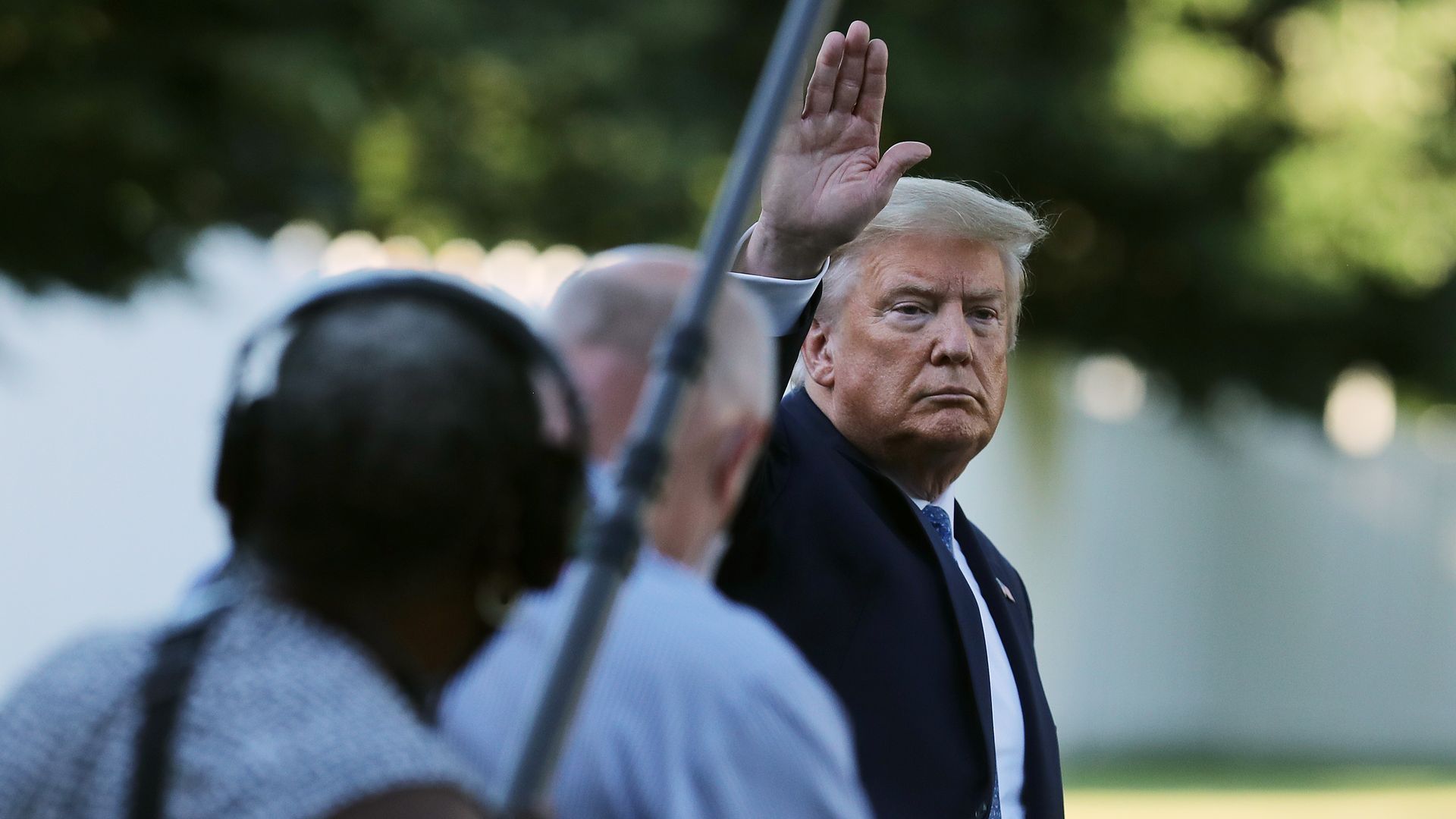
Snapchat will no longer promote President Trump's account on its "Discover" page of curated content, a spokesperson tells Axios, after Trump tweeted comments that some suggested glorified violence amid racial justice protests.
Why it matters: Snapchat is taking action on the president's account for comments he made elsewhere. That's going further than other Big Tech firms and signals a commitment to aligning content served to users with core values, rather than making moderation decisions based narrowly on each post made on its own platform.
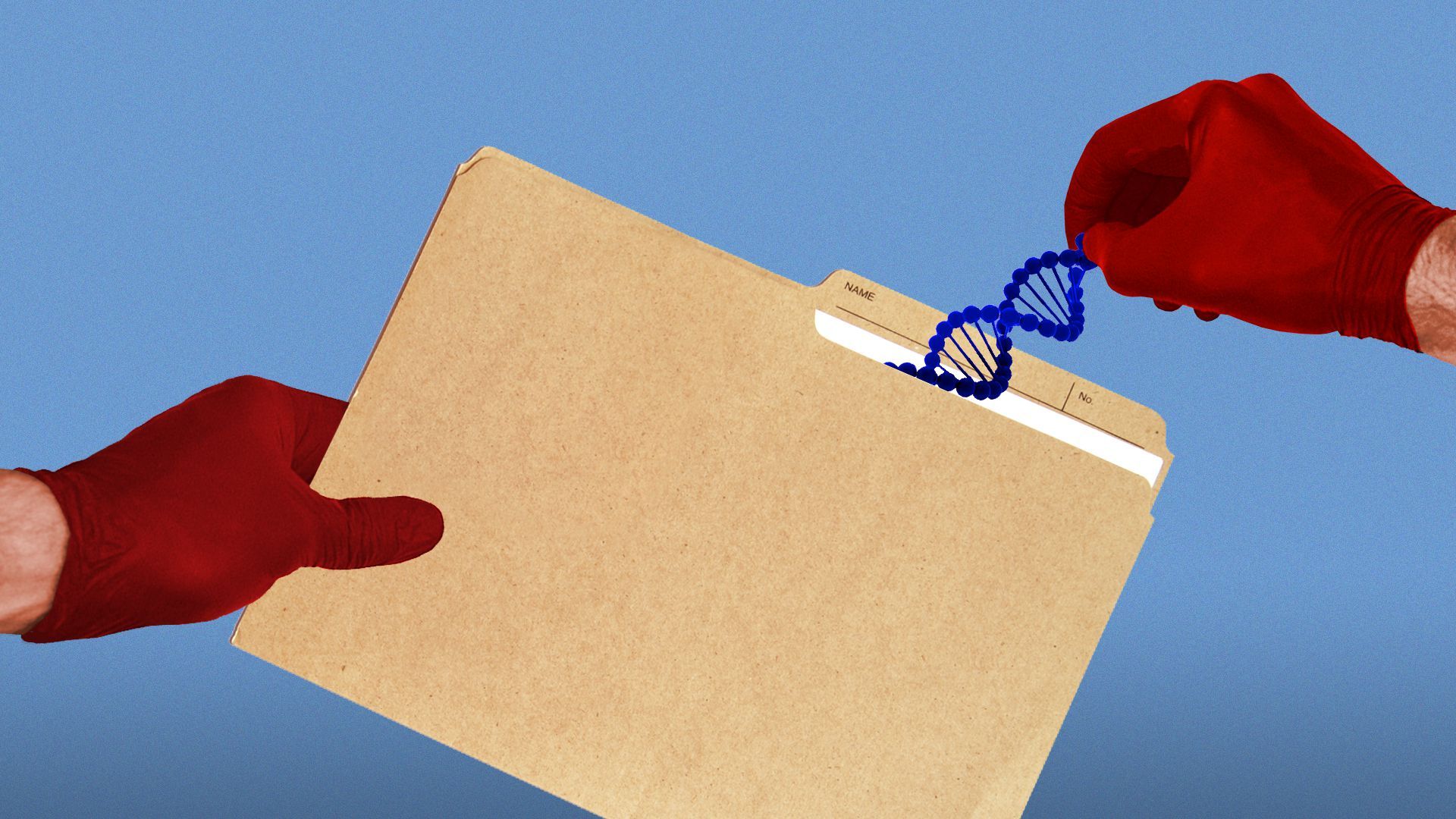
A leading Chinese gene sequencing and biomedical firm that said it would build a gene bank in Xinjiang is supplying coronavirus tests around the world.
Why it matters: U.S. officials are worried that widespread coronavirus testing may provide an opportunity for state-connected companies to compile massive DNA databases for research as well as genetics-based surveillance.
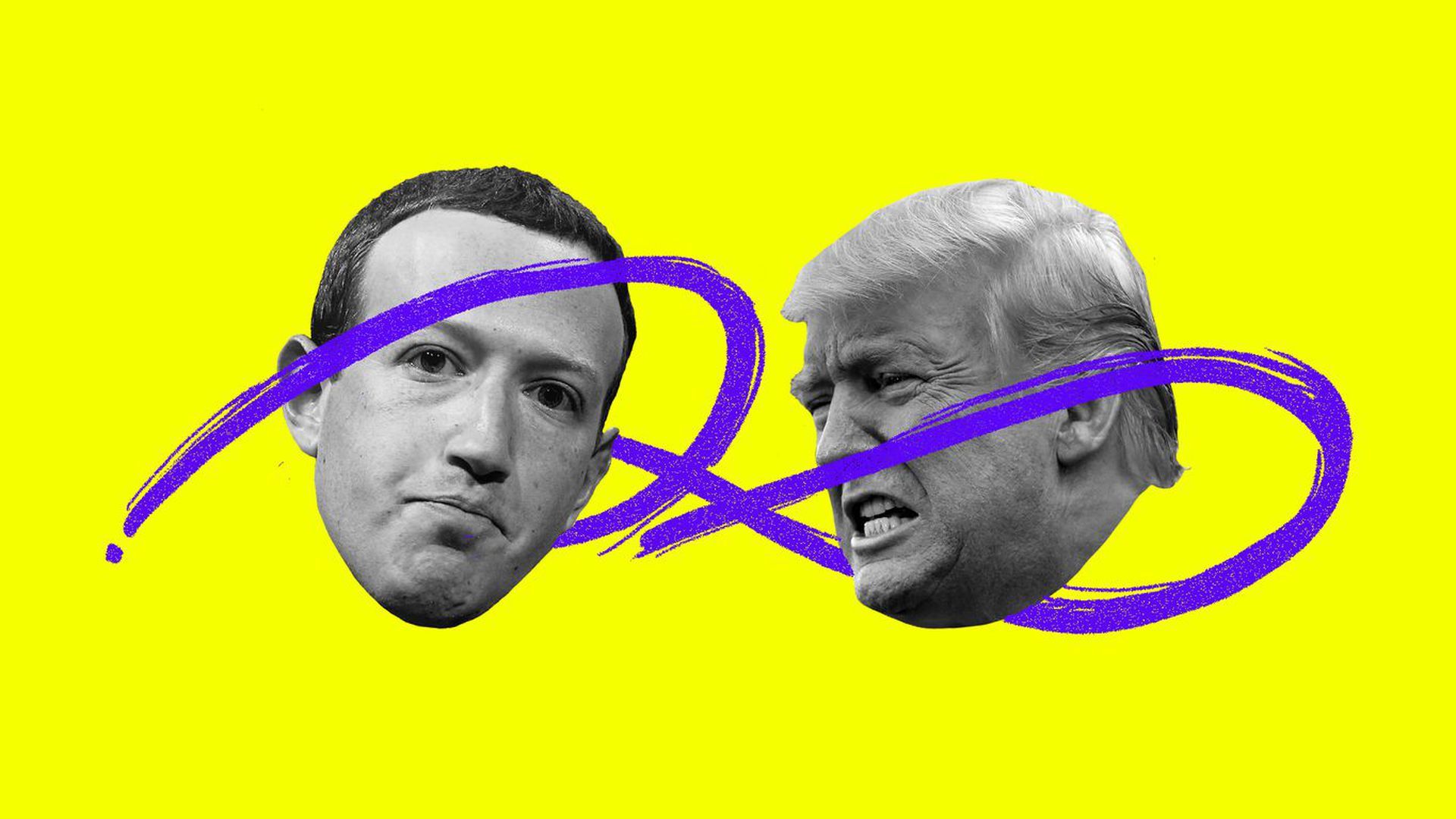
At a contentious online meeting with Facebook staff Tuesday, CEO Mark Zuckerberg defended his decision not to act against controversial messages posted by President Trump.
Why it matters: Facebook had gotten a brief reprieve from intense criticism over speech issues as the world grappled with the coronavirus and the platform served as a communications lifeline for many. That reprieve appears to be over — and the divisions of this moment are spreading inside the company now as well.
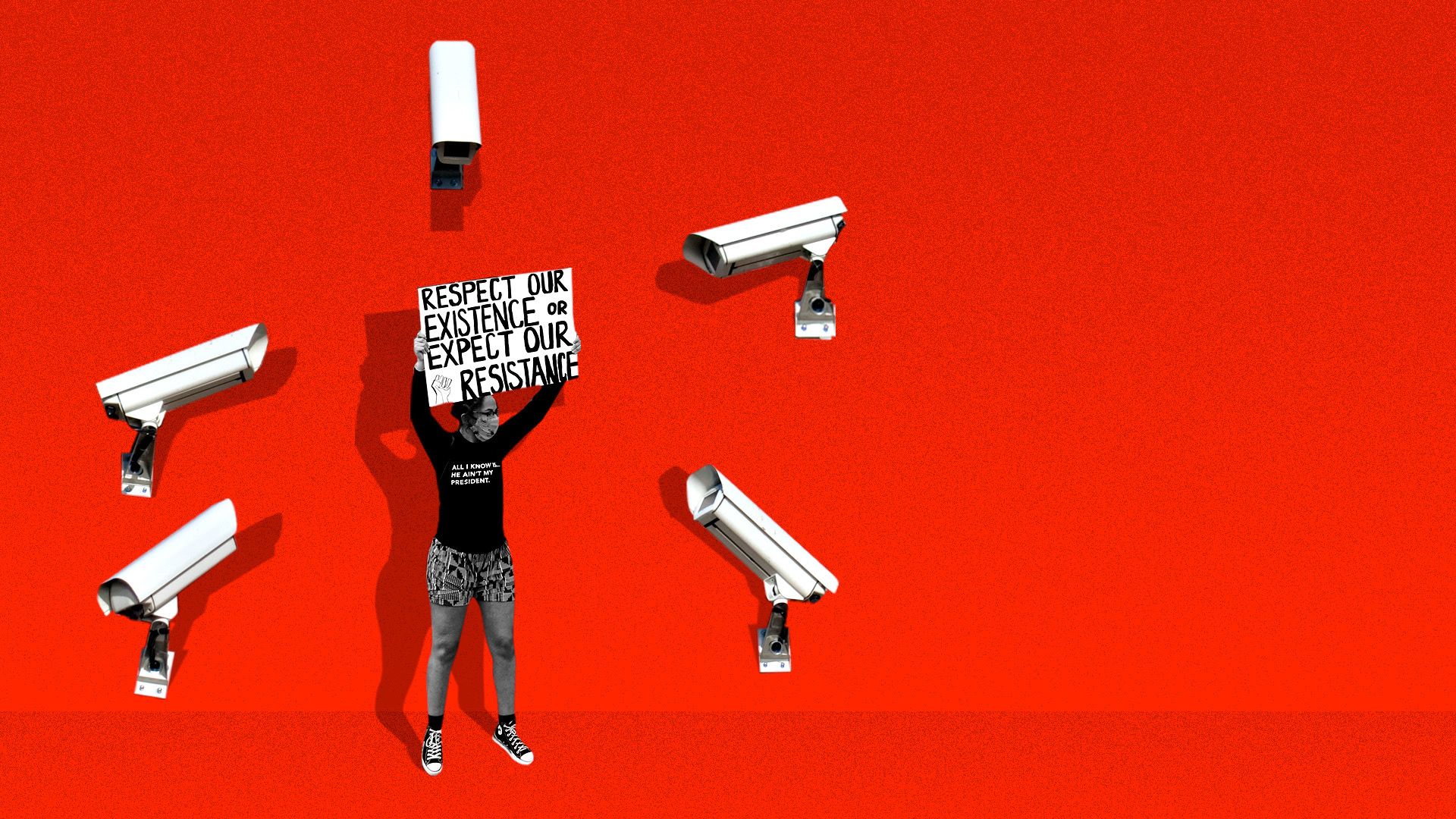
President Trump's call to treat antifa supporters like terrorists could be a green light for high-tech surveillance of dissidents.
Why it matters: It's unlikely the Trump administration can designate antifa as a terrorist group in any legally meaningful way, but the declaration gives law enforcement tacit approval to use a plethora of tech tools to monitor protesters and left-leaning activists.
Twitter on Tuesday disclosed in a government filing that ex-Google executive Patrick Pichette has been appointed chairman of the company’s board of directors, replacing Omid Kordestani, another former Google executive.
Why it matters: The switch comes months after Twitter reached an agreement with activist investor Elliott Management, which at the time was looking to replace CEO Jack Dorsey with a more-hands on chief executive.
Zoom saw revenue more than double and bulked up what had been a razor-thin profit margin in the three months ending April 30, the company reported Tuesday.
The big picture: The report marks Zoom's first of the pandemic era, as the company went from insurgent enterprise video-conferencing startup to global powerhouse.
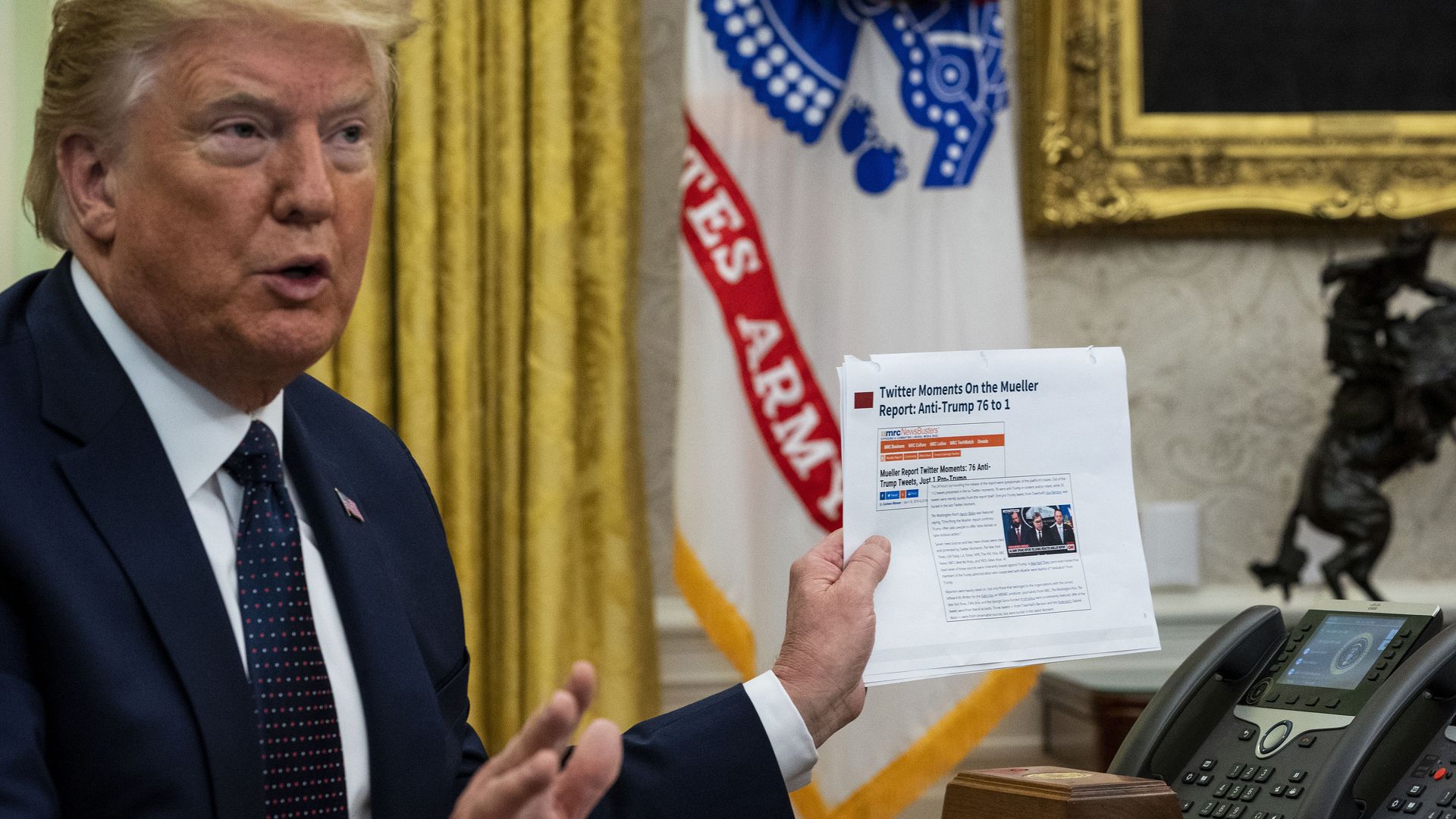
The Center for Democracy & Technology sued President Donald Trump on Tuesday, alleging his executive order on social media violates the First Amendment.
Driving the news: The nonprofit advocacy organization argues Trump was retaliating against Twitter for labeling his tweets, and asks a federal court to declare the order unlawful.
The lawsuit says the order "seeks to curtail and chill the constitutionally protected speech of all online platforms and individuals— by demonstrating the willingness to use government authority to retaliate against those who criticize the government."
"The President has made clear his intent to use threats of retaliation and future regulation to intimidate intermediaries into changing how they moderate content, essentially ensuring that the dangers of voter suppression and disinformation will grow unchecked in an election year," CDT President Alexandra Givens said in a statement.
Details: The executive order, signed last week by the president, targets the legal protections online platforms have from liability over content their users post.
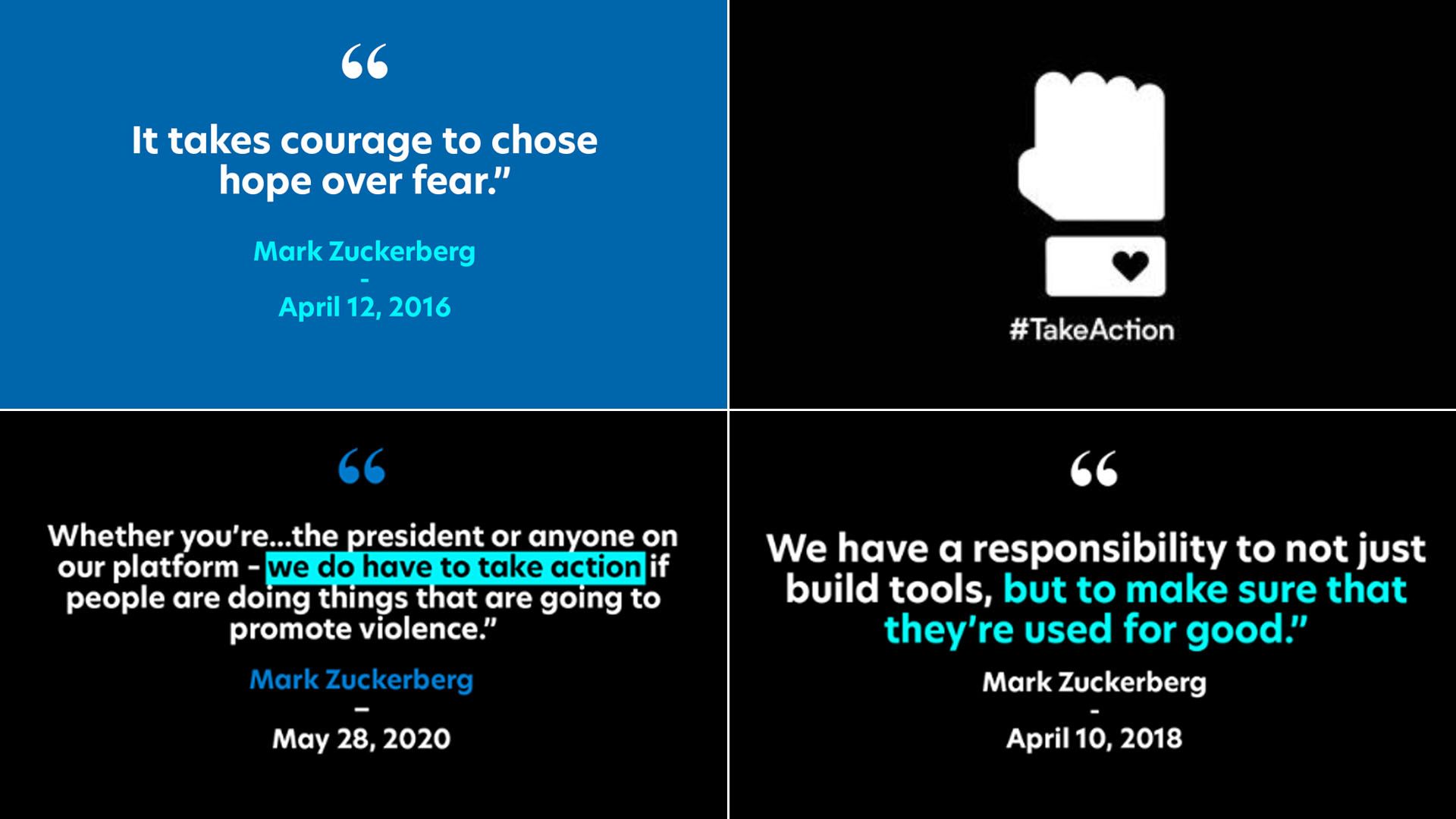
A new ad campaign is using CEO Mark Zuckerberg's own words to encourage Facebook employees to push their company to do a better job of keeping harmful content off its platforms.
What's happening: The targeted ads went live today on Facebook and come from newly launched Accountable Tech, which is spending "five figures" on the effort, Axios has learned. The campaign follows yesterday's employee walkout and rising internal dissent over Facebook's handling of President Trump's tweets.
Hundreds of Facebook employees yesterday walked off the job to protest the big blue app's refusal to pull certain posts from President Trump, days after Trump threatened to change the laws around social media in response to a Twitter fact-check. Dan digs into what comes next with attorney Stewart Baker, former Department of Homeland Security assistant secretary for policy.
Five of the most popular police scanner apps are experiencing a combined record number of downloads, as thousands of protestors look to take to the streets across American cities, according to new data from Apptopia.
Details: The apps allow users to listen to live audio from fire and police scanners, weather radios, air traffic and marine radios, etc. in real-time around the world.
As Facebook employees criticized the company for not moving against Trump's posts, Twitter took more action Monday against those using its platform to promote violence.
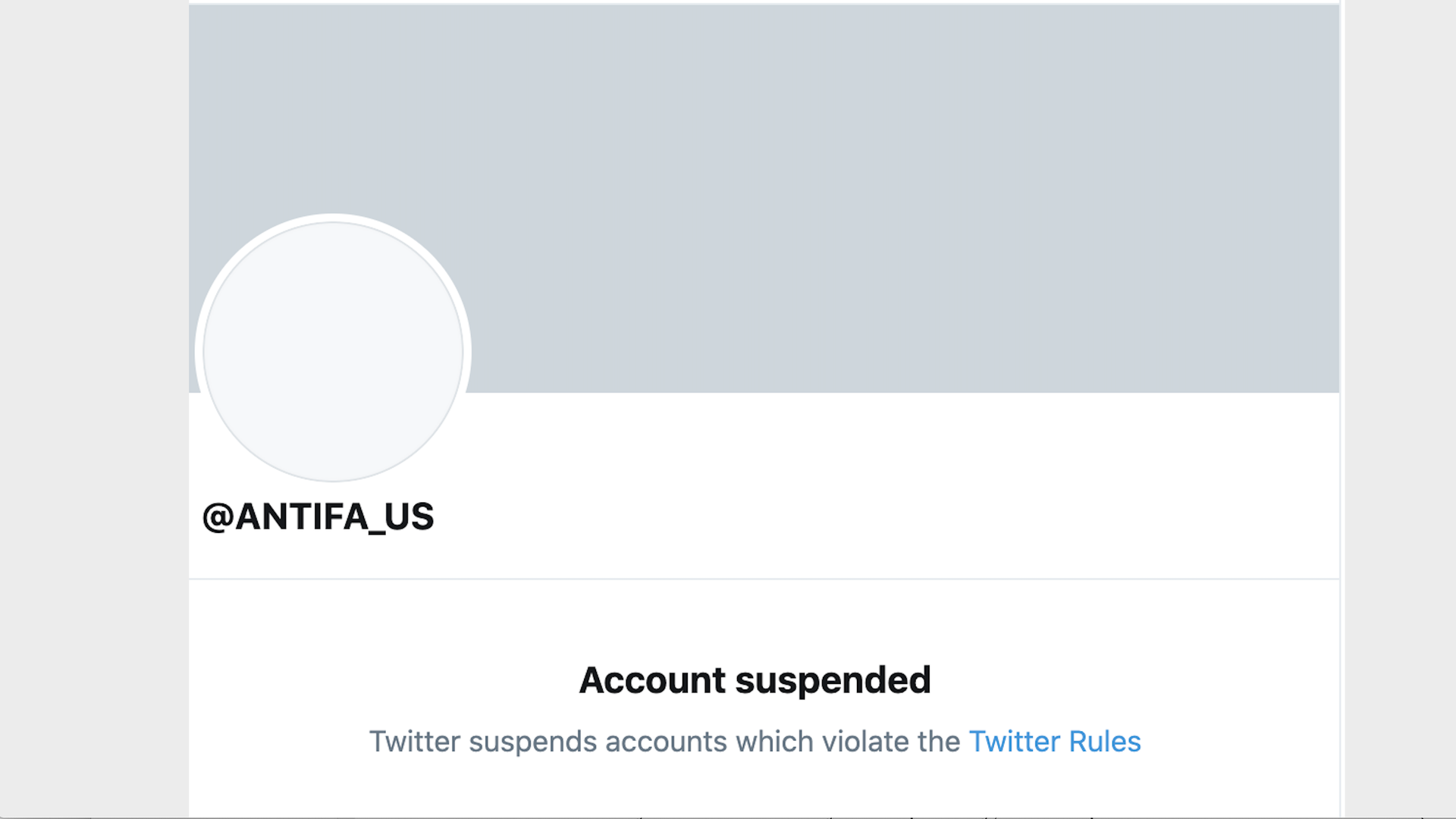
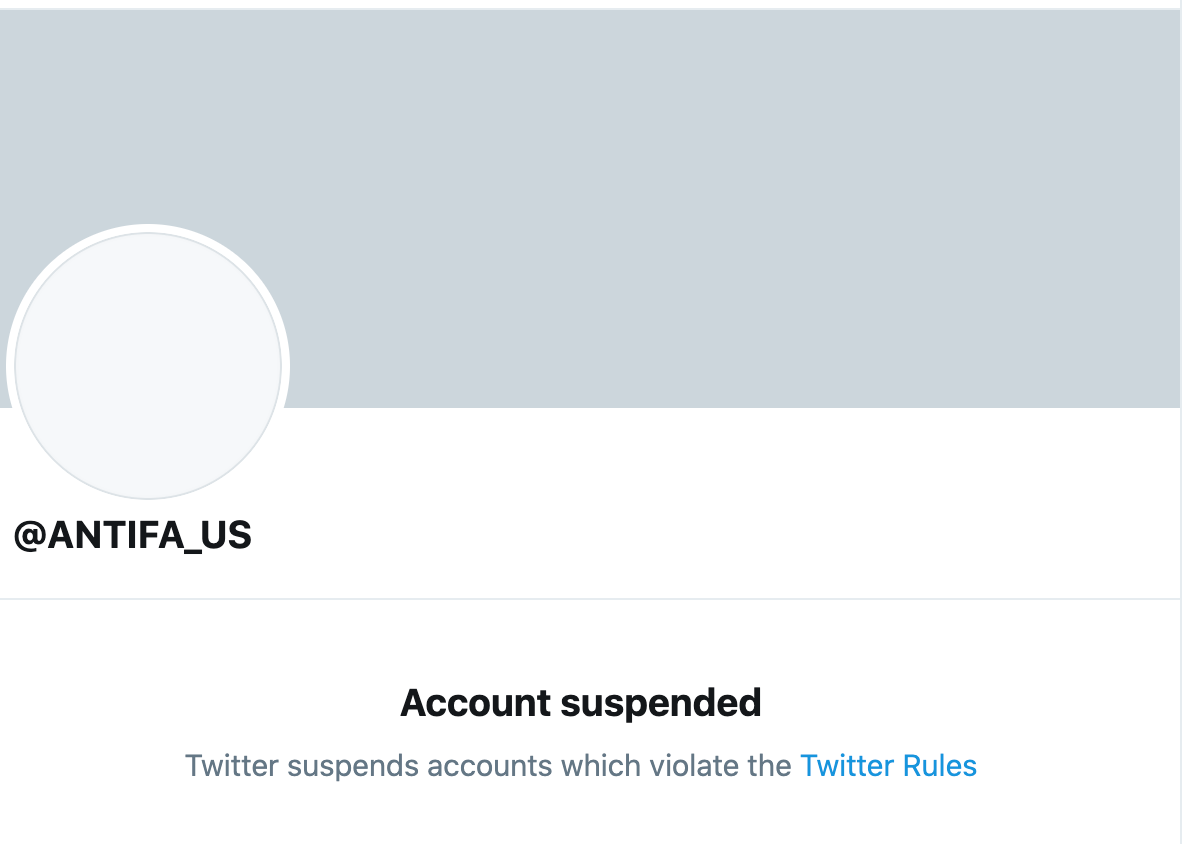
Driving the news: The company suspended a fake Antifa account linked to a white nationalist group and also flagged a tweet from Rep. Matt Gaetz (R-Fla.) that it said glorified violence.
Disgruntled Facebook employees, upset for days over the company's decision not to take down what they saw as calls for violence from President Trump, made their grievances public on Monday, with reportedly hundreds of workers staging a virtual walkout.
Why it matters: Facebook staffers have pushed back against controversial management choices in the past, but they've never before made public their dissent en masse. The protest suggests that the company — already battered by privacy scandals and political tensions — could be beginning to lose at least some of its workforce's trust.
A trio of civil rights leaders issued a blistering statement Monday following a meeting with Facebook CEO Mark Zuckerberg and other top executives to discuss the social network's decision to leave up comments from President Trump they say amount to calls for violence and voter suppression.
Why it matters: While Twitter has flagged two of the president's Tweets, one for being potentially misleading about mail-in ballot procedures and another for glorifying violence, Facebook has left those and other posts up, with CEO Mark Zuckerberg saying he doesn't want to be the "arbiter of truth."
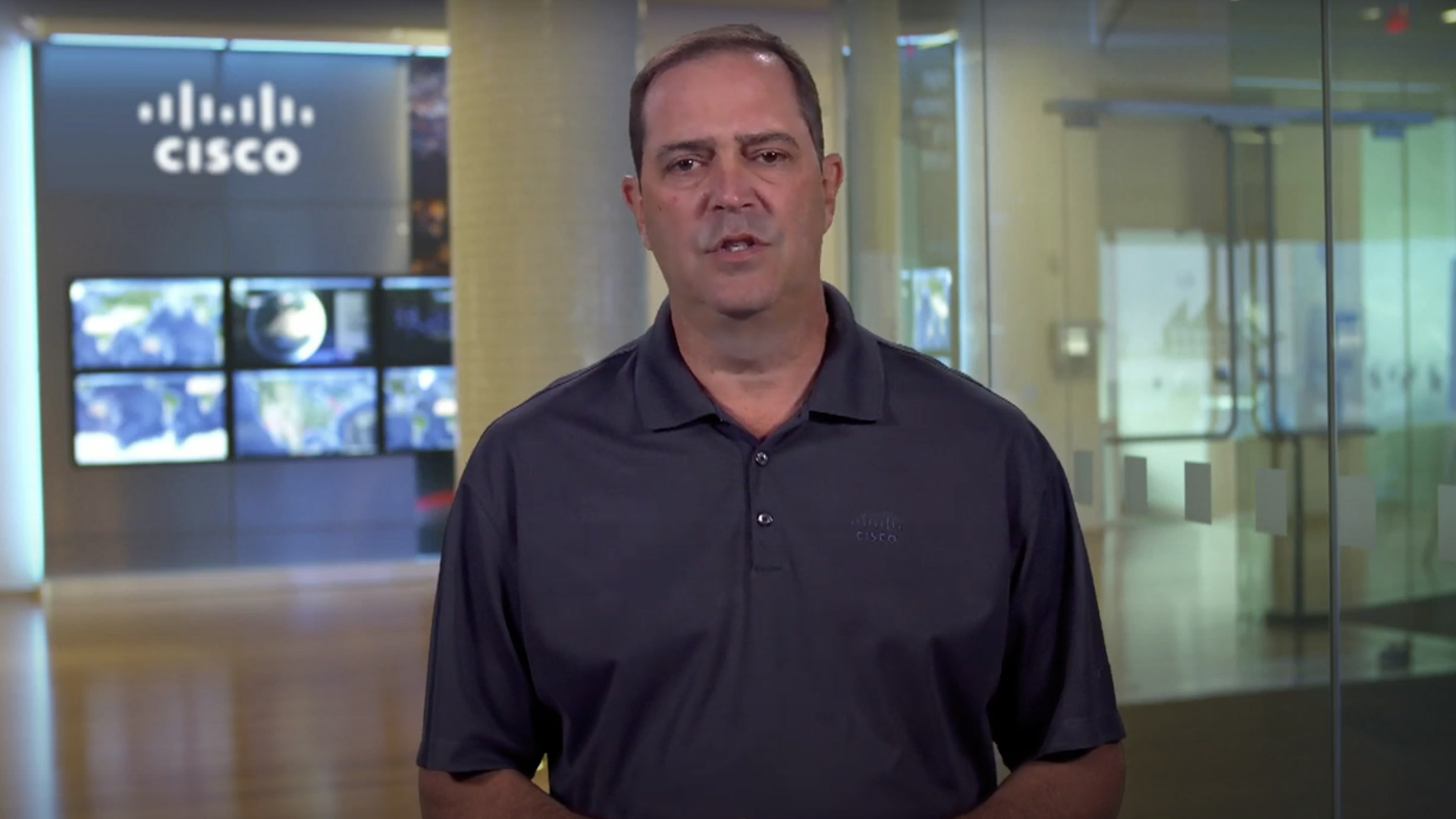
Cisco said Monday night that it is postponing the online version of Cisco Live, its major customer event, amid the ongoing protests that have followed the killing of George Floyd.
Why it matters: Cisco joins Sony, Electronic Arts and Google in delaying tech events planned for this week.
Twitter said Monday that it has suspended an account named "ANTIFA_US" which it says was tied to the white nationalist group Identity Evropa. Over the weekend, the account had called for violence and its posts had widely circulated online.
Why it matters: It's the latest example of social media being used to exploit and sharpen the very real divisions in American society. It's also the latest example of Twitter more aggressively rooting out false information on its platform.