Federal and state antitrust enforcers have been gathering thoughts from privacy-focused search engine DuckDuckGo about potential remedies to address competitive harms stemming from Google's dominance in search.
Why it matters: The Justice Department and states are reportedly preparing to bring antitrust cases against Google this year. The remedies they're feeling out now could feature in the concessions they may seek from Google, either in court or through a settlement.
Dan and Axios' Mike Allen dig into the relationship between Silicon Valley and Washington D.C., ahead of the November election. Plus, a very important announcement.
Facebook said Thursday it will begin blocking state-controlled media outlets from buying advertising in the U.S. this summer. It's also rolling out a new set of labels to provide users with transparency around ads and posts from state-controlled outlets. Outlets that feel wrongly labeled can appeal the process.
Why it matters: Nathaniel Gleicher, Facebook's head of security policy, says the company hasn't seen many examples yet of foreign governments using advertising to promote manipulative content to U.S. users, but that the platform is taking this action out of an abundance of caution ahead of the 2020 election.
Social media companies are finally beginning to take action on posts from world leaders that violate their policies, after years of letting them mostly say whatever they wanted unfiltered to millions of people.
Why it matters: Government officials are among the users most likely to abuse the wide reach and minimal regulation of tech platforms. Mounting pressure to stop harmful content from spreading amid the coronavirus pandemic, racial protests and a looming U.S. election has spurred some companies to finally do something about it.
A new report seen first by Axios details the global security risks posed by emerging technologies like AI and gene editing.
Why it matters: Rising populism, as well as the disruptive effects of the COVID-19 pandemic, has already eaten away at the postwar global order. Now powerful new technologies threaten to widen the gap between what we can do and what we can control.
Google faces a new lawsuit seeking at least $5 billion over accusations the company profits off of using its ad tech to track people across the internet, even when they take steps to mask their browsing.
The big picture: Google, like other tech giants, has faced rising scrutiny in recent years over its collection and use of private data, and policymakers and advocates have looked to how it uses ad tech as a possible avenue for curbing its power.
In a letter released last month, an ideologically diverse group of senators and congressmen, led by Sen. Ron Wyden (D-Ore.), wrote to the Senate’s sergeant at arms and the House’s chief administrative officer requesting that all calls on unclassified lines between the House and Senate be encrypted, in order to prevent foreign spying.
Why it matters: According to the letter, first reported by The Verge, calls within the Senate were not encrypted until August 2018, making them “vulnerable to interception by any hacker or foreign government that gained access to the Senate’s internal network.”
Snapchat will no longer promote President Trump's account on its "Discover" page of curated content, a spokesperson tells Axios, after Trump tweeted comments that some suggested glorified violence amid racial justice protests.
Why it matters: Snapchat is taking action on the president's account for comments he made elsewhere. That's going further than other Big Tech firms and signals a commitment to aligning content served to users with core values, rather than making moderation decisions based narrowly on each post made on its own platform.
A leading Chinese gene sequencing and biomedical firm that said it would build a gene bank in Xinjiang is supplying coronavirus tests around the world.
Why it matters: U.S. officials are worried that widespread coronavirus testing may provide an opportunity for state-connected companies to compile massive DNA databases for research as well as genetics-based surveillance.
At a contentious online meeting with Facebook staff Tuesday, CEO Mark Zuckerberg defended his decision not to act against controversial messages posted by President Trump.
Why it matters: Facebook had gotten a brief reprieve from intense criticism over speech issues as the world grappled with the coronavirus and the platform served as a communications lifeline for many. That reprieve appears to be over — and the divisions of this moment are spreading inside the company now as well.
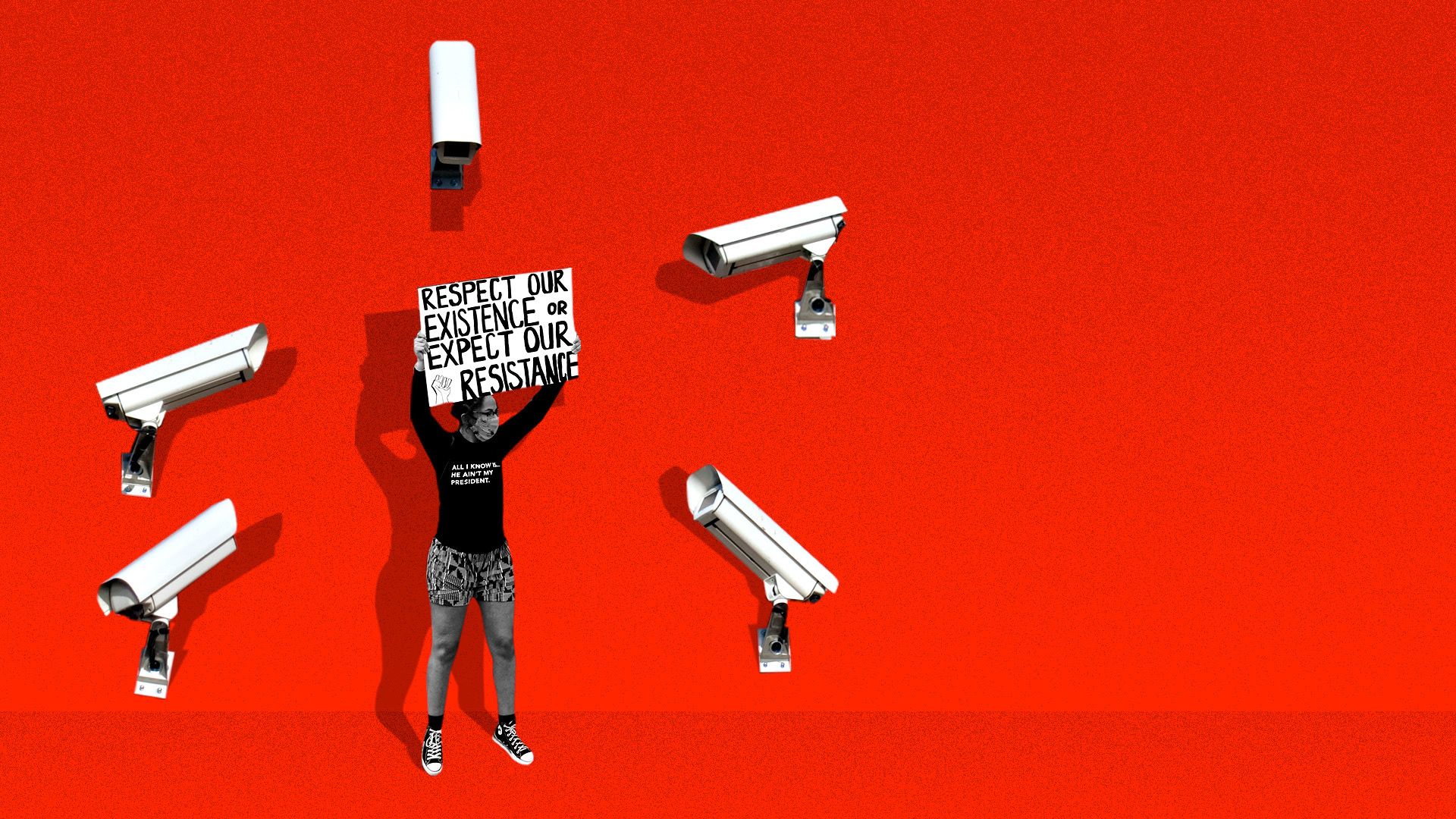
President Trump's call to treat antifa supporters like terrorists could be a green light for high-tech surveillance of dissidents.
Why it matters: It's unlikely the Trump administration can designate antifa as a terrorist group in any legally meaningful way, but the declaration gives law enforcement tacit approval to use a plethora of tech tools to monitor protesters and left-leaning activists.



/2020/06/04/1591284830187.gif?w=3840)