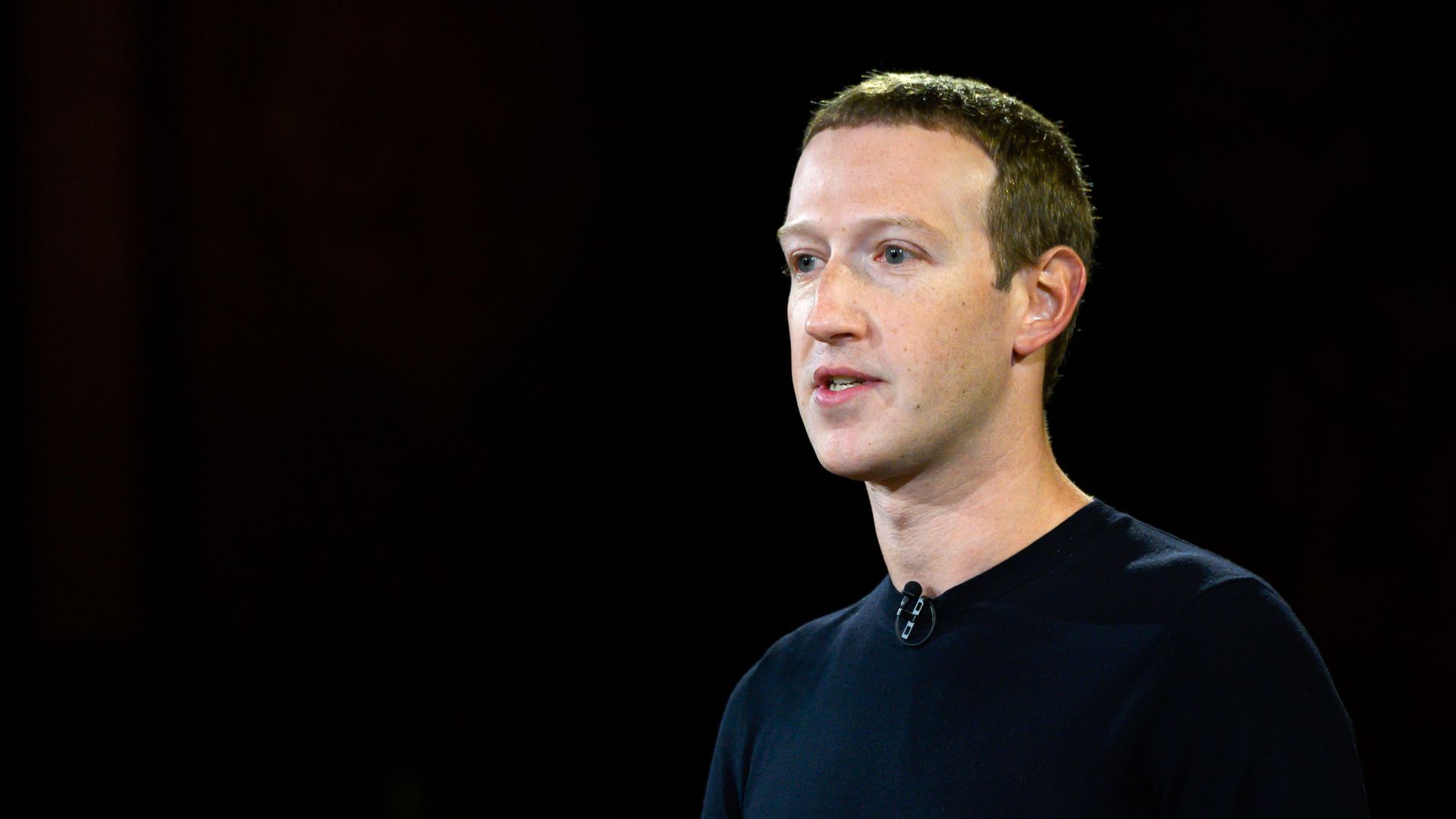
Facebook CEO Mark Zuckerberg announced on Friday that the company will review a number of its policies and decision-making processes, including for content about state use of force.
Why it matters: Facebook has faced backlash for its decision to leave up a post from President Trump because it didn't violate the social media company's policy about inciting violence.
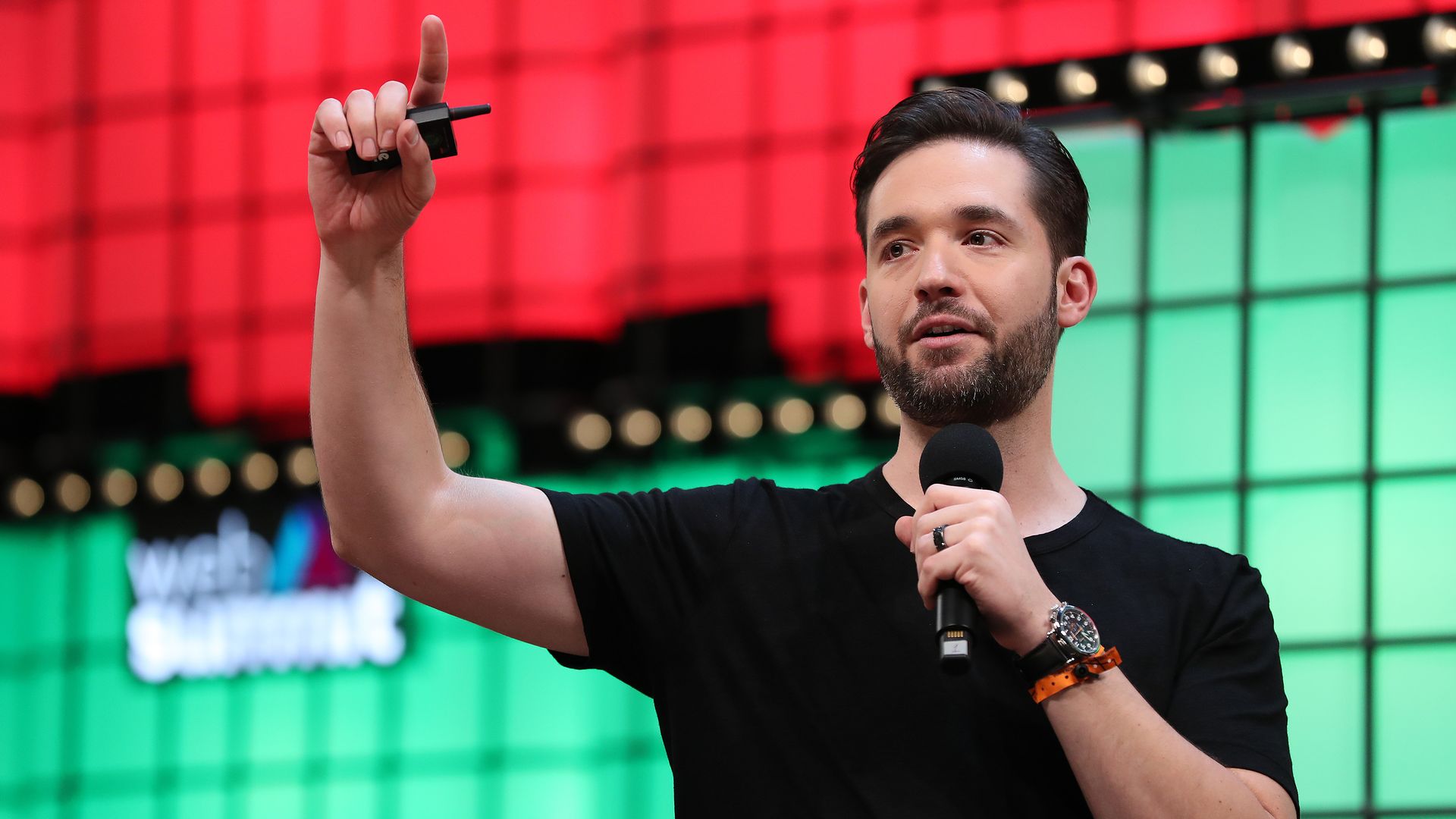
Reddit co-founder Alexis Ohanian, a venture capitalist who has championed civic causes such as stronger parental leave policies, is resigning from the board of the company he helped create, he announced Friday on Twitter.
Why it matters: His resignation comes amid increased scrutiny against Reddit for the way it moderates the content on its platform, including former executives.
A new study from the insurance industry that suggests automated vehicles will stop only about one-third of crashes is a reminder that much of what we hear and read about AVs should be taken with a grain of salt.
The big picture: Human error plays a role in 94% of crashes, according to U.S. government statistics, which is why automation is often held up as a potential life saver.
As cord-cutting becomes increasingly prevalent, live sports — one of the last bastions representing the age of cable TV — represent a major opportunity for streamers and tech giants to set themselves apart from the pack.
Driving the news: Apple has hired Amazon executive Jim DeLorenzo to head up sports for Apple TV, signaling its intent to lean more heavily into sports programming and potentially invest millions in live sports rights.
As controversies around online speech rage against a backdrop of racial tension, presidential provocation and a pandemic, a handful of companies, lawmakers and advocacy groups have continued to promote a backlash against Big Tech.
The big picture: Companies like Facebook and Google got a reputational boost at the start of the coronavirus lockdown, but that respite from criticism proved brief. They're now once again walking a minefield of regulatory investigations, public criticism and legislative threats over antitrust concerns, content moderation and privacy concerns.
Federal and state antitrust enforcers have been gathering thoughts from privacy-focused search engine DuckDuckGo about potential remedies to address competitive harms stemming from Google's dominance in search.
Why it matters: The Justice Department and states are reportedly preparing to bring antitrust cases against Google this year. The remedies they're feeling out now could feature in the concessions they may seek from Google, either in court or through a settlement.
Dan and Axios' Mike Allen dig into the relationship between Silicon Valley and Washington D.C., ahead of the November election. Plus, a very important announcement.
Facebook said Thursday it will begin blocking state-controlled media outlets from buying advertising in the U.S. this summer. It's also rolling out a new set of labels to provide users with transparency around ads and posts from state-controlled outlets. Outlets that feel wrongly labeled can appeal the process.
Why it matters: Nathaniel Gleicher, Facebook's head of security policy, says the company hasn't seen many examples yet of foreign governments using advertising to promote manipulative content to U.S. users, but that the platform is taking this action out of an abundance of caution ahead of the 2020 election.
Social media companies are finally beginning to take action on posts from world leaders that violate their policies, after years of letting them mostly say whatever they wanted unfiltered to millions of people.
Why it matters: Government officials are among the users most likely to abuse the wide reach and minimal regulation of tech platforms. Mounting pressure to stop harmful content from spreading amid the coronavirus pandemic, racial protests and a looming U.S. election has spurred some companies to finally do something about it.








/2020/06/04/1591284830187.gif?w=3840)