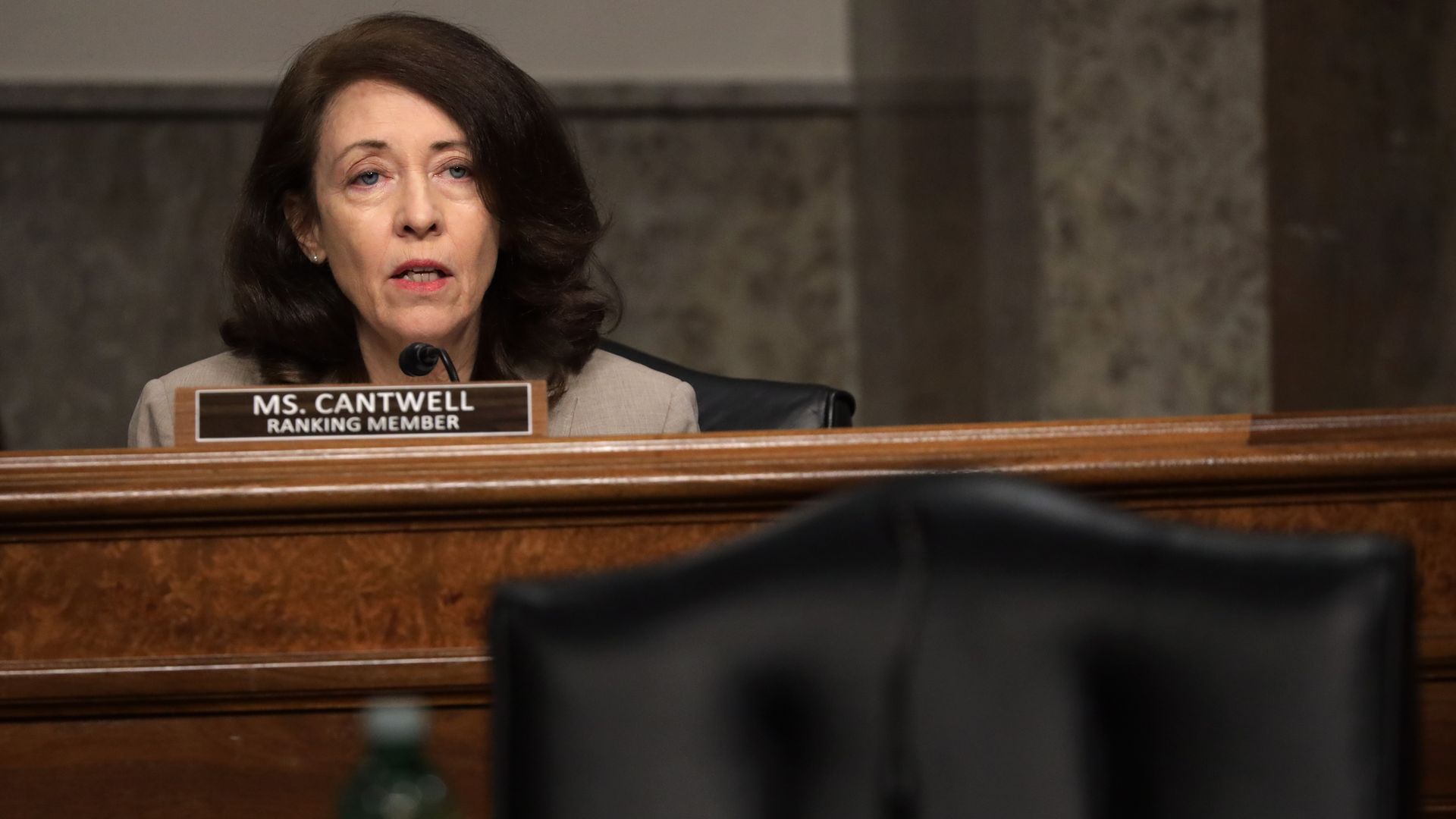
Senators are preparing today to introduce bipartisan legislation that would require commercial contact-tracing and exposure notification apps to only be deployed in collaboration with public health authorities.
Why it matters: Lawmakers are trying to put privacy safeguards in place as health officials look to use tech — including a Bluetooth-based system from Apple and Google — to help Americans learn if they've come into contact with someone infected with the coronavirus.
A Stanford law professor who co-chairs the newly created independent oversight board tasked with reviewing the toughest issues related to Facebook is embroiled in a free speech controversy of his own.
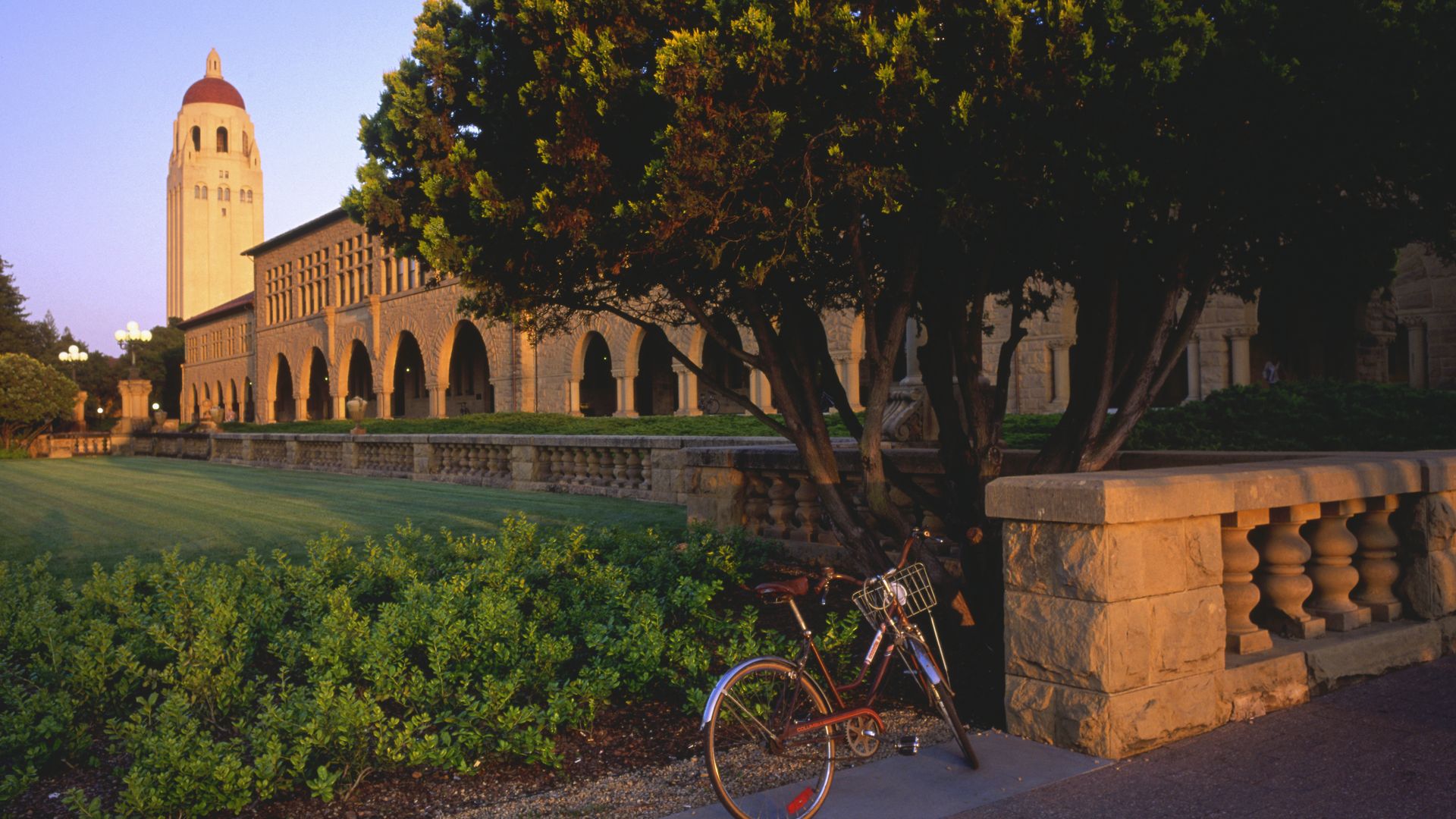
Driving the news: Michael McConnell, a scholar and former federal judge with a conservative-libertarian bent, recently read his class a quote that included a racial epithet used historically to slur African Americans, prompting wide discussion on campus and a letter from the Black Law Students Association.
"Dozens" of Facebook employees staged a "virtual walkout" Monday over the company's decision not to take action against President Trump's provocative messages in the face of nationwide protests against police violence, the New York Times reports.
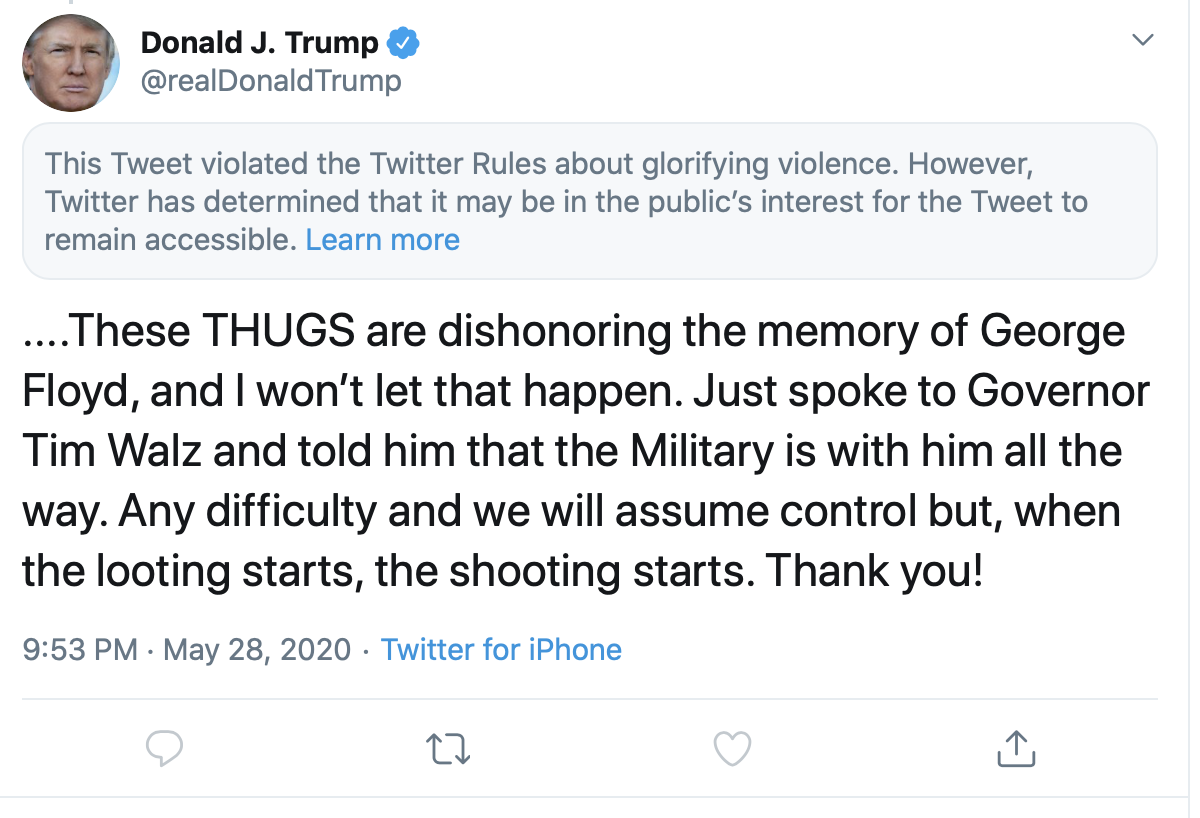
Why it matters: While Twitter added fact-check labels and hid the president's most inflammatory tweet — "when the looting starts, the shooting starts" — Facebook has said Trump's statements do not violate its policies and that the platform aims to promote free speech.
Zynga agreed to buy Turkish mobile-game maker Peak for $1.8 billion, split evenly between cash and stock.
Why it matters: It's the largest acquisition ever for Zynga, once one of the hottest Web 2.0 names in Silicon Valley, and has helped surge its stock to levels not seen since 2012.
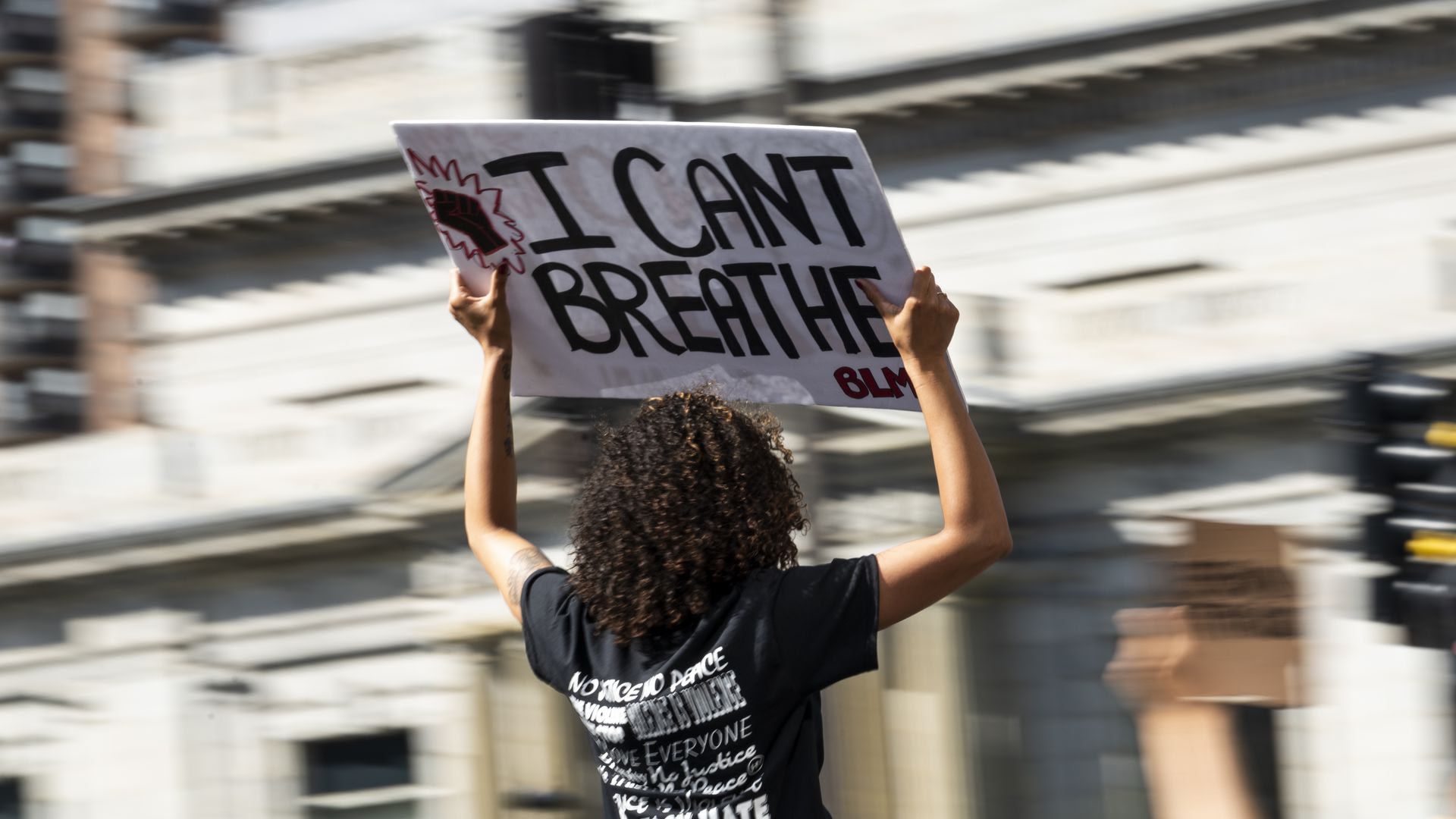
An explosive weekend in America sent Silicon Valley grasping for moral clarity. While many companies and executives spoke out against racial inequities, critics and even some of the rank-and-file found some of the companies' responses lacking.
Why it matters: Tech companies have giant platforms, and their leaders have become public figures, many of them household names. History will record their words and actions — which, in the case of platforms like Facebook, Twitter and YouTube, directly shape the bounds of public discourse.
A narrow majority of Americans believe Twitter was right to flag one of President Trump's tweets as violating its rules on violence, according to a National Research Group survey being released later Monday.
Yes, but: As with nearly everything right now, there's a sharp partisan and ideological divide.
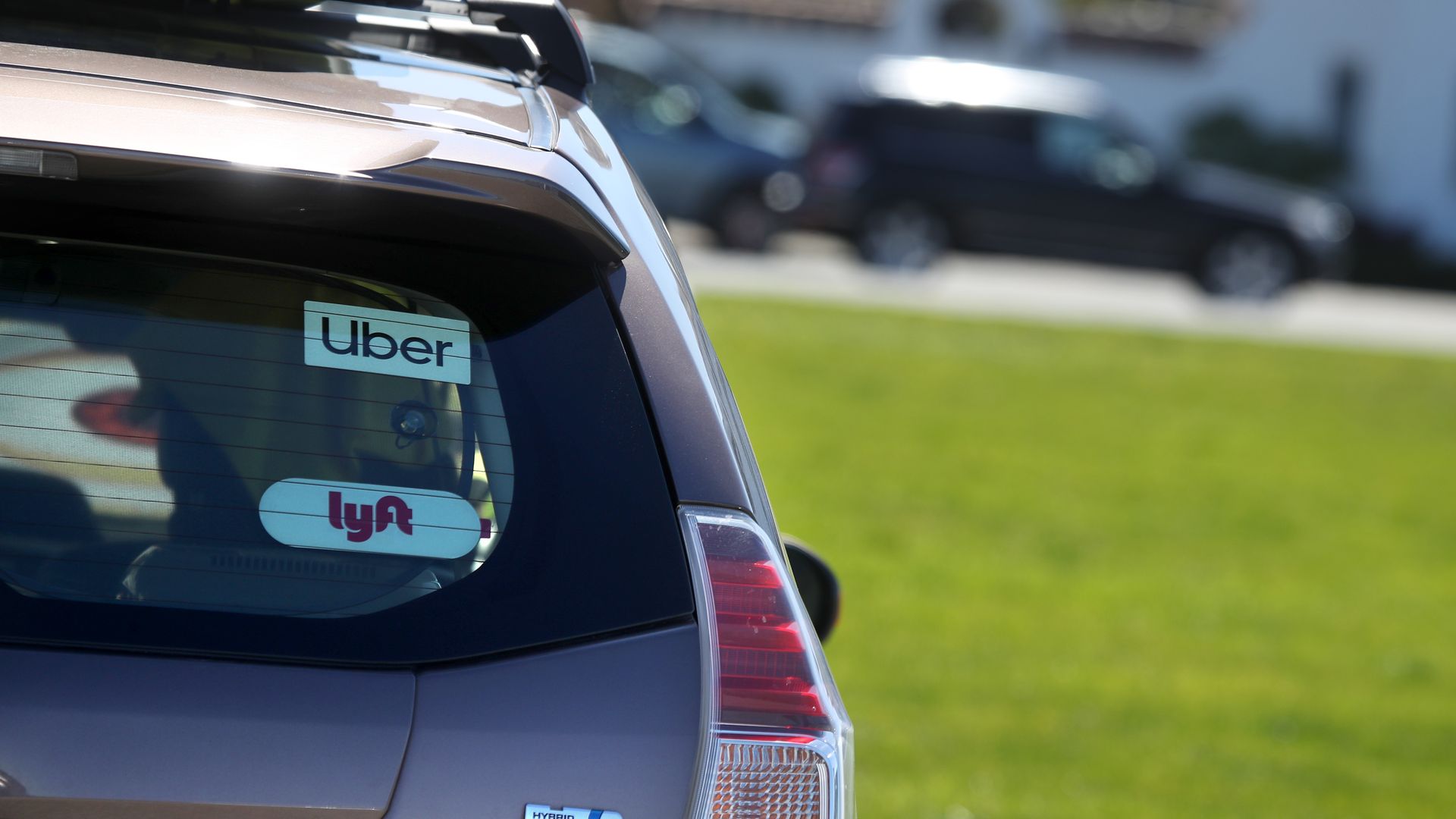
Ride-hailing and delivery companies Uber, Lyft, DoorDash, and Postmates suspended service in some cities at the request of local officials during this weekend's curfews amid protests over the death of George Floyd and other police-related killings of black people.
Why it matters: Curfews are stricter than shelter-in-place orders, which remain effective in several cities, and could be enforced more rigorously.
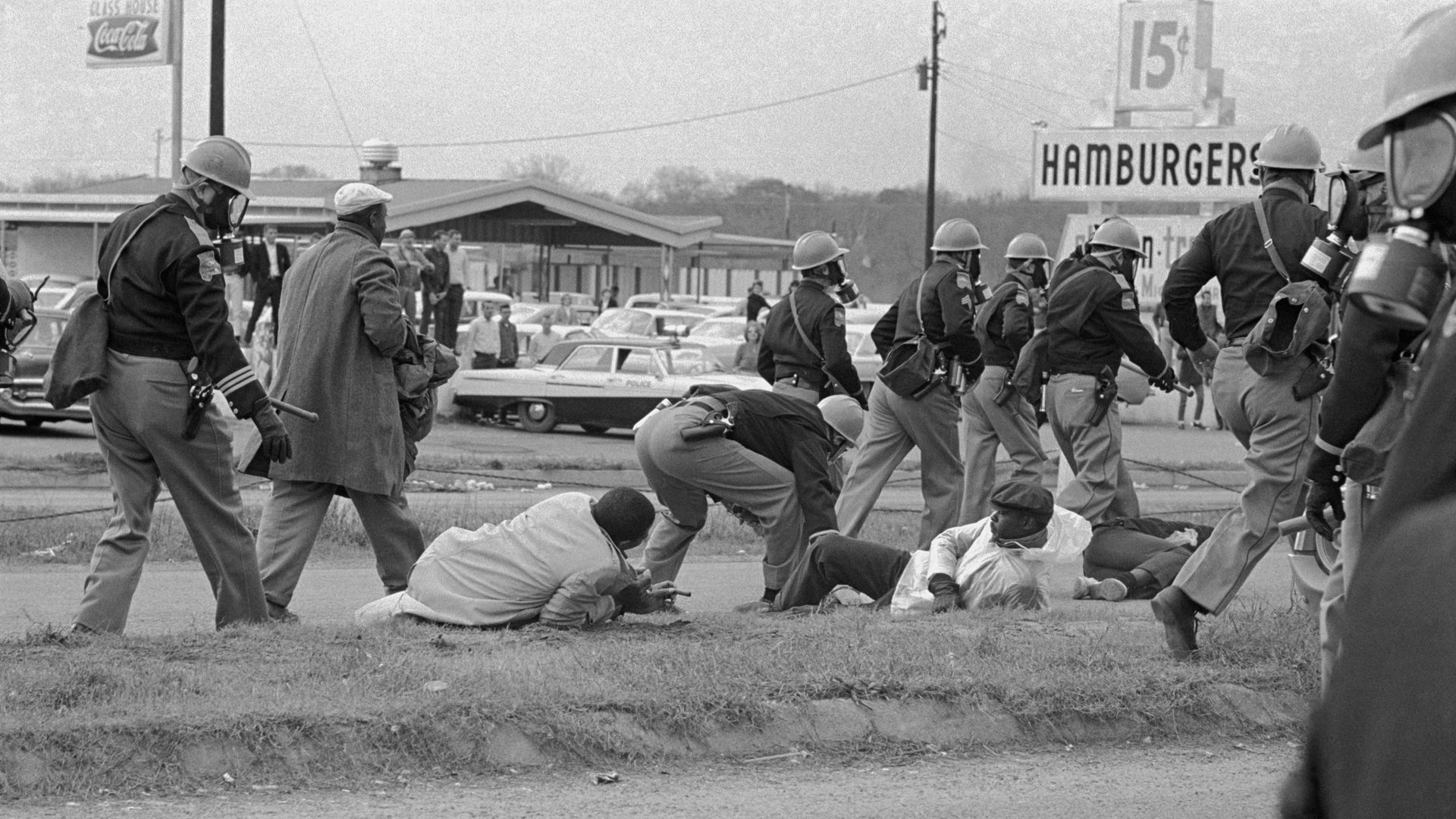
The ways Americans capture and share records of racist violence and police misconduct keep changing, but the pain of the underlying injustices they chronicle remains a stubborn constant.
Driving the news: After George Floyd's death at the hands of Minneapolis police sparked wide protests, Minnesota Gov. Tim Walz said, “Thank God a young person had a camera to video it."
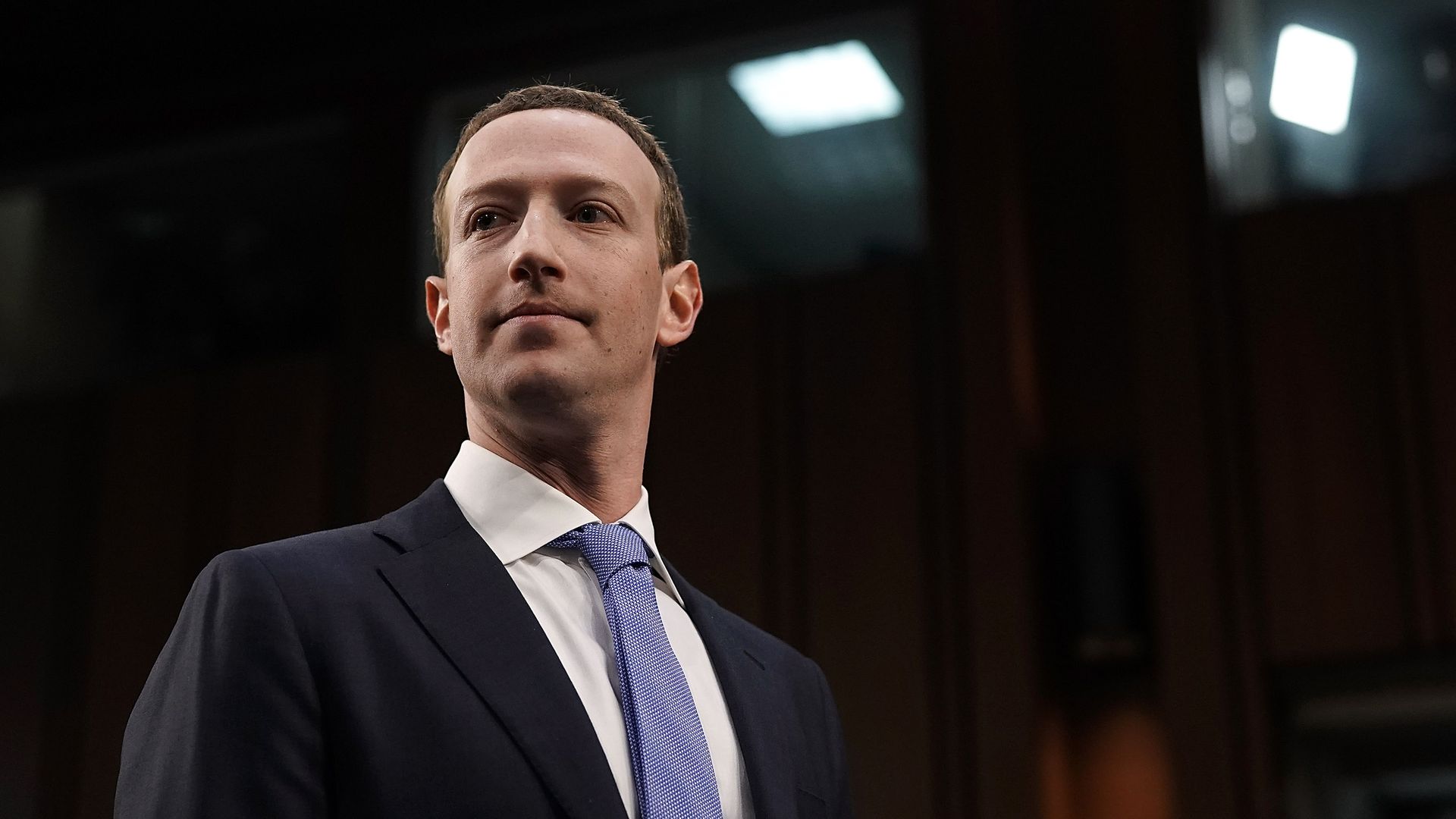
In the week that President Trump took on social media, Axios has learned that he had a call Friday with Facebook CEO Mark Zuckerberg that was described by both sides as productive.
Why it matters: With the White House and Twitter at war, Facebook has managed to keep diplomatic relations with the world's most powerful social-media devotee.