Disclosing YouTube revenue separately for the first time, Alphabet said Monday that the Google-owned video site accounted for more than 10% of the company's $46.1 billion in revenue last quarter, and more than $15 billion for the year.
Why it matters: Everyone knew YouTube was a big business, but until now, we didn't know exactly how big.
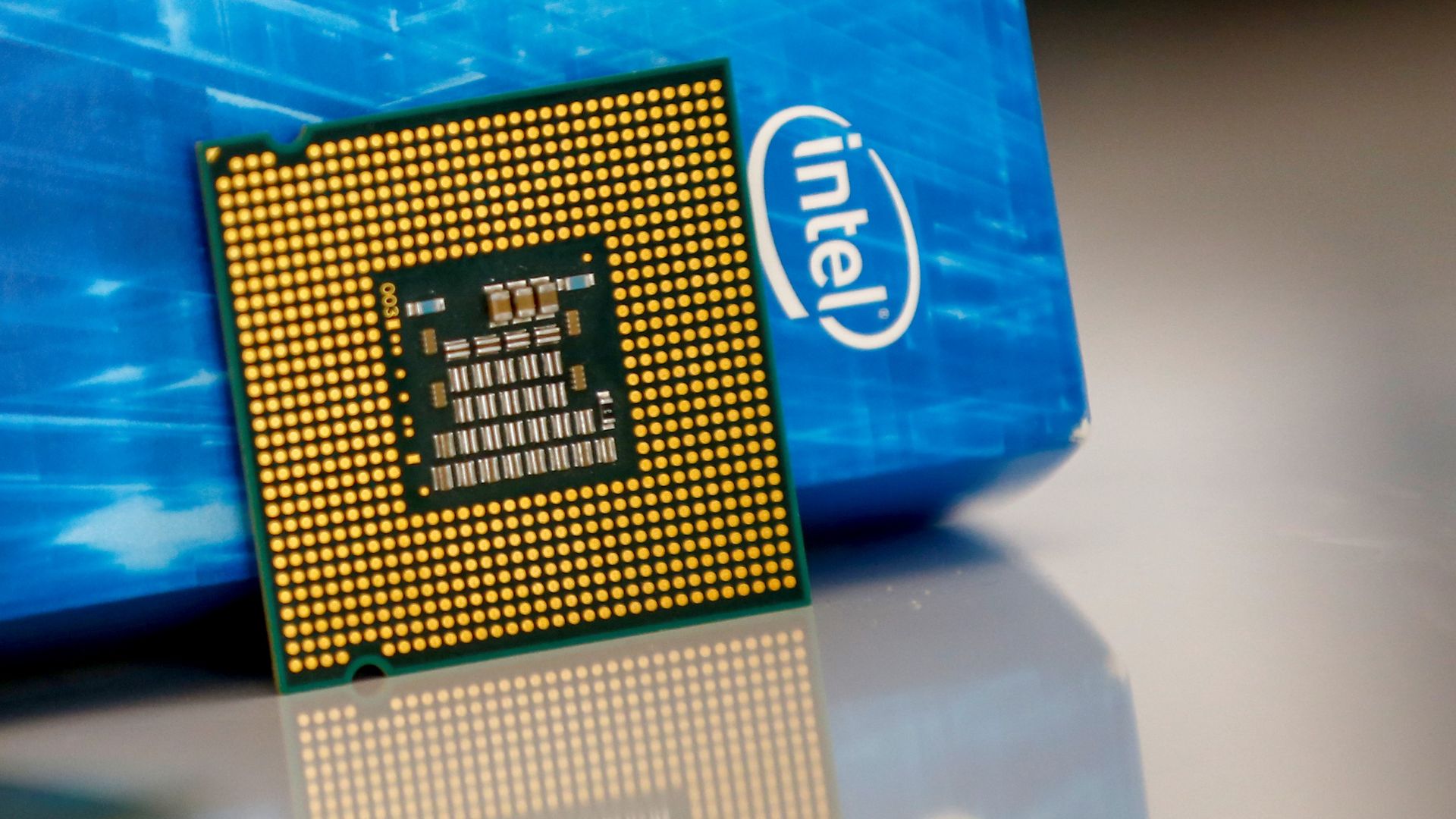
Intel is dropping development of the line of neural network processors it acquired through its $400 million purchase of AI chipmaker Nervana in 2016.
Why it matters: The move comes amid continued competition from Nvidia and others and follows Intel's purchase in December of Habana Labs, another startup in the AI chip space.
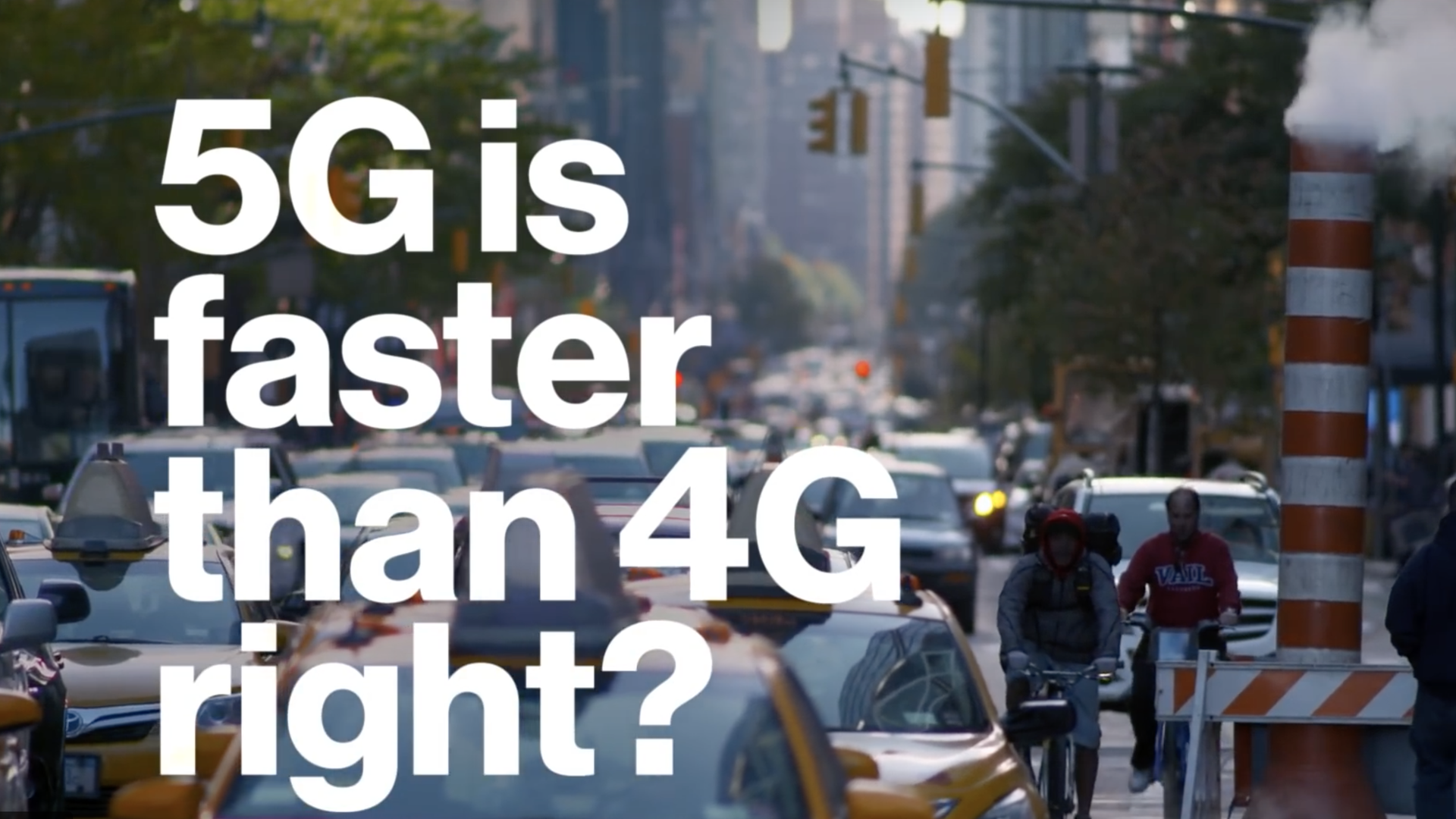
The 49ers and Chiefs weren't the only ones trying to score some points on Super Bowl Sunday as Verizon and T-Mobile used football's big day to trade shots over each other's 5G networks.
Why it matters: 5G is starting to arrive, but in different flavors and at different speeds — and with all the heavy marketing hype and consumer confusion that has accompanied past transitions from one generation of wireless to the next.
The spats between TV distributors and networks that grew out of the cable and satellite era are beginning to spill over into the streaming world.
Why it matters: Consumers that cut the cord to avoid paying for expensive TV packages are going to be susceptible to some of the same problems, like programming blackouts, that they had with traditional television.
YouTube will bar videos that lie about the mechanics of an election, the company announced in a blog post Monday, but indicated it remains reluctant to crack down more broadly on deceptive political speech, as some critics have demanded.
Why it matters: YouTube's content policies — which are separate from the advertising policies Google outlined in the fall — do not ban political falsehoods at a time when tech platforms are under fire to limit misinformation about candidates and elections.