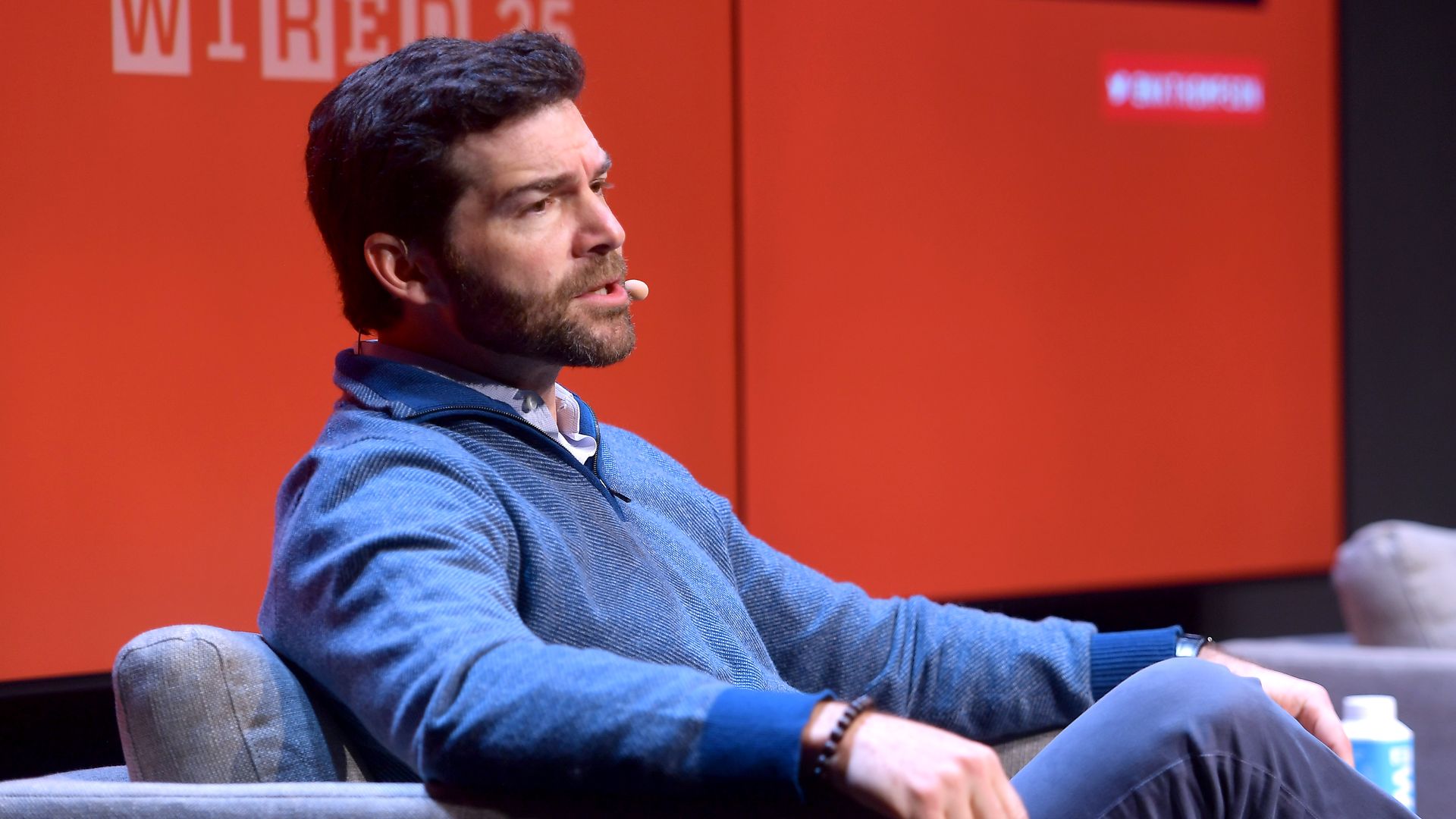
Jeff Weiner is stepping down as LinkedIn's CEO after 11 years in the job, handing the reins to the company's product chief Ryan Roslansky and becoming executive chairman.
Why it matters: Weiner has been one of Silicon Valley's most durable executives, steering LinkedIn through a 2011 IPO and then a $26 billion acquisition by Microsoft in 2016.
Two major telecom players — Korea's LG and China's ZTE — are scaling back their presence at the upcoming Mobile World Congress out of concerns related to the coronavirus outbreak.
Why it matters: Mobile World Congress, held at the end of February in Barcelona, is the key trade show for the cell phone industry, and its selling point is the way it brings a very global industry together in one place.
In its latest move to counteract a perceived threat from Huawei, the Trump administration proposed a new approach to 5G networks that would rely on virtualization and other features to give U.S. companies a broader role, as first reported by the Wall Street Journal.
Why it matters: Right now, none of Huawei's traditional networking gear rivals are U.S.-based, and their products are typically more expensive than Huawei's.
Federal agencies are stepping up efforts to crack down on illegal robocalls by going after the phone companies that connect or enable them.
Why it matters: Robocalls number in the billions each month, according to data from YouMail. Federal agencies are responding by expanding their focus beyond the scam callers themselves.
Snap Inc.'s stock was down 11% Tuesday in after-hours trading after the company reported it fell short on Wall Street's revenue expectations.
Yes, but: The company otherwise did pretty well. It turned its first-ever profit on an adjusted basis and grew its user base for the fourth consecutive quarter. It also provided positive guidance for the quarter ahead.
Twitter on Tuesday announced a new policy aimed at discouraging the spread of deepfakes and other manipulated media, but the service will only ban content that threatens people's safety, rights or privacy.
Why it matters: Tech platforms are under pressure to stanch the flow of political misinformation, including faked videos and imagery. Twitter's approach, which covers a wide range of material but sets narrow criteria for deletion, is unlikely to satisfy critics or politicians like Joe Biden and Nancy Pelosi — who have both slammed platforms for allowing manipulated videos of them to spread.
eBay's shares rose nearly 10% on Tuesday after the Wall Street Journal reported New York Stock Exchange owner Intercontinental Exchange made a takeover offer for the e-commerce site.
The big picture: Intercontinental Exchange has previously approached the commerce giant, WSJ writes, citing people familiar with the matter. Still, the companies are not in formal talks and a deal remains uncertain.
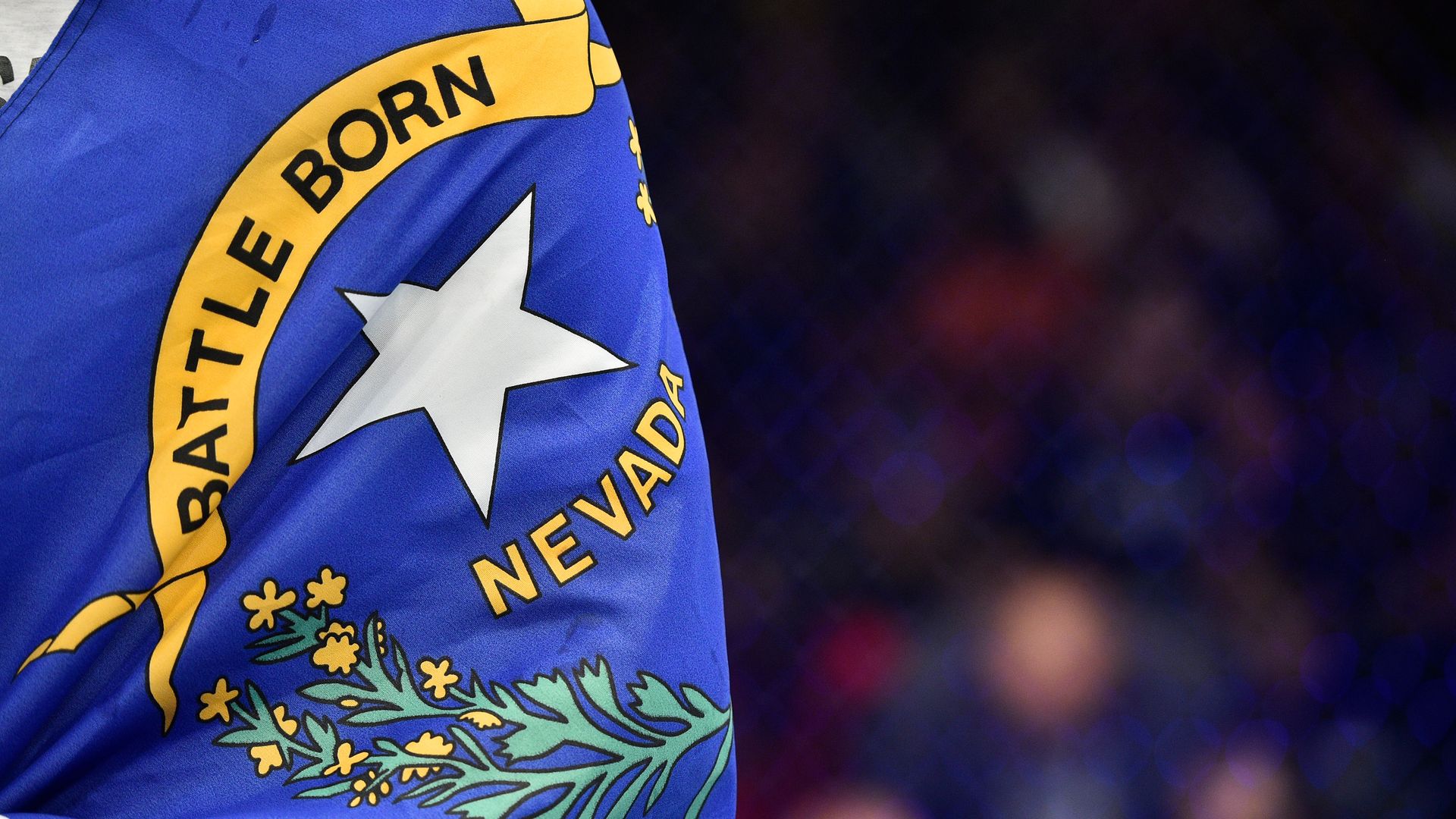
Our thought bubble: When software introductions fail as badly as Iowa's just did, engineers typically "roll back" their system to its last previously functioning state. For Nevada's Democrats, that's likely to mean turning back the clock to the way they did it four years ago.
Intuit held a daylong trans summit last week that looked at the experiences of its own trans workers as well as bringing in trans youth from the GenderCool Project to get their perspective.
Why it matters: Historically, the discussion around transgender people in tech has focused a lot on workers that have transitioned at some point in their working careers. But many in the next generation of workers are entering the workforce as their authentic selves.
The disastrous rollout of the Iowa Democratic Party's new vote-reporting app Monday night looks to go down as a software train wreck for the ages.
The big picture: Coding disasters have been with us as long as there's been software, and in the past they've led to exploding space missions and lethal doses of radiation for cancer patients. In this case, the failure of a new app, followed by long delays with a phone-reporting backup system, seems to have crippled the calendar-leading Iowa Democratic caucuses — adding a fresh element of instability to our troubled election system.
Ancestry.com refused to comply with a search warrant pushed by a Pennsylvania court for police to gain access to its database of about 16 million DNA profiles, the company confirmed to Axios via email Monday night.
Why it matters: Per Axios' Kim Hart, firms that trace customers' ancestry have amassed huge DNA databases. Some have agreed to share access with law enforcement. The privacy questions this raises could become a "Supreme Court issue," retired investigator Paul Holes, who led the 2018 Golden State Killer case that used genetic data to identify the suspect, earlier told BuzzFeed, which first reported Ancestry's stand.
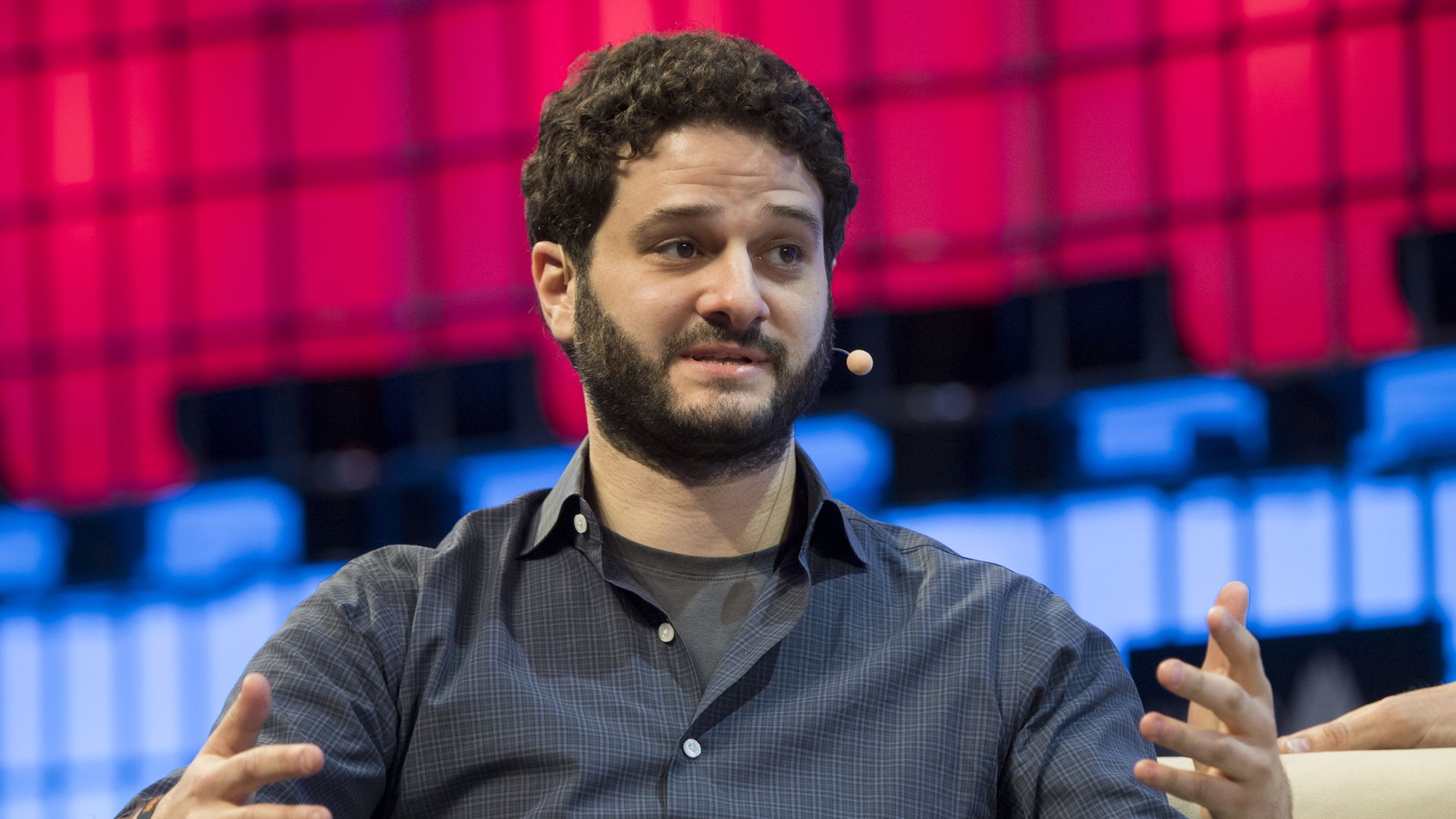
Asana, a San Francisco-based maker of project management software, said on Monday that it has confidentially filed with the SEC to go public, with a spokesperson confirming it will be via direct listing — making it only the third to do so after Spotify and Slack.
Why it matters: This alternative route has become a hot topic in the past year in Silicon Valley, with some vocal proponents touting its benefits, such as more market-based stock pricing and letting employees sell their stock earlier. Asana could go public before Airbnb, which has also been rumored to be considering a direct listing.