The Trump administration is using private data to monitor immigration and the border, thanks to a massive database of cellphone records it purchased from private vendors.
Why it matters: Experts are concerned about the scale and use of the data, even if it appears to be on firm legal footing, the Wall Street Journal reports.
Republican senators led by Ted Cruz in a letter Thursday suggested Twitter may be violating U.S. sanctions by letting Iranian leaders maintain accounts, which they asked company CEO Jack Dorsey to ban.
The big picture: Twitter has become a major political target for Cruz and other Republicans, who claim the company and other Silicon Valley giants are biased against conservatives and the Trump administration.
"While the First Amendment protects the free speech rights of Americans – and Twitter should not be censoring the political speech of Americans – the Ayatollah enjoys zero protection from the United States Bill of Rights," the senators wrote.
The Trump campaign, borrowing tactics from dictators and demagogues abroad, is poised to spend $1 billion on "what could be the most extensive disinformation campaign in U.S. history" to sway the 2020 election, McKay Coppins writes in the Atlantic.
Why it matters: Coppins offers the prospect of an election "shaped by coordinated bot attacks, Potemkin local-news sites, micro-targeted fearmongering, and anonymous mass texting."
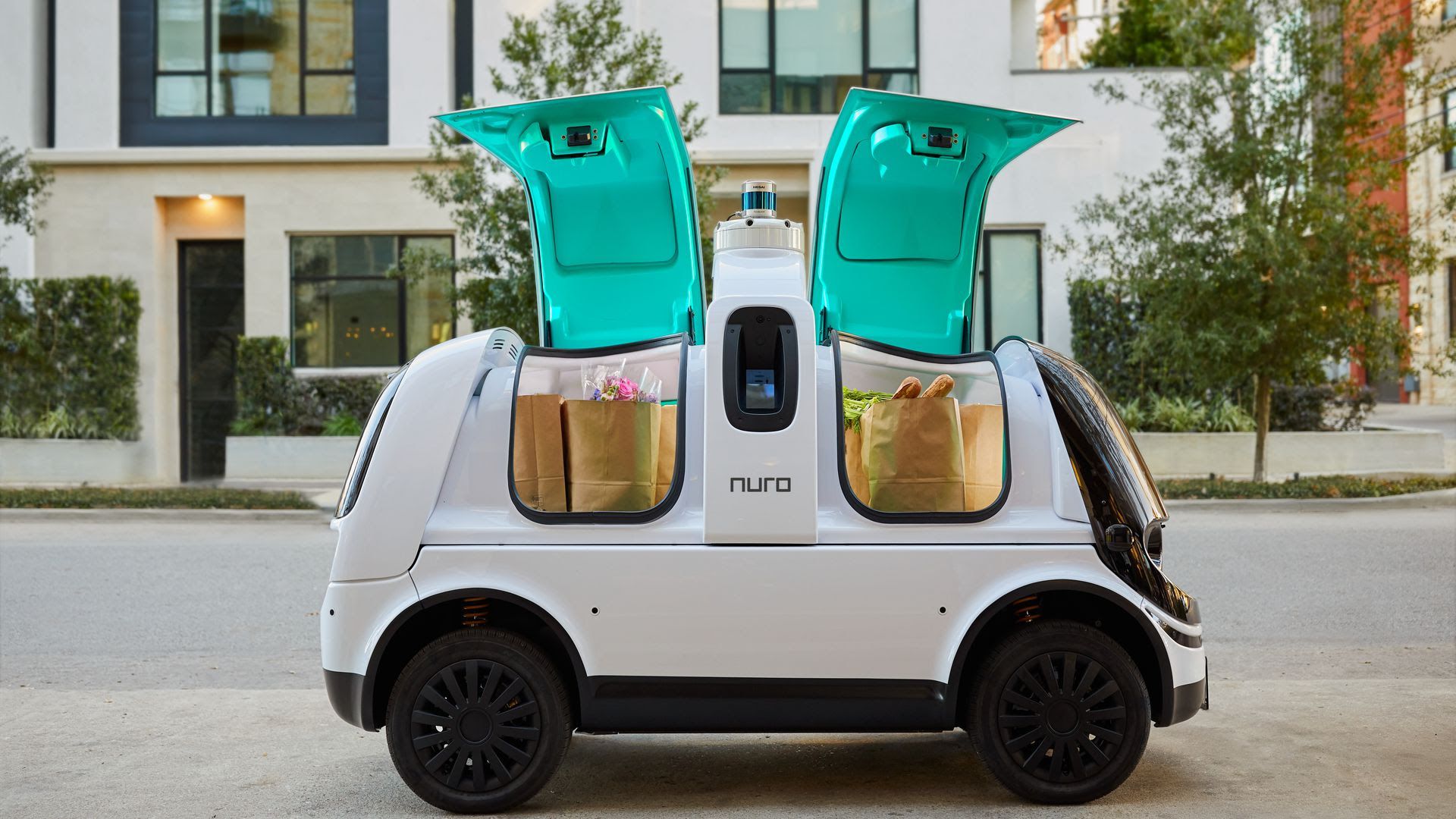
Regulators are starting to rewrite rules for self-driving cars to share the road with traditional vehicles.
The big picture: Automated test vehicles are allowed on public roads in some states — so long as they comply with existing safety standards written for human-driven vehicles.
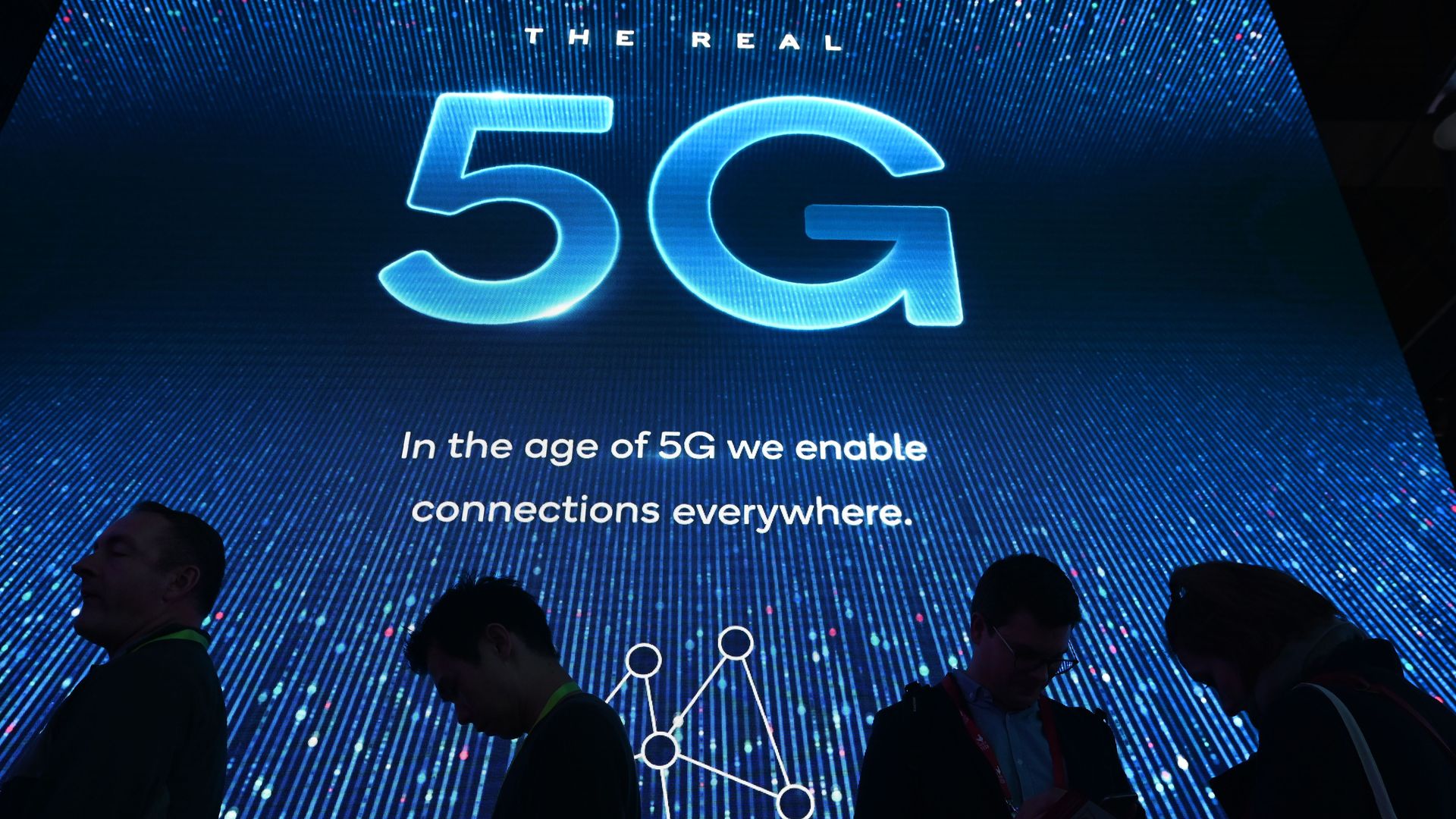
The Trump administration, eager to win the 5G race and outflank China's Huawei, has run one plan after another up the flagpole — but found it hard to keep any of them flying.
Driving the news: White House economic adviser Larry Kudlow aired a new approach Tuesday to speed the emergence of U.S.-led alternatives to Huawei. Attorney General William Barr dismissed the same idea Thursday as "pie in the sky."
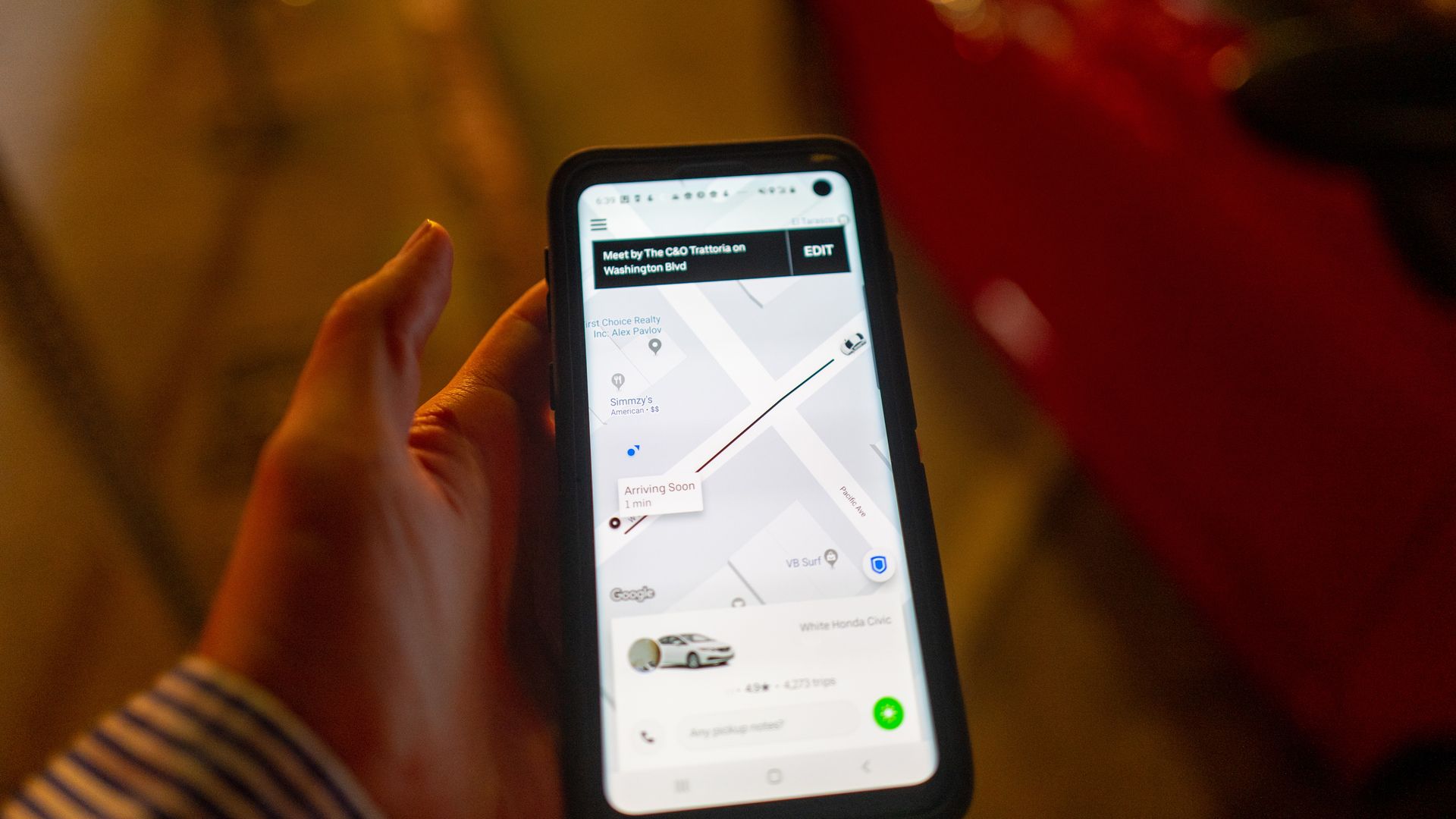
Prices and wait times have gone up for Uber passengers since the ride-hailing began making changes last month because of a new state law that makes it harder to classify workers as independent contractors, Uber CEO Dara Khorowshahi told analysts on Thursday.
Why it matters: Uber and other companies like Lyft, Postmates, Doordash have aggressively pushed back on the new law, known as AB5, as it threatens their business models.
Uber posted its fourth quarter results on Thursday, slightly exceeding analyst expectations, giving its stock a small price bump after market close.
Why it matters: Uber has not only been under growing pressure to show it can turn a profit sooner than later, but the company is facing new regulations in California that threaten its classification of drivers as contractors, instead of employees.
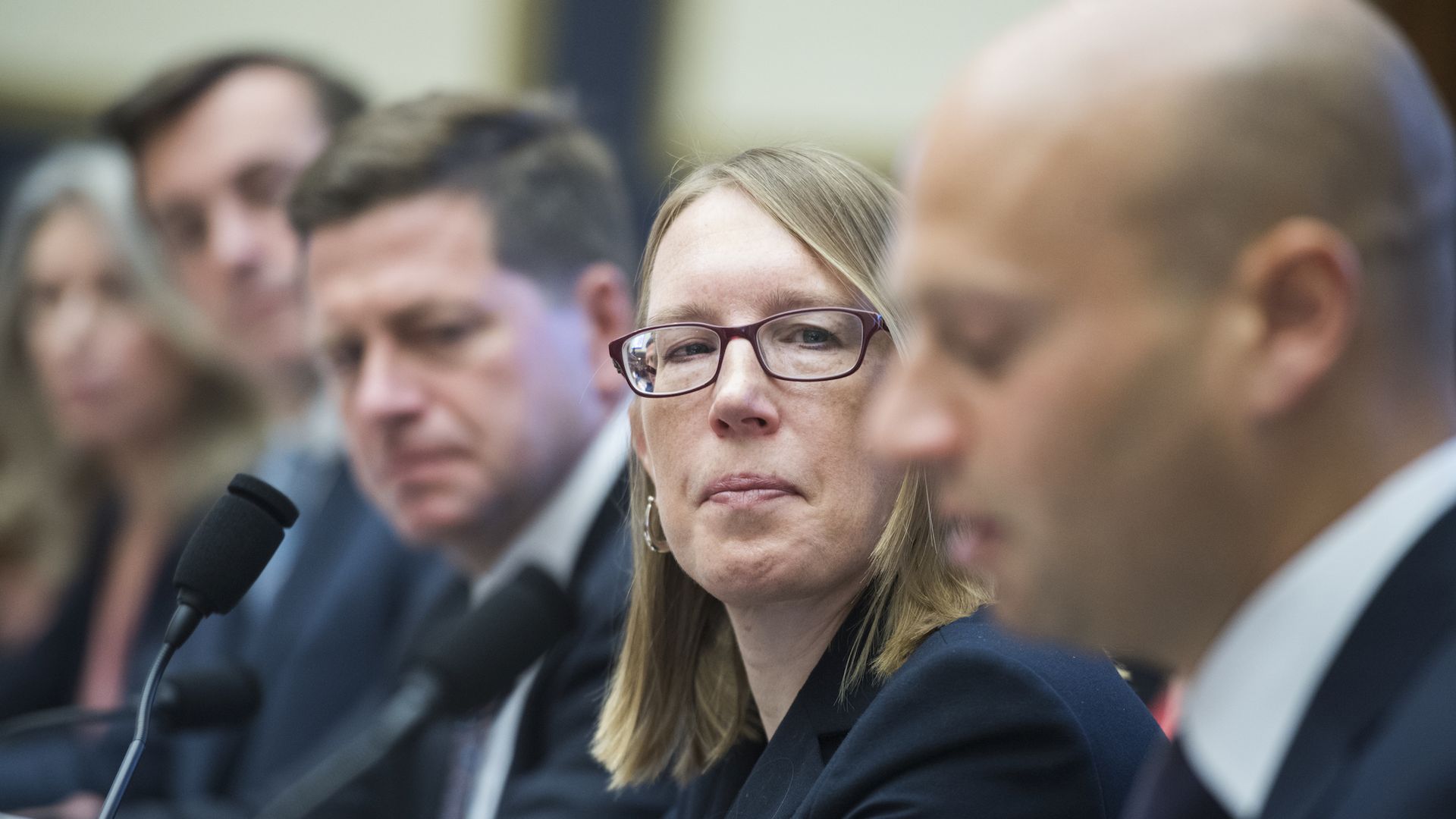
Securities and Exchange commissioner Hester Peirce unveiled on Thursday a proposal that would give digital token projects that raise funding a three-year regulatory safe harbor, per mediareports.
Why it matters: Regulators, including the SEC, have wrestled with a gray area of digital token projects that look much like securities offerings initially, but can evolve in time into decentralized networks, as Ethereum did.
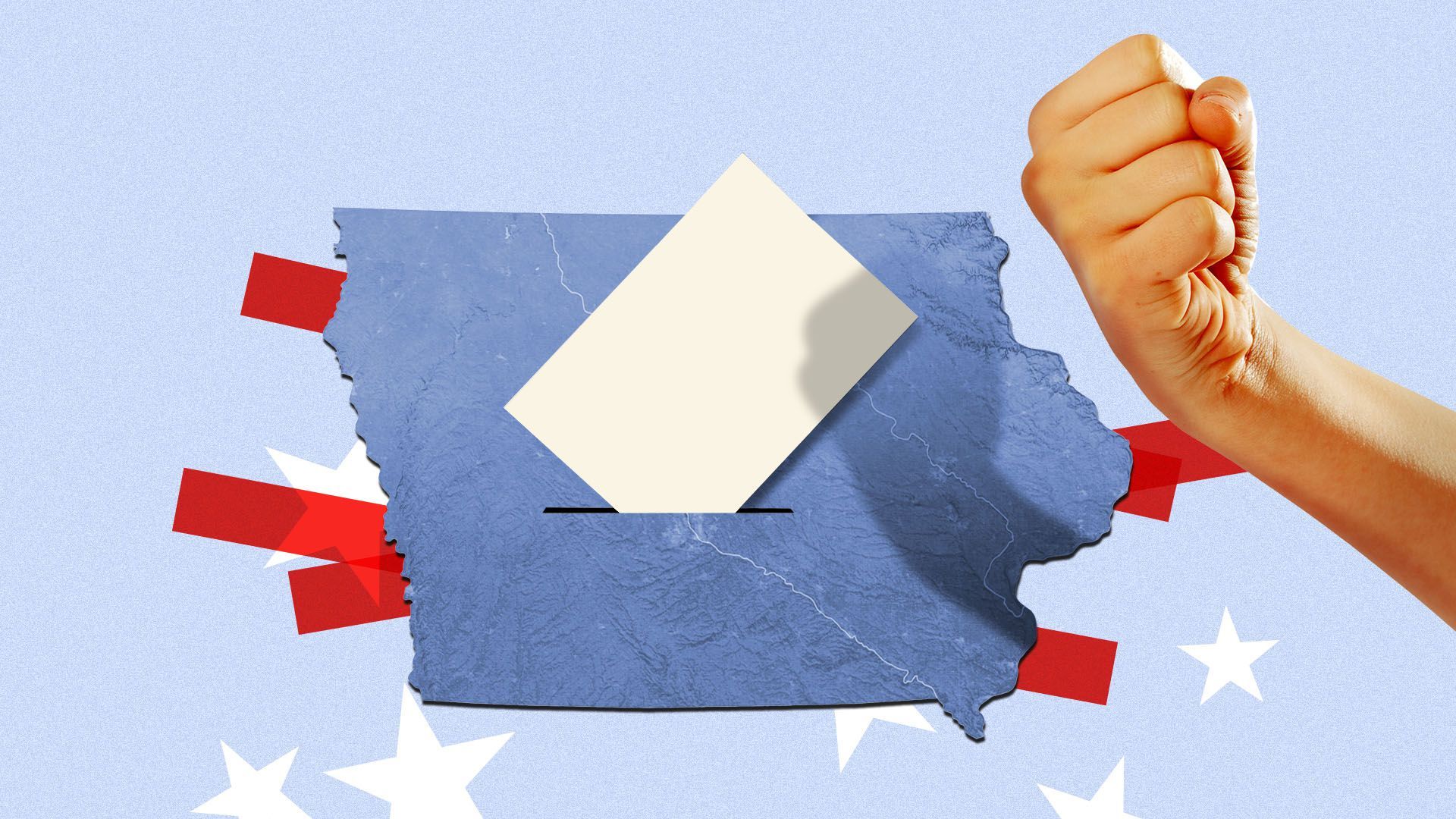
Posters on 4chan, the anonymous message board famous as a gathering spot for trolls, shared the phone number of Iowa's Democratic caucus results line Monday evening and encouraged readers to "clog the lines," NBC News reports.
Why it matters: Technical problems with a results-tallying app led many Iowa precincts to try to report numbers by phone. The lines were already overloaded, but it now appears that malicious mischief might also have played a role.
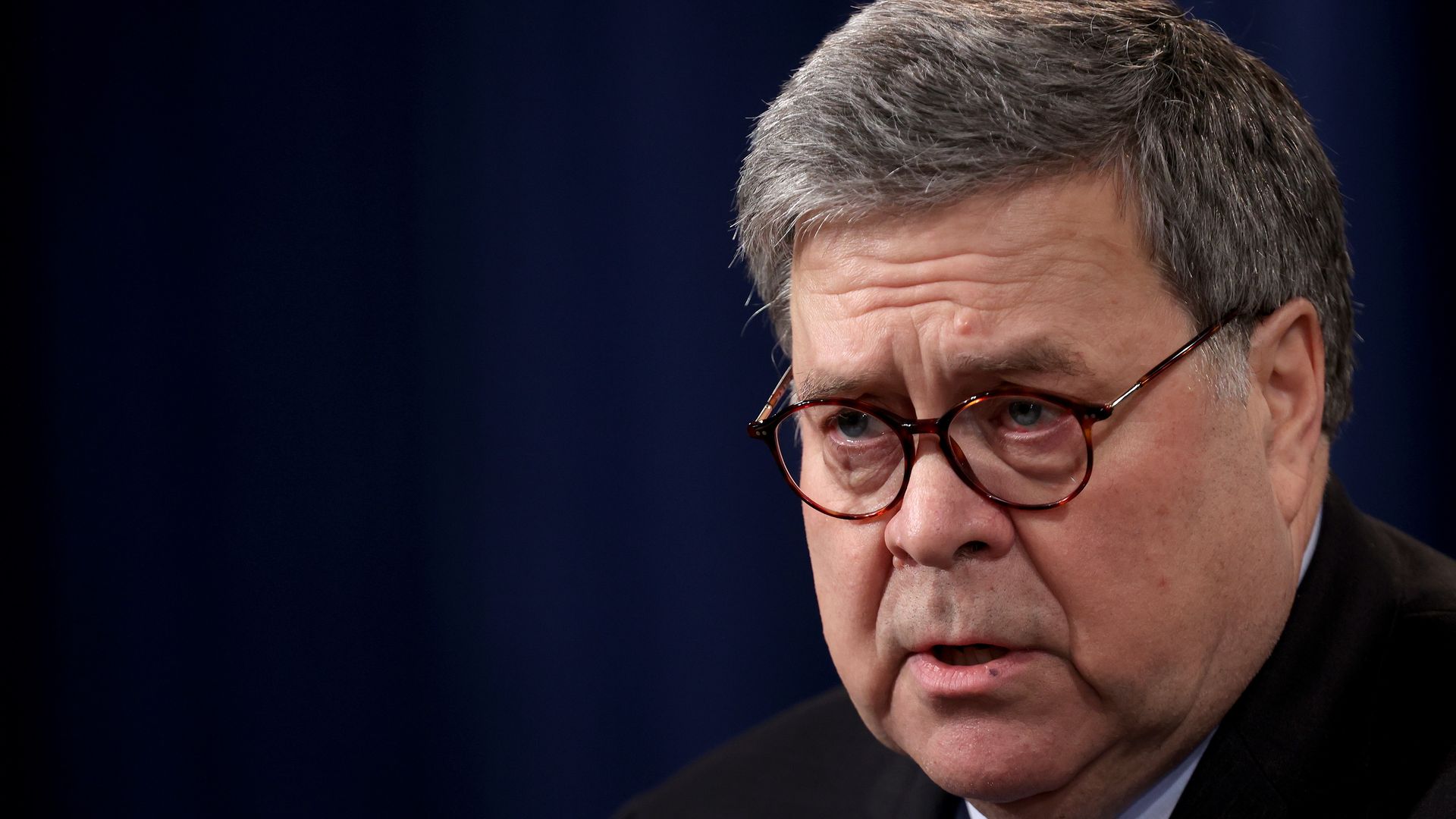
Attorney General William Barr on Thursday dismissed a new White House-led effort to build 5G using homegrown equipment and said the government should instead consider investing in Nokia or Ericsson to counter the threat of Huawei dominating the next-generation networks.
The big picture: While the Trump administration broadly agrees about the need to develop a clear and cohesive 5G policy and keep Chinese equipment out of the forthcoming networks, there has been widespread disagreement about how to get there.
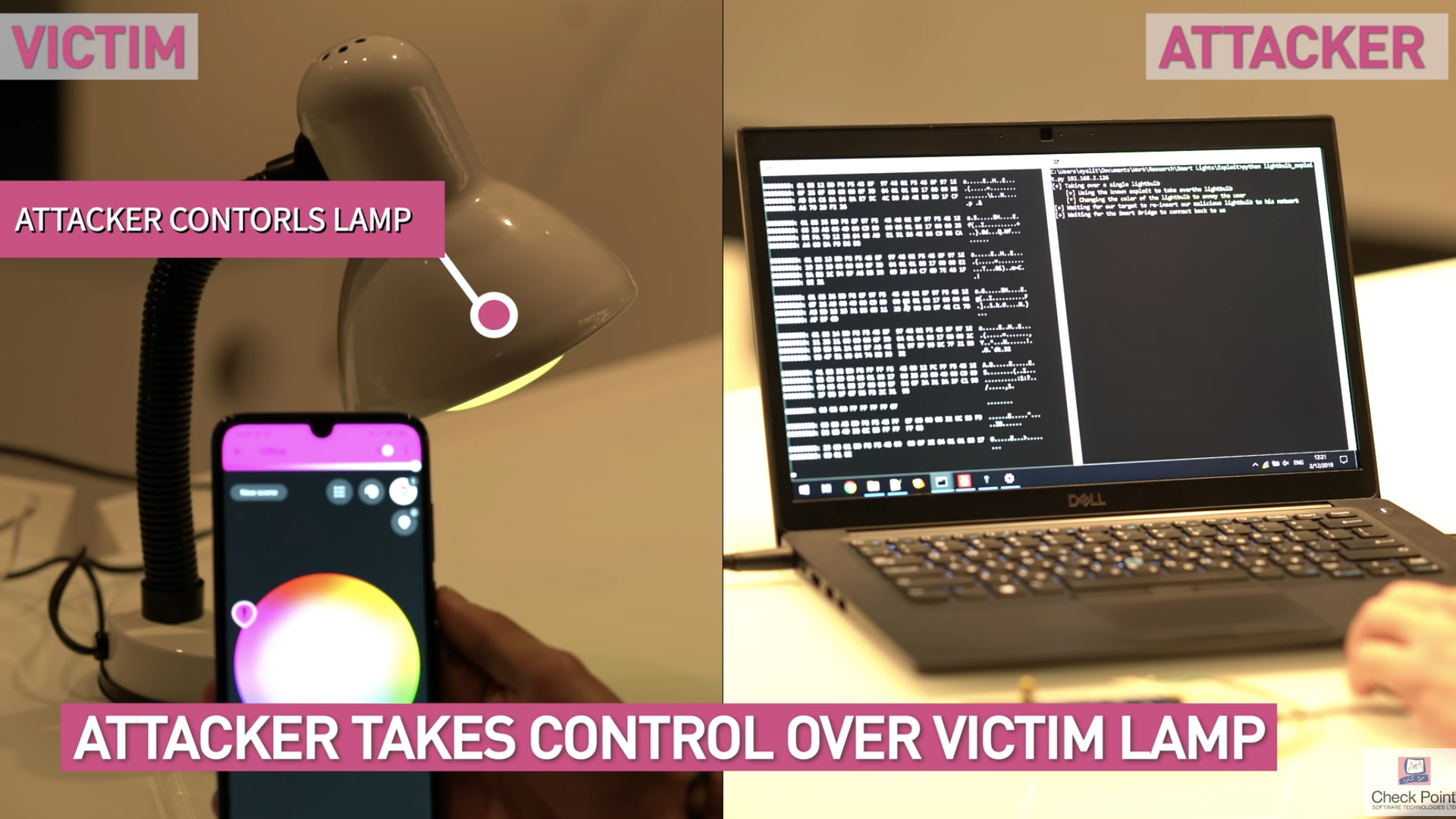
If you connect your lightbulb to the internet, the internet could connect back, according to a new report from Check Point detailing a security flaw in Philips Hue Smart Bulbs.
How it works: This isn't really about cyber criminals gaslighting you by dimming your lights — but that's exactly how this hack starts.
Along with quarterly earnings, Qualcomm disclosed on Wednesday that European regulators are investigating whether the wireless giant leveraged its position in the 5G modem business to boost its position in radio frequency chips.
Context: Qualcomm has tangled frequently with regulators around the globe. It has faced previous issues in Europe and a settled probe in China, and is now fighting an unfavorable ruling in the U.S.
It's been two days since app problems delayed returns and cast a stain on the Iowa caucus, but the blame game continues.
Why it matters: So far, two things seem pretty clear. It's not a good idea to rely on an app as the primary means of tabulating election results, and the app used in Iowa was also pretty bad.
Over its first two seasons, the Overwatch League's city-based esports franchises played their matches in a designated arena in L.A. This year, the league goes local, with all 20 teams hosting competitions in their home cities. This weekend's hosts: NYC and Dallas.
Why it matters: This home-and-away format represents a giant leap in the maturation of an esports league that eventually wants to look like the NFL, except on an international scale, according to Bobby Kotick, CEO of Activision Blizzard, which developed the game and operates the league.
The big lesson from Iowa:Security is only a starting point in protecting elections. Usability, reliability and redundancy are just as important.
Why it matters: As long as election officials neglect software fundamentals and view security only as a matter of locking hackers out, we will keep facing trust-eroding system meltdowns like this week's Iowa caucus fiasco.
To celebrate Axios’ third birthday, we’ve rolled out a new and improved Axios.com that features a bold, user-friendly design and is built entirely using AMP to truly put the “fast” in “smarter, faster!”
Why it matters: Our new site is focused on speed and efficiency, with a design that reiterates our dedication to our signature clean visual aesthetic and Smart Brevity™.
Much of the debate around data privacy has centered on the tech giants that are collecting consumer data, but retailers are formidable data guzzlers, too.
Why it matters: The places we shop track us in stores and online and use those troves of data to get us to spend more money. "I think it would be wise if everyone stopped thinking of retailers as retailers and started thinking of them as tech companies," Amy Webb, founder of the Future Today Institute, tells Axios.