Moving companies, a $25 billion business in the U.S., look like an upcoming target for disruption.
Why it matters: Technology has made dozens of tasks easier: We can use GPS for road trips instead of printing out directions, we can order our groceries online and get them delivered, and we can even meet our spouses on apps. Butmoving still sucks.
The president of tech trade group the Internet Association is stepping down to run TikTok's Washington policy shop, the organizations said Friday.
Why it matters: Michael Beckerman, the founding president of IA, is leaving the trade group at a time of turbulence for the industry to join a video sharing app that's also facing Washington headwinds.
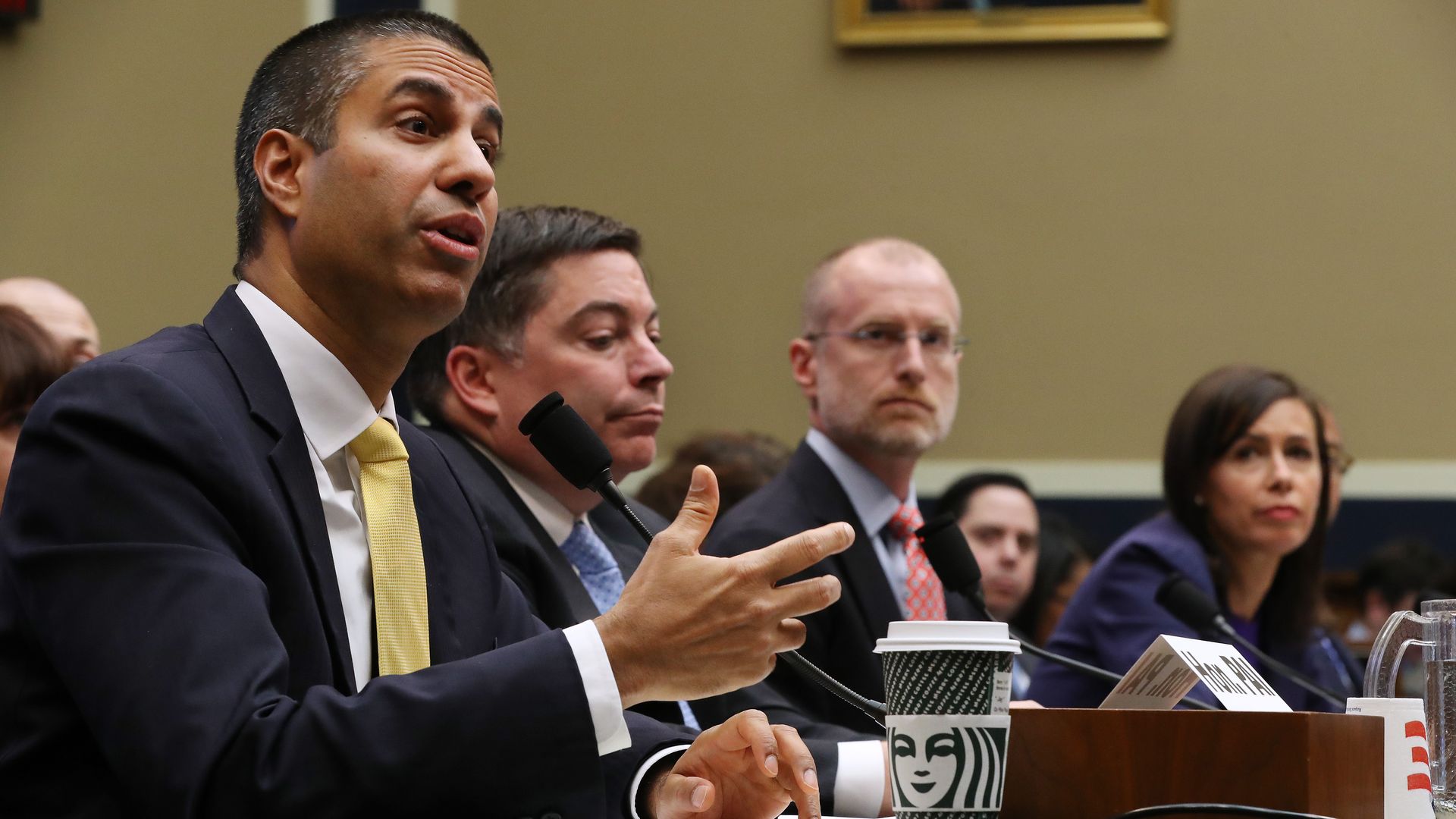
Federal Communications Commission Chairman Ajit Pai told lawmakers Friday he intends to propose fines against at least one U.S. wireless carrier for sharing customers' real-time location data with outside parties without the subscribers' knowledge or consent.
Why it matters: The FCC has been investigating for more than a year following revelations that subscriber location data from AT&T, T-Mobile and Sprint made its way to a resale market used by bounty hunters.
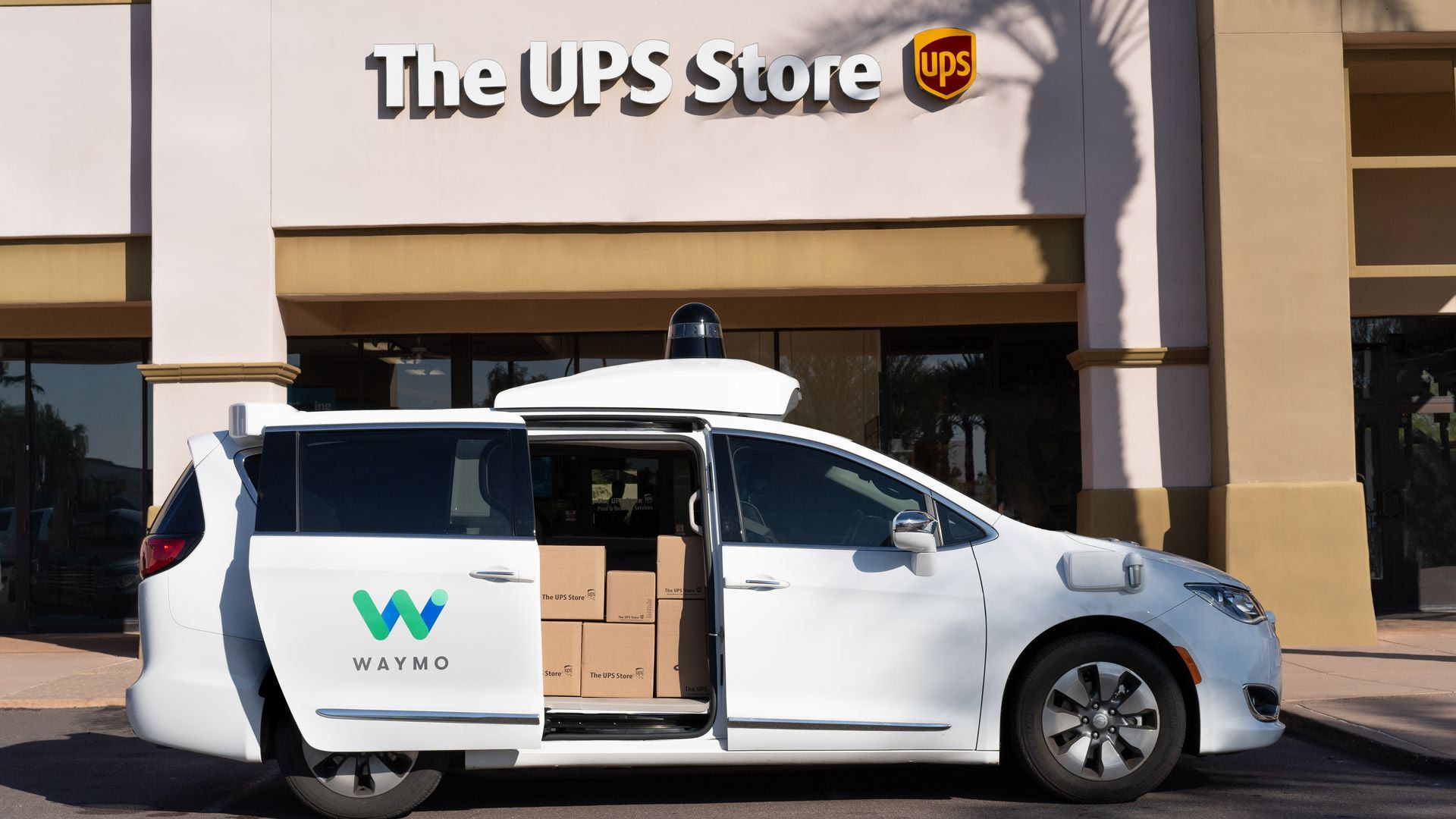
Waymo, whose driverless minivans are already shuttling a limited number of passengers in suburban Phoenix, will soon begin delivering packages for UPS as part of a new strategic partnership announced this week.
Why it matters: Waymo's ambition is to use the same self-driving technology in its minivans to automate big rigs and delivery trucks like the ones UPS uses every day. This is an important step toward that goal.
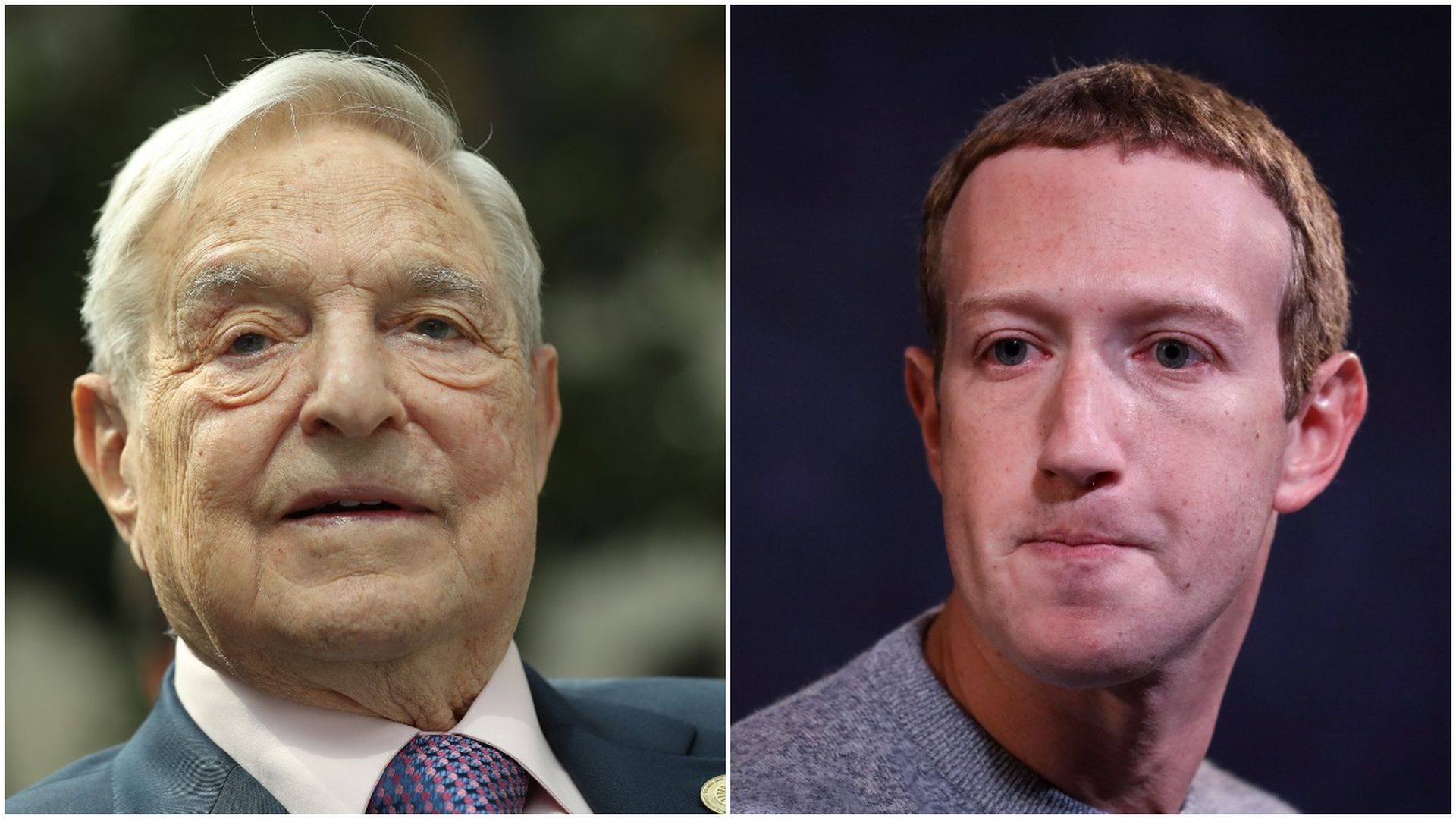
Democratic megadonor George Soros ripped into Mark Zuckerberg and Facebook's decision to not fact check 2020 political ads in a Friday morning New York Times op-ed.
"I believe that Mr. Trump and Facebook's chief executive, Mark Zuckerberg, realize their interests are aligned — the president's in winning elections, Mr. Zuckerberg's in making money ... Facebook's decision not to require fact-checking for political candidates' advertising in 2020 has flung open the door for false, manipulated, extreme and incendiary statements."
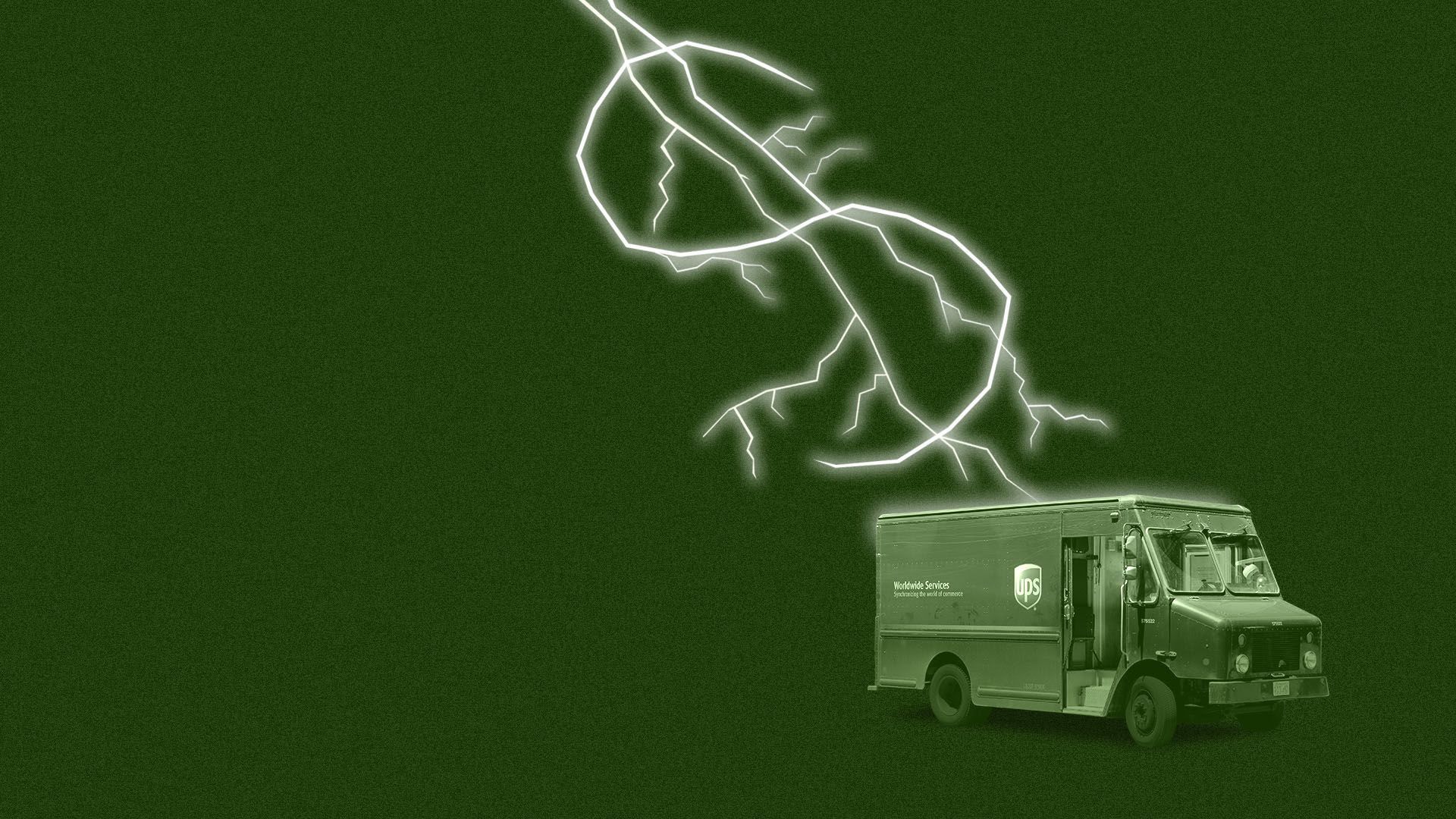
Carmakers are compelled to introduce electric vehicles to meet rising emissions standards, but the transition is expensive and fraught with risk, and consumers aren't yet on board.
The state of play: There's another potentially faster and cheaper path to electric vehicle adoption: electric delivery fleets. They could catch on faster, especially with new approaches to design and production, and provide a large-scale proof of concept for consumers.
Facebook said Thursday it will take further steps to ensure its social network is home to accurate information about the fast-spreading novel coronavirus.

/2020/02/01/1580577065475.gif?w=3840)