Google brought a slew of D.C. policy experts to its Mountain View, Calif., headquarters this week for a summit, according to people familiar with the event, as the tech company seeks to deflect scrutiny from Washington.
Why it matters: Google is in the midst of reconfiguring its approach to a newly aggressive Washington, and it cut its lobbying budget last year. With this event, the company aims to make sure D.C. influencers from across the ideological spectrum understand its products better.
Amazon announced strong quarterly results Thursday after the market close, with $6.47 earnings per share on an expected $4.04 (per FactSet) and total revenue of $87.44 billion on $86.02 billion expected.
Why it matters: Wall Street has wondered whether Amazon's huge investments in one-day delivery and cloud services would depress its financial performance. This quarter, at least, gave investors a positive surprise.
Last week's report that Jeff Bezos' iPhone was allegedly hacked via a WhatsApp message from Saudi Crown Prince Mohammed bin Salman discomfited a lot of Apple customers who long believed that one of the features of their high-priced phones was invulnerability.
The big picture: The flaw in this case was in WhatsApp, not the iPhone itself. But the larger lesson is that in a networked world full of incentives for digital mischief, there's no such thing as perfect security — only varying degrees of relative risk.
Avast is shutting down a controversial subsidiary that shared anonymized user data with marketing clients.
Driving the news: For years, Avast, which offers users free antivirus services, sold user data to marketers through a subsidiary, according to a report from Motherboard and PC Magazine.
The cybersecurity sector is attracting "unprecedented levels of VC dealmaking," according to the year-end Venture Monitor report by the National Venture Capital Association and PitchBook.
Why it matters: Technology is now not just a sector of the economy, it is the primary driver of the economy. And the more wireless networks, software applications, cloud data centers and internet-connected devices we use, the more security vulnerabilities we'll have to protect against.
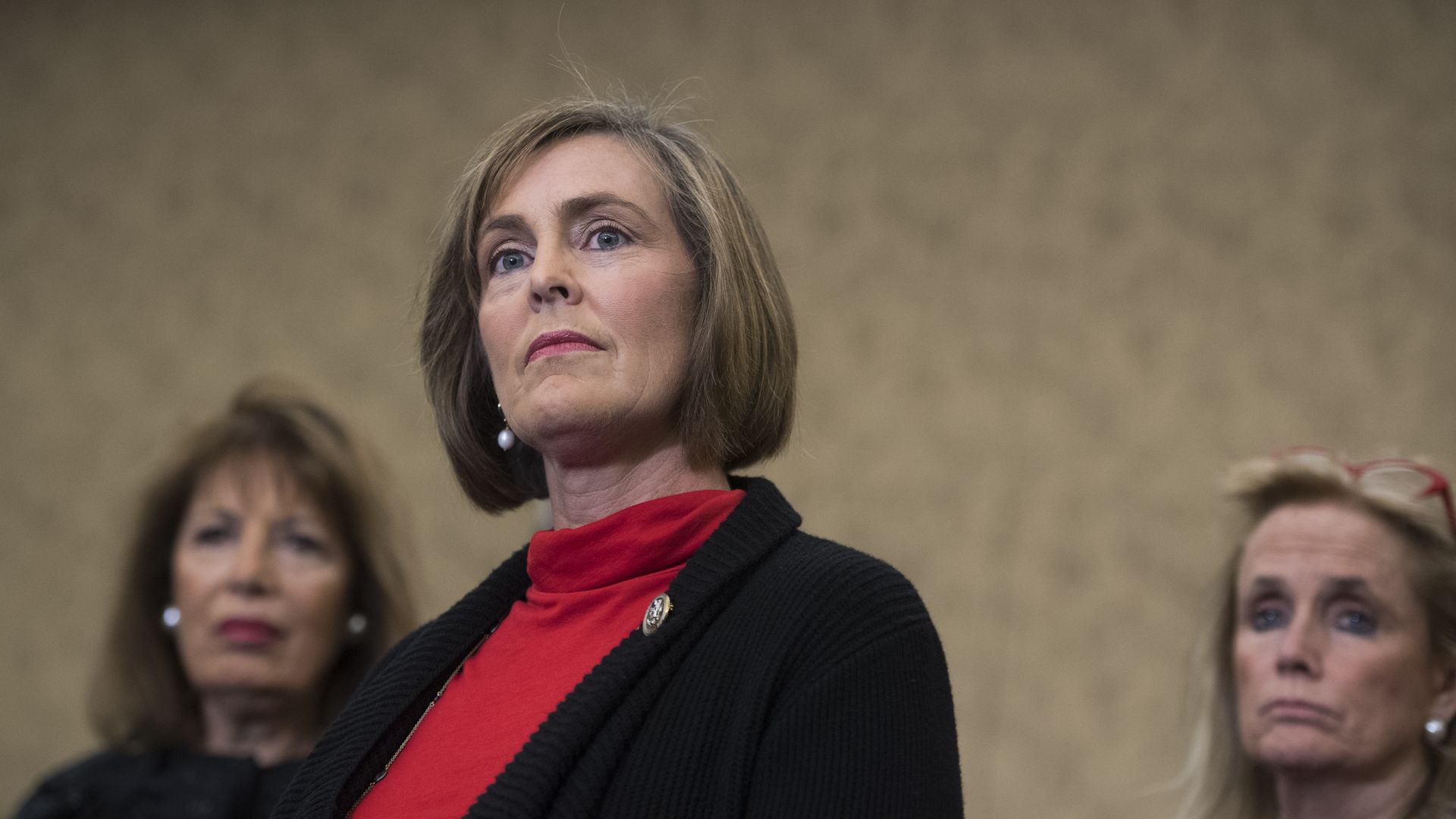
A House Democrat on Thursday introduced a bill that would let parents sue companies that violate their kids' digital privacy, marking the latest of several attempts in Congress to update laws protecting children's privacy on the internet.
Why it matters: Both chambers want to include children's privacy protections in a comprehensive federal privacy law, but if that effort fails, a more narrow update to the 1998 Children's Online Privacy Protection Act could advance on its own.
Spatial, a company that creates team workspaces in virtual and augmented reality, has landed $14 million in new funding, bringing its total raised to $22 million.
Why it matters: Spatial has some impressive technology, but will likely need to play a long game, as VR adoption has proven slower than once hoped.
Altria's decision to pay $12.8 billion last year for a 35% equity stake in vaping giant Juul is turning into one of the worst strategic investments in memory.
Driving the news: Altria on Thursday took a $4.1 billion impairment charge on its Juul investment, mostly blaming the "increased number of legal cases pending against Juul," which it says have increased more than 80% since last November 2019.
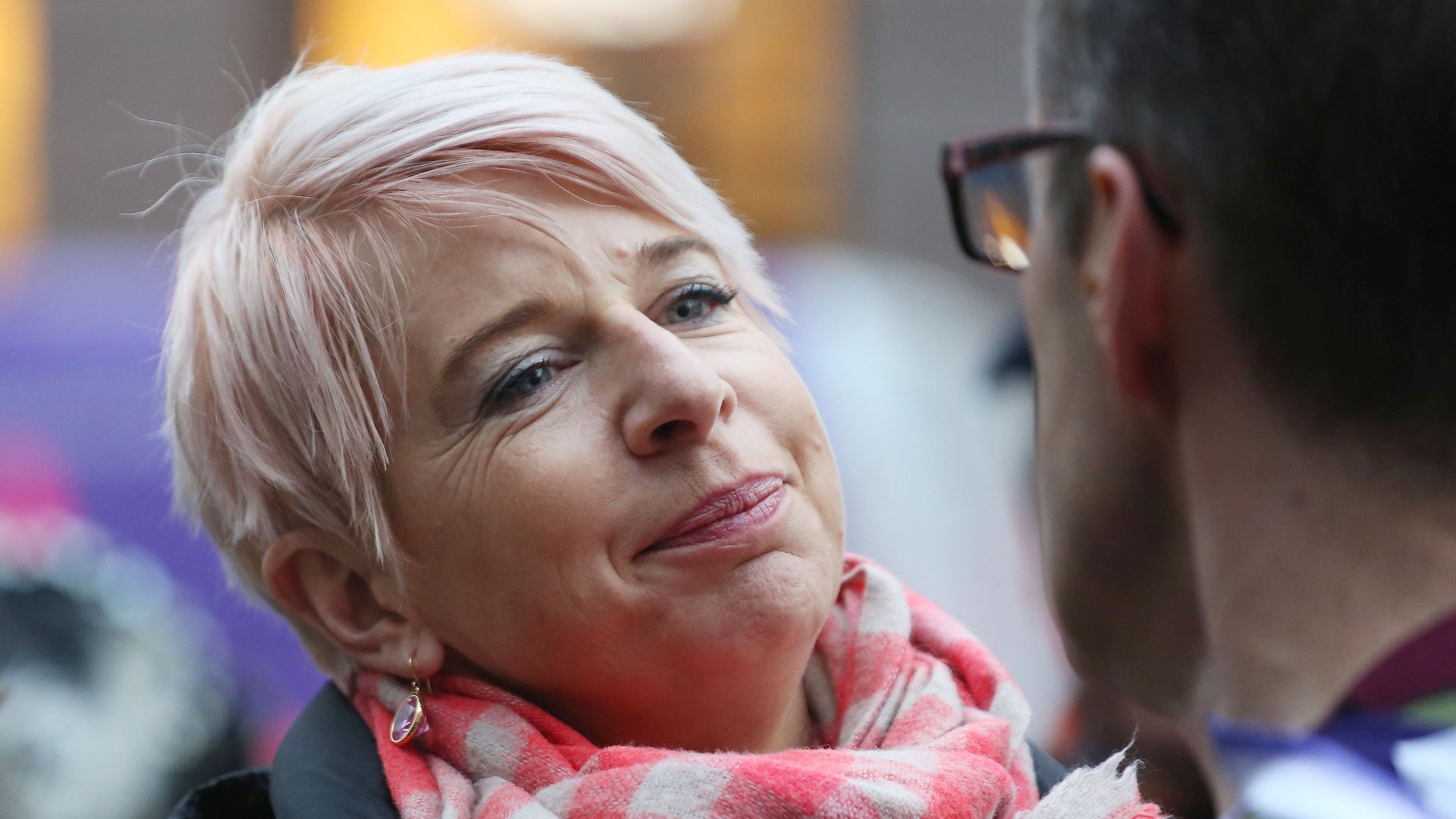
The state of play: Hopkins built a media persona around making extreme Islamophobic and racist comments. The decision to lock her account, which Twitter said was due to a violation of its hateful conduct policy, came after Channel 4 host and anti-racism campaigner Rachel Riley met with representatives from the social media giant to advocate for her ban from the platform.
U.S. critics of Huawei are ramping up a campaign to make the Chinese telecom giant a global pariah even as key American allies remain unsold on the case against the company.
Where it stands: U.S. officials and experts advocating blocking trade with Huawei lack hard evidence of Beijing-backed misdeeds, so they're asking the rest of the world to make choices based on "what if" scenarios.
Despite an onslaught of scrutiny and scandal over the past few years, Facebook closed out the second decade of the millennium stronger than ever.
The big picture: The tech giant brought in nearly $70 billion in revenue for 2019, up more than 25% from the year prior and up more than 1300% from 2012, the year it went public.
Facebook said on Wednesday it will pay $550 million in response to an Illinois-based class-action lawsuit against the facial recognition technology in its photo-labeling service, the New York Times reports.
The big picture: The settlement is a sign that state-level regulations on facial recognition can extract real penalties from social media giants like Facebook, as more states introduce bills to regulate, ban or study the tech.