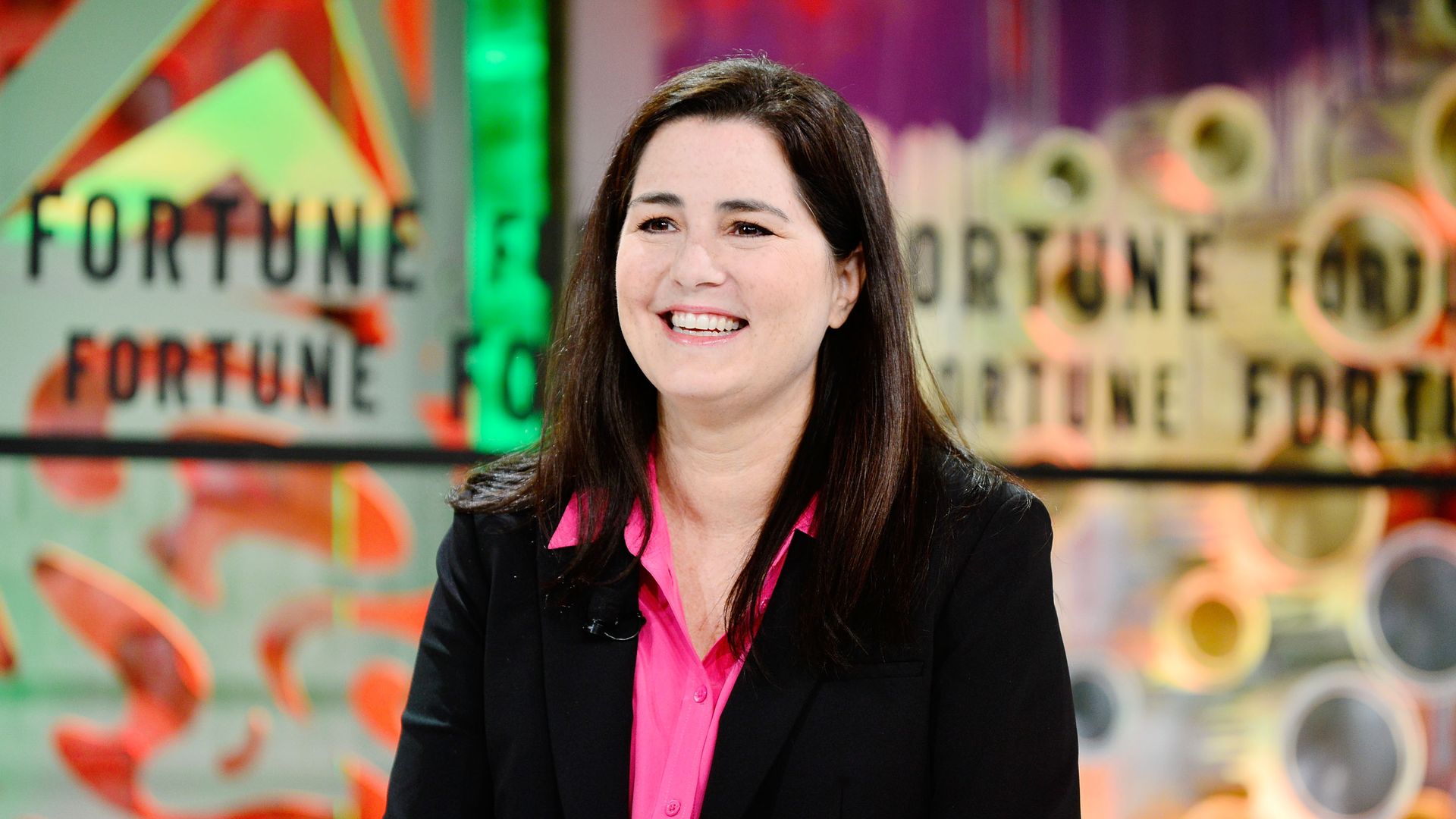
Mandy Ginsberg on Tuesday announced that she is stepping down as longtime CEO of Match Group, the owner of online dating sites including Match and Tinder.
Driving the news: Ginsberg told Match employees in an internal email, obtained by Axios, that her decision was more personal than professional, as a tornado had recently made her home "unlivable" and that she has had health issues, including a surgery just last Friday.
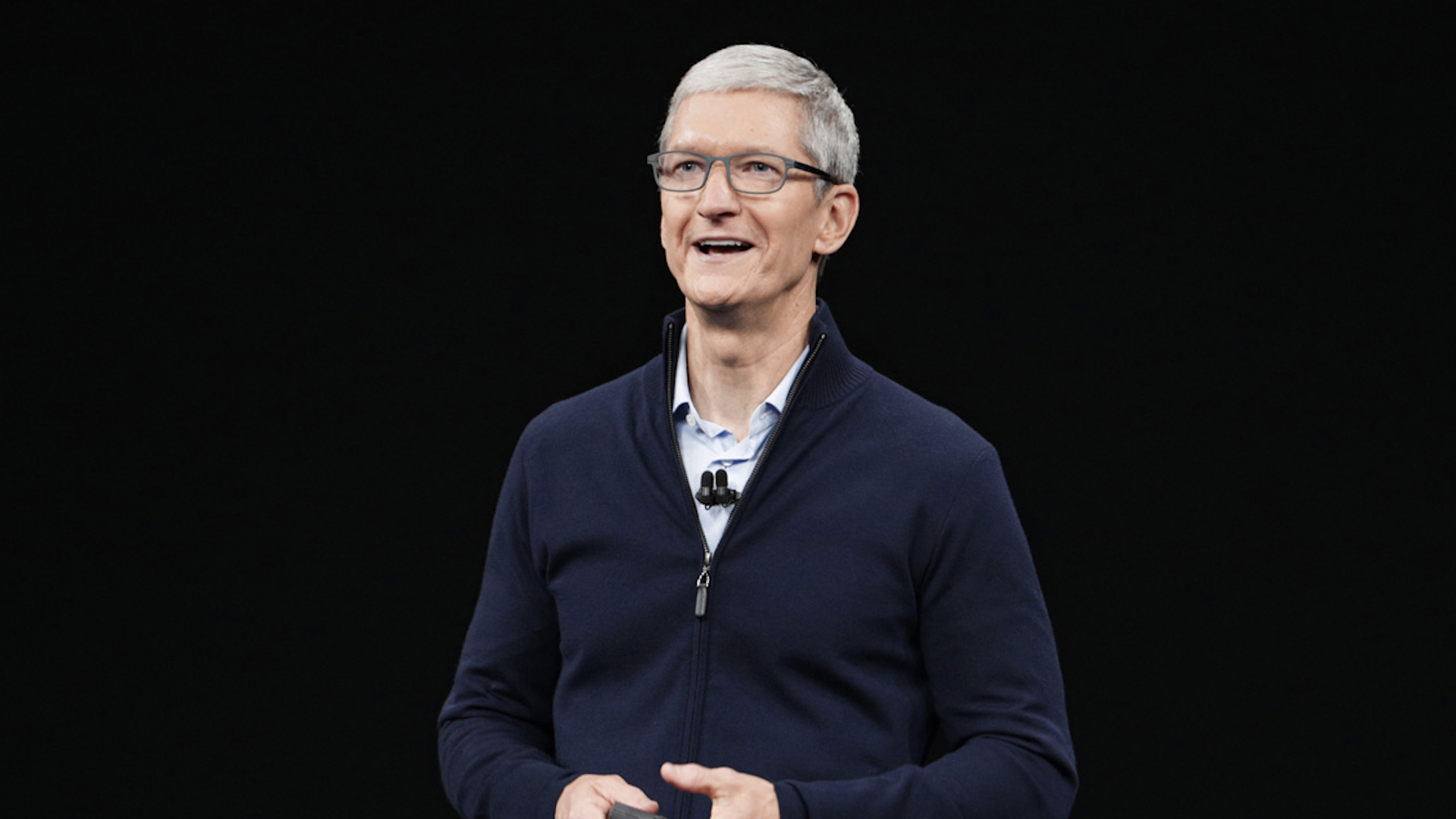
Buoyed by strong iPhone sales and a growing services business, Apple reported record quarterly revenue and profits that were well ahead of estimates and its own forecasts. Apple also projected revenue for the current quarter ahead of many analysts' expectations, sending shares higher.
Why it matters: The October-to-December quarter includes the all-important holiday shopping season, and Apple's results show the resiliency of its business.
Huge constellations of satellites expected to launch to orbit in the next few years are an opportunity for defense agencies to expand their communications — and transform the nature of conflict.
Why it matters: National security experts warn that China and other nations are ahead of the U.S. when it comes to beefing up their weaponized capabilities in orbit, potentially putting U.S. assets on Earth and in space in jeopardy.
BorgWarner, a leading supplier of vehicle power train components, agreed Tuesday to buy electronics manufacturer Delphi Technologies in a stock deal worth $3.3 billion.
Why it matters: The auto industry is on the cusp of a major shift to electric vehicles, but with many consumers still on the fence, the timing of the transition is unclear. The deal give BorgWarner the flexibility to offer a variety of gasoline, hybrid and electric powertrain systems for both passenger and commercial vehicles as it prepares for the future.
Facebook on Tuesday will announce a new round of investment worth $700,000 in various news organizations across the country, executives tell Axios. Many of the new commitments focus on newsrooms that cover diversity.
Why it matters: The investment is part of a greater than $300 million commitment from Facebook to invest in the news, especially local news.
The United Kingdom on Tuesday announced Chinese telecommunications giant Huawei will build part of the country's next generation 5G mobile networks.
Why it matters: The United States along with numerous Conservative MPs have repeatedly warned the U.K. that Huawei is a national security risk, claiming that China could use its equipment for espionage. It's a sign the U.S. campaign against Huawei is faltering as allies open their markets.
Misinformation about the coronavirus is testing governments, tech platforms and health officials — as well as a nervous public — in both the U.S. and China.
Why it matters: The new cycle of misinformation around the deadly disease is testing Big Tech platforms' ability to police rule-breaking content and China's ability to control domestic criticism.
SuperAwesome, a platform used to power kid-safe technology, has raised $17 million in a strategic financing round led by M12, Microsoft's venture fund.
Why it matters: It represents a growing investment in kid-safe content and kids privacy compliant technology. Microsoft is one of the first major U.S. tech firms to take a stake in a kids tech company.
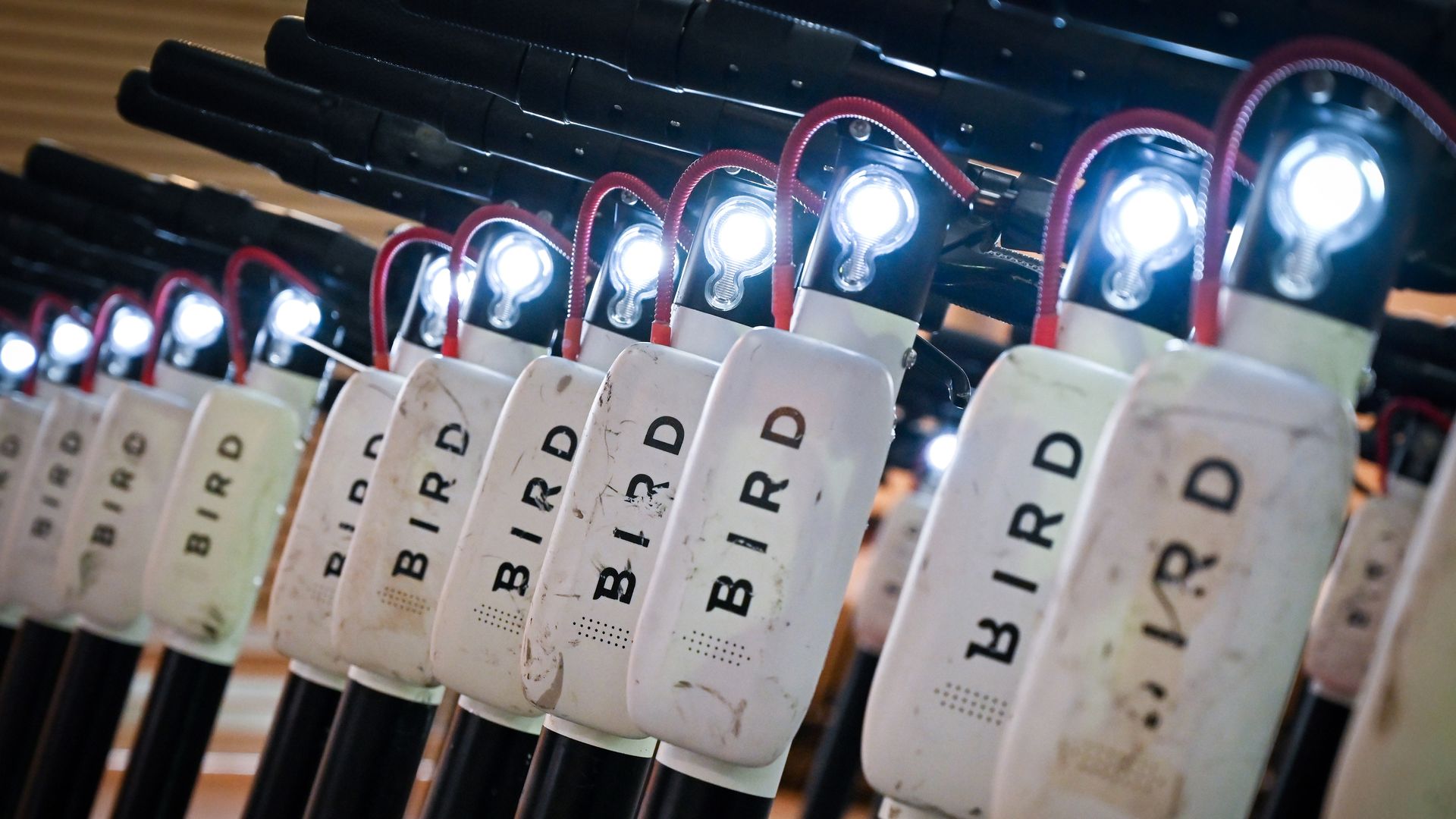
Bird has acquired European scooter rental rival Circ, founded by Delivery Hero co-founder Lukasz Gadowski, and has raised an additional $75 million for its Series D round (for a total of $350 million). Bird's pre-money valuation remains $2.5 billion, per a source.
Why it matters: After a growth-at-all-costs first couple of years, scooter companies now have to build a sustainable business, continue to expand, and cut their losses if it's not working. And the deal could give Bird a leg up in winning over European regulators by partnering with a local company.
While tech leaders at the World Economic Forum in Davos, Switzerland, had U.S.-China tensions top of mind, they also came looking to push their perspectives on climate change, antitrust and regulation of artificial intelligence.
Why it matters: Whereas once tech leaders were given a free pass (literally and figuratively) as the young darlings of Davos, they are now established leaders with heightened roles — and sharper scrutiny.