With a new $1 billion investment, Amazon is doubling down on its India bet.
The big picture: India has the world's fastest growing e-commerce market, and retail giants from America and China are battling each other as well as homegrown Indian rivals to dominate it.
Grindr, OkCupid, Tinder, Qibla Finder and MyDays X are among 10 apps feeding user data — such as ethnicity, location, gender and age — to digital ad companies, nonprofit Norwegian Consumer Council found in a report released on Tuesday.
Why it matters: These dating, prayer guidance and menstrual cycle or fertility tracking apps collect information from some of the most intimate parts of users' lives. The council argues that sharing this data violates a European data protection law that went into effect last year.
Apple confirmed to Axios it has purchased Xnor.ai, a Seattle-based startup that specializes in putting artificial intelligence on devices rather than via centralized servers.
Why it matters: Doing AI work on devices is a key trend, especially for Apple, as it makes it easier to offer privacy protections. Apple, for example, does all of its automated tagging and categorization of photos on its devices.
With 2019 in the books, it's time to look at how the various tech giants fared in the competition to pile up patents.
What's new: When including various subsidiaries, Seattle-based Sqoop found that Samsung edged out perennial top patent-getter IBM for utility patent applications and grants, as well as design patents. LG and Canon also were in the top five.
Coord, a curb-management company, is offering its services at no charge to up to three cities that are trying to better manage — and monetize — curb space that is in constant demand.
Why it matters: Ride-hailing, e-commerce delivery trucks, on-demand food delivery, e-scooters, bikes and pedestrians — not to mention personal vehicles looking for street parking — are all competing for a limited amount of curb space, making that narrow stretch of the road congested, chaotic and even dangerous.
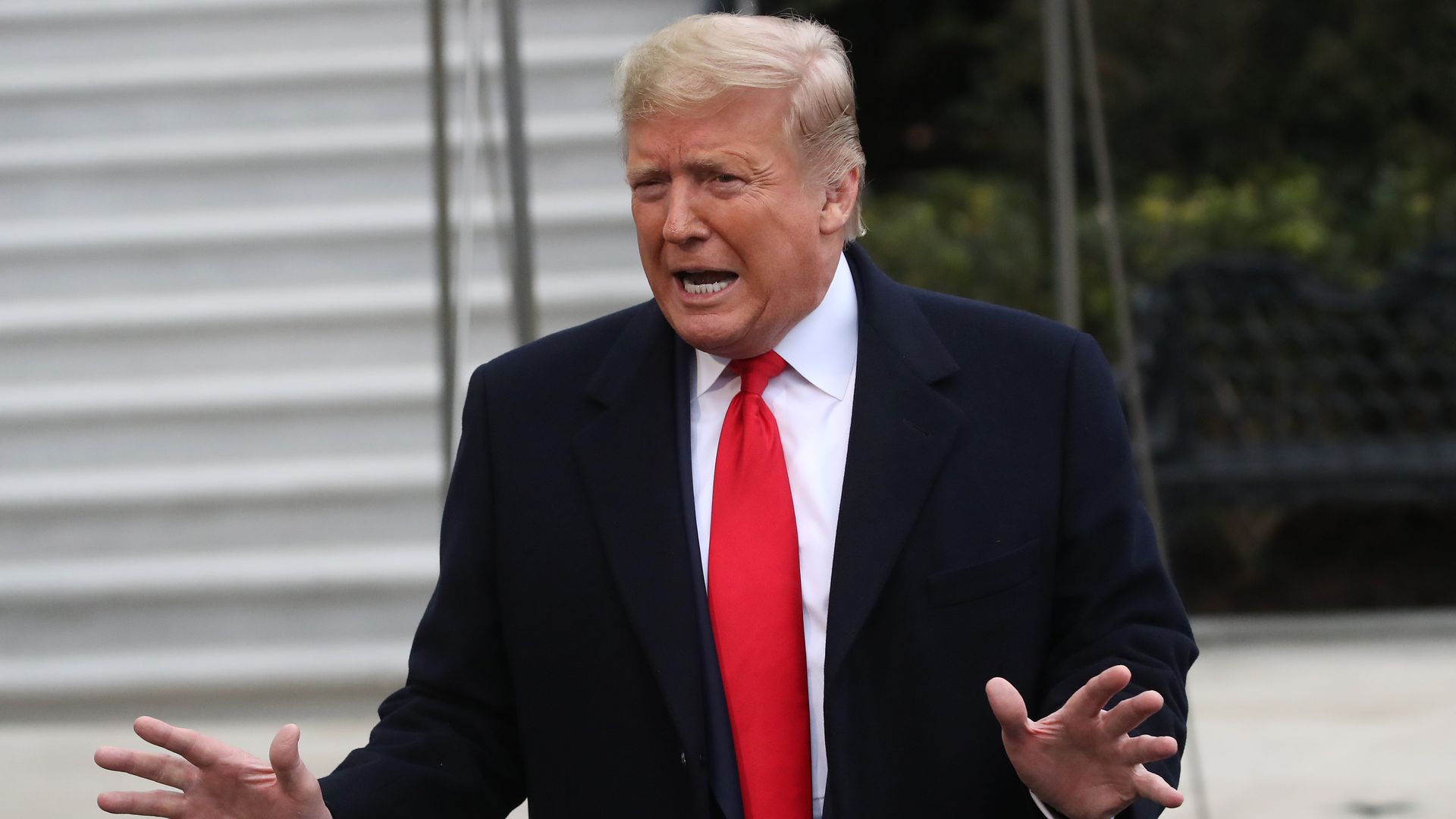
President Trump attacked Apple on Tuesday, recommending the technology company unlock the iPhones used by "killers, drug dealers and other violent criminal elements."
What he's saying: "We are helping Apple all of the time on TRADE and so many other issues,” a Trump tweet read. "They will have to step up to the plate and help our great Country, NOW!"
Google said on Tuesday that it plans to phase out support for third-party cookies in its popular web browser, Chrome, within the next two years.
Why it matters: Chrome is the last major internet browser to discontinue cookies, which means that the end of the decades-old tracking technology is finally in sight.
Microsoft is releasing a security patch Tuesday to fix a major flaw in the Windows operating system. Although Microsoft says it hasn't seen evidence the issue has been exploited in the wild, it could allow an attacker to "decrypt confidential information."
Why it matters: The flaw represents a significant vulnerability and was turned over to Microsoft by the National Security Agency. In the past, the NSA has kept some Windows flaws to itself to use for its own purposes.
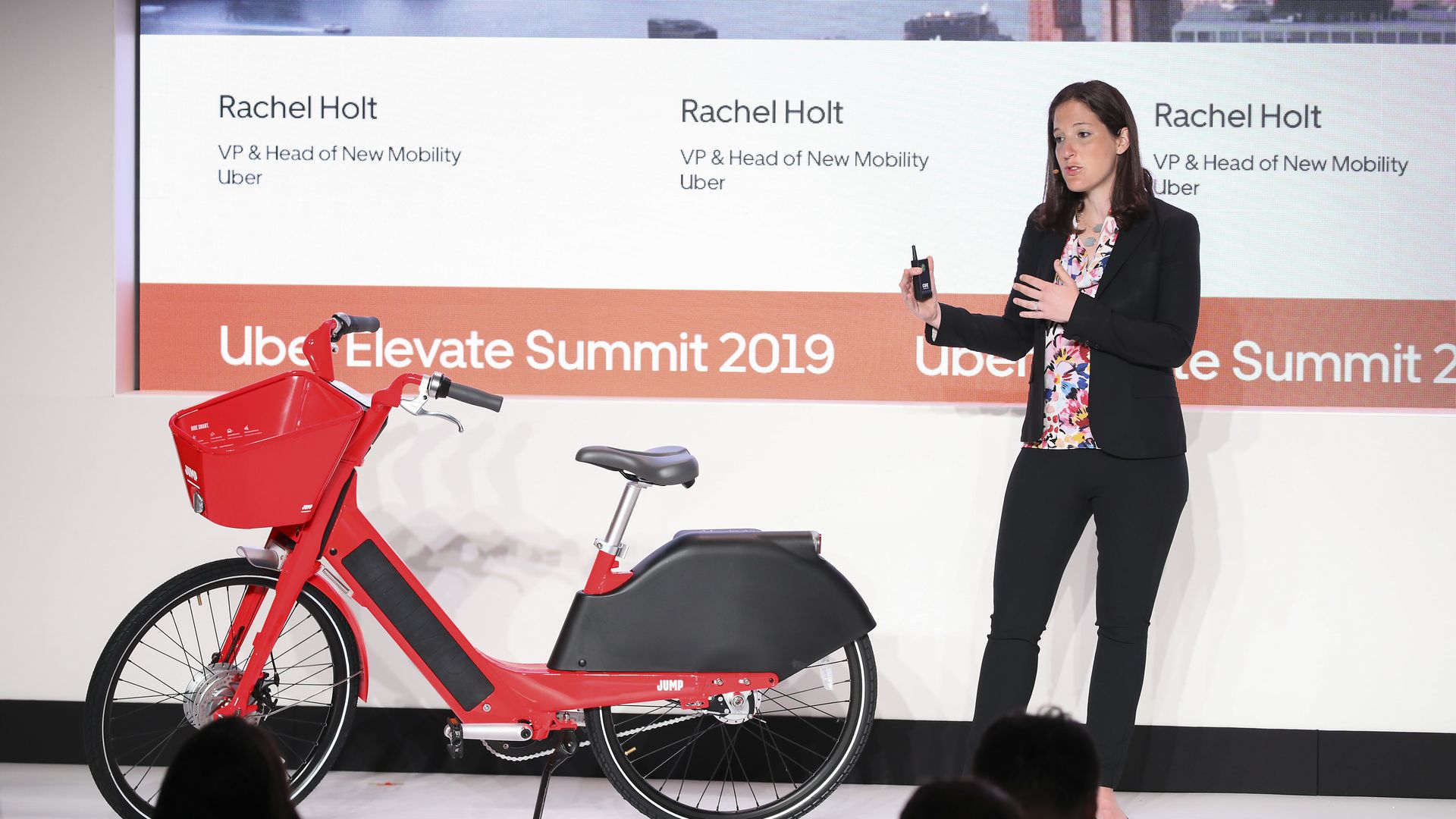
Rachel Holt, a longtime Uber executive who joined the ride-hailing company in 2011, is leaving Uber to launch a venture capital firm called Construct Capital, according to an internal memo Axios has obtained.
Why it matters: Holt, who started her time at Uber heading its Washington, D.C. operations, was promoted in 2018 to head what it calls "New Mobility," the division that includes bikes, scooters, and public transit partnerships.
Large olive oil producer CHO is using IBM's food blockchain to allow customers to track their oil — from the orchard where the olives are grown, through the mill where they are crushed, to the facilities where the oil is filtered and bottled.
Why it matters: Assuring food safety and quality seems to be one of the most compelling uses for the much-hyped technology.
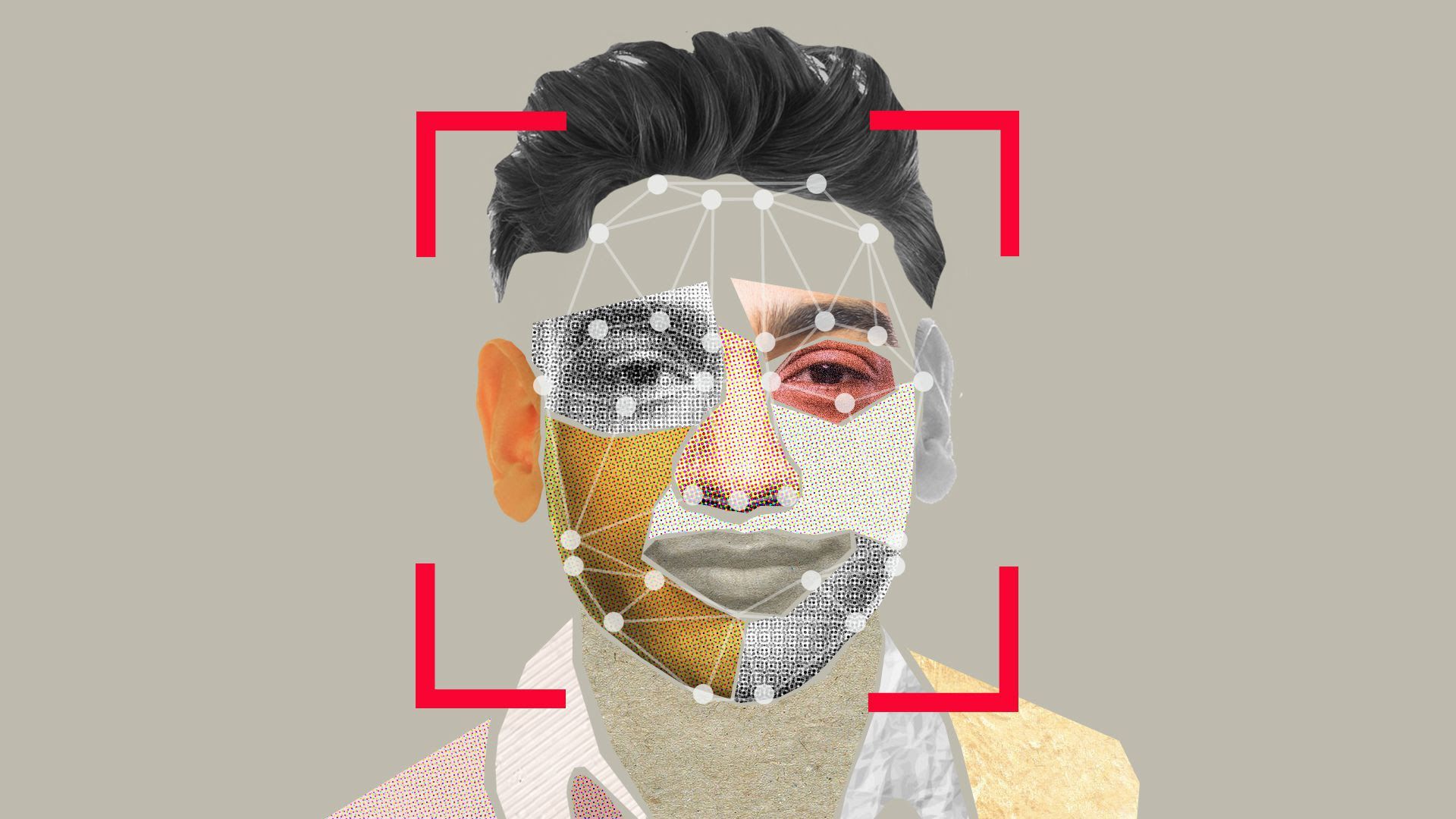
Fresh off a campaign to ban facial recognition software from being used at concerts, Fight for the Future is trying to rally students to persuade their schools to take a similarly strong stand against broad use of the powerful technology.
Why it matters: In the absence of legislation limiting its use, activists want to prevent facial recognition from becoming commonplace in public spaces.
After it laid off 2,800 employees last week, citing "ongoing uncertainty" related to Boeing’s 737 MAX jet, Moody's downgraded the secured debt of airplane parts supplier Spirit AeroSystems and handed it a Ba2-PD Probability of Default rating.
What it means: Wichita, Kansas-based Spirit gets about half of its annual revenue from supplying parts for the MAX, which has been grounded for months following two fatal crashes and remains in a production halt indefinitely.
Silicon Valley giants like Facebook, Twitter and Uber have for some time been subjects of books, movies and long exposés—and now it's YouTube's turn, with a new book deal for Bloomberg journalist Mark Bergen's "Like, Comment, Subscribe."
Why it matters: “It’s a technical and cultural story that hasn’t been told in its entirety yet,” says Bergen when asked why he chose that particular star in Alphabet-Google’s constellation.
A wide array of tech companies are siding with Google in its copyright battle against Oracle — a rival to some of the companies — in filings with the Supreme Court Monday.
The big picture: The case revolves around key questions of software copyright and fair use that could have major consequences for the industry.
With just weeks to the Iowa caucuses, social media platforms have finalized their rules governing political speech — and fired a starting pistol for political strategists to find ways to exploit them from now till Election Day.
Why it matters: "One opportunity that has arisen from all these changes is how people are trying to get around them," says Keegan Goudiss, director of digital advertising for Bernie Sanders' 2016 campaign and now a partner at the progressive digital firm Revolution Messaging.
In a situation that greatly resembles the aftermath of the 2015 San Bernardino shooting, the Justice Department wants access to encrypted iPhones tied to the Pensacola, Fla. Naval Air Station shooting. Apple, for its part, is strongly hinting it will challenge a demand to do so.
Why it matters: The San Bernardino standoff ended without a legal determination when the FBI withdrew its request. Whether law enforcement has the right to access encrypted data on smartphones remains unsettled and is one of the most hotly debated issues in tech, with no clear middle ground.





/2020/01/14/1579028895222.gif?w=3840)