As a housing shortage afflicts portions of California, Facebook plans to spend $1 billion to build up to 20,000 new, affordable housing units, the Silicon Valley-based social media giant announced on Tuesday.
Why it matters: Facebook is the third tech company to make a financial commitment to help fix the housing crisis. The problem is at least in part attributed to the growth of the technology industry and the resulting influx of workers. Google, too, made a $1 billion Bay Area pledge in June, and Microsoft put $500 million toward building affordable housing in Seattle in January.
Snap Inc.'s stock whipsawed Tuesday in after-hours trading after the company reported positive earnings but offered weaker-than-expected revenue growth estimates for the next quarter.
The big picture: The company beat analyst expectations by adding 7 million daily active users, including 5 million users overseas. Snapchat struggled to add users internationally last year prior to its Android redesign.
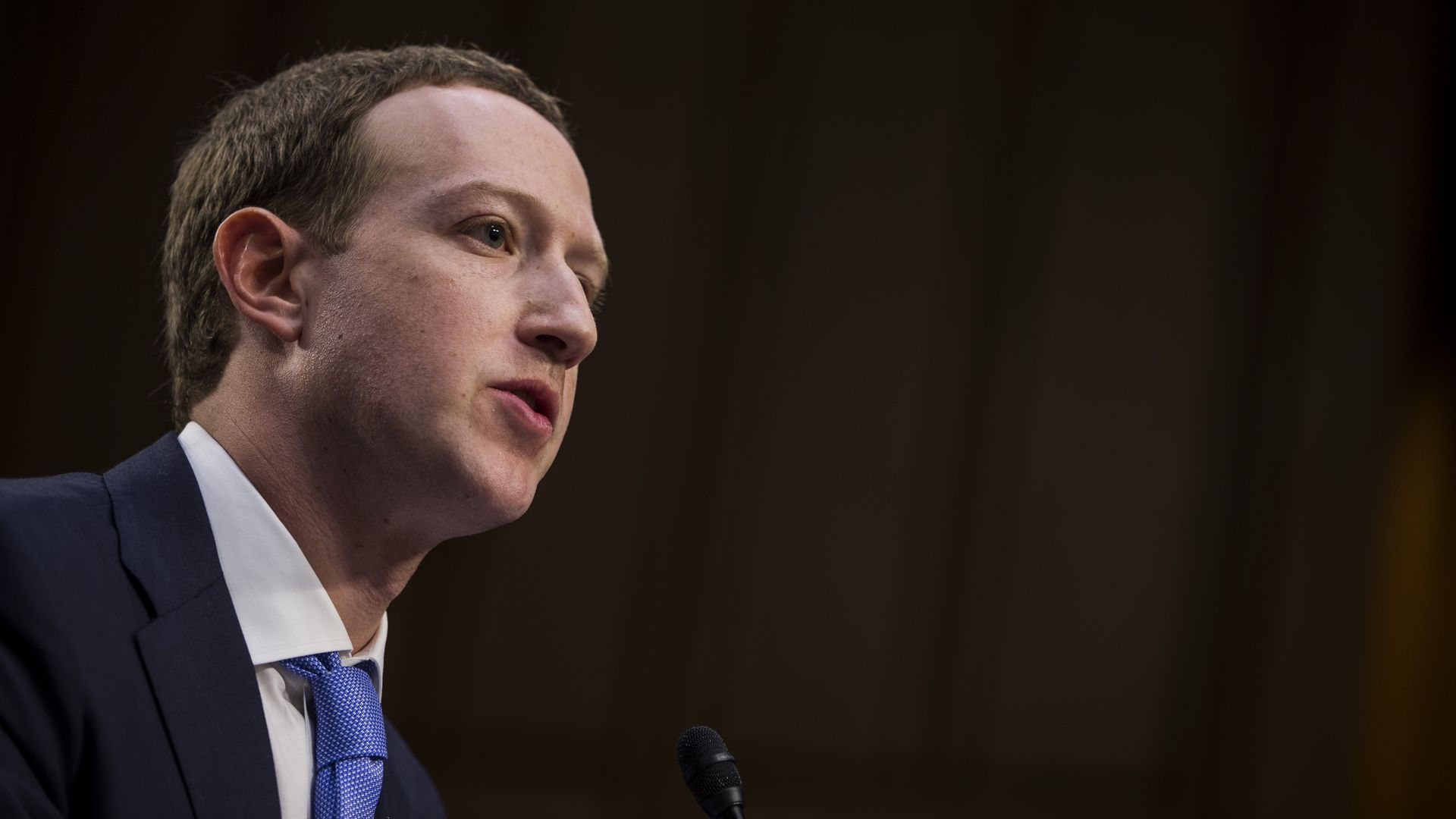
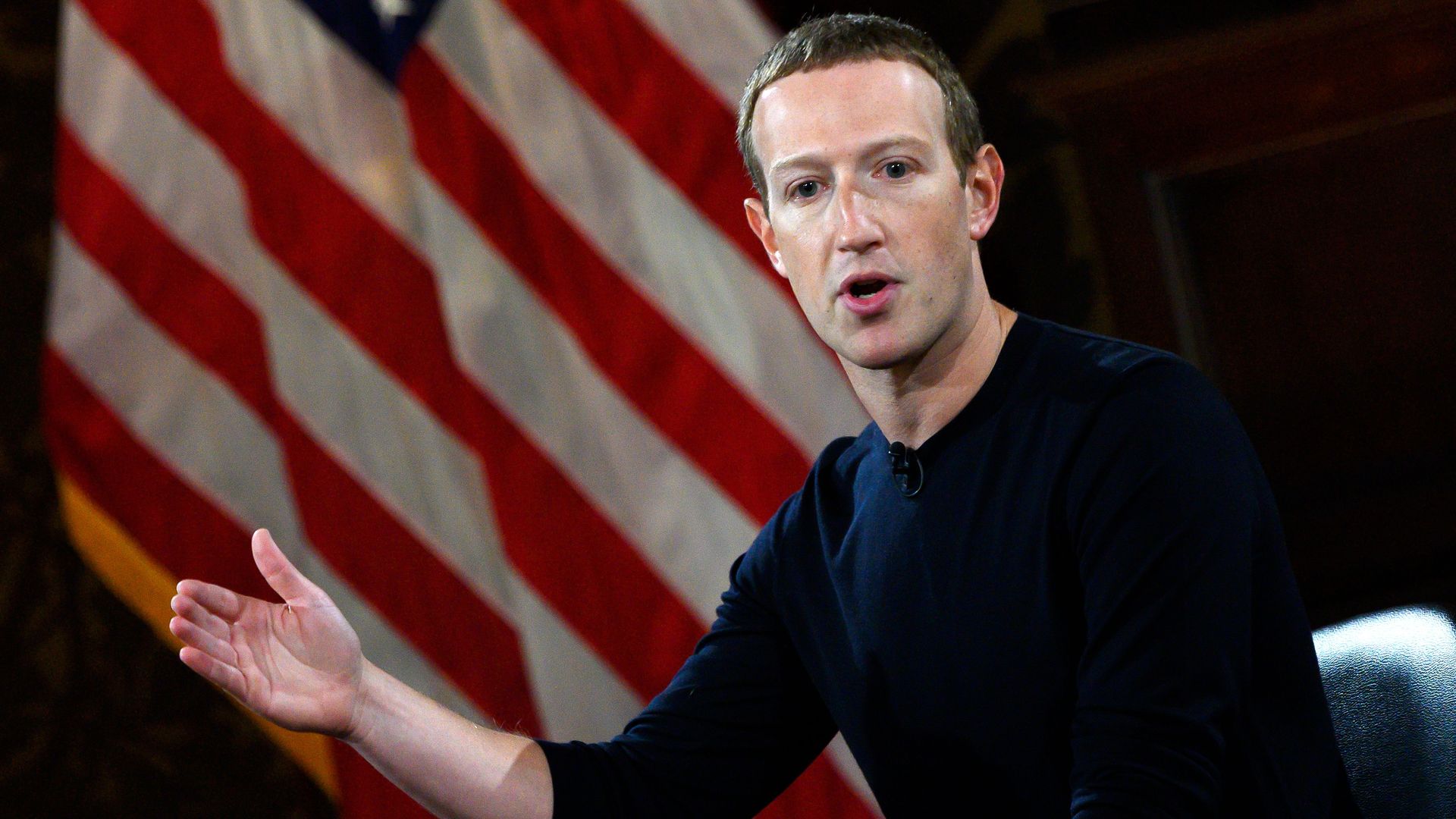
Facebook CEO Mark Zuckerberg will tell the House Financial Services Committee Wednesday that Facebook's Libra cryptocurrency project will help bring millions of people who don't use banks into the financial system and help the U.S. overcome global challenges from China and other competitors, according to an advance copy of his testimony.
The big picture: Libra has faced skepticism and headwinds from lawmakers and regulators. Several financial services providers announced as launch partners, including Visa, Mastercard and Paypal, have since bailed on Facebook's effort to create a global digital currency.
The FTC took its first-ever action Tuesday against a maker of "stalkerware," software used by spouses, parents and others to surveil purported loved ones' cell phones.
What's happening: The company, Retina-X, and its owner James N. Johns, will be required to delete all data hoarded by the apps and cease the sale of products, requiring a user to circumvent phone security until it can reasonably guarantee "legitimate" use.
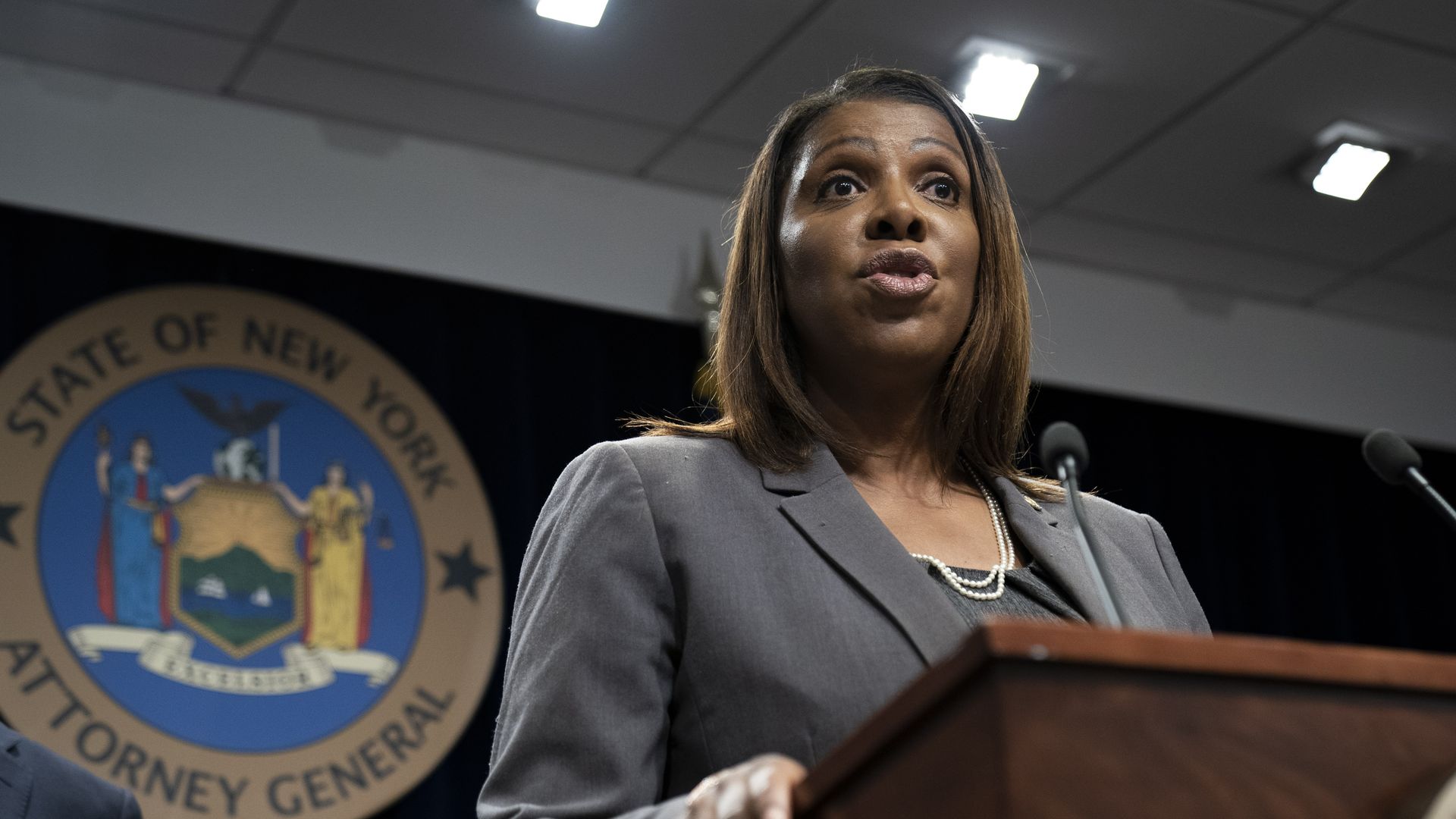
The multi-state antitrust investigation into Facebook, which moved forward Monday as state officials met with experts, now counts 47 attorneys general among its membership.
The big picture: Facebook is facing attacks on all fronts, with antitrust scrutiny of the company's size and power also taking shape at the Federal Trade Commission, the Justice Department and Congress.
A war of words (and numbers) between workplace messaging service Slack and Microsoft is heating up, as Slack finds itself having to compete in the category it pioneered.
The big picture: Slack, which went public in June via a direct listing, now finds itself up against Microsoft, which has the luxury of including its rival Teams product as part of its big Office bundle.
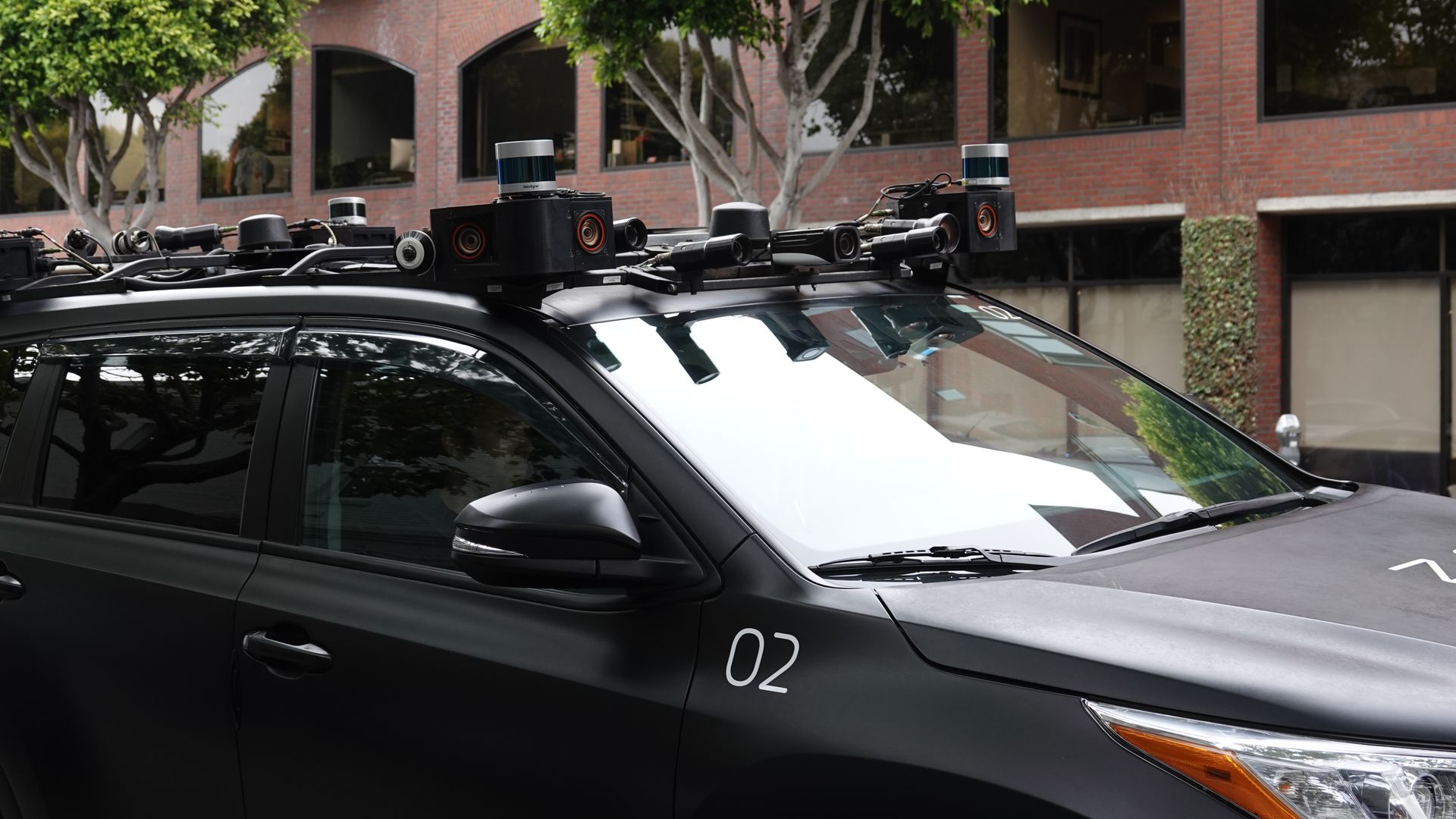
Self-driving startup Zoox has raised $200 million in new convertible note funding, which will be folded into a Series C round that's expected to close later this year or at the beginning of 2020.
Why it matters: Zoox is more ambitious than most other autonomous tech startups, seeking to develop the entire car instead of just the software or sensors.
In its bid to take on Microsoft Office, Google has hired someone who knows the product well: former Outlook boss Javier Soltero.
Why it matters: Google and Microsoft are in a tough battle to win the hearts, minds and email accounts of business customers. While G Suite has gained share, especially for email, Microsoft has pivoted Office from a desktop software to a subscription service.
Facebook announced Monday that it had removed a network of "coordinated inauthentic behavior" originating in Russia, as well as three others originating in Iran, bringing the total number of such "information operations" it has acted against in the last year to more than 50.
Why it matters: Some of the activity was linked to Russia's Internet Research Agency, the government-backed operation that flooded social media with propaganda during the 2016 election, creating networks of fake accounts and, per CNN, targeting Democratic presidential candidate Joe Biden's campaign.
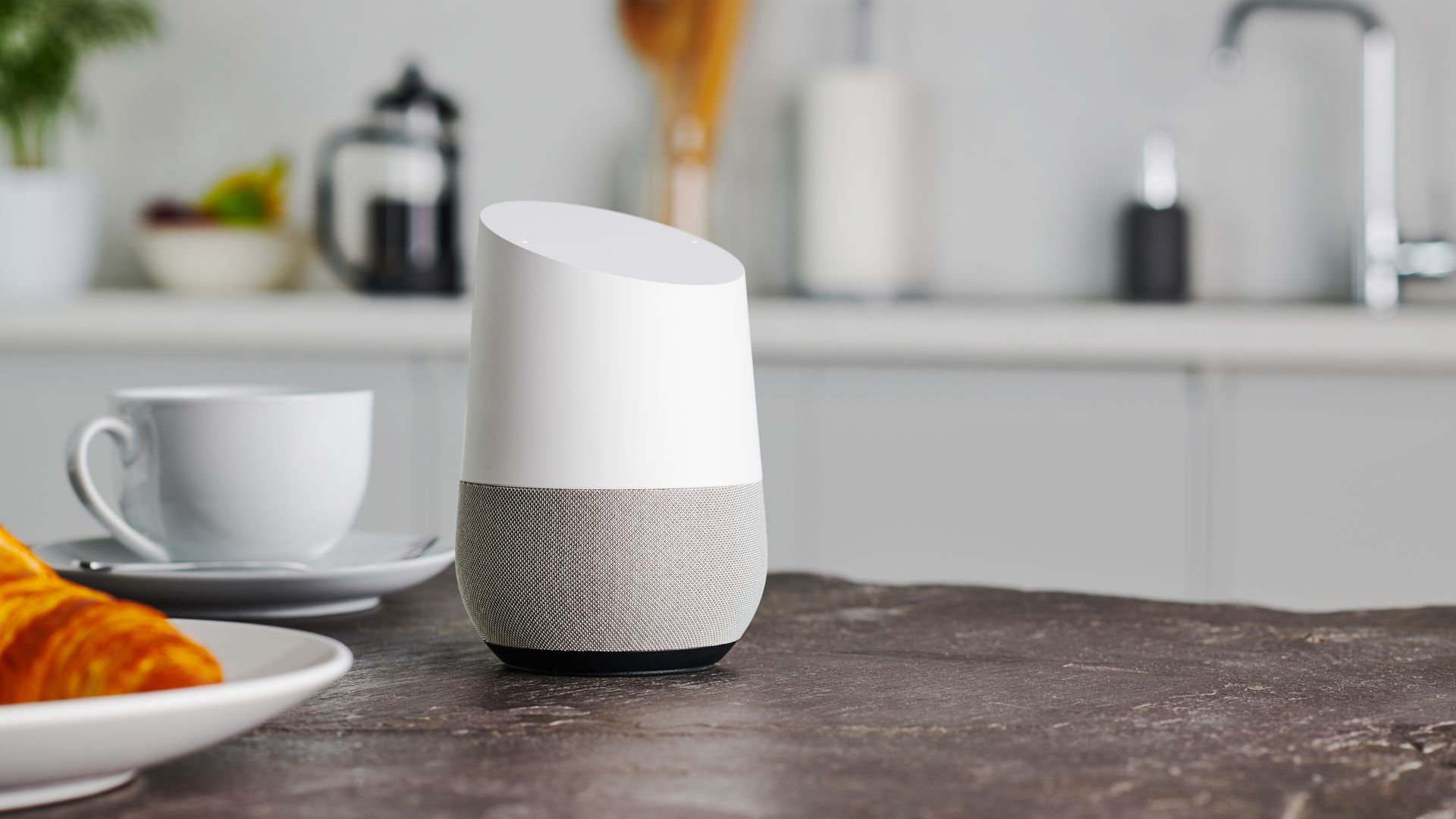
A newly discovered variation of an old technique might make it easier for hackers to convince inattentive users of Google Voice and Alexa smart speakers to cough up their passwords.
The big picture: The security flaw was discovered by SRLabs and was first reported by ZDNet, but it has not been witnessed in use by actual hackers. Google has already announced closing the flaw.
TikTok overtook YouTube and Instagram in U.S. downloads last year, and news organizations are now trying to cash in on its audience. Dan digs in with Dave Jorgenson, who runs the Washington Post's TikTok channel.
One of the things I've always liked about the Pixel line is that, for an iPhone user, it's always the easiest of the major Android offerings to adapt to.That continues with the latest model, the Pixel 4. I've only had my review unit for a couple days, but as with past models, there's virtually no learning curve.
What's to like: For journalists, students and others that have to take meeting notes, the Pixel 4 has one heck of a selling point: The new recorder app is capable of automatically transcribing voice recordings.
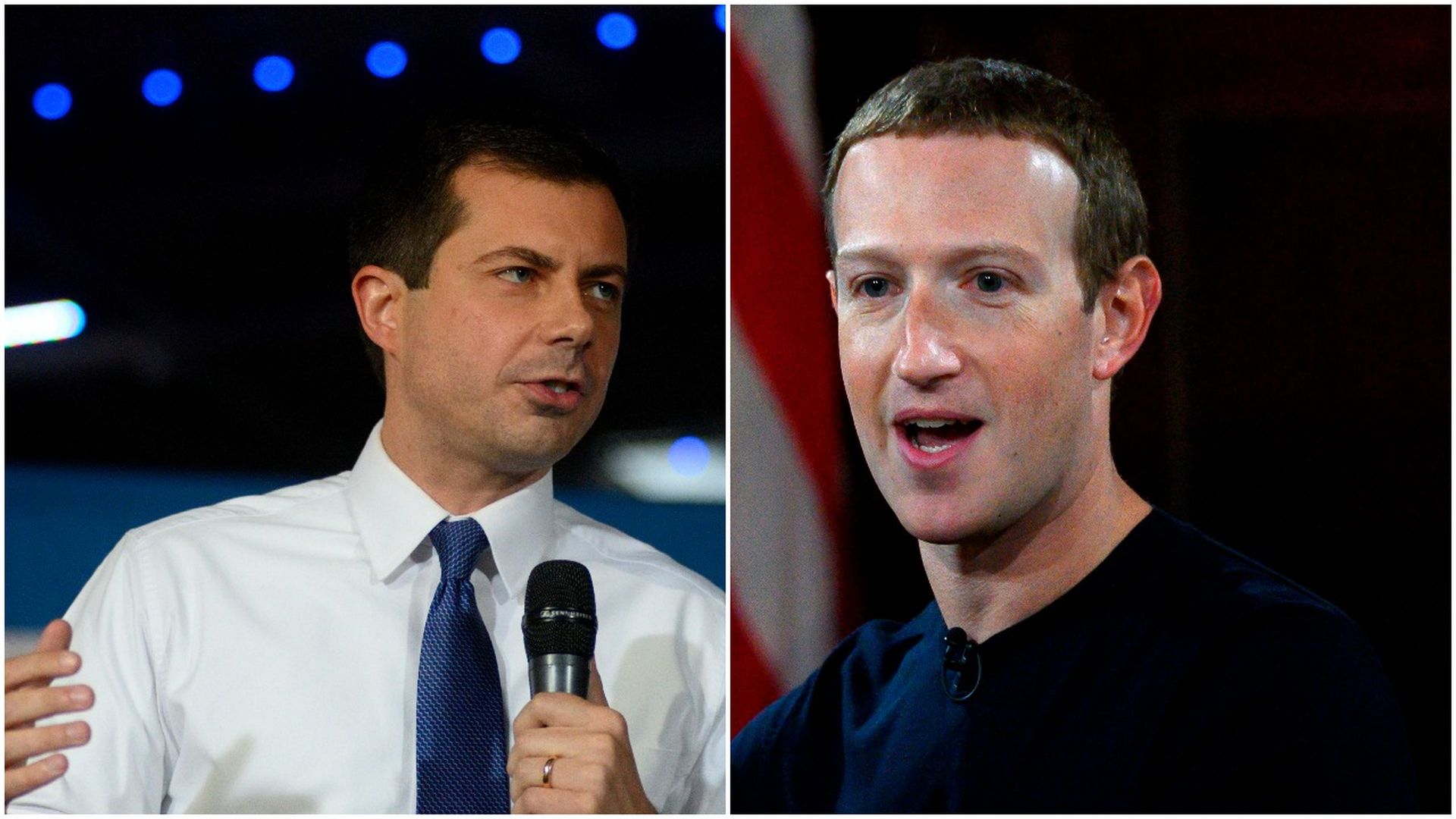
Facebook CEO Mark Zuckerberg and his wife Priscilla Chan sent Pete Buttigieg's 2020 presidential campaign staff recommendations earlier this year, reports Bloomberg.
The big picture: Zuckerberg and Chan made the recommendations as the social media platform faces bipartisan scrutiny on issues like misinformation, privacy, election meddling and bias.