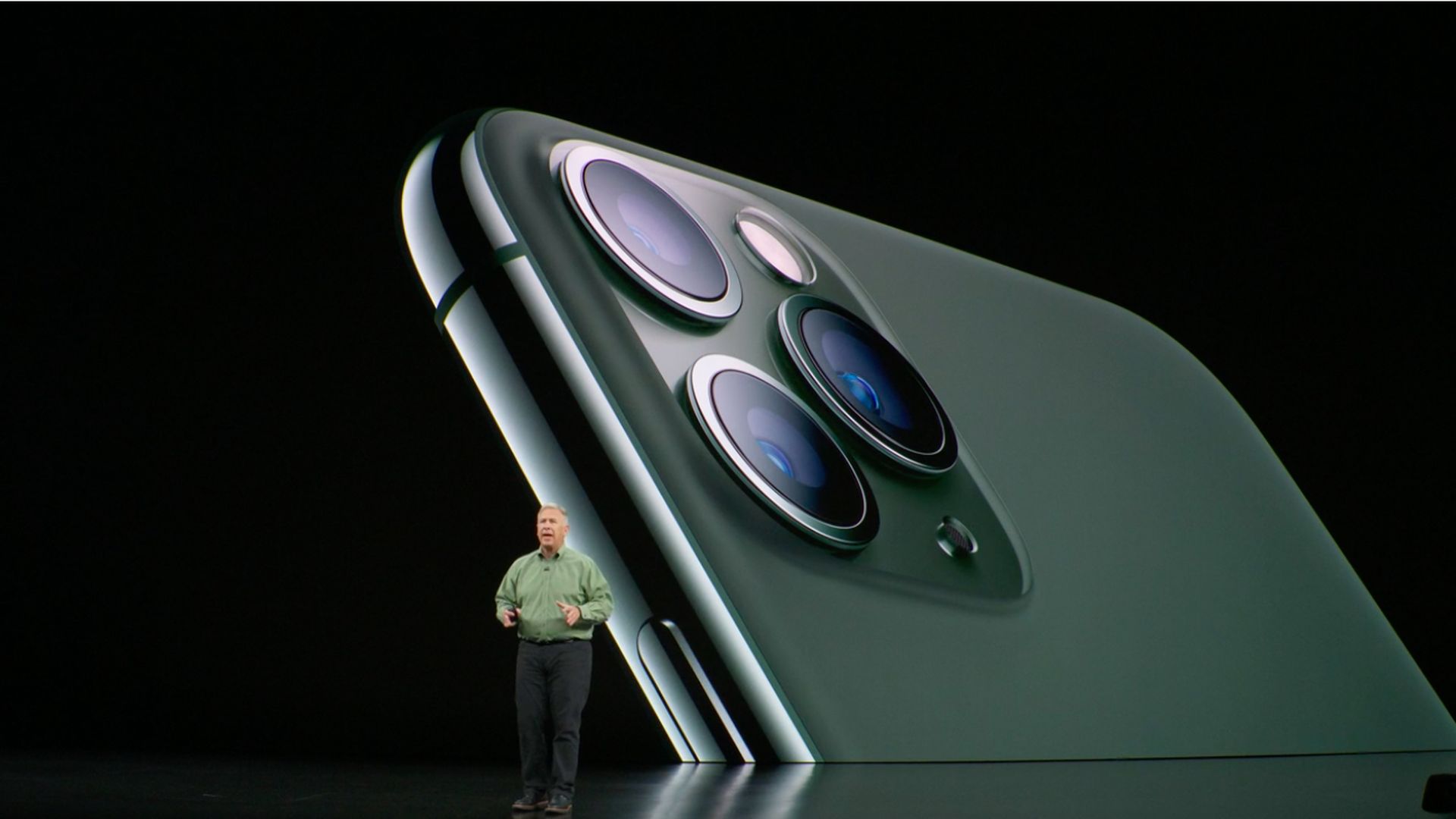
Apple debuted its latest iPhones Tuesday, including a high-end iPhone 11 Pro model with three rear cameras and a mid-range iPhone 11 starting at $699. The company also announced a new version of Apple Watch and a new entry-level iPad, as well as pricing and availability for some of the services it previewed back in March.
Why it matters: The iPhone is Apple's most important product and the latest crop arrives amid a slowing smartphone market.
Why it matters: The company's stock has been on the decline since it went public in May, and it has struggled to show a clear path to profitability. So it comes as no surprise that Uber is working to slim down some of its costs.
From the front, it's very hard to tell the just-introduced iPhone 11 Pro isn't just an iPhone XS, but flip it over, and you can see the phone's main standout feature, a third rear camera.
The bottom line: As impressive as the new images coming from the camera appear to be, it may be tough to convince existing owners that an added camera, faster chip and improved battery life offer enough reasons to upgrade. But have a look for yourself in this video.
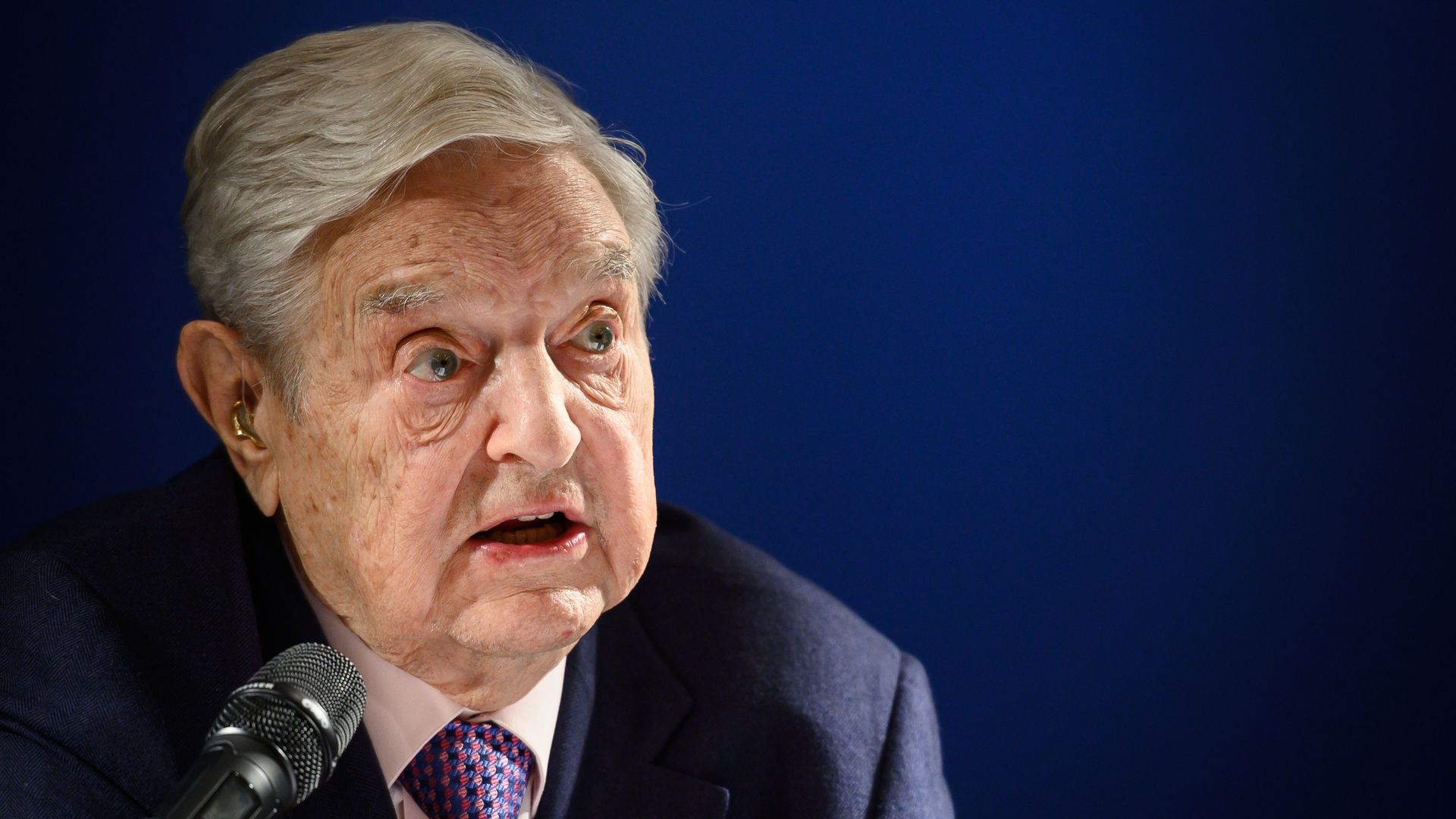
Billionaire George Soros wrote in a Wall Street Journal op-ed on Tuesday that he is worried the Trump administration may use the ban that prevents U.S. companies from doing business with telecom giant Huawei as a bargaining chip in U.S.-China trade talks.
Why it matters: Soros, a longtime target of conservatives, praised Republicans for introducing amendments to prevent the president from removing Huawei as a national-security threat without the consent of Congress. But the legislation is at odds with the president's desire to relax restrictions.
We won't officially know what Apple is announcing at this morning's event for a few hours more. But it's virtually impossible for phone makers — even secretive Apple — to keep much secret these days.
Why it matters: The iPhone remains the heart of Apple's business, and by all accounts it is going into essentially the third year with the design that debuted with the iPhone X. It remains unclear just how many good new reasons Apple can dream up to spur upgrades.
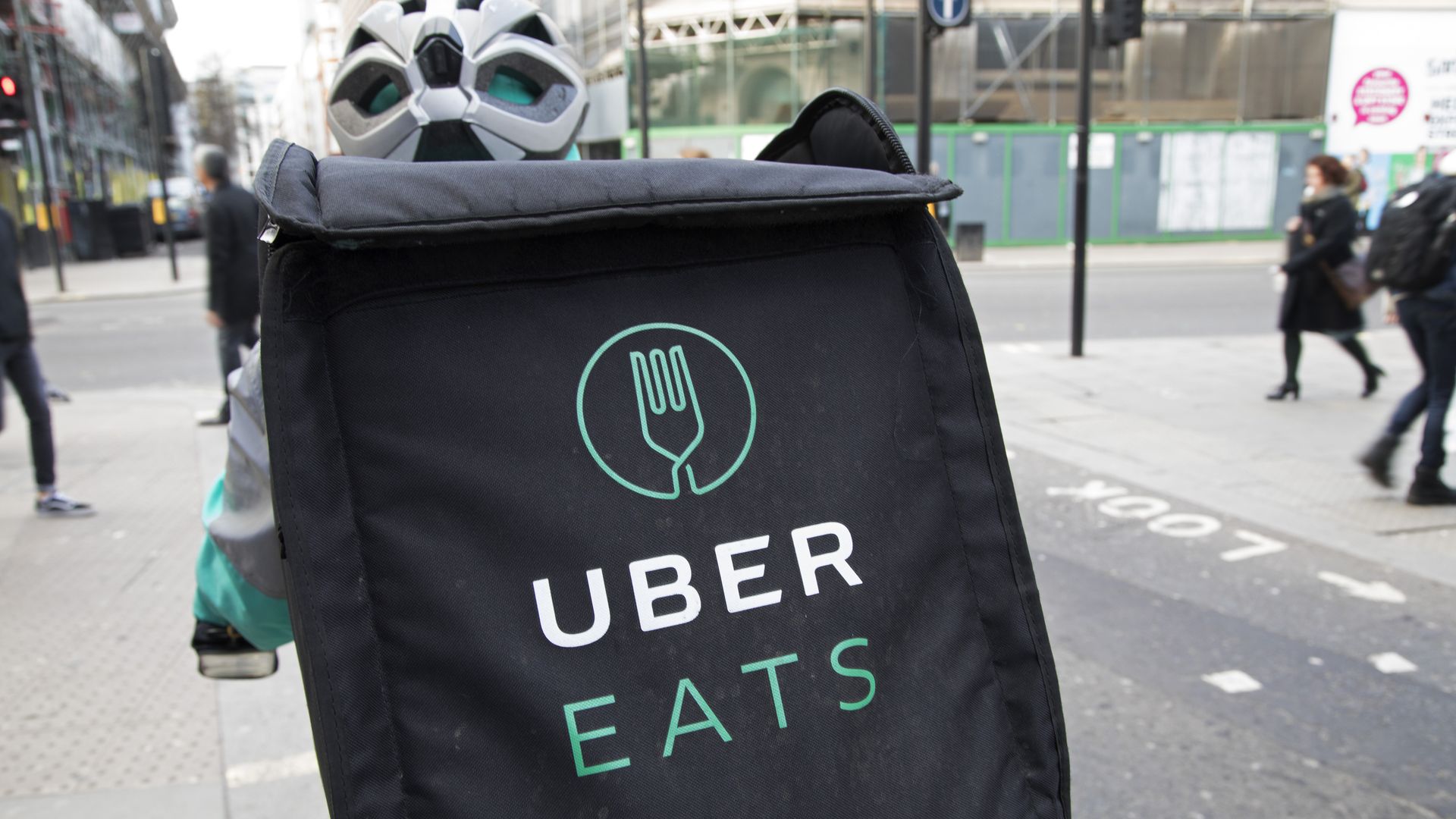
Uber Eats is stepping even more squarely into GrubHub's turf with its latest move: letting restaurants join its service even if they have their own delivery drivers. The option rolled out in Europe and the Middle East last month, and is now available in the U.S.
Uber Eats has also hit the 1 billion food delivery mark.
Why it matters: There's a lot of pressure on Uber Eats to turn a profit to bolster its parent company's business, so it's no surprise Uber is looking to expand the restaurant side of its marketplace.
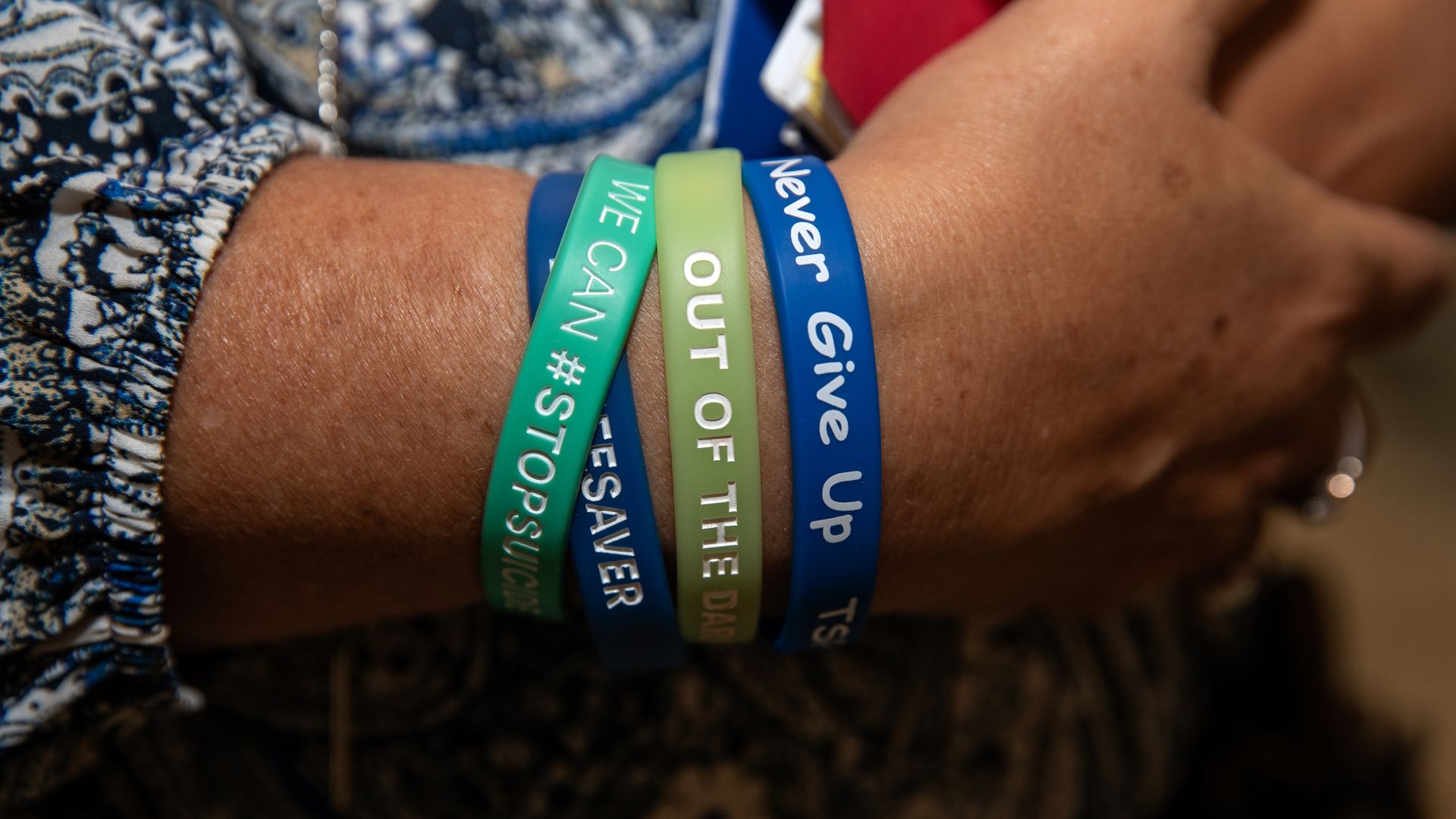
Coinciding with World Suicide Prevention Day, Facebook is announcing a series of policy changes designed to keep users from encouraging self-harm, while also trying to preserve the ability for people to discuss their struggles without shame.
51 Business Roundtable CEOs, including those from Amazon, AT&T and IBM, sent a letter to congressional leaders on Tuesday asking that consumer privacy legislation be fast-tracked into law.
Why it matters: Now more than ever politicians and government agencies are trying to outline how to hold companies accountable when it comes to keeping consumers' data safe. Both Facebook and YouTube settled with FTC regulators over privacy violations recently, setting off a broader reckoning around data privacy in the era of Big Tech.
As Netflix continues to expand its presence around the globe, it is increasingly investing in the production and distribution of localized, foreign-language content designed to woo international audiences.
Why it matters: Hollywood has long been seen as the global cultural force, shipping both American values and the English language worldwide. Now, Netflix's household ubiquity and deep pockets are pushing back on that stranglehold, granting users easy access to foreign content that they may have never considered in the past.
Attorneys general of 50 states and territories on Monday formally announced a joint, bipartisan antitrust investigation into Google, the Washington Post reports.
Why it matters: The move by the states and territories represents a new, wide-ranging front in the government-led assault on Google's power. It also means that even if parallel probes by the Department of Justice and Congress fizzle out, some even more aggressive state prosecutors could carry on the fight.
MIT is under fire after revelations that it's Media Lab had deeper ties to convicted pedophile Jeffrey Epstein than it had previously admitted. Dan digs in with Axios' Felix Salmon, who thinks there are more big shoes to drop.
A glitch in software designed by Netflix in 2013, used in early versions of Google Chromecast and installed in several mid-decade televisions and other devices would allow an attacker to crash a TV, according to new research from security firm ForAllSecure.
The big picture: Netflix's DIAL software allowed people to broadcast video from a phone or computer onto their television and was an early component of Chromecast until Google moved that software in a different direction. Though the software is now obsolete, many TVs came preinstalled with DIAL.
Background: These are separate from ongoing investigations by the Justice Department and the FTC, which have been looking into the 2 mega companies since last year, plus ongoing inquiries from the FBI and SEC.
Why it matters: Big tech companies like Google, Facebook, and Amazon are now facing numerous state and federal probes into their practices. These companies have historically enjoyed wide regulatory freedom in the U.S., but lawmakers and regulators want to change that — and antitrust law gives government its most powerful tools to penalize, regulate or even break up American corporations.
Instagram could become a new platform for the sharing of disinformation around the 2020 election because of the way propagandists are relying on images and proxy accounts to create and circulate fake content, leading social intelligence experts tell Axios.
The big picture: "Disinformation is increasingly based on images as opposed to text," said Paul Barrett, the author of an NYU report that's prompted a renewed look at the problem."Instagram is obviously well-suited for that kind of meme-based activity."






/2019/09/09/1568067098984.gif?w=3840)